
Franchise News
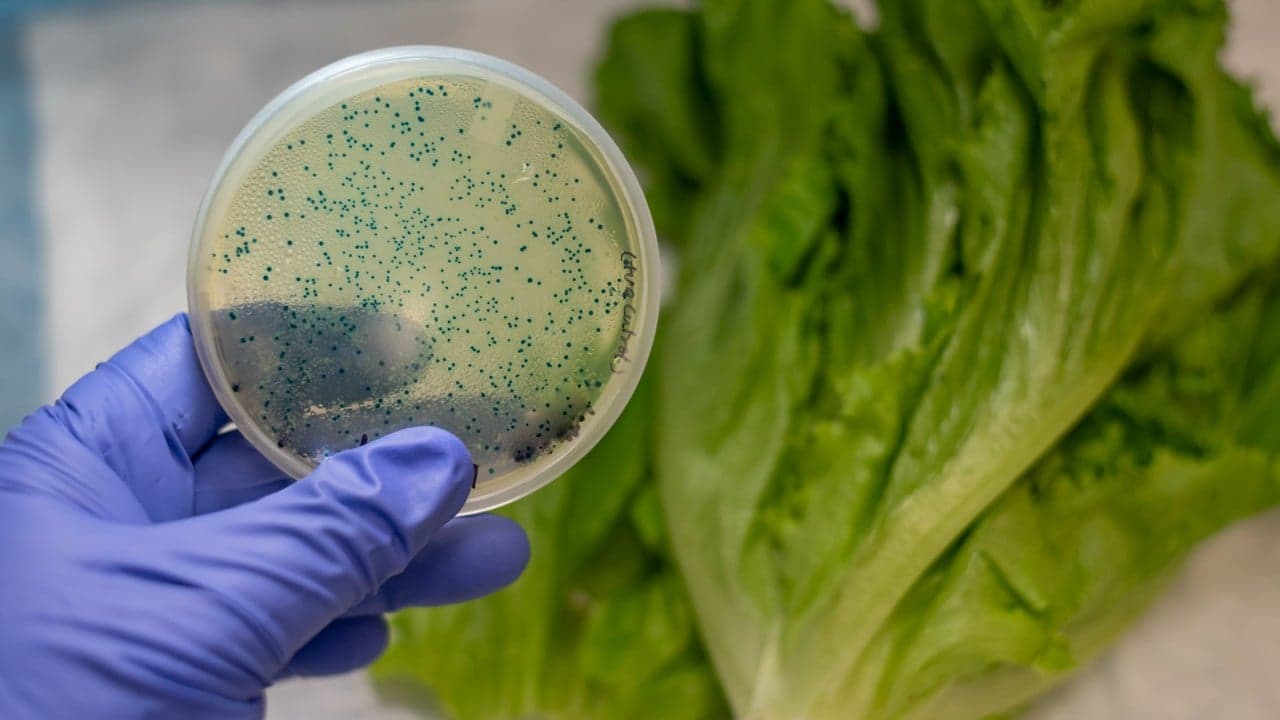
FDA Pinpoints Source of Romaine Lettuce E. coli Outbreak
The bacteria was found in sediment from a water reservoir in Santa Maria, California
Franchise News
The bacteria was found in sediment from a water reservoir in Santa Maria, California
CNBC recently reported that the Food and Drug Administration has released findings of an investigation of the E. coli outbreak linked to romaine lettuce beginning in November 2018, tracing the origin to a water reservoir in California.
The investigation was reportedly conducted by the FDA, CDC, state authorities and Canadian officials. Causing 62 known illnesses and 25 hospitalizations, the origin of the E. coli was narrowed to three California counties by mid-December, with the CDC declaring the outbreak over on January 9, 2019, according to the CNBC article.
The investigation found that sediment from a water reservoir on a farm in Santa Maria tested positive for the E. coli strain to blame, according to the article. While it remains unclear how romaine from three different counties came into contact with the contaminated reservoir water, it could have been a result of direct application to crops or through equipment, according to the article.
The report notes that agricultural water from a reservoir runs a higher risk of surface contamination than groundwater, and that because of its survival rate in sediment, the E. coli bacteria could have been present for months or even years, according to the article.
Read the full article on CNBC here.
Sign up for the 1851 Franchise newsletter to get our biggest stories before everyone else
By signing up, you agree to our user agreement (including class action waiver and arbitration provisions), and acknowledge our privacy policy.

About the Author
Emily Clouse is a staff writer for 1851 Franchise. Her work has been featured with publications such as The Onion, Reductress, and Chicago Magazine. She graduated from The Ohio State University before running away to join the Peace Corps. In her free time, she enjoys drawing and walking to Jewel-Osco.


