
Mainland

Local Vs. National FranDev Marketing
While the distinction between national and local marketing has become blurred, a combination of 75% localized marketing and 25% national/credibility-based marketing is a solid rule.
Today, successful franchise development marketing is about utilizing data and digital assets to create a localized, yet national campaign.
In the past, the national marketing process was centered around buying space in franchise trades and business trades — such as Entrepreneur Magazine — and creating a blanket ad campaign for the whole country. This would hopefully drive awareness and bring prospects from all over the country to the brand’s development website.
Local marketing, on the other hand, used to be more of a hyper-local strategy in which brands would buy local newspaper ads or reach out to a chamber of commerce to help find an ideal buyer in a certain community.
In today’s sophisticated digital world, franchisors can get very specific when it comes to the markets they are trying to expand into. So, they deploy the majority of their franchise development marketing budget into those local markets all across the country. In this way, brands can launch a national marketing campaign that’s localized to specific target markets.
This is especially effective in markets that have already proven to be successful — franchisors can work in concentric circles, taking successful franchisees and maximizing their stories to drive more expansion in that individual market.
How Brands Can Leverage Local and National Marketing to Win
With this localized-national marketing strategy in mind, franchisors can start building out their digital assets accordingly. For example, in the world of franchise development websites, franchisors can specifically build out a whole landing page centered around the franchise opportunities and territory availability in Chicago. Then, when a prospect in Chicago visits the franchise development website, they will connect personally with the opportunity and feel confident that they are the right person for the job.
While there’s no one equation that works for every brand, a combination of 75% localized marketing and 25% national/credibility-based marketing is a good rule of thumb to follow. That will help guide you in deploying an optimized balance between national and local marketing budgets.
Checklist:
Discover more about how to win at franchise development marketing by downloading our free white paper here.
Mainland
While the distinction between national and local marketing has become blurred, a combination of 75% localized marketing and 25% national/credibility-based marketing is a solid rule.
Today, successful franchise development marketing is about utilizing data and digital assets to create a localized, yet national campaign.
In the past, the national marketing process was centered around buying space in franchise trades and business trades — such as Entrepreneur Magazine — and creating a blanket ad campaign for the whole country. This would hopefully drive awareness and bring prospects from all over the country to the brand’s development website.
Local marketing, on the other hand, used to be more of a hyper-local strategy in which brands would buy local newspaper ads or reach out to a chamber of commerce to help find an ideal buyer in a certain community.
In today’s sophisticated digital world, franchisors can get very specific when it comes to the markets they are trying to expand into. So, they deploy the majority of their franchise development marketing budget into those local markets all across the country. In this way, brands can launch a national marketing campaign that’s localized to specific target markets.
This is especially effective in markets that have already proven to be successful — franchisors can work in concentric circles, taking successful franchisees and maximizing their stories to drive more expansion in that individual market.
How Brands Can Leverage Local and National Marketing to Win
With this localized-national marketing strategy in mind, franchisors can start building out their digital assets accordingly. For example, in the world of franchise development websites, franchisors can specifically build out a whole landing page centered around the franchise opportunities and territory availability in Chicago. Then, when a prospect in Chicago visits the franchise development website, they will connect personally with the opportunity and feel confident that they are the right person for the job.
While there’s no one equation that works for every brand, a combination of 75% localized marketing and 25% national/credibility-based marketing is a good rule of thumb to follow. That will help guide you in deploying an optimized balance between national and local marketing budgets.
Checklist:
Discover more about how to win at franchise development marketing by downloading our free white paper here.
Sign up for the 1851 Franchise newsletter to get our biggest stories before everyone else
By signing up, you agree to our user agreement (including class action waiver and arbitration provisions), and acknowledge our privacy policy.
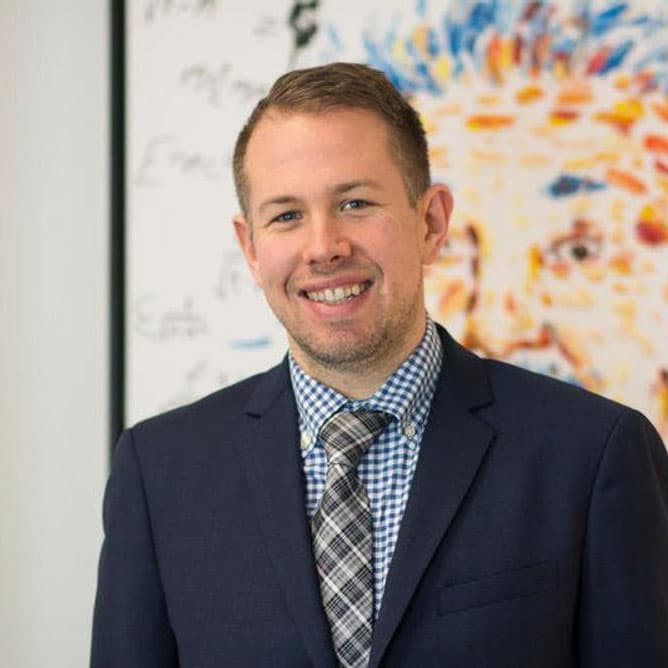
About the Author
Nick Powills, CFE, founded No Limit Agency in 2008 and serves as Chief Brand Strategist for the Chicago-based firm. No Limit is a full-service communications agency that establishes and elevates brands by bridging Public Relations, Social Media, Marketing, Advertising, Digital, and a lot of creativity, to best strategize well-rounded and successful campaigns for 50+ global franchise brands. By presenting visionary ideas and building real relationships, No Limit is able to create effective media branding strategies to help companies grow. Nick currently leads a staff of writers, media strategists, designers, social media experts and digital producers in an office think-tank where brands are humanized for strong, compelling media stories. Prior to starting No Limit at the age of 27, Nick spent four years working at a franchise PR agency where he mastered the art of building rapport with media outlets and creating newsworthy pitches for earned media placements. He holds a Bachelor of Journalism from Drake University in Iowa.
No related articles found