
CapitalSpring
SPONSORED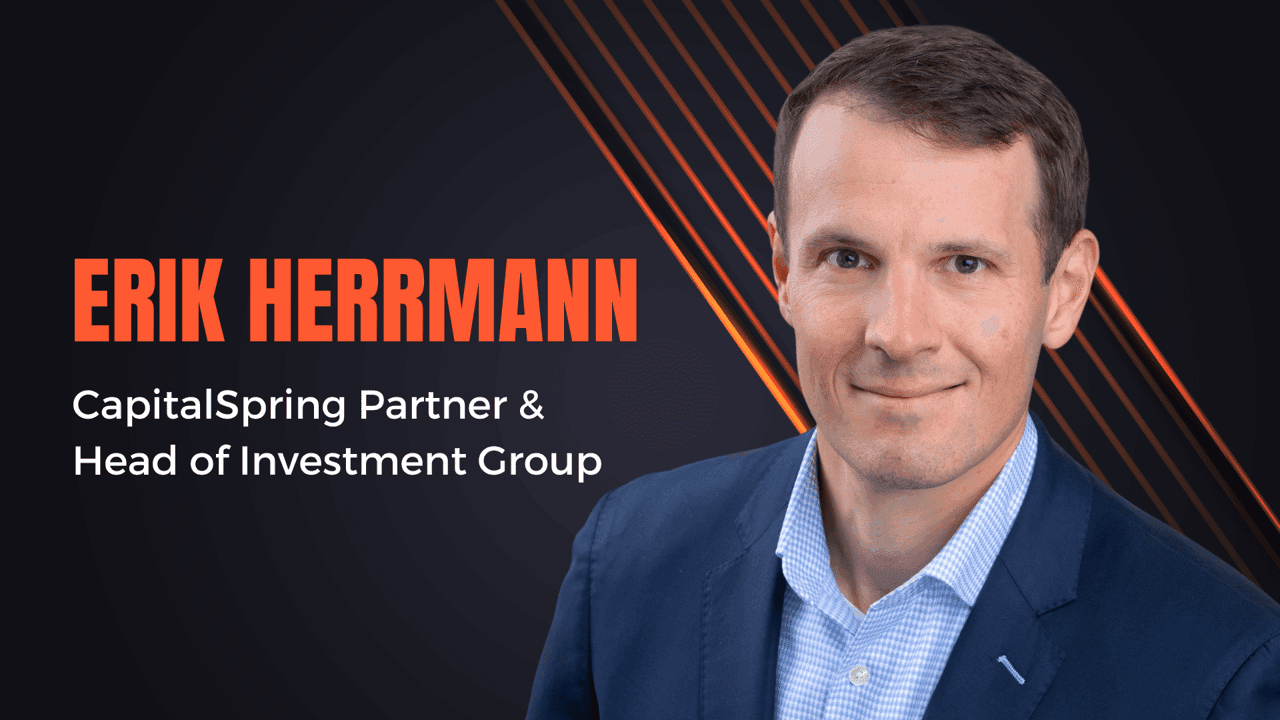
Finding Financing: How Fit and Expertise Impact Investment Partnerships
As franchisees work to select a strong finance partner, a fundamental fit, experience and value add are three key factors to consider.
Choosing an investment partner is a crucial step in many franchisees’ growth trajectories. In addition to securing capital support for their business ventures, some financing options also bring additional expertise and third-party support. When vetting potential partners, Erik Herrmann, CapitalSpring partner and head of investment group, says a franchisee should focus on three key details: fundamental fit, experience and value-add.
“Finding the right financing partner is important because the relationship is incredibly situational,” Herrmann explained. “The involved parties are solving for something very specific, and financing is not a process that lends itself to everyone raising capital for the same purpose.”
A Fundamental Fit Between the Two Parties Is Essential
A franchisee’s search should start with an evaluation of all prospective finance partners. The finance relationship is an involved, often long-term one, and in order for it to succeed, the franchisee and financier need to have shared goals, understanding and approach to the business.
“The first step is trying to understand the fit between what your specific financing need is and the potential investors,” Herrmann said. “That can vary due to the circumstances, but it’s important because there are a lot of circumstances that can drive the decision to forge a partnership.”
Herrmann went on to explain that all investors and private equity firms have a unique set of parameters or approach. A group’s unique mandate is a driving force in who they will or will not partner with.
“Franchisees should not partner with an investor that has a set of expectations that don’t align with their goals,” he said. “That leads to friction down the line, and you don’t want to find yourself in a bad partnership or bad financing agreement. This scenario typically becomes evident if operating performance softens or the business faces a key decision.”
Next, Consider Experience
“Really, what you’re looking for is someone with experience in the sector you’re trying to grow in,” Herrmann said. “If you’re considering a partnership, just ask about experience! Try to get more information about the investments an individual or firm has made in the particular sector, including who the investment was with, when it happened and how it went. You want to find an investor that has enough perspective and experience living through the types of issues your business might face.”
Experience, on an institutional level, equips the ultimate decision-makers of the investor side to bring a relevant perspective to the investment relationship and more likely align with your goals.
This aspect of the evaluation process has only become more important in recent years. While the height of the COVID pandemic may be over, many sectors continue to feel aftershocks. Understanding the depth of an investor’s experience can be a good foundation for understanding how they might handle future hiccups.
There are multiple pathways to this information, including direct references from the investor and personal research. Herrmann explained that most investors will be happy to provide references.
“Both extreme and normal ups and downs can provide perspective, but if everything is going right, everyone is happy,” he said. “If things go wrong, that’s where you understand people’s mindset and behavior. If you can speak to a reference that has endured a challenge alongside a particular investor, you will have an honest idea of how the investor handles the difficult times.”
In addition to references provided by the investor, Herrmann encourages prospective franchisees to browse for press releases associated with the potential investor.
“A lot of times, investment information is publicly available,” he said. “With press releases, it’s relatively easy to figure out what other companies an investor is associated with. If someone wants to be more proactive about the reference piece, there’s an archive. There’s a public record of that activity. It’s easy to go find those potential sources and bring them back to the investor.”
When investors choose references, they often identify the sources that they believe will provide the most positive feedback — it’s only logical. However, this should not deter a franchisee from approaching the investor with the name of a partner and asking for their contact information.
“It is perfectly acceptable to say, ‘Well, I want to talk to this person because I know that you made an investment five years ago. I’d like to understand how it went,’” Hermann added.
Money Is a Commodity, So Consider Value Add
“One area where an investor can really differentiate themselves is value add,” Herrmann said. “A lot of franchisees are looking for more than just money, and it is very possible to find an investor that has significant resource advantages.”
With a host of possible challenges in the future for business owners, franchisees may be wondering when the next shoe will drop. A partnership with an expert ensures the owner that they have a support system that will not just “not freak out” but can actually add value over the course of challenging times.
Franchisees should seek to work with an investor with a portfolio of businesses and individuals that can share valuable insights. Some investors can provide access to other supporting resources, such as portfolio-wide town halls, access to preferred vendor relationships or discounts, or M&A sourcing; the addition to a well-developed network can allow a franchisee access to shared knowledge and best practices, and collaboration is powerful.
“Your investor can provide qualitative value beyond just writing a check,” Herrmann said. “A generalist who has the money might not have the expertise. With both, you’re well-positioned to succeed.”
ABOUT CAPITALSPRING:
CapitalSpring is a leading institutional investor with deep expertise in food service, multi-location business models and related industries. For over 17 years, we have supported proven management teams with financial, strategic and operational resources to accelerate growth and realize their businesses' full potential. CapitalSpring offers one-stop solutions for a broad range of investments, including private equity, mezzanine capital and senior lending and has offices in Nashville, Los Angeles, Atlanta and New York. For more information about CapitalSpring, please visit www.capitalspring.com.
CapitalSpring
SPONSOREDAs franchisees work to select a strong finance partner, a fundamental fit, experience and value add are three key factors to consider.
Choosing an investment partner is a crucial step in many franchisees’ growth trajectories. In addition to securing capital support for their business ventures, some financing options also bring additional expertise and third-party support. When vetting potential partners, Erik Herrmann, CapitalSpring partner and head of investment group, says a franchisee should focus on three key details: fundamental fit, experience and value-add.
“Finding the right financing partner is important because the relationship is incredibly situational,” Herrmann explained. “The involved parties are solving for something very specific, and financing is not a process that lends itself to everyone raising capital for the same purpose.”
A Fundamental Fit Between the Two Parties Is Essential
A franchisee’s search should start with an evaluation of all prospective finance partners. The finance relationship is an involved, often long-term one, and in order for it to succeed, the franchisee and financier need to have shared goals, understanding and approach to the business.
“The first step is trying to understand the fit between what your specific financing need is and the potential investors,” Herrmann said. “That can vary due to the circumstances, but it’s important because there are a lot of circumstances that can drive the decision to forge a partnership.”
Herrmann went on to explain that all investors and private equity firms have a unique set of parameters or approach. A group’s unique mandate is a driving force in who they will or will not partner with.
“Franchisees should not partner with an investor that has a set of expectations that don’t align with their goals,” he said. “That leads to friction down the line, and you don’t want to find yourself in a bad partnership or bad financing agreement. This scenario typically becomes evident if operating performance softens or the business faces a key decision.”
Next, Consider Experience
“Really, what you’re looking for is someone with experience in the sector you’re trying to grow in,” Herrmann said. “If you’re considering a partnership, just ask about experience! Try to get more information about the investments an individual or firm has made in the particular sector, including who the investment was with, when it happened and how it went. You want to find an investor that has enough perspective and experience living through the types of issues your business might face.”
Experience, on an institutional level, equips the ultimate decision-makers of the investor side to bring a relevant perspective to the investment relationship and more likely align with your goals.
This aspect of the evaluation process has only become more important in recent years. While the height of the COVID pandemic may be over, many sectors continue to feel aftershocks. Understanding the depth of an investor’s experience can be a good foundation for understanding how they might handle future hiccups.
There are multiple pathways to this information, including direct references from the investor and personal research. Herrmann explained that most investors will be happy to provide references.
“Both extreme and normal ups and downs can provide perspective, but if everything is going right, everyone is happy,” he said. “If things go wrong, that’s where you understand people’s mindset and behavior. If you can speak to a reference that has endured a challenge alongside a particular investor, you will have an honest idea of how the investor handles the difficult times.”
In addition to references provided by the investor, Herrmann encourages prospective franchisees to browse for press releases associated with the potential investor.
“A lot of times, investment information is publicly available,” he said. “With press releases, it’s relatively easy to figure out what other companies an investor is associated with. If someone wants to be more proactive about the reference piece, there’s an archive. There’s a public record of that activity. It’s easy to go find those potential sources and bring them back to the investor.”
When investors choose references, they often identify the sources that they believe will provide the most positive feedback — it’s only logical. However, this should not deter a franchisee from approaching the investor with the name of a partner and asking for their contact information.
“It is perfectly acceptable to say, ‘Well, I want to talk to this person because I know that you made an investment five years ago. I’d like to understand how it went,’” Hermann added.
Money Is a Commodity, So Consider Value Add
“One area where an investor can really differentiate themselves is value add,” Herrmann said. “A lot of franchisees are looking for more than just money, and it is very possible to find an investor that has significant resource advantages.”
With a host of possible challenges in the future for business owners, franchisees may be wondering when the next shoe will drop. A partnership with an expert ensures the owner that they have a support system that will not just “not freak out” but can actually add value over the course of challenging times.
Franchisees should seek to work with an investor with a portfolio of businesses and individuals that can share valuable insights. Some investors can provide access to other supporting resources, such as portfolio-wide town halls, access to preferred vendor relationships or discounts, or M&A sourcing; the addition to a well-developed network can allow a franchisee access to shared knowledge and best practices, and collaboration is powerful.
“Your investor can provide qualitative value beyond just writing a check,” Herrmann said. “A generalist who has the money might not have the expertise. With both, you’re well-positioned to succeed.”
ABOUT CAPITALSPRING:
CapitalSpring is a leading institutional investor with deep expertise in food service, multi-location business models and related industries. For over 17 years, we have supported proven management teams with financial, strategic and operational resources to accelerate growth and realize their businesses' full potential. CapitalSpring offers one-stop solutions for a broad range of investments, including private equity, mezzanine capital and senior lending and has offices in Nashville, Los Angeles, Atlanta and New York. For more information about CapitalSpring, please visit www.capitalspring.com.
Sign up for the 1851 Franchise newsletter to get our biggest stories before everyone else
By signing up, you agree to our user agreement (including class action waiver and arbitration provisions), and acknowledge our privacy policy.

No related articles found