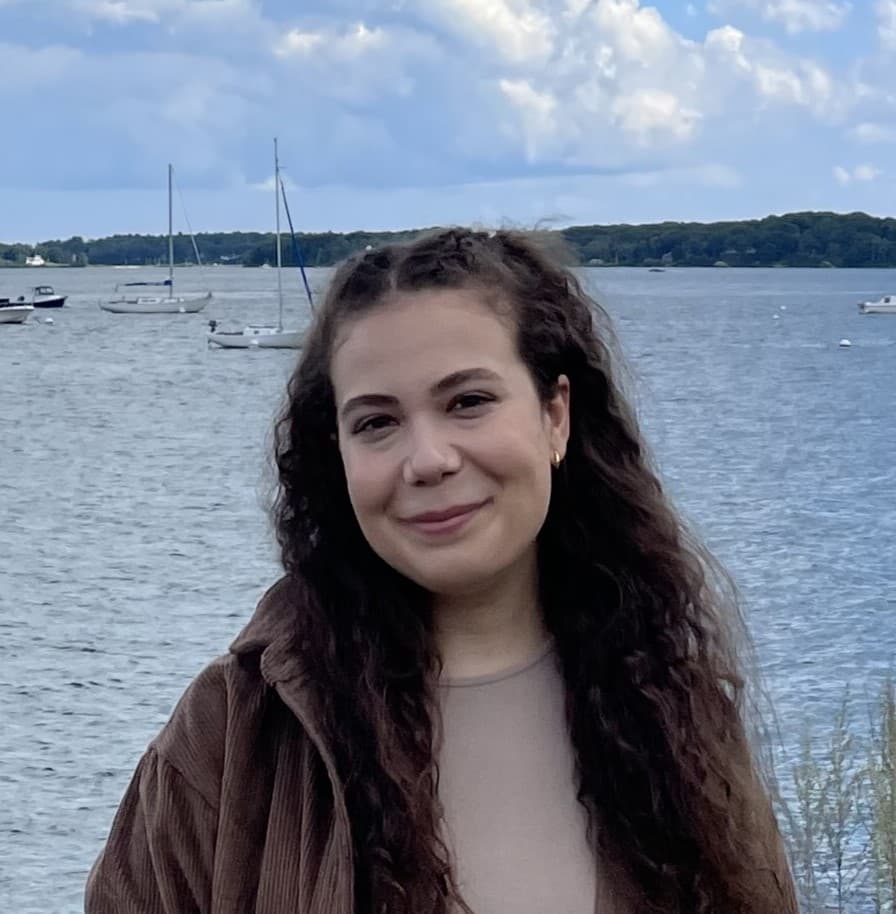
Dr. Clint Coleman believes the future of education will require new approaches, new partnerships and local leaders who understand their communities. This is why he sees Central Creativity’s franchise model as a timely opportunity for entrepreneurs who care about education and workforce development.
“That’s what the franchise model brings. It creates connectivity to the community you’re trying to serve,” he said. “No matter how many planes I get on or how many trips I take, I’ll never have the same connection to what’s happening in a specific community as someone who lives there.”
Founded in 2017, Central Creativity is an educational organization focused on fostering critical and creative thinking skills in students from Pre-K through 12th grade. Central Creativity delivers hands-on STEM experiences through ready-to-use kits and programs built for classrooms, after-school settings and community partners. In 2026, Coleman became CEO with a plan to take the brand national through franchising.
Coleman’s background spans scientific research, higher education and statewide workforce development initiatives. Coleman started his career in infectious disease research, including projects tied to NASA and field work overseas. He later shifted into education, taking on leadership roles in Louisiana’s community college system before helping lead the state’s STEM efforts through the Louisiana Board of Regents.
That experience helped shape his perspective on why a localized model matters in education. Central Creativity’s franchise system is built around that idea. Rather than focusing on individual tutoring or one-on-one services, franchise owners build relationships with school districts, teachers and community organizations to deliver programs at scale.
The company’s model provides complete “grab-and-go” learning kits and standards-aligned activities that allow teachers to bring hands-on experiences into their classrooms without having to source materials or design lessons themselves.
Coleman believes that model is especially relevant as education evolves and schools search for new ways to connect academic learning with real-world skills. Through partnerships with schools, nonprofits and workforce organizations, Central Creativity programs help students explore careers and understand how subjects like science, reading and engineering connect to practical applications.
“We don’t replace what schools are already doing,” he said. “Instead we create hands-on STEM activities that connect with what students are already learning.”
Coleman said interest is rising in programs that bring career and technical education into earlier grades. As more states and school systems introduce workforce exploration in middle school — and even elementary school — he sees Central Creativity as a way to connect classroom lessons to real-world skills.
Coleman joined 1851 Franchise Publisher Nick Powills on a recent episode of the “Meet the Franchise” podcast to discuss his journey from scientific research to education leadership, why Central Creativity is built on a community-focused franchise model and how hands-on learning can help connect classrooms to future careers. A transcript of the interview has been provided below. It has been edited for brevity, clarity and style.
Nick Powills: You’re at a cocktail hour and someone comes up and says, “What do you do? What is Central Creativity?” How do you answer that?
Clint Coleman: I usually start with telling them that we're an education workforce solutions provider, which then usually opens up other questions about what that means. What we really focus on is helping not only educators, but also our industry partners, corporate partners and nonprofit partners understand how to support what they may already be doing in their communities and then help them scale that to a level that reaches even further beyond that. That’s how I start that conversation. It can go down different roads.
Powills: What excited you about this opportunity? You’ve had a lengthy career. Let’s make it twofold. Talk about the career you had leading up to this journey, and then what the pivot point was that made you say, “I want to join this next mission.”
Coleman: I’ll start with my opportunity to come down to Tulane to get my Ph.D. in microbiology and immunology. I actually started as a molecular geneticist from about 2003 to 2008, studying infectious diseases at a genetic level. I tell people nowadays that I was doing this before COVID made it cool. I was studying things like Ebola, Lassa fever, AIDS and other infectious diseases.
That led to a really exciting career where I was able to launch multiple payloads up to the International Space Station with NASA, looking at genetic changes in bacteria. I also got to go hunt viruses in Africa, in parts of Gabon. It was a really unique and fun career.
Ultimately, though, I started feeling like I was missing a lot of family time. I came back home and decided to pivot to education and started working at the local community college. From there, my career began building through a lot of outreach into STEM communities and different communities around New Orleans, where I’m based. I helped them understand what it means to be a biotechnician or a chemist and what those careers look like.
Through that work I started developing a real passion for it, which led to a promotion within the community college system. I became a dean at Fletcher Technical Community College in Houma. That’s where I met Rhye and Jenny McLeod, founders of Central Creativity.
They came to my campus and said, “We can do a NASA AstroCamp on your campus.” At the time, being a brand-new dean, I said, “Sure. Here’s the money. Where do I sign?” That was December 2019.
Shortly after that we had the COVID shutdown. Ryan and Jimmy came back and said, “We can pivot this and run it virtually.” I told them there was no way we could do a virtual camp. But they believed it could work.
I’m proud to say that we’re now six or seven years into that program. We’re going into our seventh year this summer. We’ve had probably around 15,000 students participate in 37 states and 11 countries. Parents started hearing about these opportunities where camps could be sent to their homes or run in small libraries or after-school settings. Families told other families, and the program grew. We even started getting orders from Uganda.
A few years later I had another opportunity with the state of Louisiana to manage LaSTEM, Louisiana STEM. The goal was to connect education and workforce development. The position was at the Louisiana Board of Regents, which oversees public higher education institutions in the state.
In that role I managed nine regional centers that were tasked with figuring out how to connect education and workforce in their areas. What works in New Orleans doesn’t necessarily work in Shreveport. What works in Baton Rouge doesn’t work in Lake Charles. We needed a network where each region could operate in its own way but still stay connected to my office.
During that time Central Creativity also grew. Ryan and Jimmy continued promoting their programs through the network and developing opportunities in other states. The franchise opportunity began growing out of that.
After about five years managing LaSTEM, I started feeling ready for a new challenge. Ryan came to me and said they would love to have me come home as CEO. I joined in October, but I feel like I’ve been part of the company since 2019.
Powills: Why franchising when the business itself is strong? What is the advantage of the franchise model? And because this is somewhat of a new category in education franchising, do you think there will be obstacles in helping people understand that this opportunity exists?
Coleman: We get asked that question a lot. Why franchise when headquarters does such a great job connecting everything? It really comes down to community. When I was running LaSTEM at the Board of Regents, I had vendors calling me all the time wanting to do business in Louisiana. The first thing I would ask was whether they had someone in the state that teachers could contact if they had questions or problems. Most of the time the answer was no.
That’s what the franchise model brings. It creates connectivity to the community you’re trying to serve. No matter how many planes I get on or how many trips I take, I’ll never have the same connection to what’s happening in a specific community as someone who lives there.
In a way it’s similar to the network model we used with LaSTEM. We had nine regional centers doing their own work but connected through my office. I see our franchisees the same way. They’ll be serving their communities locally while using the same products we already provide, along with custom programming opportunities.
As for the second part of your question, it is a unique opportunity. It’s not a passive investment. You have to be connected to the community. We’re looking for franchise owners who already have ties to education, local businesses or the communities they want to serve.
Another difference is who the customer is. Many education companies rely on one-on-one sales with parents for tutoring or birthday parties. That means a lot of individual transactions.
Our model focuses on school districts and schools. When you make a sale with a school, it multiplies by however many students are involved.
For example, our affiliates in Kentucky have done a successful job running field trips in schools where they bring the Central Creativity program directly into the classroom. Students participate in activities that cost about $15 to $25 per student depending on the program. When you multiply that by hundreds of students, it becomes a much larger opportunity than selling a single birthday party.
Powills: Thinking about who pays for this, it could be individuals or school districts. But you’ve also built relationships with local governments. Does funding come from the state? Do schools have to create new budgets? How does the money get found?
Coleman: There are multiple funding streams that schools and after-school providers have access to. Some are recurring funds and some are grant-based. Often those funds come with a rule that programs can supplement but not supplant existing curriculum. That means we don’t replace what schools are already doing. Instead we enhance it.
For example, many districts follow the Science of Reading framework. We don’t replace that. Instead we create hands-on STEM activities that connect with what students are already learning. One example is our partnership with Reading Horizons, which has more than 40 years of experience teaching phonetics. Together we built hands-on STEM activities connected to the books students read in kindergarten through fifth grade.
Students might read a story while learning phonetics, but they’re also learning about careers like engineering. They might build a simple bridge as part of the lesson. It connects what they’re reading with a real-world experience.
Because these programs support what schools are already doing, they can use existing funding streams. That might include Title funding, PTAs or general operating budgets. There are several options, and having headquarters that understands those funding sources helps franchisees connect those pieces.
Powills: Clint, this has been great. It gives a clear picture for anyone considering the franchise. They can see your vision and passion behind it. I appreciate you taking the time to share the story.
Coleman: Thank you. I appreciate it.
Watch the full interview above or on YouTube.
For more information on Central Creativity, please visit https://centralcreativity.com/franchise/.