Franchisor Stories
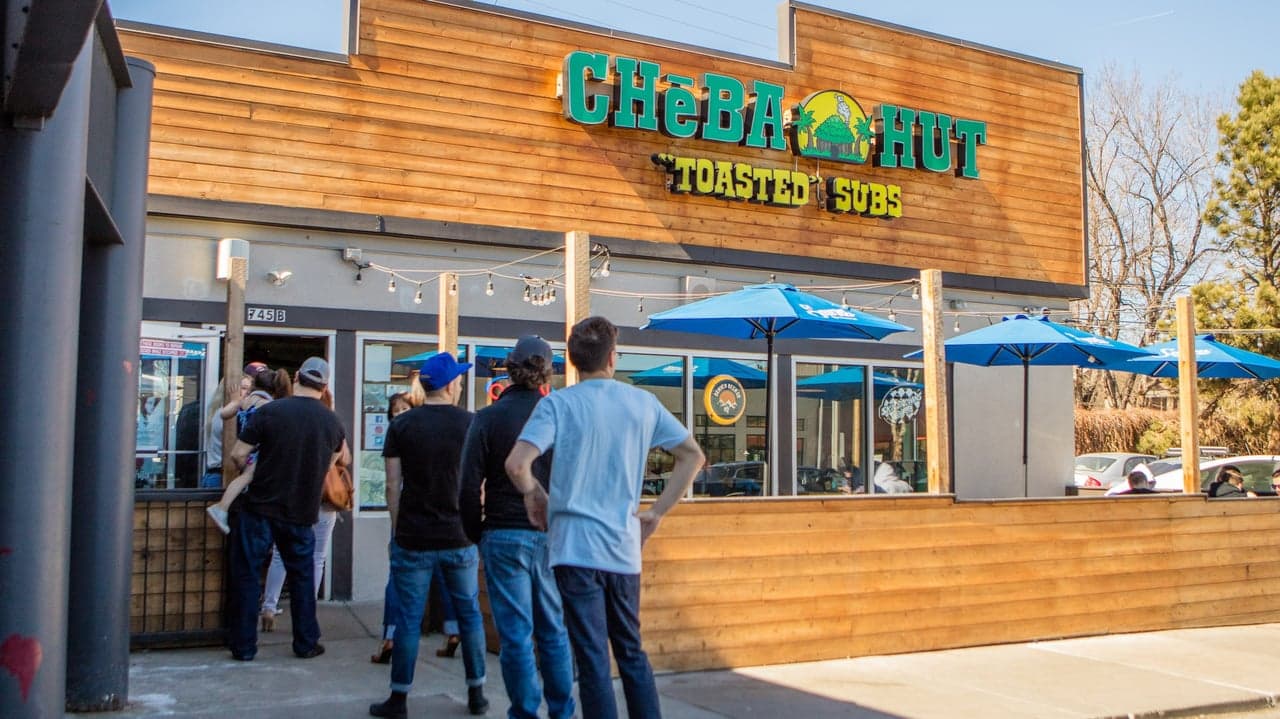
Cheba Hut Fosters Franchise Owner Growth Through the Use of Multi-Location Franchise Deals
How the toasted subs brand plans to build multi-unit momentum for the rest of 2019 and beyond.
Franchisor Stories
How the toasted subs brand plans to build multi-unit momentum for the rest of 2019 and beyond.
Cheba Hut has been serving up toasted subs to customers for the past 21 years. Originally established in Arizona, the brand recently moved its headquarters to the heart of Old Town Fort Collins, Colorado and now has a presence in five other states, including California, New Mexico, Nevada, Oregon and Wisconsin—with more states to come. A big factor in Cheba Hut’s continued growth has been the passion it’s been able to cultivate with new and existing franchisees through the utilization of a multi-unit signing structure for new franchise owners.
Through offering these deals, the brand has provided franchise owners room for growth within the markets they enter. Knowing that they will have the ability to enter different parts of their local area and expand year-over-year is something that motivates each new owner as they look to build their business.
Beyond franchise owners, the crews the brand employs at its shops have the opportunity for growth in conjunction with multiple locations in their market. While one crew member might start off working the line, it’s easier for them to see a path ahead to positions in the managerial space, knowing those other locations are close by.
“The growth and the ability to expand is something that is attractive to an entrepreneur and someone looking to run a business,” said Isaac Montoya, a Cheba Hut franchisee in Albuquerque. “I first started as a General Manager for two years before deciding to own. Cheba Hut fosters and promotes the ability to expand and grow within the company. My team is about to lock in the state of New Mexico and potentially El Paso, Texas, as well. Ultimately, I’m looking to bring three to four locations to El Paso and another four to five across Albuquerque.”
Cheba Hut aims to open three to five company stores per year and currently has 25 locations up and running, with plans to double that footprint by the end of 2021. The brand has secured recent deals in California, Texas, Georgia, North Carolina, Florida and Arkansas and has its sights set on additional growth in markets like Texas, as well as the Pacific Northwest and the Carolinas.
“The three-pack deal is unique in the franchising game,” said Seth Larsen, Cheba Hut’s Chief Relationship Officer. “We don’t have an option for just one location, five or 10. We start off with three and have a brand that should be shared with the people and feel there are a lot of great markets for Cheba Hut. Our theme is a little different, but overall, the people we speak to about franchising with us have been to a location before, are looking for something different and fun and we want them to make their locations their own.”
Signing for multiple locations at the start means new franchise owners plan timelines accordingly for opening each location. Cheba Hut prides itself on working closely with each owner throughout the process.
“The team at headquarters is hands-on as much as possible,” said Montoya. “You have support every step of the way from scouting locations, to filing the proper paperwork, to opening and operating post-launch. Ultimately, you’re in business for yourself, but not by yourself.”
The company also works to ensure that they are bringing on the right people to own new locations as they continue to grow.
“We have spoken to many well-qualified candidates,” said Larsen. “We want to ensure that we’re working with the right folks who really know their markets, and that the location is perfect for them, as well as their business. With this in mind, we can be selective with who we bring on, as we are not a 1,000-plus unit brand and do not have a need to open a location in every square mile of each market.”
Cheba Hut currently has ten multi-unit franchisees, with another three in the pipeline.
“We plan to open four to six more locations in 2019, with 50 locations being our ultimate goal longer-term,” said Larsen. “Real estate is the biggest factor. We want to make sure our franchisees have the right locations and that they are economically feasible and profitable for all parties involved. We partner with people who really want to grow the brand and we work closely with them to make sure they grow at average unit volume or above.”
When it comes to advice for those interested in opening a Cheba Hut, Montoya said he believes in trusting the process.
“Get as much help as you can from the team, and learn as much as you can, especially if you’re going into a new market,” said Montoya. “It’s very important to understand the market you are looking to open in and the brand does a great job of ensuring that you are set up for success.”
Cheba Hut start-up costs range from $336,000 to $678,000 including a franchise fee of $99,000 for a three-unit deal. For more information about the Cheba Hut franchise opportunity, please visit https://franchise.chebahut.com/.
Sign up for the 1851 Franchise newsletter to get our biggest stories before everyone else
By signing up, you agree to our user agreement (including class action waiver and arbitration provisions), and acknowledge our privacy policy.
About the Author
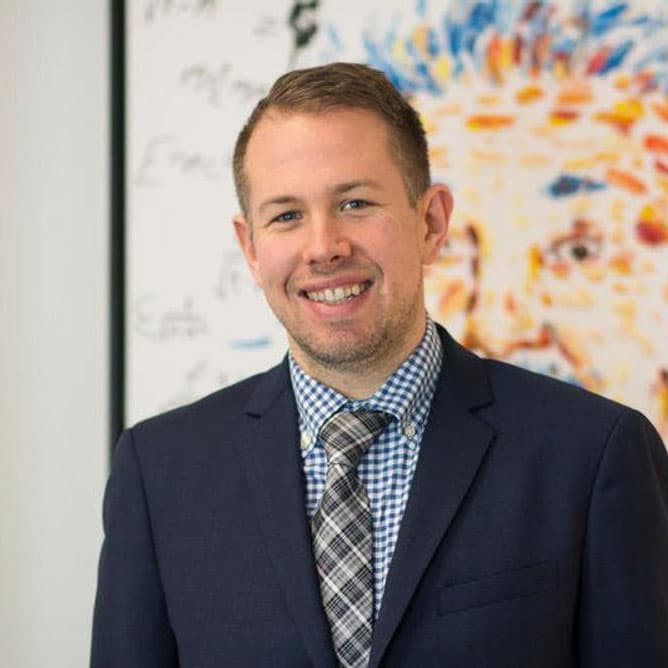
Nick Powills, CFE, founded No Limit Agency in 2008 and serves as Chief Brand Strategist for the Chicago-based firm. No Limit is a full-service communications agency that establishes and elevates brands by bridging Public Relations, Social Media, Marketing, Advertising, Digital, and a lot of creativity, to best strategize well-rounded and successful campaigns for 50+ global franchise brands. By presenting visionary ideas and building real relationships, No Limit is able to create effective media branding strategies to help companies grow. Nick currently leads a staff of writers, media strategists, designers, social media experts and digital producers in an office think-tank where brands are humanized for strong, compelling media stories. Prior to starting No Limit at the age of 27, Nick spent four years working at a franchise PR agency where he mastered the art of building rapport with media outlets and creating newsworthy pitches for earned media placements. He holds a Bachelor of Journalism from Drake University in Iowa.