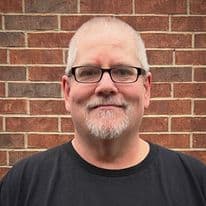
In a recent interview with 1851 Franchise Founder and Publisher Nick PowillsChildren's Lighthouse Vice President of Franchise Development Matt Kelton shared his insights on the power of franchising and the critical benefits of following a proven system. Having started as a franchisee himself at the young age of 23, Kelton explained how franchising offers an “escalator” to success for aspiring business owners, giving them the tools, processes and brand recognition needed to ramp up quickly while avoiding the common mistakes entrepreneurs make when starting from scratch.

Kelton emphasized that franchising provides more than just a business model — it creates a sense of community. As a franchisee, you're part of a larger network of support, including other owners who have been through the same challenges and can offer valuable mentorship. “You hear the phrase: ‘You're in business for yourself, but not by yourself,’" Kelton said. "And there's a lot of truth to that. People leave corporate America because they want independence, to work for themselves and build their future instead of someone else's. In franchising, you’re the CEO, but you have help when you need it."

One of the key takeaways from the interview was Kelton's strong belief in the importance of following the franchisor's system. He explained that Children’s Lighthouse, which started in 1997, spent years perfecting its business model, learning from mistakes and fine-tuning the processes that make the franchise successful today. When franchisees choose to follow this established system, they benefit from the collective experience of the brand's operations team, which has more than 250 years of combined expertise. This support enables franchisees to focus on key profit indicators, such as enrollment, and build a lasting, profitable business.

Kelton’s advice to prospective franchisees is simple but powerful: trust the system. “When you buy a system, it’s proven for a reason,” he said. “It’s common to veer off course and try to do your own thing, but the system works.”

Kelton shared an example of a franchise owner who initially struggled but saw significant growth after committing fully to the system. "If you tell me to use black garbage bags instead of white, I’ll do it because following the system makes me money," the owner told him, highlighting the transformative potential of adhering to a franchise's established processes.

Ultimately, Kelton's insights showcase the value of franchising as a way to build a business with the guidance and support of a proven brand while still maintaining the independence that comes with ownership. For those contemplating a transition into franchising, Kelton suggests having a conversation sooner rather than later: "If you’re thinking about making a change, don’t delay. Having a conversation costs nothing, and sometimes that’s all you need to take the next step."

A transcript of Kelton’s interview with Powills appears below. It has been edited for clarity, brevity  and style.

Nick Powills: All right, Matt, I'm sure this question will connect with you. You and I have been in franchising for quite some time. I'll hit 20 years in about three months — crazy. But one of the hurdles a franchise buyer faces is when they discover a franchise opportunity, land on the website and see, "Buy a franchise." Then, they have to unpack and study what franchising really is. Part of our discussion is going to explore this. A franchise buyer lands on the Children's Lighthouse website and tries to figure out what franchising is. How would you explain the benefits and what franchising is in your own words?  

Matt Kelton: Sure. So, Children's Lighthouse started in 1997, and it took them many years to perfect this model. They made a lot of mistakes and had to learn how to make the business profitable. One of the things you're buying is a proven playbook or recipe kit — a system with a proven business model. It includes the processes, systems, tools, brand recognition and everything you need to ramp up quickly.  

I always tell people: you're smart and you could probably figure out how to do this business, but it would take you many years and you'd make the same mistakes we did. I've heard the analogy that it's like having an escalator to get you there faster, and in a lot of ways, that's true.  

For me, franchising is about being part of a recognized brand. You get support from a model that works and an experienced operations team. Our ops team has a combined 250 years of experience. They know what to do, what not to do, all the key metrics, or KPIs — key profit indicators — you need to focus on. For us, enrollment is a key profit indicator, and we know how to appeal to parents. At the end of the day, you're creating a profitable business that you can have for many years and eventually sell, leaving a legacy for your kids in retirement.  

But there's also something that doesn’t get talked about enough: as a franchisee, you're not in the battle alone. I started as a franchisee right out of college at 23, knowing nothing. I followed the system because I didn’t know any better. But beyond that, you also have other franchise owners who can become mentors and support you. That sense of culture and community is another key piece of franchising.  

You hear the phrase: "You're in business for yourself, but not by yourself." And there's a lot of truth to that. People leave corporate America because they want independence, to work for themselves and build their future instead of someone else's. In franchising, you’re the CEO, but you have help when you need it. I’ve seen a lot of people become very successful through franchising. I'm a big fan of the model, having grown up in it and seen it work for many different brands.  

Powills: I want to circle back to a few things, but let’s shift to the process. I land on the website, hear what you just said and realize I could do this on my own. But then I start thinking — I need a website, brand, construction support, real estate support, curriculum support — the list just keeps going. I love your escalator analogy and I’ll probably be stealing that. You’re getting the escalator to start your business. All the support and infrastructure that makes the escalator go from the bottom to the top is incredible. Now, I’m aligned and I’m ready. I fill out the form on the website to have a conversation. Can you walk me through what happens behind the scenes?  

Kelton: The first thing we want to know is, at the end of the day, franchising is a relationship. It’s about seeing if this is a good fit for everyone involved. So, we start by having a conversation to learn a little about you. What’s the rock in your shoe, as they say? There’s usually a reason you’re reaching out — maybe you don’t like your job or you've been laid off. But we also want to know what you want to do, what your dreams are. What's the driving force behind this interest?  

Is it the husband’s dream? The wife’s? What are you trying to accomplish? We deal with people who love kids, love education and want to make an impact on their communities. It’s not just about unit economics — they have a passion for what they’re doing.  

We also look at where they want to open. Does it make sense for us? Does it fit the demographics? Our customers are typically high-income families, so we look at that. And, of course, do they have the financial capabilities? One of the biggest keys to franchise success is having the runway to afford the business. You need to cover overhead and pay your bills during the launch period. Whether you have savings, a spouse who can support you or you secure funding, you need to have that runway.  

If all those things align, and it looks like a great fit, we’ll schedule a brand presentation. I’ll go into more granular detail about the history of Children's Lighthouse, how the model works and everything from site selection to construction to the support provided. From there, we’ll decide if it’s worth moving forward with our discovery process, which typically takes around 12 weeks.  

That process ends with a visit to Fort Worth, where you’ll tour a school, meet our team — from our president to department heads — and spend time at our headquarters. We often compare it to dating, because in a lot of ways, you’re entering a long-term relationship. It’s a 20-year franchise agreement, which is longer than many marriages, so we need to click and make sure it’s a good fit all around.  

Powills: Two points on that. First, I’d respect a franchisor that’s more careful about fit than one that’s not. That tells me you're also protecting the other franchisees in your system. If you’re protecting their investments, I know you'll do the same for me. So, buyers should appreciate the depth of this process.  

Second, and I’d love your thoughts on this: I’ve been working on a persona project with another brand, interviewing franchisees about their buying process. One thing that’s come up is the transition from corporate America to business ownership. Many of these folks were high-level executives in corporate America, and they realize they can’t build additional wealth or achieve the family outcomes they want by staying in those roles, so they make a shift. But when they go into franchising, they don’t want it to feel like corporate America again, with an iron-fisted franchisor. So, what should someone transitioning from corporate America into Children's Lighthouse expect?  

Kelton: First, to your earlier point, we are picky about who joins us. One thing that’s different about Children's Lighthouse is that we’re in our second generation of ownership with the Brown family. We’re not owned by corporate America, so there’s a different culture — a family feel. Many private equity firms can be more focused on driving P&L than doing what’s right for the franchisee.  

As for transitioning to ownership, one key difference is that our franchise is director-run. The franchise owner is not working 50 hours a week in the business like in some other franchises. A director runs the day-to-day. After the school opens, the owner might spend 20 hours a week, and after the first year, maybe 10 hours. You’re managing a team, so it’s more of a CEO-level role.  

For people leaving corporate America, that’s often what they want — they want to drive the bus, be their own boss and manage a team. It’s about working on the business, not in the business. Ray Kroc didn’t have his office inside a McDonald’s; it was down the street. He wasn’t flipping burgers.  

This business can scale quickly, and having a team to run it is key. During COVID, the owners who micromanaged and worked 50-hour weeks didn’t do as well as the ones who delegated and trusted their team. Another appeal is that there are no nights or weekends, and you can step away from the business without it falling apart. Many owners can take vacations, and the business continues to operate smoothly.  

As we get older, time becomes our most precious asset. In corporate America, you're working 70-80 hours a week and you’re not getting that time back with your kids. This business allows you to control your time instead of someone else controlling it.  

Powills: I'm going to call that Matt's genius statement. You said something that I think is super important to a buyer: you're buying the CEO position. When people outside of franchising build wealth, they often buy a business to be its CEO — they buy into an infrastructure. It’s the same with franchising. For someone stuck in corporate America, wanting time back and wealth for their family, franchising allows you to buy a CEO position with an established business model. That’s a great position to be in.  

From your experience, what trips up buyers when they receive the Franchise Disclosure Document (FDD)?  

Kelton: The first thing is the size — it's over 200 pages and can feel overwhelming. It’s regulated by the FTC, so certain language has to be included. We have an FDD call early on to walk buyers through the highlights, so they understand it’s not just to protect the franchisee but also the franchisor and the brand.  

We explain the fees, including royalties, which are often lower than our private equity competitors. We also make it clear that everyone gets the same document — no edits or negotiations. We want everyone to be on a level playing field.  

If we walk them through the investment, expectations and how we support them, most concerns are alleviated.  

Powills: Looking back on your career, are there any lessons or moments where you think, "I wish I had known this earlier”?  

Kelton: Absolutely. As a franchisee, I made tons of mistakes — things I’m embarrassed about, like wearing a Captain ColorTyme outfit for a commercial that was a huge bust. But one thing I learned early on is the importance of following the system.  

When you buy a system, it’s proven for a reason. It’s common to veer off course and try to do your own thing, but the system works. Continuing to market is also critical. When things get tough, the first instinct is often to stop marketing, but that leads to a downward spiral. You have to do the opposite — market more aggressively, hire more staff and keep pushing.  

I’ve seen franchise owners who didn’t follow the system struggle, but once they did, their enrollment skyrocketed. One owner told me, "If you tell me to use black garbage bags instead of white, I’ll do it because following the system made me a millionaire." That’s the power of franchising.  

Powills: Two thoughts on that. First, following the system is key, and second, the marketing piece is crucial. I’ve seen franchisees succeed simply by spending more on marketing. The roadmap to success is simple: the system is proven, so why would you do anything differently?  

Kelton: Exactly. And part of our job is to explain why the system works. We have tools like ProfitKeeper, which shows franchisees how they compare to top performers and why they should invest in marketing, payroll and other key areas.  

Powills: For those who are on the fence about reaching out to you, what would you say to them?  

Kelton: There’s an emergency for child care in this country — demand is greater than anything I’ve seen. We just opened a school in Austin with a capacity of 220, and three weeks before it opened, we had 255 prepaid registrations. This business has great unit economics and can create generational wealth.  

If you’re thinking about making a change, don’t delay. Having a conversation costs nothing, and sometimes that’s all you need to take the next step.  

Watch the interview above or on YouTube.

To find out more information on costs to buy this franchise, please visit https://1851franchise.com/childrens-lighthouse.

Children's Lighthouse

SPONSORED
Matt Kelton of Children’s Lighthouse on Franchising Success: Proven Systems and Support

Matt Kelton of Children’s Lighthouse on Franchising Success: Proven Systems and Support

In this interview with 1851 Franchise, Kelton shares how franchising offers proven systems, support and community to help franchisees succeed while maintaining their independence.

In a recent interview with 1851 Franchise Founder and Publisher Nick PowillsChildren's Lighthouse Vice President of Franchise Development Matt Kelton shared his insights on the power of franchising and the critical benefits of following a proven system. Having started as a franchisee himself at the young age of 23, Kelton explained how franchising offers an “escalator” to success for aspiring business owners, giving them the tools, processes and brand recognition needed to ramp up quickly while avoiding the common mistakes entrepreneurs make when starting from scratch.

Kelton emphasized that franchising provides more than just a business model — it creates a sense of community. As a franchisee, you're part of a larger network of support, including other owners who have been through the same challenges and can offer valuable mentorship. “You hear the phrase: ‘You're in business for yourself, but not by yourself,’" Kelton said. "And there's a lot of truth to that. People leave corporate America because they want independence, to work for themselves and build their future instead of someone else's. In franchising, you’re the CEO, but you have help when you need it."

One of the key takeaways from the interview was Kelton's strong belief in the importance of following the franchisor's system. He explained that Children’s Lighthouse, which started in 1997, spent years perfecting its business model, learning from mistakes and fine-tuning the processes that make the franchise successful today. When franchisees choose to follow this established system, they benefit from the collective experience of the brand's operations team, which has more than 250 years of combined expertise. This support enables franchisees to focus on key profit indicators, such as enrollment, and build a lasting, profitable business.

Kelton’s advice to prospective franchisees is simple but powerful: trust the system. “When you buy a system, it’s proven for a reason,” he said. “It’s common to veer off course and try to do your own thing, but the system works.”

Kelton shared an example of a franchise owner who initially struggled but saw significant growth after committing fully to the system. "If you tell me to use black garbage bags instead of white, I’ll do it because following the system makes me money," the owner told him, highlighting the transformative potential of adhering to a franchise's established processes.

Ultimately, Kelton's insights showcase the value of franchising as a way to build a business with the guidance and support of a proven brand while still maintaining the independence that comes with ownership. For those contemplating a transition into franchising, Kelton suggests having a conversation sooner rather than later: "If you’re thinking about making a change, don’t delay. Having a conversation costs nothing, and sometimes that’s all you need to take the next step."

A transcript of Kelton’s interview with Powills appears below. It has been edited for clarity, brevity  and style.

Nick Powills: All right, Matt, I'm sure this question will connect with you. You and I have been in franchising for quite some time. I'll hit 20 years in about three months — crazy. But one of the hurdles a franchise buyer faces is when they discover a franchise opportunity, land on the website and see, "Buy a franchise." Then, they have to unpack and study what franchising really is. Part of our discussion is going to explore this. A franchise buyer lands on the Children's Lighthouse website and tries to figure out what franchising is. How would you explain the benefits and what franchising is in your own words?  

Matt Kelton: Sure. So, Children's Lighthouse started in 1997, and it took them many years to perfect this model. They made a lot of mistakes and had to learn how to make the business profitable. One of the things you're buying is a proven playbook or recipe kit — a system with a proven business model. It includes the processes, systems, tools, brand recognition and everything you need to ramp up quickly.  

I always tell people: you're smart and you could probably figure out how to do this business, but it would take you many years and you'd make the same mistakes we did. I've heard the analogy that it's like having an escalator to get you there faster, and in a lot of ways, that's true.  

For me, franchising is about being part of a recognized brand. You get support from a model that works and an experienced operations team. Our ops team has a combined 250 years of experience. They know what to do, what not to do, all the key metrics, or KPIs — key profit indicators — you need to focus on. For us, enrollment is a key profit indicator, and we know how to appeal to parents. At the end of the day, you're creating a profitable business that you can have for many years and eventually sell, leaving a legacy for your kids in retirement.  

But there's also something that doesn’t get talked about enough: as a franchisee, you're not in the battle alone. I started as a franchisee right out of college at 23, knowing nothing. I followed the system because I didn’t know any better. But beyond that, you also have other franchise owners who can become mentors and support you. That sense of culture and community is another key piece of franchising.  

You hear the phrase: "You're in business for yourself, but not by yourself." And there's a lot of truth to that. People leave corporate America because they want independence, to work for themselves and build their future instead of someone else's. In franchising, you’re the CEO, but you have help when you need it. I’ve seen a lot of people become very successful through franchising. I'm a big fan of the model, having grown up in it and seen it work for many different brands.  

Powills: I want to circle back to a few things, but let’s shift to the process. I land on the website, hear what you just said and realize I could do this on my own. But then I start thinking — I need a website, brand, construction support, real estate support, curriculum support — the list just keeps going. I love your escalator analogy and I’ll probably be stealing that. You’re getting the escalator to start your business. All the support and infrastructure that makes the escalator go from the bottom to the top is incredible. Now, I’m aligned and I’m ready. I fill out the form on the website to have a conversation. Can you walk me through what happens behind the scenes?  

Kelton: The first thing we want to know is, at the end of the day, franchising is a relationship. It’s about seeing if this is a good fit for everyone involved. So, we start by having a conversation to learn a little about you. What’s the rock in your shoe, as they say? There’s usually a reason you’re reaching out — maybe you don’t like your job or you've been laid off. But we also want to know what you want to do, what your dreams are. What's the driving force behind this interest?  

Is it the husband’s dream? The wife’s? What are you trying to accomplish? We deal with people who love kids, love education and want to make an impact on their communities. It’s not just about unit economics — they have a passion for what they’re doing.  

We also look at where they want to open. Does it make sense for us? Does it fit the demographics? Our customers are typically high-income families, so we look at that. And, of course, do they have the financial capabilities? One of the biggest keys to franchise success is having the runway to afford the business. You need to cover overhead and pay your bills during the launch period. Whether you have savings, a spouse who can support you or you secure funding, you need to have that runway.  

If all those things align, and it looks like a great fit, we’ll schedule a brand presentation. I’ll go into more granular detail about the history of Children's Lighthouse, how the model works and everything from site selection to construction to the support provided. From there, we’ll decide if it’s worth moving forward with our discovery process, which typically takes around 12 weeks.  

That process ends with a visit to Fort Worth, where you’ll tour a school, meet our team — from our president to department heads — and spend time at our headquarters. We often compare it to dating, because in a lot of ways, you’re entering a long-term relationship. It’s a 20-year franchise agreement, which is longer than many marriages, so we need to click and make sure it’s a good fit all around.  

Powills: Two points on that. First, I’d respect a franchisor that’s more careful about fit than one that’s not. That tells me you're also protecting the other franchisees in your system. If you’re protecting their investments, I know you'll do the same for me. So, buyers should appreciate the depth of this process.  

Second, and I’d love your thoughts on this: I’ve been working on a persona project with another brand, interviewing franchisees about their buying process. One thing that’s come up is the transition from corporate America to business ownership. Many of these folks were high-level executives in corporate America, and they realize they can’t build additional wealth or achieve the family outcomes they want by staying in those roles, so they make a shift. But when they go into franchising, they don’t want it to feel like corporate America again, with an iron-fisted franchisor. So, what should someone transitioning from corporate America into Children's Lighthouse expect?  

Kelton: First, to your earlier point, we are picky about who joins us. One thing that’s different about Children's Lighthouse is that we’re in our second generation of ownership with the Brown family. We’re not owned by corporate America, so there’s a different culture — a family feel. Many private equity firms can be more focused on driving P&L than doing what’s right for the franchisee.  

As for transitioning to ownership, one key difference is that our franchise is director-run. The franchise owner is not working 50 hours a week in the business like in some other franchises. A director runs the day-to-day. After the school opens, the owner might spend 20 hours a week, and after the first year, maybe 10 hours. You’re managing a team, so it’s more of a CEO-level role.  

For people leaving corporate America, that’s often what they want — they want to drive the bus, be their own boss and manage a team. It’s about working on the business, not in the business. Ray Kroc didn’t have his office inside a McDonald’s; it was down the street. He wasn’t flipping burgers.  

This business can scale quickly, and having a team to run it is key. During COVID, the owners who micromanaged and worked 50-hour weeks didn’t do as well as the ones who delegated and trusted their team. Another appeal is that there are no nights or weekends, and you can step away from the business without it falling apart. Many owners can take vacations, and the business continues to operate smoothly.  

As we get older, time becomes our most precious asset. In corporate America, you're working 70-80 hours a week and you’re not getting that time back with your kids. This business allows you to control your time instead of someone else controlling it.  

Powills: I'm going to call that Matt's genius statement. You said something that I think is super important to a buyer: you're buying the CEO position. When people outside of franchising build wealth, they often buy a business to be its CEO — they buy into an infrastructure. It’s the same with franchising. For someone stuck in corporate America, wanting time back and wealth for their family, franchising allows you to buy a CEO position with an established business model. That’s a great position to be in.  

From your experience, what trips up buyers when they receive the Franchise Disclosure Document (FDD)?  

Kelton: The first thing is the size — it's over 200 pages and can feel overwhelming. It’s regulated by the FTC, so certain language has to be included. We have an FDD call early on to walk buyers through the highlights, so they understand it’s not just to protect the franchisee but also the franchisor and the brand.  

We explain the fees, including royalties, which are often lower than our private equity competitors. We also make it clear that everyone gets the same document — no edits or negotiations. We want everyone to be on a level playing field.  

If we walk them through the investment, expectations and how we support them, most concerns are alleviated.  

Powills: Looking back on your career, are there any lessons or moments where you think, "I wish I had known this earlier”?  

Kelton: Absolutely. As a franchisee, I made tons of mistakes — things I’m embarrassed about, like wearing a Captain ColorTyme outfit for a commercial that was a huge bust. But one thing I learned early on is the importance of following the system.  

When you buy a system, it’s proven for a reason. It’s common to veer off course and try to do your own thing, but the system works. Continuing to market is also critical. When things get tough, the first instinct is often to stop marketing, but that leads to a downward spiral. You have to do the opposite — market more aggressively, hire more staff and keep pushing.  

I’ve seen franchise owners who didn’t follow the system struggle, but once they did, their enrollment skyrocketed. One owner told me, "If you tell me to use black garbage bags instead of white, I’ll do it because following the system made me a millionaire." That’s the power of franchising.  

Powills: Two thoughts on that. First, following the system is key, and second, the marketing piece is crucial. I’ve seen franchisees succeed simply by spending more on marketing. The roadmap to success is simple: the system is proven, so why would you do anything differently?  

Kelton: Exactly. And part of our job is to explain why the system works. We have tools like ProfitKeeper, which shows franchisees how they compare to top performers and why they should invest in marketing, payroll and other key areas.  

Powills: For those who are on the fence about reaching out to you, what would you say to them?  

Kelton: There’s an emergency for child care in this country — demand is greater than anything I’ve seen. We just opened a school in Austin with a capacity of 220, and three weeks before it opened, we had 255 prepaid registrations. This business has great unit economics and can create generational wealth.  

If you’re thinking about making a change, don’t delay. Having a conversation costs nothing, and sometimes that’s all you need to take the next step.  

Watch the interview above or on YouTube.

To find out more information on costs to buy this franchise, please visit https://1851franchise.com/childrens-lighthouse.

Don’t Miss the Next Big Franchise Story

Sign up for the 1851 Franchise newsletter to get our biggest stories before everyone else

By signing up, you agree to our user agreement (including class action waiver and arbitration provisions), and acknowledge our privacy policy.

Chris Irby

About the Author

Chris Irby

Follow

All Articles

No related articles found