In a recent “Meet the Zee” webinar hosted by 1851 Franchise Publisher Nick PowillsChildren’s Lighthouse franchisee Alexis Legg shared her powerful journey from luxury hospitality to early childhood education — and why she’s doubling down on her franchise investment with a second location in Houston.

With a background in hospitality management and a master’s in education, Legg had spent years teaching children of all ages, even while abroad in Dubai. But when she returned to Houston and started searching for a school for her infant son, she found the local options lacking. 

That gap inspired her and her husband to consider building their own school — and the search for the right partner led them to Children’s Lighthouse. Legg did her due diligence and compared multiple brands before choosing Children’s Lighthouse. What sealed the deal wasn’t just the robust, research-backed curriculum — it was the autonomy the brand gives franchisees.

“Really and truly, from the first initial call I had with anybody at the corporate office, it just felt right,” Legg said. “They’re still family-owned and operated. They put a lot of emphasis on being family-focused, which I really appreciated — both as a potential franchisee and as someone who values education. I was really surprised and impressed by their curriculum.”

She also acknowledged the value of the ongoing support she receives from the franchisor. “The royalty isn’t just a fee — it’s a resource fee. I have a whole team at my disposal. That kind of backup gave me the confidence to move forward.”

Legg’s school was the first urban Children’s Lighthouse location, and she opened it during the height of the pandemic — a bold move that required extra effort to build trust and brand awareness in her community. Asked whether she would do it all over again, Legg didn’t hesitate.

One hundred percent I would do it again,” she said. “I would be a little more cautiously optimistic. I went in thinking everything was going to be sunshine and rainbows. I did my due diligence, I talked to people — they told me it would be hard. But experiencing it yourself is different.”

She compared owning a franchise to raising a child: full of joyful moments, but also challenges that require constant growth and adaptability.

“If you put in the work, you’ll get results,” she said. “If you coast, you’ll get mediocre results. It’s all about what you put into it. I go all in — and maybe that’s why I feel the stress more — but I enjoy it.”

Legg has already signed a second franchise agreement and is actively scouting a location for her next school. “I got into this to give families a reason to be happy — to help kids love learning and help parents feel good about where they leave their child every day,” she said.

A transcript of Legg’s interview with Powills appears below. It has been edited for brevity, clarity and style.


Nick Powills: All right, Alexis, I like to start with your story, then we'll see where it goes. All unscripted beyond this — but how did you accidentally fall into franchising? What's your accidental franchise story?

Alexis Legg: So, um, I don't know that I would call it accidental. It was very intentional for me. I have a bachelor's degree in hospitality management from the Hilton College at the University of Houston. My husband and I spent three and a half years in Dubai for his career, and while we were there, I got a master’s from the American University, while I was still teaching.

So my whole life I’ve worked with children — educating children. I’ve worked with ages as young as two all the way up through fifth grade in elementary school. So when we moved back from Dubai, our son was six months old at the time. We had just bought a house in the Oak Forest area of Houston, and we were trying to find a school for him.

That was 10 years ago now, and at the time, there were no schools that fit my admittedly high standards. With a background in hospitality, customer service, and a master’s in education, I was looking for some kind of diamond in the rough. Every school that we sent him to, it was little things — “If I had my school, I would do this. If I had my school, I would do that.” And then my husband said, “Let’s just do it. Let’s see what that looks like.”

We are from the Dallas-Fort Worth area, which is where Children's Lighthouse’s franchise office is located. One of their flagship schools is just around the corner from my mom's house. It was around the time we were looking at different brands to go into business with — we drove past it, and it was like, “We should look into Children's Lighthouse.”

Really and truly, from the first initial call I had with anybody at the corporate office, it just felt right. They’re still family-owned and operated. They put a lot of emphasis on being family-focused, which I really appreciated — both as a potential franchisee and as someone who values education. I was really surprised and impressed by their curriculum.

It’s very similar to other early learning schools — it’s STREAM-based: science, technology, reading, engineering, arts, and mathematics. But the difference with Children’s Lighthouse is they have a character values component. Every month, the children are learning things like integrity, responsibility, honesty — really important life skills that make well-rounded little human beings.

So for me, as a mom and an educator, that just blew me away. And it was something I really wanted to bring to the community where my school is. I live in the same community where my school is. So to me, it was really important to have that exemplary school, because we didn’t have anything like that at the time.

Nick Powills: All right. Awesome first answer. Now I have a ton of things I want to unpack, so I’m going to start with one. You mentioned being the only urban Children’s Lighthouse — how did you break through in the market when people didn’t know the brand?

Alexis Legg: For me, I’m the only urban Children’s Lighthouse — most of the other schools are out in the suburbs. Our school is located 15–20 minutes from downtown Houston, so I really did have to break the mold. No parents in my area knew the Children’s Lighthouse brand.

We also opened during the pandemic, so I was trying to enroll families whose children had never been anywhere besides the pediatrician’s office. That actually gave me an opportunity — they didn’t know the brand, so I could build a great reputation from the ground up.

I think being a mom, and being an educator, helped. I was selling myself as much as I was selling the brand. I saw a gap in this area — we needed not only quality child care but quality early learning education. We’re not just warm bodies watching your babies all day. We are people trying to educate your children.

I always say to parents and to my team: We’re dealing with parents’ two most valuable assets — their children and their money. So it’s incredibly important for us to build trust. When we give a tour, people ask, “Why would I enroll here and not the school next door?” I say: You have to trust the people you're leaving your child with. You’ll know when it feels right.

And that’s where my hospitality background comes in. It’s about the ambiance and feeling in the building. Being greeted by name. Asking how baseball went. Saying “Have a great weekend” or “Have fun on your trip.” Going the extra mile. That school-to-home connection is what builds trust.

Powills: What a great message. “School-to-home connection” — I love that. We need to make sure Children’s Lighthouse hears that line. It’s also clear from your answer: Brands don’t sell brands — people do.

Legg: Yes, exactly. Children’s Lighthouse actually uses that verbiage. We call it our Pathways Approach to Learning. We have a visual we show parents that illustrates how children progress from our infant and toddler program through each curriculum stage. They really have it nailed down.

Powills: When you're looking at an investment this size — this is not for families who haven’t built up some wealth — did you consider doing it on your own?

Legg: Yeah, absolutely. My master’s is in curriculum administration, so I do have the knowledge and skills. But most parents wouldn’t buy into a curriculum I wrote myself.

Versus coming in with a brand that has a research-backed curriculum and a portfolio of schools that are already implementing it. When something doesn’t work, we can communicate with our corporate office and say, “Hey, this piece of the curriculum isn’t working for this age group.” Dr. Kristi and her team are quick to look at that and figure out what’s best for the children.

As a mom, I knew that if I were in these parents’ shoes, I would want something like that. Something tested and backed by research — not something I wrote before opening.

So yes, I considered doing it on my own. But I really wanted to sell the brand and have that brand backing — especially opening during the pandemic. I didn’t know what I was doing. Having a corporate office and a portfolio of schools to get advice from — not just during the pandemic but in regular situations — that’s huge.

It’s not just, “This is my decision because I said so.” It’s, “I’ve consulted my corporate office, the legal team and everyone else to make the best decision for the school.” For me, it was the best decision.

Powills: Forget about franchise fees. Let’s look at royalty as the fee you pay. Even if you break that down for what you get from a resource standpoint — it would take a lot more financial resources to build that team around you.

You could build a curriculum, sure. But look at all the real estate support, staffing, marketing — that’s what I look at. So many people think of royalty as “I have to pay this fee.” No — that’s a resource fee that allows you to skip the line a little in business.

Legg: Yeah, for sure. I’ve never done this before. Yes, I have more experience than someone brand new. But there are still things I encounter regularly that I haven’t been through — and my school’s been open almost five years.

A resource fee is a great way to describe it. That’s what it is. I have a team at my disposal. I can call, text, or email and get help within 24 hours if I need it.

Powills: You said you go all in when you do something. So now you’re all in on the franchise side. Are you thinking about growth or scale?

Legg: We’ve been having that conversation since we opened. Timing is everything, and commercial real estate moves slower than the rest of the world. But yes — it’s in the works. We’ve signed another franchise agreement with Children’s Lighthouse. We intend to open another location.

For me, it’s about finding the right market — an area where early childhood education is valued. Some parts of the city just want a safe place to drop off their child, and that’s valid. But I’m looking for the families that want an educational experience.

We’re not the cheapest in the area, but the value is there. Our curriculum is robust, and our relational care practices are warm and endearing. It’s just a matter of finding the right community fit.

Powills: Let’s say someone is watching this, wondering if this is a good investment. Would you do it again?

Legg: One hundred percent I would do it again. I would be a little more cautiously optimistic. I went in thinking everything was going to be sunshine and rainbows. I did my due diligence and talked to people — they told me it would be hard. But experiencing it is different.

It’s like having children. Some days are amazing, and you remember why you did it. Other days, you think, “What have I done?” But yes — it’s worth it. It’s tough, but it’s worth it.

Powills: That’s an honest answer. This is not easy work. Even in low-investment models, you’re doing everything. In this type of business, the scale is much larger — staff, families, facilities. But for those willing to put in the work, it builds wealth and legacy.

Legg: Absolutely. As a franchisee, the responsibility lands on me. My name is on the building. If my staff makes a mistake, it’s on me. That’s a heavy responsibility, and it shouldn’t be taken lightly.

If you put in the work, you’ll get results. If you coast, you’ll get mediocre results. It’s all about what you put into it. I go all in — and maybe that’s why I feel the stress more — but I enjoy it.

Powills: You went from teacher to owner. Do your staff members see that journey and feel inspired?

Legg: Yes, I make it a point to tell my story. I lead professional development days twice a year, and I always share how I went from teacher to owner. Every member of my management team started in a classroom.

It’s important for teachers to realize you don’t just become a director — you work your way up. I also want them to know that I’m still present. My kids attend my school. I’m in the building every day — greeting staff, holding babies, even changing diapers.

I’m not just the person who signs their checks. I’m emotionally and physically invested in this school.

Powills: I love it. What a wonderful story. Thank you so much for sharing with us. I’m looking forward to hearing how unit two goes — we’ll have to do this again when you get a little further down the line. Thanks again, Alexis.

Legg: Thank you, Nick. Have a great rest of your day.

Watch the full webinar here.

To find out more information on costs to buy this franchise, please visit https://1851franchise.com/childrens-lighthouse.

In a recent “Meet the Zee” webinar hosted by 1851 Franchise Publisher Nick PowillsChildren’s Lighthouse franchisee Alexis Legg shared her powerful journey from luxury hospitality to early childhood education — and why she’s doubling down on her franchise investment with a second location in Houston.

With a background in hospitality management and a master’s in education, Legg had spent years teaching children of all ages, even while abroad in Dubai. But when she returned to Houston and started searching for a school for her infant son, she found the local options lacking. 

That gap inspired her and her husband to consider building their own school — and the search for the right partner led them to Children’s Lighthouse. Legg did her due diligence and compared multiple brands before choosing Children’s Lighthouse. What sealed the deal wasn’t just the robust, research-backed curriculum — it was the autonomy the brand gives franchisees.

“Really and truly, from the first initial call I had with anybody at the corporate office, it just felt right,” Legg said. “They’re still family-owned and operated. They put a lot of emphasis on being family-focused, which I really appreciated — both as a potential franchisee and as someone who values education. I was really surprised and impressed by their curriculum.”

She also acknowledged the value of the ongoing support she receives from the franchisor. “The royalty isn’t just a fee — it’s a resource fee. I have a whole team at my disposal. That kind of backup gave me the confidence to move forward.”

Legg’s school was the first urban Children’s Lighthouse location, and she opened it during the height of the pandemic — a bold move that required extra effort to build trust and brand awareness in her community. Asked whether she would do it all over again, Legg didn’t hesitate.

One hundred percent I would do it again,” she said. “I would be a little more cautiously optimistic. I went in thinking everything was going to be sunshine and rainbows. I did my due diligence, I talked to people — they told me it would be hard. But experiencing it yourself is different.”

She compared owning a franchise to raising a child: full of joyful moments, but also challenges that require constant growth and adaptability.

“If you put in the work, you’ll get results,” she said. “If you coast, you’ll get mediocre results. It’s all about what you put into it. I go all in — and maybe that’s why I feel the stress more — but I enjoy it.”

Legg has already signed a second franchise agreement and is actively scouting a location for her next school. “I got into this to give families a reason to be happy — to help kids love learning and help parents feel good about where they leave their child every day,” she said.

A transcript of Legg’s interview with Powills appears below. It has been edited for brevity, clarity and style.


Nick Powills: All right, Alexis, I like to start with your story, then we'll see where it goes. All unscripted beyond this — but how did you accidentally fall into franchising? What's your accidental franchise story?

Alexis Legg: So, um, I don't know that I would call it accidental. It was very intentional for me. I have a bachelor's degree in hospitality management from the Hilton College at the University of Houston. My husband and I spent three and a half years in Dubai for his career, and while we were there, I got a master’s from the American University, while I was still teaching.

So my whole life I’ve worked with children — educating children. I’ve worked with ages as young as two all the way up through fifth grade in elementary school. So when we moved back from Dubai, our son was six months old at the time. We had just bought a house in the Oak Forest area of Houston, and we were trying to find a school for him.

That was 10 years ago now, and at the time, there were no schools that fit my admittedly high standards. With a background in hospitality, customer service, and a master’s in education, I was looking for some kind of diamond in the rough. Every school that we sent him to, it was little things — “If I had my school, I would do this. If I had my school, I would do that.” And then my husband said, “Let’s just do it. Let’s see what that looks like.”

We are from the Dallas-Fort Worth area, which is where Children's Lighthouse’s franchise office is located. One of their flagship schools is just around the corner from my mom's house. It was around the time we were looking at different brands to go into business with — we drove past it, and it was like, “We should look into Children's Lighthouse.”

Really and truly, from the first initial call I had with anybody at the corporate office, it just felt right. They’re still family-owned and operated. They put a lot of emphasis on being family-focused, which I really appreciated — both as a potential franchisee and as someone who values education. I was really surprised and impressed by their curriculum.

It’s very similar to other early learning schools — it’s STREAM-based: science, technology, reading, engineering, arts, and mathematics. But the difference with Children’s Lighthouse is they have a character values component. Every month, the children are learning things like integrity, responsibility, honesty — really important life skills that make well-rounded little human beings.

So for me, as a mom and an educator, that just blew me away. And it was something I really wanted to bring to the community where my school is. I live in the same community where my school is. So to me, it was really important to have that exemplary school, because we didn’t have anything like that at the time.

Nick Powills: All right. Awesome first answer. Now I have a ton of things I want to unpack, so I’m going to start with one. You mentioned being the only urban Children’s Lighthouse — how did you break through in the market when people didn’t know the brand?

Alexis Legg: For me, I’m the only urban Children’s Lighthouse — most of the other schools are out in the suburbs. Our school is located 15–20 minutes from downtown Houston, so I really did have to break the mold. No parents in my area knew the Children’s Lighthouse brand.

We also opened during the pandemic, so I was trying to enroll families whose children had never been anywhere besides the pediatrician’s office. That actually gave me an opportunity — they didn’t know the brand, so I could build a great reputation from the ground up.

I think being a mom, and being an educator, helped. I was selling myself as much as I was selling the brand. I saw a gap in this area — we needed not only quality child care but quality early learning education. We’re not just warm bodies watching your babies all day. We are people trying to educate your children.

I always say to parents and to my team: We’re dealing with parents’ two most valuable assets — their children and their money. So it’s incredibly important for us to build trust. When we give a tour, people ask, “Why would I enroll here and not the school next door?” I say: You have to trust the people you're leaving your child with. You’ll know when it feels right.

And that’s where my hospitality background comes in. It’s about the ambiance and feeling in the building. Being greeted by name. Asking how baseball went. Saying “Have a great weekend” or “Have fun on your trip.” Going the extra mile. That school-to-home connection is what builds trust.

Powills: What a great message. “School-to-home connection” — I love that. We need to make sure Children’s Lighthouse hears that line. It’s also clear from your answer: Brands don’t sell brands — people do.

Legg: Yes, exactly. Children’s Lighthouse actually uses that verbiage. We call it our Pathways Approach to Learning. We have a visual we show parents that illustrates how children progress from our infant and toddler program through each curriculum stage. They really have it nailed down.

Powills: When you're looking at an investment this size — this is not for families who haven’t built up some wealth — did you consider doing it on your own?

Legg: Yeah, absolutely. My master’s is in curriculum administration, so I do have the knowledge and skills. But most parents wouldn’t buy into a curriculum I wrote myself.

Versus coming in with a brand that has a research-backed curriculum and a portfolio of schools that are already implementing it. When something doesn’t work, we can communicate with our corporate office and say, “Hey, this piece of the curriculum isn’t working for this age group.” Dr. Kristi and her team are quick to look at that and figure out what’s best for the children.

As a mom, I knew that if I were in these parents’ shoes, I would want something like that. Something tested and backed by research — not something I wrote before opening.

So yes, I considered doing it on my own. But I really wanted to sell the brand and have that brand backing — especially opening during the pandemic. I didn’t know what I was doing. Having a corporate office and a portfolio of schools to get advice from — not just during the pandemic but in regular situations — that’s huge.

It’s not just, “This is my decision because I said so.” It’s, “I’ve consulted my corporate office, the legal team and everyone else to make the best decision for the school.” For me, it was the best decision.

Powills: Forget about franchise fees. Let’s look at royalty as the fee you pay. Even if you break that down for what you get from a resource standpoint — it would take a lot more financial resources to build that team around you.

You could build a curriculum, sure. But look at all the real estate support, staffing, marketing — that’s what I look at. So many people think of royalty as “I have to pay this fee.” No — that’s a resource fee that allows you to skip the line a little in business.

Legg: Yeah, for sure. I’ve never done this before. Yes, I have more experience than someone brand new. But there are still things I encounter regularly that I haven’t been through — and my school’s been open almost five years.

A resource fee is a great way to describe it. That’s what it is. I have a team at my disposal. I can call, text, or email and get help within 24 hours if I need it.

Powills: You said you go all in when you do something. So now you’re all in on the franchise side. Are you thinking about growth or scale?

Legg: We’ve been having that conversation since we opened. Timing is everything, and commercial real estate moves slower than the rest of the world. But yes — it’s in the works. We’ve signed another franchise agreement with Children’s Lighthouse. We intend to open another location.

For me, it’s about finding the right market — an area where early childhood education is valued. Some parts of the city just want a safe place to drop off their child, and that’s valid. But I’m looking for the families that want an educational experience.

We’re not the cheapest in the area, but the value is there. Our curriculum is robust, and our relational care practices are warm and endearing. It’s just a matter of finding the right community fit.

Powills: Let’s say someone is watching this, wondering if this is a good investment. Would you do it again?

Legg: One hundred percent I would do it again. I would be a little more cautiously optimistic. I went in thinking everything was going to be sunshine and rainbows. I did my due diligence and talked to people — they told me it would be hard. But experiencing it is different.

It’s like having children. Some days are amazing, and you remember why you did it. Other days, you think, “What have I done?” But yes — it’s worth it. It’s tough, but it’s worth it.

Powills: That’s an honest answer. This is not easy work. Even in low-investment models, you’re doing everything. In this type of business, the scale is much larger — staff, families, facilities. But for those willing to put in the work, it builds wealth and legacy.

Legg: Absolutely. As a franchisee, the responsibility lands on me. My name is on the building. If my staff makes a mistake, it’s on me. That’s a heavy responsibility, and it shouldn’t be taken lightly.

If you put in the work, you’ll get results. If you coast, you’ll get mediocre results. It’s all about what you put into it. I go all in — and maybe that’s why I feel the stress more — but I enjoy it.

Powills: You went from teacher to owner. Do your staff members see that journey and feel inspired?

Legg: Yes, I make it a point to tell my story. I lead professional development days twice a year, and I always share how I went from teacher to owner. Every member of my management team started in a classroom.

It’s important for teachers to realize you don’t just become a director — you work your way up. I also want them to know that I’m still present. My kids attend my school. I’m in the building every day — greeting staff, holding babies, even changing diapers.

I’m not just the person who signs their checks. I’m emotionally and physically invested in this school.

Powills: I love it. What a wonderful story. Thank you so much for sharing with us. I’m looking forward to hearing how unit two goes — we’ll have to do this again when you get a little further down the line. Thanks again, Alexis.

Legg: Thank you, Nick. Have a great rest of your day.

Watch the full webinar here.

To find out more information on costs to buy this franchise, please visit https://1851franchise.com/childrens-lighthouse.

Don’t Miss the Next Big Franchise Story

Sign up for the 1851 Franchise newsletter to get our biggest stories before everyone else

By signing up, you agree to our user agreement (including class action waiver and arbitration provisions), and acknowledge our privacy policy.

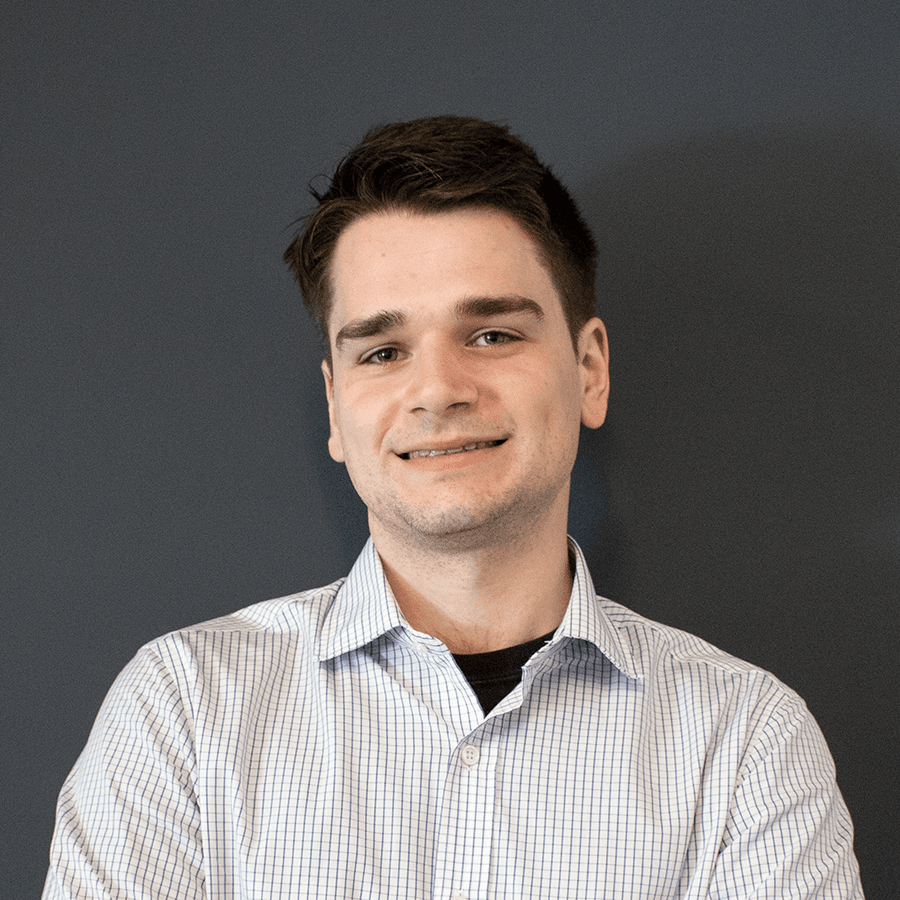
Luca Piacentini

About the Author

Luca Piacentini

Follow

1851 Managing Editor

All Articles

No related articles found