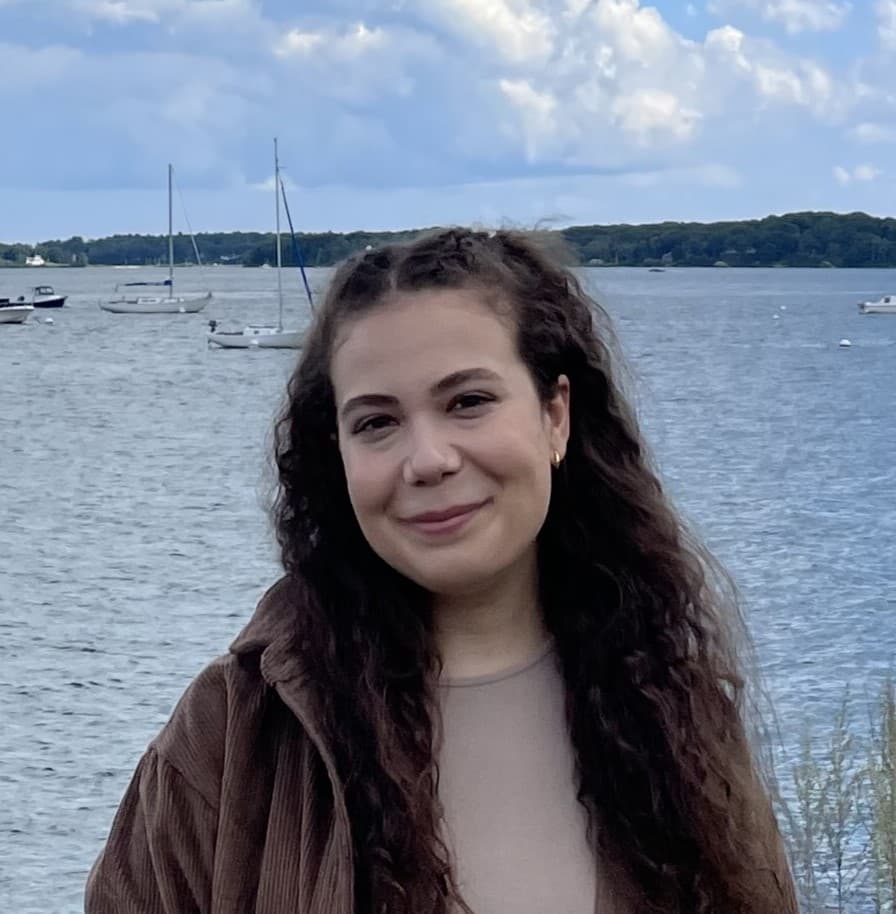
Jennifer Jack-Wunder owns four Comfort Keepers® territories serving Canton, Gainesville, Alpharetta and Cumming, Georgia. She joined the business nearly 16 years ago while attending nursing school, became a partner within her first year and eventually purchased the franchise from its original owner. Today, she leads a team dedicated to helping seniors remain safely and comfortably in their own homes.
“When [the franchise owner] offered me the partnership, it really didn't take long for me to see myself in that role,” she said. “But I was also raised with values that taught me to treat every business like it was my own. My parents always told me that no matter what you do or who you work for, whether you're a janitor or a CEO, you do your best and you treat it like it's your own business. Because of that mindset, by the time I actually owned a business, I already had years of experience acting like an owner.”
Jack-Wunder believes the same care shown to clients should also be extended to caregivers. She has built a workplace centered on long-term relationships, personal support and a family culture where employees feel valued both professionally and personally.
“If you want to provide a personalized experience in someone's home, you have to create that same culture in your office,” Jack-Wunder said. “Everyone should feel like they have a voice. Everyone should feel appreciated and valued.”
Her approach to leadership was reinforced while helping care for her grandmother during a 10-year battle with Alzheimer's disease. That experience strengthened her belief that most seniors want to remain at home and reminded her that the greatest reward in senior care comes from improving someone's quality of life.
“Don't go into this career only because of the financial opportunity. Of course there's a financial component, but do it because you love serving others. If you truly enjoy helping people and seeing that your work has improved someone's quality of life, you'll love this business, even on the hard days.”
Jack-Wunder joined 1851 Franchise Publisher Nick Powills on a recent episode of the “Meet the Franchise” podcast. A transcript of her interview, provided below, has been edited for brevity, clarity and AP style.
Nick Powills: How did you accidentally find your way into franchising?
Jennifer Jack-Wunder: I was in the hospitality industry when the 2008 financial crisis happened. I told my husband I probably needed to go into health care because it was more recession-proof. Health care was something I'd been involved in through high school, and I'd originally planned to pursue it before changing my mind in college because hospitality seemed more inviting and fun.
But I missed certain aspects of health care, especially the one-on-one relationships and hearing people's stories. So I went back to school to earn my nursing degree. While I was in nursing school, I found an opportunity with Comfort Keepers and applied. The franchise owner, Allen White, initially said, "I think this individual is overqualified." I'd been in management, was a managing partner and had owned my own business in hospitality. But the recruiter encouraged him to talk with me.
We talked, and I explained that my plan was to leave hospitality, go back into health care and become a nurse because of the economy and what I really wanted to do with my life. He decided to give it a try.
Less than a year later, he asked, "What would you think about becoming a partner?" That wasn't part of my strategy, but it was a great opportunity. I came on as a partner, and eventually I became his retirement plan. He retired, and I bought him out. Our franchise has been around for 24 years. Next year will be our 25th anniversary. I've been part of it for almost 16 years.
Powills: How many territories do you have now?
Jack-Wunder: We have four territories in north Georgia. We serve Canton, Gainesville, Alpharetta and Cumming.
Powills: Once you joined Comfort Keepers, how quickly did the emotional side of the business become real for you?
Jack-Wunder: It's funny you say that because I feel like God knows what's going to happen in our lives before we do. Shortly after I joined Comfort Keepers, my grandmother was diagnosed with Alzheimer's disease. My grandmother was like a second mom to me. She poured so much love into my life. I always tell people that anything good about me came from my parents and my grandparents. They were just salt-of-the-earth people.
Because I was already with Comfort Keepers, I had some knowledge of what Alzheimer's would look like. The tools, resources and education I needed to help care for her all came through this opportunity that I never knew I was going to need.
We cared for her at home for 10 years. I call it the story of the fishes and loaves because my grandfather died young. My grandmother was raising one of my uncles, who was disabled, and they didn't have many financial resources. As a family, we all came together, and because of what I'd learned through Comfort Keepers, I was able to help in a significant way.
That experience really opened my heart even more to serving seniors. I come from a big family. We still have Sunday dinners. There are about 30 of us who regularly gather at my parents' house. But I know many people don't have that kind of support, especially in larger cities. I can't imagine life without my family. Comfort Keepers has allowed me to extend that sense of family to other families who don't have that support system.
Powills: You experienced this both as a business owner and as a granddaughter. How did you process those emotions while also running a business? Did you give yourself permission to feel those emotions, or were you focused on the operational side?
Jack-Wunder: My grandmother has since passed away. As I said, we cared for her for 10 years. People assume that because I'm a nurse, I own a senior care business and I was caring for my grandmother, I must have had all the answers. I tell people, "No. I'm a human being just like you." I feel sad. I feel happy. There are good days and bad days. I actually think that gives families peace because they realize it's okay for them to feel those emotions too.
One story always comes to mind. At the time, I was running the business and spending certain nights at my grandmother's house because our family rotated caregiving responsibilities. One night I was exhausted after a long workday and slept through the night. While I was sleeping, she got up and took my car keys.
The next morning, I couldn't find them anywhere. I had a major meeting I couldn't miss. My mom came over, and we searched the house from top to bottom. Eventually I had to call a locksmith. It was frustrating. A few days later, it was my turn to stay with her again. I was making her lunch and asked, "Do you want a pickle with your sandwich?" She said, "Oh yes, I love pickles." I reached into the pickle jar and thought, "What is this?" It was my car keys.
I tell that story to families because there are days when they just want to cry. They feel like they're not doing enough. I can relate to those feelings. I tell them it's okay to be upset or sad. Now that I'm on the other side of that journey, I look back at those moments with warmth. I wouldn't trade that time with my grandmother for anything. I'm grateful I was able to be there for her.
Powills: When we were kids, we thought people got old and went to a nursing home. If you go back 25 years, in-home senior care was still in its infancy. Today, people understand that they can remain at home, surrounded by what's familiar, even if they have significant health challenges. Are you amazed by how far the industry has come?
Jack-Wunder: Absolutely. Even before Comfort Keepers, I worked in a nursing home while I was in high school. I'd go to school during the day and then work afternoons at the nursing home. I started when I was 15 with a work permit.
I loved hearing people's stories, but what always stood out to me was how much they missed home. They missed the pictures on the wall. They missed being surrounded by the things that meant something to them. That always made me sad.
Even back then, I wondered why people couldn't stay at home instead. It was just a thought I had as a 15-year-old, but here we are years later, and that's exactly what's become possible. People have always wanted to stay at home. They just didn't think they could.
Even today, I meet people who say, "Once you reach a certain point, you can't stay at home anymore." I tell them that's simply not true. You can literally take your last breath at home if that's what you want. There are resources available to make that possible. Everyone's journey is different, but I don't know many people who look forward to moving into a nursing home. Most of us would rather remain at home.
Powills: As you became a partner and eventually a business owner, when did you start thinking of yourself as an entrepreneur instead of an employee? How long did it take you to give yourself permission to see yourself that way?
Jack-Wunder: I've probably been known as an innovator my whole life. Even as an employee, I was the person who would come in and say, "Have you ever thought about doing this?" I've been blessed with great leaders and managers who gave me the opportunity to share ideas.
So when Allen offered me the partnership, it really didn't take long for me to see myself in that role. But I was also raised with values that taught me to treat every business like it was my own. My parents always told me that no matter what you do or who you work for, whether you're a janitor or a CEO, you do your best and you treat it like it's your own business. Because of that mindset, by the time I actually owned a business, I already had years of experience acting like an owner.
Powills: Walk us through a typical day. What does life look like as the business owner? If someone visits a franchise development website, they usually see pictures of caregivers more than owners. Prospective franchisees often wonder what their day-to-day life would actually look like. Paint that picture for us.
Jack-Wunder: I'm an early riser. I get up early, have some quiet time and start my day. My son is in the military and has a family of his own. He's away for training right now, so every morning I send him and my grandkids a text wishing them a great day and encouraging them.
Then I come to work and make it a priority to greet everyone in the office. I check in with them before I ever open my email or step into a meeting. I want to know how they're doing and how their week is going. After that, it's the normal routine of emails, meetings and checking in throughout the day. Around here we call ourselves the "CK family."
Many of our employees have been with us for a very long time. Some have been here longer than I have. We have a caregiver who's been with us for 16 years. She cared for the same client for 12 years. She started by taking her to get her hair done and playing bingo with her. As that client's needs progressed to 24-hour care, she stayed with her throughout that entire journey.
That family culture is very important to us. We celebrate birthdays, work anniversaries and accomplishments. We recently threw a housewarming party for three employees who had just purchased their first homes.
If you want to provide a personalized experience in someone's home, you have to create that same culture in your office. Everyone should feel like they have a voice. Everyone should feel appreciated and valued.
That's what's most important to me, not just for our clients but especially for our caregivers and staff. We're in an industry with a caregiver shortage. We want people who truly have a heart for this work, and they need to want to stay.
Building that family culture means showing our team that we're here for them professionally and personally. There have been many times when employees have gone through difficult situations in their personal lives, and I've simply said, "I'm here. Whatever you need. If you need extra time off or support, we'll help you through it."
I think there's a declining work ethic and passion for serving others in some places, but I also think that's because people aren't always experiencing that kind of support themselves. Once someone experiences a culture where people genuinely care about them, they're much more likely to care for others because someone first cared for them.
Powills: What challenges do you face as a business owner, and how do you overcome them?
Jack-Wunder: As we've grown, my biggest concern has been making sure we don't lose that family feeling. We've been around a long time, and we've grown substantially. I don't want us to become so large that people no longer feel personally connected.
I think about the difference between a small hometown store and a huge retailer. Can you continue to grow while maintaining that close-knit culture? Then I look at companies like Google that have grown tremendously but still work hard to create a culture where people feel appreciated, valued and have a good quality of work life.
For me, the biggest challenge is developing our leadership team so they continue promoting that family experience. My job is to teach other leaders how to carry that culture forward. In many ways, you're always preparing someone else to eventually take your place. Whether that's years from now or decades from now, you're constantly developing people. As we grow, I want to make sure our culture stays strong.
Powills: Do you ever visit clients?
Jack-Wunder: I love having the opportunity. I tell my team that if there's ever a crisis or they can't get coverage, they should call me. I'm a people person, so I enjoy getting out into the field. I don't do client intakes as often as I did when we were smaller, but I still enjoy being involved.
A few months ago, a family needed coverage while they were on vacation. We had promised them there wouldn't be any gaps in care. One caregiver became sick, and I happened to be the closest person available.
Everyone in our office who works with client schedules or in a client-facing leadership role is trained as either a certified PCA or CNA. That way, we can all step in if needed. So I put on my scrubs, went to the client's home and stayed for about an hour until the next caregiver arrived.
I love those opportunities. It's almost like “Undercover Boss.” I never tell them I'm the owner. I simply introduce myself and say, "Hi, my name is Jennifer, and I'll be here with you today." My favorite part is when someone says, "You were so wonderful. We're going to call the office and tell the owner what a great job you did." That's the biggest compliment I can receive. I don't do it as often as I used to, but I enjoy getting out into the field. As a nurse, it's important for me to stay connected to the work.
Powills: My last question is for someone who's thinking about becoming a business owner, specifically with Comfort Keepers or in senior care. What advice would you give someone who's on the fence?
Jack-Wunder: The industry continues moving toward home care. More people understand that there are resources, technology and support systems that allow them to remain in their homes. It's a great industry to be in.
There will be days when you're overwhelmed, especially as a new franchise owner. On those days, stop, take a breath and remember the impact you've made. Remember that you helped keep Mrs. Susie in the home she loved, surrounded by pictures of her grandchildren and next to her husband. Celebrate those wins because they'll carry you through the difficult days.
Sometimes in America we paint a picture that business ownership is glamorous and that once you own a business, life becomes easy. Anyone who's owned a business knows that's not true. You have to put in the work. You have to care deeply about what you're doing.
Don't go into this career only because of the financial opportunity. Of course there's a financial component, but do it because you love serving others. If you truly enjoy helping people and seeing that your work has improved someone's quality of life, you'll love this business, even on the hard days.
Powills: I love that because it's obvious how deeply you care about this work. That emotional connection drives great business performance. You've grown to four territories. You went from employee to partner to owner. The original owner trusted you to carry on the legacy of the business, and you did.
It's a wonderful story. Jennifer, thank you so much for sharing it with me today.
Jack-Wunder: Thank you, Nick. It's been a pleasure.
Watch the episode above or on YouTube.