For some families, Thanksgiving and Christmas are the only times of year they get to spend several days together. During those visits, adult children might notice that a parent is moving more slowly, having trouble with stairs or forgetting things more often. These are changes that don't always come up during a phone call, and they can leave families wondering whether mom or dad needs some extra help at home.

"Sometimes families will start to actually see the changes in their elderly parents, whether they're physical changes, whether they're mental or emotional changes," said Scott Oaks, vice president of franchise development at Comfort Keepers®. "Those real in-person observations can really start to trigger those types of conversations with either their parents or their siblings."

Warning Signs to Watch for During Holiday Visits

Some changes are easy to overlook when families aren't together regularly. Oaks encourages adult children to pay attention to memory, mobility and emotional well-being.

A parent might repeatedly forget names, lose track of conversations or struggle to navigate stairs. Other signs include difficulty eating independently, more frequent bathroom trips or noticeable changes in mood.

“An isolated incident of forgetfulness may not be cause for concern. It happens to all of us,” Oaks said. “But when you start noticing these things repeatedly during a family gathering, it may be a sign that something more is going on.”

Loneliness can also become more apparent during holiday visits. Parents who rarely leave home or seem withdrawn may benefit from regular companionship and opportunities to socialize.

Starting the Conversation About Care

If family members notice something concerning, Oaks suggests starting by talking with their parent. Ask how things are going at home, whether certain tasks have become more difficult and if there's anything they could use help with.

“The first thing you need to do is sit down and talk with the person you think might need care,” Oaks said. “It's also important to talk with siblings or other family members who spend time with them to see if they're noticing the same changes.”

Oaks said families should be sensitive when bringing up the subject and make sure their parents understand they're trying to help, not take away their independence. If there are concerns about memory or physical health, families should also consider speaking with their parent's doctor.

How Comfort Keepers Helps Seniors Remain Independent

For families concerned about leaving an aging parent alone after the holidays, Comfort Keepers offers personalized in-home care based on each person's needs. Services include companionship, meal preparation, light housekeeping, medication reminders, transportation and assistance with personal care. The company also offers specialized support, including Alzheimer's and dementia care, respite care and 24-hour care.

“In-home care can cover a lot of different needs,” Oaks said. “Sometimes it's simply about companionship, having someone come in to spend time with them, take them to social events or help with everyday activities like grocery shopping or cooking together.”

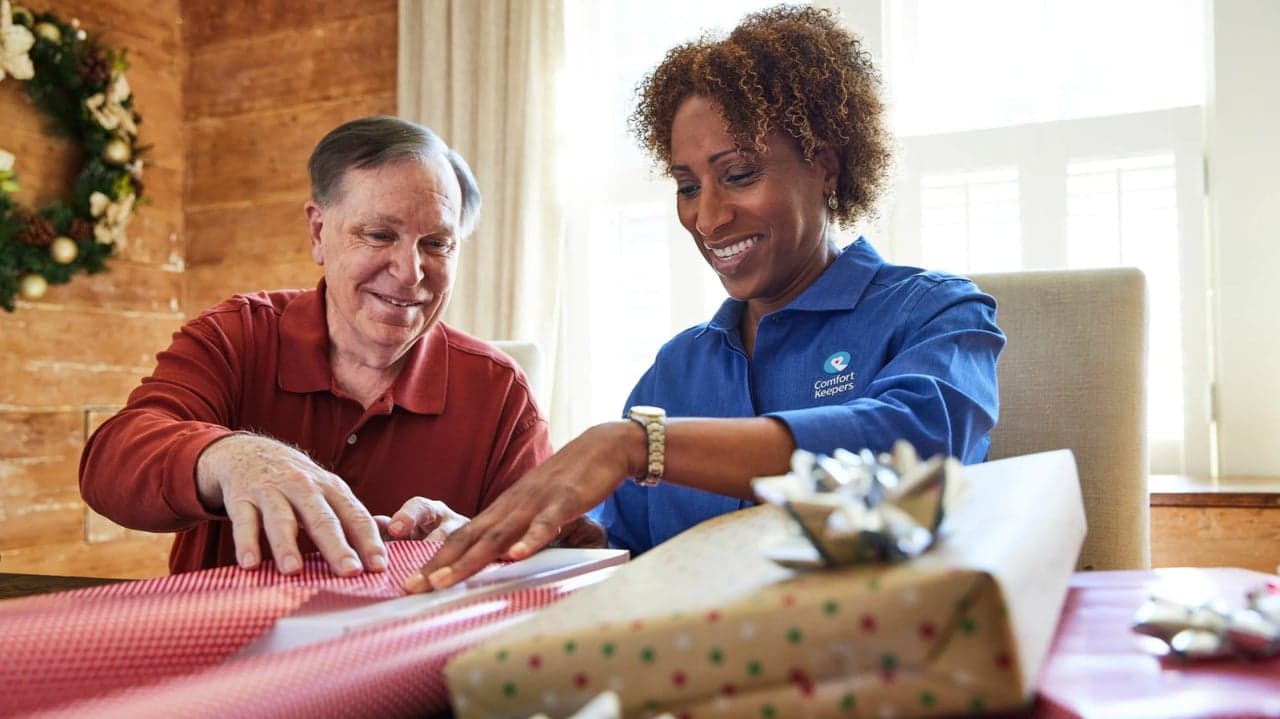
Comfort Keepers encourages seniors to participate in activities rather than having everything done for them. Caregivers might prepare meals alongside clients, enjoy hobbies together or accompany them on outings. The focus is on maintaining independence while supporting physical, mental and emotional well-being.

Comfort Keepers also develops individualized care plans that can change as a senior's needs evolve. Families can begin with an in-home assessment to determine what level of assistance would be most helpful.

Peace of Mind After the Holidays

Heading home after the holidays can be difficult when adult children are concerned about how their parents are managing on their own. Regular caregiver visits can help seniors with everyday tasks while keeping family members informed about how they're doing.

“Families have peace of mind knowing someone is checking in on their loved one regularly,” Oaks said. “When they can't be there every day, having a caregiver who can provide updates and let them know how their parent is doing makes a big difference.”

Families who notice concerning changes this Thanksgiving don't have to make a major decision right away. A conversation with mom or dad, followed by an assessment of their needs, can help determine whether some additional support would make everyday life easier.

To find out more information on costs to buy this franchise, please visit https://1851franchise.com/comfort-keepers.  

Comfort Keepers

SPONSORED
Why the Holidays Are When Many Families Realize Mom or Dad Needs Help

Why the Holidays Are When Many Families Realize Mom or Dad Needs Help

Holiday visits can reveal changes in aging parents that families may not notice throughout the year. Comfort Keepers® shares what to watch for and how in-home care can help.

For some families, Thanksgiving and Christmas are the only times of year they get to spend several days together. During those visits, adult children might notice that a parent is moving more slowly, having trouble with stairs or forgetting things more often. These are changes that don't always come up during a phone call, and they can leave families wondering whether mom or dad needs some extra help at home.

"Sometimes families will start to actually see the changes in their elderly parents, whether they're physical changes, whether they're mental or emotional changes," said Scott Oaks, vice president of franchise development at Comfort Keepers®. "Those real in-person observations can really start to trigger those types of conversations with either their parents or their siblings."

Warning Signs to Watch for During Holiday Visits

Some changes are easy to overlook when families aren't together regularly. Oaks encourages adult children to pay attention to memory, mobility and emotional well-being.

A parent might repeatedly forget names, lose track of conversations or struggle to navigate stairs. Other signs include difficulty eating independently, more frequent bathroom trips or noticeable changes in mood.

“An isolated incident of forgetfulness may not be cause for concern. It happens to all of us,” Oaks said. “But when you start noticing these things repeatedly during a family gathering, it may be a sign that something more is going on.”

Loneliness can also become more apparent during holiday visits. Parents who rarely leave home or seem withdrawn may benefit from regular companionship and opportunities to socialize.

Starting the Conversation About Care

If family members notice something concerning, Oaks suggests starting by talking with their parent. Ask how things are going at home, whether certain tasks have become more difficult and if there's anything they could use help with.

“The first thing you need to do is sit down and talk with the person you think might need care,” Oaks said. “It's also important to talk with siblings or other family members who spend time with them to see if they're noticing the same changes.”

Oaks said families should be sensitive when bringing up the subject and make sure their parents understand they're trying to help, not take away their independence. If there are concerns about memory or physical health, families should also consider speaking with their parent's doctor.

How Comfort Keepers Helps Seniors Remain Independent

For families concerned about leaving an aging parent alone after the holidays, Comfort Keepers offers personalized in-home care based on each person's needs. Services include companionship, meal preparation, light housekeeping, medication reminders, transportation and assistance with personal care. The company also offers specialized support, including Alzheimer's and dementia care, respite care and 24-hour care.

“In-home care can cover a lot of different needs,” Oaks said. “Sometimes it's simply about companionship, having someone come in to spend time with them, take them to social events or help with everyday activities like grocery shopping or cooking together.”

Comfort Keepers encourages seniors to participate in activities rather than having everything done for them. Caregivers might prepare meals alongside clients, enjoy hobbies together or accompany them on outings. The focus is on maintaining independence while supporting physical, mental and emotional well-being.

Comfort Keepers also develops individualized care plans that can change as a senior's needs evolve. Families can begin with an in-home assessment to determine what level of assistance would be most helpful.

Peace of Mind After the Holidays

Heading home after the holidays can be difficult when adult children are concerned about how their parents are managing on their own. Regular caregiver visits can help seniors with everyday tasks while keeping family members informed about how they're doing.

“Families have peace of mind knowing someone is checking in on their loved one regularly,” Oaks said. “When they can't be there every day, having a caregiver who can provide updates and let them know how their parent is doing makes a big difference.”

Families who notice concerning changes this Thanksgiving don't have to make a major decision right away. A conversation with mom or dad, followed by an assessment of their needs, can help determine whether some additional support would make everyday life easier.

To find out more information on costs to buy this franchise, please visit https://1851franchise.com/comfort-keepers.  
Don’t Miss the Next Big Franchise Story

Sign up for the 1851 Franchise newsletter to get our biggest stories before everyone else

By signing up, you agree to our user agreement (including class action waiver and arbitration provisions), and acknowledge our privacy policy.

Victoria Campisi

About the Author

Victoria Campisi

Follow

All Articles

No related articles found