
GoodSpark
SPONSORED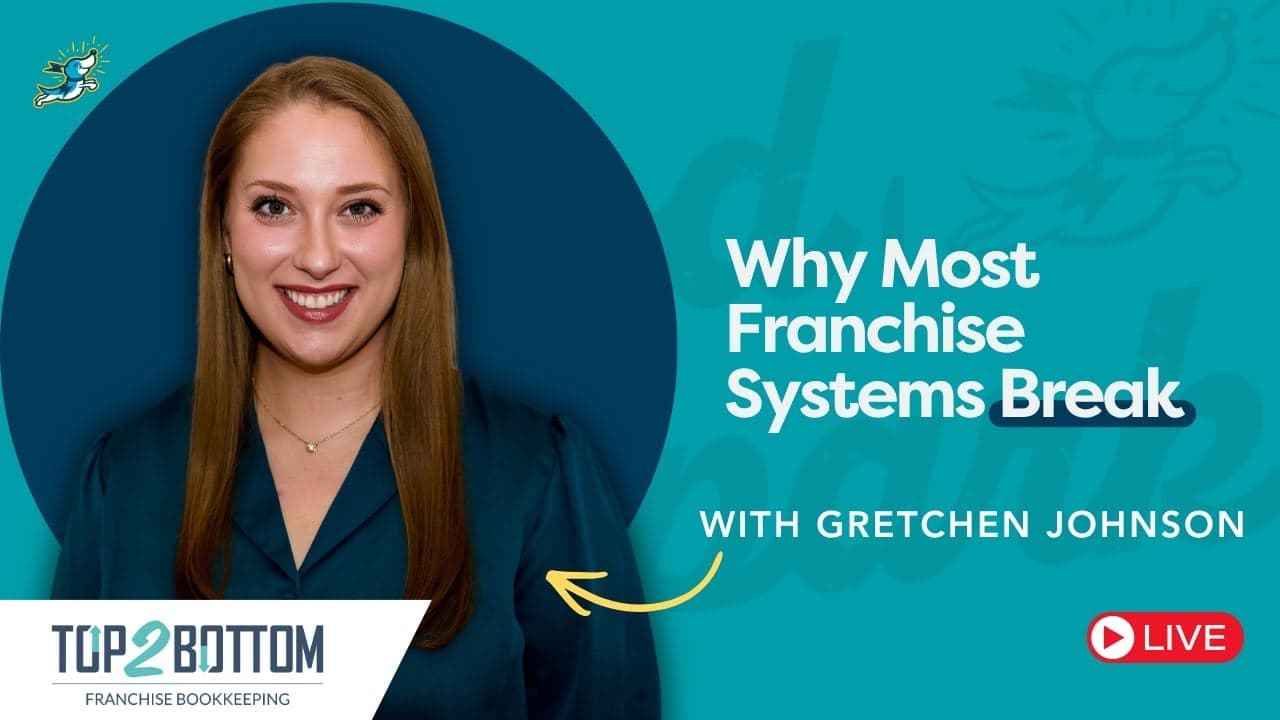
Why Franchise Systems Break And How to Fix What’s Holding You Back
A lot of common issues in franchising stem from poor data collection, no standardization in reporting and not using data to coach franchise owners well.
It’s easy for franchisors to assume that once they start selling units, growth will come naturally. But in reality, the success of a franchise system depends less on how many locations are sold and more on how well those locations perform over time.
One of the biggest downfalls of emerging brands is their failure to use franchisee data effectively.
“It all comes down to franchisee profitability,” said GoodSpark Franchise Growth Accelerator CEO Charles Internicola on a recent podcast. “And for franchise systems, sometimes the biggest disconnect is getting to the franchisee data and your most important obligation, which is coaching franchisees to profitability, which enhances your royalties and creates validation.”
The issue for many brands is not really a lack of data, but a lack of consistency. Franchisees might report financials at different times, use different general ledger structures or fail to provide complete information altogether. That level of inconsistency makes it hard to create an Item 19.
“We are on the tail end of FDD renewal season, and we are always reiterating with our clients, the most important thing you can do is tell a story with the data,” said Gretchen Johnson, franchise relationship manager at Top 2 Bottom Business Solutions. “Don't just slap copies of PNLs into Item 19. Help paint the picture for what you want prospective franchisees looking at your system to see.”
Without standardized data, franchisors have to compare incomplete or mismatched data, which makes putting together an Item 19 difficult and limits their ability to coach franchisees and identify problems early.
Start by ensuring that every franchisee uses the same chart of accounts and reports on the same cadence. Johnson said this is often one of the first issues her team addresses when working with franchise brands.
“I think it comes down to a very foundational level of are all of your franchisees using the same chart of accounts?” she said. “Most brands have one put together. They provide it to their franchisees, but then it's a matter of whether their bookkeeper adheres to that. Are they using that consistently?”
Ensuring that all locations are using the same template from day one is a huge first step. That way, you can compare apples to apples between locations. Brands are also beginning to formalize this by requiring financial reporting as part of their franchise agreements.
There’s also software that automatically aggregates financial data and generates dashboards with key performance indicators. This technology is a great way to get on a schedule without having to put everything in manually.
“We're big proponents of bringing those into systems so that it's an automated process, and on the same day, every month, panels are getting pulled and analysis is being run,” Johnson said.
Collecting data is only the starting point. What’s even more important is how franchisors use that information to coach. One of the most effective strategies is to group franchisees by common factors, giving them a chance to learn from each other and problem-solve.
“We've seen it done based on geography. Different regions in the U.S. have very different landscapes when it comes to cost of living, labor costs, supply costs, shipping costs, and things along those lines. So sometimes it makes sense to break down by geography,” Johnson said. “Other times, it makes sense to break down based on top-line revenue. So your 5 million plus locations, your one to $2 million locations, especially, you know, a lot of brands talk about, how do I get my franchisee to that first million?”
Pairing franchisees together in these groups creates opportunities for peer-to-peer learning, where owners who have solved specific challenges can help others facing the same issues.
Beyond remote coaching, there are times when franchisors should take a more hands-on approach by spending time in local markets, observing operations firsthand and asking employees for feedback to better understand what may be holding a location back.
Every brand is different, but there are a few financial categories that usually show if a franchisee succeeds or struggles. These include:
Marketing, in particular, is often misunderstood.
“Even though it's really painful and hard if you're not seeing that top line revenue yet, the last thing you should cut is your market spend,” Johnson said. “That's what's going to help continue to generate demand for you to this.”
Emerging brands sometimes contribute to the problem by underestimating how much franchisees need to spend in the early stages and not coaching franchisees on how much and where they’re going to spend those marketing dollars.
As franchise systems grow, the brands that really separate themselves are the ones that take the time to build a strong foundation behind the scenes. That usually comes down to having clean, consistent data, being transparent about performance and staying closely involved with franchisees to help them improve.
When you have better data, you make better decisions. Better decisions lead to stronger performance at the unit level, and that’s what drives real growth.
Watch the full podcast above or on YouTube.
For more information on GoodSpark and its services for developing franchises, visit https://www.goodsparkfranchise.com/.
GoodSpark
SPONSOREDA lot of common issues in franchising stem from poor data collection, no standardization in reporting and not using data to coach franchise owners well.
It’s easy for franchisors to assume that once they start selling units, growth will come naturally. But in reality, the success of a franchise system depends less on how many locations are sold and more on how well those locations perform over time.
One of the biggest downfalls of emerging brands is their failure to use franchisee data effectively.
“It all comes down to franchisee profitability,” said GoodSpark Franchise Growth Accelerator CEO Charles Internicola on a recent podcast. “And for franchise systems, sometimes the biggest disconnect is getting to the franchisee data and your most important obligation, which is coaching franchisees to profitability, which enhances your royalties and creates validation.”
The issue for many brands is not really a lack of data, but a lack of consistency. Franchisees might report financials at different times, use different general ledger structures or fail to provide complete information altogether. That level of inconsistency makes it hard to create an Item 19.
“We are on the tail end of FDD renewal season, and we are always reiterating with our clients, the most important thing you can do is tell a story with the data,” said Gretchen Johnson, franchise relationship manager at Top 2 Bottom Business Solutions. “Don't just slap copies of PNLs into Item 19. Help paint the picture for what you want prospective franchisees looking at your system to see.”
Without standardized data, franchisors have to compare incomplete or mismatched data, which makes putting together an Item 19 difficult and limits their ability to coach franchisees and identify problems early.
Start by ensuring that every franchisee uses the same chart of accounts and reports on the same cadence. Johnson said this is often one of the first issues her team addresses when working with franchise brands.
“I think it comes down to a very foundational level of are all of your franchisees using the same chart of accounts?” she said. “Most brands have one put together. They provide it to their franchisees, but then it's a matter of whether their bookkeeper adheres to that. Are they using that consistently?”
Ensuring that all locations are using the same template from day one is a huge first step. That way, you can compare apples to apples between locations. Brands are also beginning to formalize this by requiring financial reporting as part of their franchise agreements.
There’s also software that automatically aggregates financial data and generates dashboards with key performance indicators. This technology is a great way to get on a schedule without having to put everything in manually.
“We're big proponents of bringing those into systems so that it's an automated process, and on the same day, every month, panels are getting pulled and analysis is being run,” Johnson said.
Collecting data is only the starting point. What’s even more important is how franchisors use that information to coach. One of the most effective strategies is to group franchisees by common factors, giving them a chance to learn from each other and problem-solve.
“We've seen it done based on geography. Different regions in the U.S. have very different landscapes when it comes to cost of living, labor costs, supply costs, shipping costs, and things along those lines. So sometimes it makes sense to break down by geography,” Johnson said. “Other times, it makes sense to break down based on top-line revenue. So your 5 million plus locations, your one to $2 million locations, especially, you know, a lot of brands talk about, how do I get my franchisee to that first million?”
Pairing franchisees together in these groups creates opportunities for peer-to-peer learning, where owners who have solved specific challenges can help others facing the same issues.
Beyond remote coaching, there are times when franchisors should take a more hands-on approach by spending time in local markets, observing operations firsthand and asking employees for feedback to better understand what may be holding a location back.
Every brand is different, but there are a few financial categories that usually show if a franchisee succeeds or struggles. These include:
Marketing, in particular, is often misunderstood.
“Even though it's really painful and hard if you're not seeing that top line revenue yet, the last thing you should cut is your market spend,” Johnson said. “That's what's going to help continue to generate demand for you to this.”
Emerging brands sometimes contribute to the problem by underestimating how much franchisees need to spend in the early stages and not coaching franchisees on how much and where they’re going to spend those marketing dollars.
As franchise systems grow, the brands that really separate themselves are the ones that take the time to build a strong foundation behind the scenes. That usually comes down to having clean, consistent data, being transparent about performance and staying closely involved with franchisees to help them improve.
When you have better data, you make better decisions. Better decisions lead to stronger performance at the unit level, and that’s what drives real growth.
Watch the full podcast above or on YouTube.
For more information on GoodSpark and its services for developing franchises, visit https://www.goodsparkfranchise.com/.
Sign up for the 1851 Franchise newsletter to get our biggest stories before everyone else
By signing up, you agree to our user agreement (including class action waiver and arbitration provisions), and acknowledge our privacy policy.

No related articles found