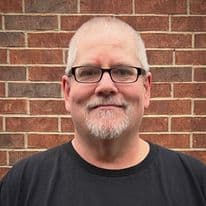
1851 Franchise: You've grown from one center to 17 open locations, with four more in development. What made now the right time to commit to a 46-unit agreement, and what gave you the confidence to scale at that level?

Mike Reyes: Four years ago, NextGen was one KidStrong center on Long Island. Today, we have 17 centers open across six states, four more under construction, and a platform built to support the next phase of growth.

The confidence to commit to 46 units really came from repetition. We've opened, acquired, and operated centers across very different markets, and we've seen the model work when it's executed the right way. We've also made mistakes along the way and learned a lot from them.

At some point, you stop asking whether the model can scale and start asking whether you've built the company and team capable of scaling it. I believe we have.

So 46 units wasn't a leap of faith for us. It felt like the next logical step based on what we've built and where we believe KidStrong can go. I'm incredibly confident in our team at NextGen. We have great people, a proven operating system, and a clear roadmap. Now we have to execute.

1851: You've said you're "either all in or all out." How does signing an agreement this size change how you think about your role in the business day to day?

Reyes: I've always been all in or all out, so the ADA is really just me putting that philosophy on paper and building the business plan.

What has changed dramatically is my role. When we had one or two centers, I could be involved in almost everything. At this scale, my responsibility isn't to run individual centers anymore. It's to build the company and support the people who run them.

That means building leadership, driving our growth strategy, exploring M&A opportunities, developing new markets, and making sure we're protecting the things that ultimately determine whether this company succeeds. That's coaching quality, leadership development, brand standards, and most importantly, the family experience.

We're obsessed with creating what I call a 7-star family experience. I want families to feel something different when they walk into one of our centers, and I want them to feel even better when they leave.

I can't be everywhere anymore, and I shouldn't be. My job is to make sure we have great people in those buildings and give them the tools and support they need to be successful. That allows me to stay focused on the bigger vision for NextGen.

1851: What did watching other multi-unit KidStrong operators teach you that shaped how you structured your own development schedule?

Reyes: One of the biggest advantages we have in this system is the ability to learn from each other.

Being part of KidStrong's Franchise Advisory Council gives me access to a great network of franchisees. I pay attention to the operators who are winning, what they're doing differently, and where they're struggling. I also try to be very open about what's working at NextGen and the mistakes we've made along the way.

Nobody has all the answers. The best operators I've met are constantly learning, testing ideas, and sharing what's working.

I really believe a rising tide lifts all boats. If one franchisee figures out a better way to recruit coaches, retain families, or improve the experience, we should all be learning from it. The stronger the KidStrong system gets, the better it is for all of us.

1851: Running 46 centers takes different infrastructure than running a handful. How are you building the leadership bench to support that growth without losing what makes each center work?

Reyes: Running 46 centers is a completely different business from running a few. You can't fake the infrastructure, and you can't wait until you have 46 centers to start building it.

We've intentionally invested ahead of the growth. NextGen has executive leadership, regional and area leadership, center leadership, and people in specific departments who really own what they do. We've spent a lot of time building that platform because I don't think you can scale first and then figure out the infrastructure later.

Having built a few companies, one thing I've learned is that growth itself isn't the goal. Growing at the right pace and being able to support that growth is what matters.

I think one of the biggest advantages we have today is that we're not trying to build the team for 46 centers after the fact. We're building it now. We have people thinking about operations, training, sales, marketing, finance, development, and the family experience every day. That allows our center leaders to focus on running great centers.

My goal is for NextGen to become a place where really talented people want to build their careers. I want someone to be able to join us at the center level and see a path to becoming an area manager, regional leader, or even an executive in the company someday.

But no matter how big we get, everything comes back to what happens inside the center.

A center lives or dies based on the coach on the floor and how a family feels when they walk out the door. Everything we've built at NextGen exists to support that coach, develop our leaders, and create a better experience for our families.

1851: Site selection and demographics have been central to your approach. As you map dozens of new locations, how are you deciding which markets to enter and in what order?

Reyes: We don't want to just put dots on a map. We want to build markets.

Being first to market is great, but you still have to be disciplined about where you go. You don't want to cannibalize your existing centers just for the sake of opening another location. At the same time, when we identify those other A markets, the real bullseyes on the map, we want to secure them before somebody else does.

That's a big part of how we think about development. Find the best markets, protect the territory, and then be smart about how you infill over time as the brand and customer base grow.

Obviously, the fundamentals still have to work. We need young families, the right demographics, density, accessibility, and good real estate. But a great demographic report by itself doesn't automatically make a great center.

We also think a lot about clustering. I'd rather build around markets where we already have leadership, brand awareness, recruiting infrastructure, and operational support than open a center by itself just because we found a great piece of real estate.

When you stay tight geographically, your leadership can support multiple centers, recruiting gets easier, marketing becomes more efficient, and the brand becomes more recognizable.

So for us, it's really a balance. Get into the best A markets early, don't cannibalize what you've already built, and leave yourself room to strategically infill later.

We're not just trying to open locations. We're trying to build and protect strong markets for the long term.

1851: For an operator weighing a large development agreement against growing one center at a time, what's the first thing you'd tell them to consider?

Reyes: Be honest with yourself about what you actually want to build.

Running a great center and building a multi-unit company are two completely different jobs. There's nothing wrong with either one, but they require different skills and eventually a different mindset.

The biggest transition for me was realizing that I couldn't be the answer to every problem anymore. If every decision has to come through me, then I haven't really built a scalable company.

My job now is to develop people who can make great decisions without me being in the room.

So before signing a big development agreement, I wouldn't just think about the territory or whether you have the money to do it. I'd ask yourself whether you can recruit great people, develop leaders, build systems, hold people accountable, and then trust those people to execute.

Capital can help you grow, but capital doesn't build a company. People do.

If you can build the team and the infrastructure, scale can become a huge advantage. If you can't, more locations can just create more problems.

1851: You've said KidStrong is about more than unit economics. When you picture all your centers open, what does that footprint mean for the families and communities you'll reach?

Reyes: The unit count has never been what excites me the most.

When I think about 46 centers, I think about tens of thousands of kids up and down the East Coast walking into KidStrong, doing something they didn't think they could do, and walking out a little more confident than when they came in.

I also think about the hundreds of employees and future leaders who are going to grow with NextGen. Seeing talented young professionals join our company, take on bigger responsibilities, and realize what they're capable of is one of the most exciting parts of this for me.

We talk about the "I, We and They" model a lot.

"I" is about developing yourself. "We" is about what we accomplish together. But "They" is about the impact we have on other people.

The "They" is what excites me.

Every KidStrong center gives a parent the opportunity to watch their child do something they weren't sure they could do. If we can create that moment for tens of thousands of families while also creating careers and opportunities for hundreds of people inside our company, then we're building something much bigger than 46 locations.

That's what I care about building.

KidStrong Franchising, LLC

SPONSORED
KidStrong Franchise Owner Mike Reyes Signs Area Development Agreement for 46 Units

KidStrong Franchise Owner Mike Reyes Signs Area Development Agreement for 46 Units

With 17 centers open and four more underway, the former enterprise sales leader is preparing to take NextGen Holdings into its biggest growth phase to date.

1851 Franchise: You've grown from one center to 17 open locations, with four more in development. What made now the right time to commit to a 46-unit agreement, and what gave you the confidence to scale at that level?

Mike Reyes: Four years ago, NextGen was one KidStrong center on Long Island. Today, we have 17 centers open across six states, four more under construction, and a platform built to support the next phase of growth.

The confidence to commit to 46 units really came from repetition. We've opened, acquired, and operated centers across very different markets, and we've seen the model work when it's executed the right way. We've also made mistakes along the way and learned a lot from them.

At some point, you stop asking whether the model can scale and start asking whether you've built the company and team capable of scaling it. I believe we have.

So 46 units wasn't a leap of faith for us. It felt like the next logical step based on what we've built and where we believe KidStrong can go. I'm incredibly confident in our team at NextGen. We have great people, a proven operating system, and a clear roadmap. Now we have to execute.

1851: You've said you're "either all in or all out." How does signing an agreement this size change how you think about your role in the business day to day?

Reyes: I've always been all in or all out, so the ADA is really just me putting that philosophy on paper and building the business plan.

What has changed dramatically is my role. When we had one or two centers, I could be involved in almost everything. At this scale, my responsibility isn't to run individual centers anymore. It's to build the company and support the people who run them.

That means building leadership, driving our growth strategy, exploring M&A opportunities, developing new markets, and making sure we're protecting the things that ultimately determine whether this company succeeds. That's coaching quality, leadership development, brand standards, and most importantly, the family experience.

We're obsessed with creating what I call a 7-star family experience. I want families to feel something different when they walk into one of our centers, and I want them to feel even better when they leave.

I can't be everywhere anymore, and I shouldn't be. My job is to make sure we have great people in those buildings and give them the tools and support they need to be successful. That allows me to stay focused on the bigger vision for NextGen.

1851: What did watching other multi-unit KidStrong operators teach you that shaped how you structured your own development schedule?

Reyes: One of the biggest advantages we have in this system is the ability to learn from each other.

Being part of KidStrong's Franchise Advisory Council gives me access to a great network of franchisees. I pay attention to the operators who are winning, what they're doing differently, and where they're struggling. I also try to be very open about what's working at NextGen and the mistakes we've made along the way.

Nobody has all the answers. The best operators I've met are constantly learning, testing ideas, and sharing what's working.

I really believe a rising tide lifts all boats. If one franchisee figures out a better way to recruit coaches, retain families, or improve the experience, we should all be learning from it. The stronger the KidStrong system gets, the better it is for all of us.

1851: Running 46 centers takes different infrastructure than running a handful. How are you building the leadership bench to support that growth without losing what makes each center work?

Reyes: Running 46 centers is a completely different business from running a few. You can't fake the infrastructure, and you can't wait until you have 46 centers to start building it.

We've intentionally invested ahead of the growth. NextGen has executive leadership, regional and area leadership, center leadership, and people in specific departments who really own what they do. We've spent a lot of time building that platform because I don't think you can scale first and then figure out the infrastructure later.

Having built a few companies, one thing I've learned is that growth itself isn't the goal. Growing at the right pace and being able to support that growth is what matters.

I think one of the biggest advantages we have today is that we're not trying to build the team for 46 centers after the fact. We're building it now. We have people thinking about operations, training, sales, marketing, finance, development, and the family experience every day. That allows our center leaders to focus on running great centers.

My goal is for NextGen to become a place where really talented people want to build their careers. I want someone to be able to join us at the center level and see a path to becoming an area manager, regional leader, or even an executive in the company someday.

But no matter how big we get, everything comes back to what happens inside the center.

A center lives or dies based on the coach on the floor and how a family feels when they walk out the door. Everything we've built at NextGen exists to support that coach, develop our leaders, and create a better experience for our families.

1851: Site selection and demographics have been central to your approach. As you map dozens of new locations, how are you deciding which markets to enter and in what order?

Reyes: We don't want to just put dots on a map. We want to build markets.

Being first to market is great, but you still have to be disciplined about where you go. You don't want to cannibalize your existing centers just for the sake of opening another location. At the same time, when we identify those other A markets, the real bullseyes on the map, we want to secure them before somebody else does.

That's a big part of how we think about development. Find the best markets, protect the territory, and then be smart about how you infill over time as the brand and customer base grow.

Obviously, the fundamentals still have to work. We need young families, the right demographics, density, accessibility, and good real estate. But a great demographic report by itself doesn't automatically make a great center.

We also think a lot about clustering. I'd rather build around markets where we already have leadership, brand awareness, recruiting infrastructure, and operational support than open a center by itself just because we found a great piece of real estate.

When you stay tight geographically, your leadership can support multiple centers, recruiting gets easier, marketing becomes more efficient, and the brand becomes more recognizable.

So for us, it's really a balance. Get into the best A markets early, don't cannibalize what you've already built, and leave yourself room to strategically infill later.

We're not just trying to open locations. We're trying to build and protect strong markets for the long term.

1851: For an operator weighing a large development agreement against growing one center at a time, what's the first thing you'd tell them to consider?

Reyes: Be honest with yourself about what you actually want to build.

Running a great center and building a multi-unit company are two completely different jobs. There's nothing wrong with either one, but they require different skills and eventually a different mindset.

The biggest transition for me was realizing that I couldn't be the answer to every problem anymore. If every decision has to come through me, then I haven't really built a scalable company.

My job now is to develop people who can make great decisions without me being in the room.

So before signing a big development agreement, I wouldn't just think about the territory or whether you have the money to do it. I'd ask yourself whether you can recruit great people, develop leaders, build systems, hold people accountable, and then trust those people to execute.

Capital can help you grow, but capital doesn't build a company. People do.

If you can build the team and the infrastructure, scale can become a huge advantage. If you can't, more locations can just create more problems.

1851: You've said KidStrong is about more than unit economics. When you picture all your centers open, what does that footprint mean for the families and communities you'll reach?

Reyes: The unit count has never been what excites me the most.

When I think about 46 centers, I think about tens of thousands of kids up and down the East Coast walking into KidStrong, doing something they didn't think they could do, and walking out a little more confident than when they came in.

I also think about the hundreds of employees and future leaders who are going to grow with NextGen. Seeing talented young professionals join our company, take on bigger responsibilities, and realize what they're capable of is one of the most exciting parts of this for me.

We talk about the "I, We and They" model a lot.

"I" is about developing yourself. "We" is about what we accomplish together. But "They" is about the impact we have on other people.

The "They" is what excites me.

Every KidStrong center gives a parent the opportunity to watch their child do something they weren't sure they could do. If we can create that moment for tens of thousands of families while also creating careers and opportunities for hundreds of people inside our company, then we're building something much bigger than 46 locations.

That's what I care about building.

Don’t Miss the Next Big Franchise Story

Sign up for the 1851 Franchise newsletter to get our biggest stories before everyone else

By signing up, you agree to our user agreement (including class action waiver and arbitration provisions), and acknowledge our privacy policy.

Chris Irby

About the Author

Chris Irby

Follow

All Articles

No related articles found