Ask someone to tell you about their brand. Let them talk for less than 5 seconds and cut them off.
That’s PPC (pay per click).

That’s all you get to put in that message.

Pick up a magazine. Flip to the first advertisement you see. Did that tell you the whole story?

Think about the last time you were emotionally hooked by a message. Maybe a Super Bowl ad?

We all know that if you can make an emotional connection with your buyer, you win. That simple. They will be hooked. Then, of course, you better have your operations and service locked in if you want to keep them.

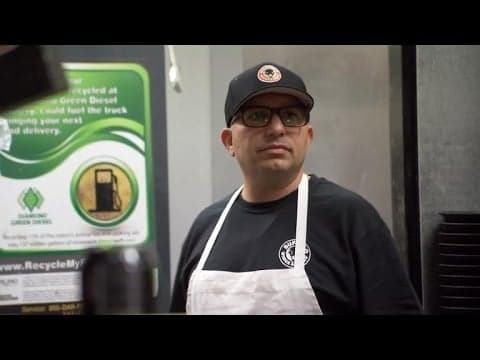
I started thinking a lot about the value of the hit show “Undercover Boss” and why it was so valuable for lead generation. It placed an emotional message in front of a stadium-sized audience who was engaged in the story. The story. Yes, the story.

Now 5 seconds of your brand is great. Not a blurred-out picture of a car zooming by suggesting you buy this luxury fast car. An emotional human interest story (duh, the true value of great PR).

I decided to try to break down the true triggers so that as our agency (No Limit Agency) thought about the prospect or customer’s journey, we could start implementing pieces that would trigger emotion with the right buyers. Here’s what I see:

  1. A human interest story that has all of the journey points of a great story – drama, conflict, resolution.
  2. An hour to tell the story (40 or so minutes with commercials).
  3. Visually appealing content about the brand.
  4. A CEO or executive leader who may not know everything about their brand, but certainly (in most cases) really cares to find out more.
  5. An audience – many who are interested in the mechanics of business and brand.

How can you apply these understandings to your brand marketing?

  1. Many brands (especially franchises) are full of people. It’s not about “eat my burger,” it’s about people lining up to eat the burger and then, most importantly, telling their friends that that burger was great. In that situation, the burger is not the story, the people loving the brand is. The best brands are built from people – and the best brands take their people and leverage them for stories.
  2. An hour on national TV would be a lot, but, with third party content, you can have more time to tell your story the way you want to tell it with the right messages you want to deliver. Content marketing (not simple blogging) when done right can deliver your message in a long-form way so that those who are interested in understanding the mechanics of your business can spend the time reading it. And even if their attention span is not significant, they can capture your message through strong writing – a headline and a good lead.
  3. In today’s digital world, great creative is table stakes. Strong video. Good conversations (in video – not just franchisees saying your brand is great – REAL CONVERSATION). Social media messages that have a voice and a strategy behind them. It’s possible to create great creative at a fraction of yesterday’s costs.
  4. Many brands don’t leverage the leadership – yet, confidence is built on their confidence. Leadership should be a part of the story. Buyers (especially B-to-B) want to understand the vision and mission – and believe in the leadership. Leverage your team in your content.
  5. In today’s digital world, an audience is much easier to define (if, of course, you do the legwork up front to define the audience). You should have several buckets. Introduction to the concept, business or product; those who are at the early stage of decision and can be intercepted (consumer or B-to-B); engaged buyers (current customers or in your pipeline) and cold leads (people who raised their hands, showed some interest, but timing, cost and value may not have aligned). Each audience type can have more focuses within (former sales leaders looking to own their own business; current fans of a sandwich brand who may be willing to try something else). Audience definition will help extend the value of the dollars you spend.

“Undercover Boss” nails advertising and marketing messages with honesty, transparency and messaging. With a little creativity and willingness to think differently, you can cross-apply UCB ideas to your own brand.

Ask someone to tell you about their brand. Let them talk for less than 5 seconds and cut them off.
That’s PPC (pay per click).

That’s all you get to put in that message.

Pick up a magazine. Flip to the first advertisement you see. Did that tell you the whole story?

Think about the last time you were emotionally hooked by a message. Maybe a Super Bowl ad?

We all know that if you can make an emotional connection with your buyer, you win. That simple. They will be hooked. Then, of course, you better have your operations and service locked in if you want to keep them.

I started thinking a lot about the value of the hit show “Undercover Boss” and why it was so valuable for lead generation. It placed an emotional message in front of a stadium-sized audience who was engaged in the story. The story. Yes, the story.

Now 5 seconds of your brand is great. Not a blurred-out picture of a car zooming by suggesting you buy this luxury fast car. An emotional human interest story (duh, the true value of great PR).

I decided to try to break down the true triggers so that as our agency (No Limit Agency) thought about the prospect or customer’s journey, we could start implementing pieces that would trigger emotion with the right buyers. Here’s what I see:

  1. A human interest story that has all of the journey points of a great story – drama, conflict, resolution.
  2. An hour to tell the story (40 or so minutes with commercials).
  3. Visually appealing content about the brand.
  4. A CEO or executive leader who may not know everything about their brand, but certainly (in most cases) really cares to find out more.
  5. An audience – many who are interested in the mechanics of business and brand.

How can you apply these understandings to your brand marketing?

  1. Many brands (especially franchises) are full of people. It’s not about “eat my burger,” it’s about people lining up to eat the burger and then, most importantly, telling their friends that that burger was great. In that situation, the burger is not the story, the people loving the brand is. The best brands are built from people – and the best brands take their people and leverage them for stories.
  2. An hour on national TV would be a lot, but, with third party content, you can have more time to tell your story the way you want to tell it with the right messages you want to deliver. Content marketing (not simple blogging) when done right can deliver your message in a long-form way so that those who are interested in understanding the mechanics of your business can spend the time reading it. And even if their attention span is not significant, they can capture your message through strong writing – a headline and a good lead.
  3. In today’s digital world, great creative is table stakes. Strong video. Good conversations (in video – not just franchisees saying your brand is great – REAL CONVERSATION). Social media messages that have a voice and a strategy behind them. It’s possible to create great creative at a fraction of yesterday’s costs.
  4. Many brands don’t leverage the leadership – yet, confidence is built on their confidence. Leadership should be a part of the story. Buyers (especially B-to-B) want to understand the vision and mission – and believe in the leadership. Leverage your team in your content.
  5. In today’s digital world, an audience is much easier to define (if, of course, you do the legwork up front to define the audience). You should have several buckets. Introduction to the concept, business or product; those who are at the early stage of decision and can be intercepted (consumer or B-to-B); engaged buyers (current customers or in your pipeline) and cold leads (people who raised their hands, showed some interest, but timing, cost and value may not have aligned). Each audience type can have more focuses within (former sales leaders looking to own their own business; current fans of a sandwich brand who may be willing to try something else). Audience definition will help extend the value of the dollars you spend.

“Undercover Boss” nails advertising and marketing messages with honesty, transparency and messaging. With a little creativity and willingness to think differently, you can cross-apply UCB ideas to your own brand.

Don’t Miss the Next Big Franchise Story

Sign up for the 1851 Franchise newsletter to get our biggest stories before everyone else

By signing up, you agree to our user agreement (including class action waiver and arbitration provisions), and acknowledge our privacy policy.

Nick Powills

About the Author

Nick Powills

Follow

Nick Powills, CFE, founded No Limit Agency in 2008 and serves as Chief Brand Strategist for the Chicago-based firm. No Limit is a full-service communications agency that establishes and elevates brands by bridging Public Relations, Social Media, Marketing, Advertising, Digital, and a lot of creativity, to best strategize well-rounded and successful campaigns for 50+ global franchise brands. By presenting visionary ideas and building real relationships, No Limit is able to create effective media branding strategies to help companies grow. Nick currently leads a staff of writers, media strategists, designers, social media experts and digital producers in an office think-tank where brands are humanized for strong, compelling media stories. Prior to starting No Limit at the age of 27, Nick spent four years working at a franchise PR agency where he mastered the art of building rapport with media outlets and creating newsworthy pitches for earned media placements. He holds a Bachelor of Journalism from Drake University in Iowa.

All Articles

No related articles found