
No Limit Agency
SPONSORED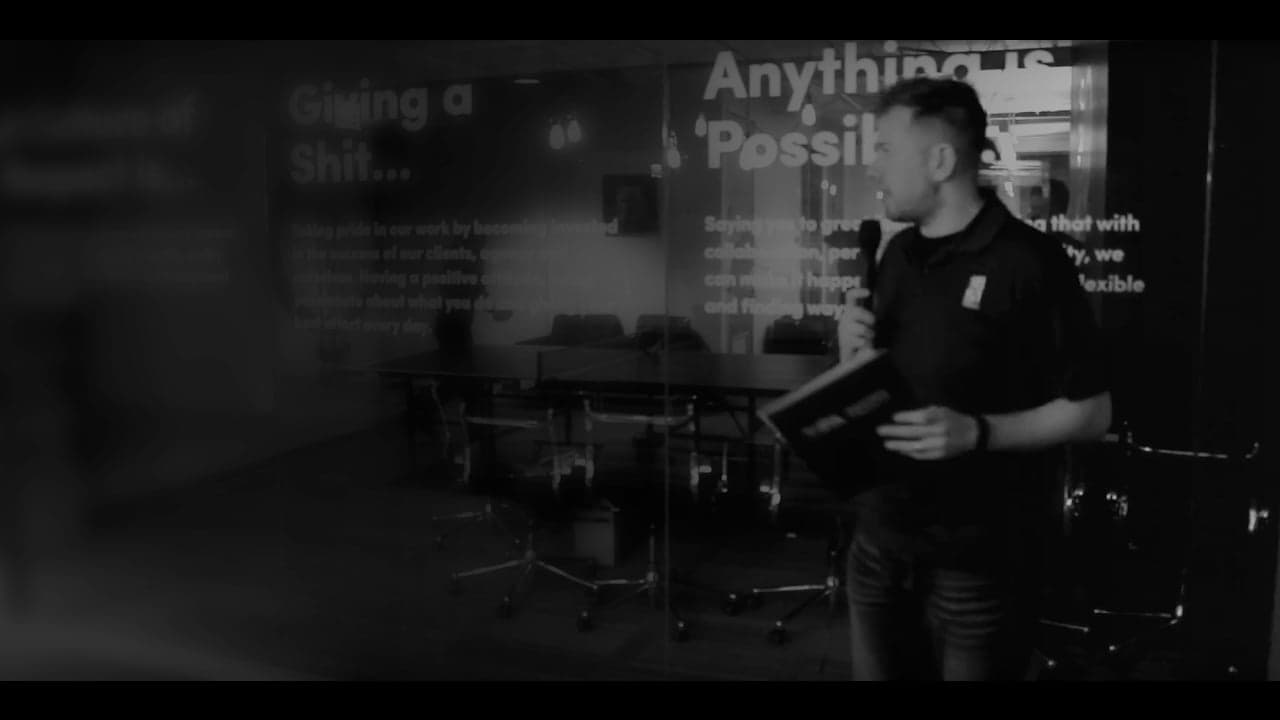
Part 2: Creating Awesome Cultures: When You Create More Staff Collisions, Creativity is Born
Want to create a winning culture? Start by saying “yes” to a team who is willing to create new ideas for your business.
Everyone has creative ideas—it’s just a matter of pulling them out of their brains.
Typically, in a stressed environment, it’s challenging to tap into these ideas—that’s because the brain is typically consumed with more dread than happy thoughts. And a fearful environment will not produce the best ideas—for both the business they are in and the businesses they represent.
Thus, any great idea first has to come from a true happy place, and second, the culture. Sure, hiring smiles needs to be backed up with results, but you can’t train happiness or culture fits—that’s something that has to be built into your business’ core, starting from the top.
With a team of good people who mesh well with your culture, you now need to set-up your business for collisions. This comes within the four walls of your office and through the leadership philosophies of your team.
Culturally, businesses that produce great ideas need plenty of collision opportunities within their four walls and a culture that’s willing to say, “what if.” On occasion, an individual can defeat the norm and create powerful ideas on the fly, but for most, ideas come from collaboration and conversation. Your office structure and leadership will ultimately define your ability to foster this culture.
Culture is created from leaders. The top defines what is acceptable. If the crazy dancer (see part 1) is not embraced because your business has determined that it’s not the right mindset, then all the dart boards and ping pong tables in the world won’t create magical, new and challenging ideas.
Your leadership and support teams need opportunities to collide – both inside the office and out. Foster an environment that embraces voice. Don’t ever tell someone their idea is stupid.
At our company, we are in the business of creating great ideas – in story form. Whether marketing, PR, advertising, social media or digital, ideas are constantly being born out of our shop. Sometimes the ideas don’t fly with the client because the idea is too robust and challenging to execute. But often times, even when outside of scope, big ideas are appreciated.
We also have a ping pong table (which, for some reason, everyone else seems to get better at while my skills decline), a bar, breakout rooms, a clear glass digital center – everything you would probably expect from an agency, but, in my opinion, they’re also strong must-haves for fostering a creative environment.
I have written about how great businesses are created by great people – the absolute foundation. I have also written about how those great people can create great ideas. I believe, though, the biggest win or lose in a culture of possibility comes from the top leadership and their willingness to listen to the narrative being created by the culture that exists and the people who occupy it.
Even if you are not in a “creative” business, you should create zones of collision – breakout rooms, staff events, ping pong, whatever. Start small. Start by saying “yes” to a team who is willing to create new ideas for your business. Then continue by adding an idea board to your kitchen, or adding a celebration cow bell to play up the wins. Your staff will appreciate your commitment to helping them find awesome nuggets and creating wow moments in whatever job they own.
In a culture of ideas, all it takes is one shirtless guy to create the start of a new movement for your business. Don’t tell him to put his shirt back on and turn down the music, go join him and start dancing. Leadership teams dancing and smiling can create great things in emerging cultures.
No Limit Agency
SPONSOREDWant to create a winning culture? Start by saying “yes” to a team who is willing to create new ideas for your business.
Everyone has creative ideas—it’s just a matter of pulling them out of their brains.
Typically, in a stressed environment, it’s challenging to tap into these ideas—that’s because the brain is typically consumed with more dread than happy thoughts. And a fearful environment will not produce the best ideas—for both the business they are in and the businesses they represent.
Thus, any great idea first has to come from a true happy place, and second, the culture. Sure, hiring smiles needs to be backed up with results, but you can’t train happiness or culture fits—that’s something that has to be built into your business’ core, starting from the top.
With a team of good people who mesh well with your culture, you now need to set-up your business for collisions. This comes within the four walls of your office and through the leadership philosophies of your team.
Culturally, businesses that produce great ideas need plenty of collision opportunities within their four walls and a culture that’s willing to say, “what if.” On occasion, an individual can defeat the norm and create powerful ideas on the fly, but for most, ideas come from collaboration and conversation. Your office structure and leadership will ultimately define your ability to foster this culture.
Culture is created from leaders. The top defines what is acceptable. If the crazy dancer (see part 1) is not embraced because your business has determined that it’s not the right mindset, then all the dart boards and ping pong tables in the world won’t create magical, new and challenging ideas.
Your leadership and support teams need opportunities to collide – both inside the office and out. Foster an environment that embraces voice. Don’t ever tell someone their idea is stupid.
At our company, we are in the business of creating great ideas – in story form. Whether marketing, PR, advertising, social media or digital, ideas are constantly being born out of our shop. Sometimes the ideas don’t fly with the client because the idea is too robust and challenging to execute. But often times, even when outside of scope, big ideas are appreciated.
We also have a ping pong table (which, for some reason, everyone else seems to get better at while my skills decline), a bar, breakout rooms, a clear glass digital center – everything you would probably expect from an agency, but, in my opinion, they’re also strong must-haves for fostering a creative environment.
I have written about how great businesses are created by great people – the absolute foundation. I have also written about how those great people can create great ideas. I believe, though, the biggest win or lose in a culture of possibility comes from the top leadership and their willingness to listen to the narrative being created by the culture that exists and the people who occupy it.
Even if you are not in a “creative” business, you should create zones of collision – breakout rooms, staff events, ping pong, whatever. Start small. Start by saying “yes” to a team who is willing to create new ideas for your business. Then continue by adding an idea board to your kitchen, or adding a celebration cow bell to play up the wins. Your staff will appreciate your commitment to helping them find awesome nuggets and creating wow moments in whatever job they own.
In a culture of ideas, all it takes is one shirtless guy to create the start of a new movement for your business. Don’t tell him to put his shirt back on and turn down the music, go join him and start dancing. Leadership teams dancing and smiling can create great things in emerging cultures.
Sign up for the 1851 Franchise newsletter to get our biggest stories before everyone else
By signing up, you agree to our user agreement (including class action waiver and arbitration provisions), and acknowledge our privacy policy.

About the Author
Nick Powills, CFE, founded No Limit Agency in 2008 and serves as Chief Brand Strategist for the Chicago-based firm. No Limit is a full-service communications agency that establishes and elevates brands by bridging Public Relations, Social Media, Marketing, Advertising, Digital, and a lot of creativity, to best strategize well-rounded and successful campaigns for 50+ global franchise brands. By presenting visionary ideas and building real relationships, No Limit is able to create effective media branding strategies to help companies grow. Nick currently leads a staff of writers, media strategists, designers, social media experts and digital producers in an office think-tank where brands are humanized for strong, compelling media stories. Prior to starting No Limit at the age of 27, Nick spent four years working at a franchise PR agency where he mastered the art of building rapport with media outlets and creating newsworthy pitches for earned media placements. He holds a Bachelor of Journalism from Drake University in Iowa.
No related articles found