
No Limit Agency
SPONSORED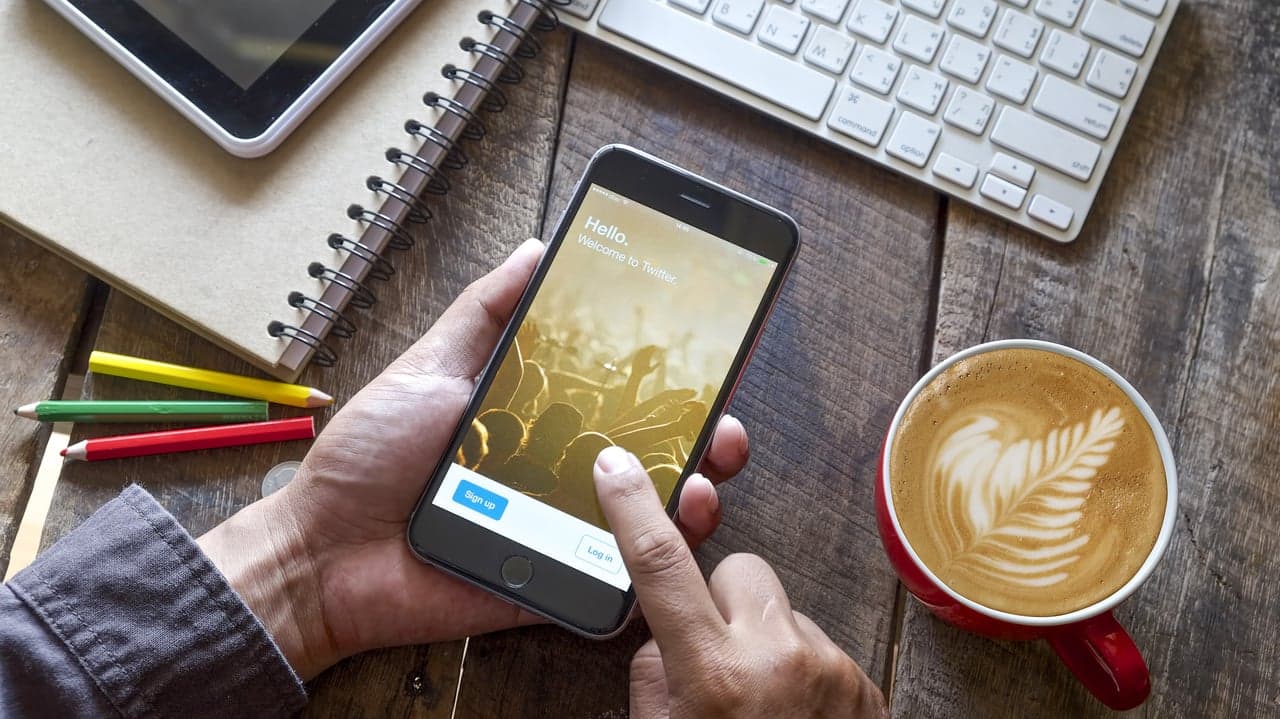
Twitter Has Forever Changed the Interview
The immediacy of social media has changed the way we communicate and consume news.
This age of journalism is much different than yesteryear’s, as accessibility to real time information is now unlimited. Sources who may have been off limits in the past are readily available to write whatever crosses their minds without filter and without coaching. In today’s world, everything is available, recordable and fair use.
This has changed the way we communicate and the way we consume news. Before Twitter, journalists would work desperately with publicists for the exclusive interview with the biggest A-list celebrities out there. Today, the public doesn’t care as much about the sit down because their idols have already talked about it on Facebook, Twitter, Instagram and Snapchat.
Today’s A-list celebrity has changed, too. Just watch 60 Minutes’ segment on “Influencers.” Young 20-somethings are becoming Internet sensations, Social Media influencers, without having acted in a film or secured a giant record contract. The Kim Kardashians of the world have figured out a way to make money from simply living. By recording her every waking moment, Kardashian has created an audience glued to the tubes of today (TV, Phone, Computer) hoping to gain a glimpse of how they can do it themselves.
With accessibility at an all-time high, many media and brands remain gun shy on changing their delivery methods. Social Media for brands is meant to show off your product, using big, bold flashy messaging to entice people to buy. Many media outlets have refused to join the game too, choosing still to keep the 5 o’clock news as pure as possible—stories of who killed who, sports coverage and weather predictions that nobody cares about (since we knew there was a 100 percent chance of rain because our friends posted a video, a photo, an angry Tweet; our phone gave us a warning; and Accuweather is faster than the newscaster).
Perhaps, it is time to consider a change. What TV news outlet will be the first to turn off the news? What brand will be the next to create content that people care about and actually interact with? Who will allow the two to work in unison to deliver a product that perhaps the entire mainstream doesn’t care about but the narrowed audience does?
Twitter has forever changed the conversation. It’s not scary, it’s reality, and we love it.
No Limit Agency
SPONSOREDThe immediacy of social media has changed the way we communicate and consume news.
This age of journalism is much different than yesteryear’s, as accessibility to real time information is now unlimited. Sources who may have been off limits in the past are readily available to write whatever crosses their minds without filter and without coaching. In today’s world, everything is available, recordable and fair use.
This has changed the way we communicate and the way we consume news. Before Twitter, journalists would work desperately with publicists for the exclusive interview with the biggest A-list celebrities out there. Today, the public doesn’t care as much about the sit down because their idols have already talked about it on Facebook, Twitter, Instagram and Snapchat.
Today’s A-list celebrity has changed, too. Just watch 60 Minutes’ segment on “Influencers.” Young 20-somethings are becoming Internet sensations, Social Media influencers, without having acted in a film or secured a giant record contract. The Kim Kardashians of the world have figured out a way to make money from simply living. By recording her every waking moment, Kardashian has created an audience glued to the tubes of today (TV, Phone, Computer) hoping to gain a glimpse of how they can do it themselves.
With accessibility at an all-time high, many media and brands remain gun shy on changing their delivery methods. Social Media for brands is meant to show off your product, using big, bold flashy messaging to entice people to buy. Many media outlets have refused to join the game too, choosing still to keep the 5 o’clock news as pure as possible—stories of who killed who, sports coverage and weather predictions that nobody cares about (since we knew there was a 100 percent chance of rain because our friends posted a video, a photo, an angry Tweet; our phone gave us a warning; and Accuweather is faster than the newscaster).
Perhaps, it is time to consider a change. What TV news outlet will be the first to turn off the news? What brand will be the next to create content that people care about and actually interact with? Who will allow the two to work in unison to deliver a product that perhaps the entire mainstream doesn’t care about but the narrowed audience does?
Twitter has forever changed the conversation. It’s not scary, it’s reality, and we love it.
Sign up for the 1851 Franchise newsletter to get our biggest stories before everyone else
By signing up, you agree to our user agreement (including class action waiver and arbitration provisions), and acknowledge our privacy policy.
About the Author
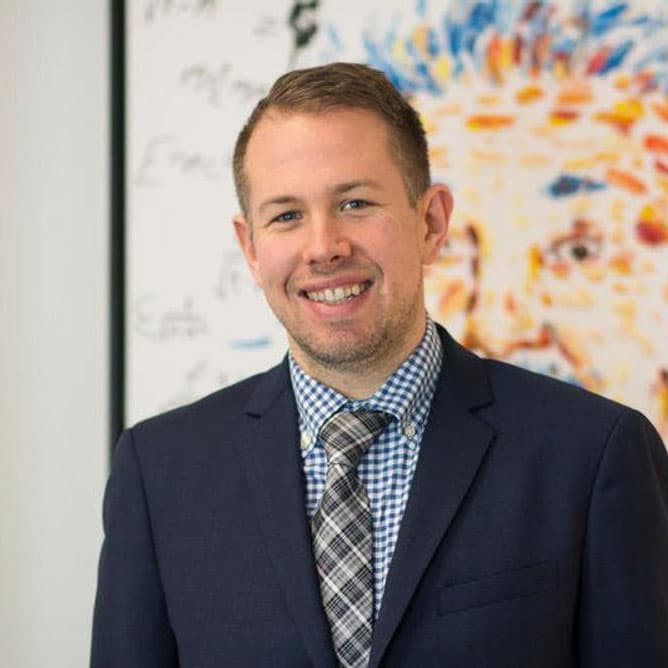
Nick Powills, CFE, founded No Limit Agency in 2008 and serves as Chief Brand Strategist for the Chicago-based firm. No Limit is a full-service communications agency that establishes and elevates brands by bridging Public Relations, Social Media, Marketing, Advertising, Digital, and a lot of creativity, to best strategize well-rounded and successful campaigns for 50+ global franchise brands. By presenting visionary ideas and building real relationships, No Limit is able to create effective media branding strategies to help companies grow. Nick currently leads a staff of writers, media strategists, designers, social media experts and digital producers in an office think-tank where brands are humanized for strong, compelling media stories. Prior to starting No Limit at the age of 27, Nick spent four years working at a franchise PR agency where he mastered the art of building rapport with media outlets and creating newsworthy pitches for earned media placements. He holds a Bachelor of Journalism from Drake University in Iowa.
No related articles found