
No Limit Agency
You Are Entitled to Your Own Opinions, but Not Your Own Facts
Now that #fakenews is a part of our lives, the return to normalcy is taking much longer than it did in the past.
Hashtag fakenews.
We all know it. We have probably even used it in daily speech. It has become a part of our lives because it’s a thing.
Here’s the problem with fake news: well, it’s fake.
One of my biggest issues with the current presidency (not going political) is that the return to normalcy has taken much longer than in the past. Perhaps we can blame this on Facebook or on technology itself, but normalcy has not returned.
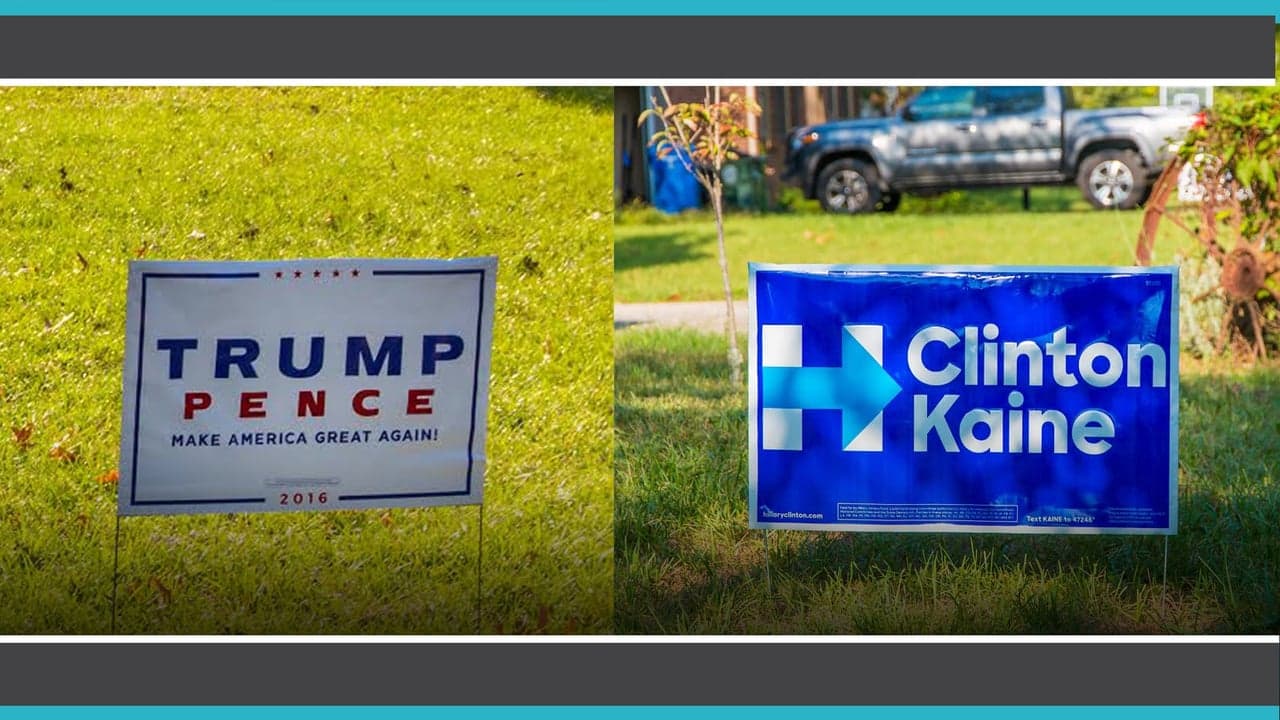
When I was growing up, I remember different political signs in front of the homes on my block. Some Democrat, some Republican, some a mixture. The neighbors would campaign for or support the campaign of their choice, and when all was said and done, the signs came down and you returned to being neighbors. No fights. No end of friendships. Normalcy returned. Opinions were okay and there was no #meannews.
Today, though, fake news, and opinions that lack data, have driven us toward hate. If you put a Trump sign in front of your home and your neighbor put out a Hilary sign, chances are the relationship is still contentious. A Trump supporter loses a loved one, and a Hillary supporter doesn’t join the meal train. This is new.
Fake facts have leaked into the competitive world, too. I can see it with my own two eyes in the world I live in. My competition uses false facts all the time – so much so that I think they actually believe their false facts are now factual. In a competitive world, opinions are justified and they are yours to own, but false facts do nothing but complicate the truth. Healthy competition is good; mean competition is just bad business.
Algorithms don’t help either. In today’s content world, the second you show favoritism to something, the content around you continues to push that journey. Even if that’s fake facts, like Bobby Riggs throwing the match against Billie Jean King, more content about that fake fact hits you in the face until you completely believe it.
And, it’s going to continue to get worse. When Wikipedia is the trusted source, there’s potential for trouble, as we will now have the ability to write history the way we want to remember it. Unless it is edited, generations from now may call the truth something different than it was.
In life, opinions are yours. You are entitled to them. When you make up facts, simply put, you are lying. If our mothers have taught us anything, it’s that lying never wins.
No Limit Agency
Now that #fakenews is a part of our lives, the return to normalcy is taking much longer than it did in the past.
Hashtag fakenews.
We all know it. We have probably even used it in daily speech. It has become a part of our lives because it’s a thing.
Here’s the problem with fake news: well, it’s fake.
One of my biggest issues with the current presidency (not going political) is that the return to normalcy has taken much longer than in the past. Perhaps we can blame this on Facebook or on technology itself, but normalcy has not returned.
When I was growing up, I remember different political signs in front of the homes on my block. Some Democrat, some Republican, some a mixture. The neighbors would campaign for or support the campaign of their choice, and when all was said and done, the signs came down and you returned to being neighbors. No fights. No end of friendships. Normalcy returned. Opinions were okay and there was no #meannews.
Today, though, fake news, and opinions that lack data, have driven us toward hate. If you put a Trump sign in front of your home and your neighbor put out a Hilary sign, chances are the relationship is still contentious. A Trump supporter loses a loved one, and a Hillary supporter doesn’t join the meal train. This is new.
Fake facts have leaked into the competitive world, too. I can see it with my own two eyes in the world I live in. My competition uses false facts all the time – so much so that I think they actually believe their false facts are now factual. In a competitive world, opinions are justified and they are yours to own, but false facts do nothing but complicate the truth. Healthy competition is good; mean competition is just bad business.
Algorithms don’t help either. In today’s content world, the second you show favoritism to something, the content around you continues to push that journey. Even if that’s fake facts, like Bobby Riggs throwing the match against Billie Jean King, more content about that fake fact hits you in the face until you completely believe it.
And, it’s going to continue to get worse. When Wikipedia is the trusted source, there’s potential for trouble, as we will now have the ability to write history the way we want to remember it. Unless it is edited, generations from now may call the truth something different than it was.
In life, opinions are yours. You are entitled to them. When you make up facts, simply put, you are lying. If our mothers have taught us anything, it’s that lying never wins.
Sign up for the 1851 Franchise newsletter to get our biggest stories before everyone else
By signing up, you agree to our user agreement (including class action waiver and arbitration provisions), and acknowledge our privacy policy.

About the Author
Nick Powills, CFE, founded No Limit Agency in 2008 and serves as Chief Brand Strategist for the Chicago-based firm. No Limit is a full-service communications agency that establishes and elevates brands by bridging Public Relations, Social Media, Marketing, Advertising, Digital, and a lot of creativity, to best strategize well-rounded and successful campaigns for 50+ global franchise brands. By presenting visionary ideas and building real relationships, No Limit is able to create effective media branding strategies to help companies grow. Nick currently leads a staff of writers, media strategists, designers, social media experts and digital producers in an office think-tank where brands are humanized for strong, compelling media stories. Prior to starting No Limit at the age of 27, Nick spent four years working at a franchise PR agency where he mastered the art of building rapport with media outlets and creating newsworthy pitches for earned media placements. He holds a Bachelor of Journalism from Drake University in Iowa.
No related articles found