There is a common misconception among franchise candidates that prior industry experience or a willingness to work in the business on a daily basis are the keys to franchise success. While some franchisors may require a level of industry experience or a commitment to daily involvement, there is no universal rule. Many franchises are specifically built for owners who want to take a more executive approach, focusing on leadership, marketing, culture and community involvement.
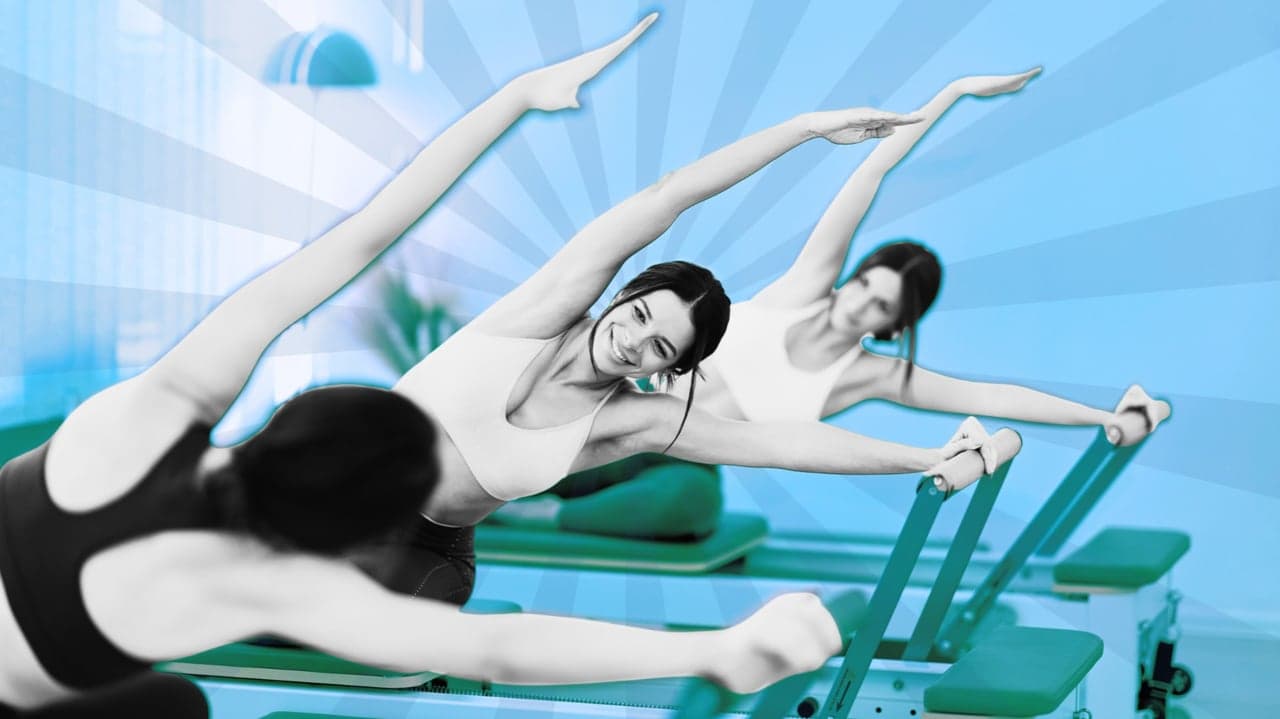
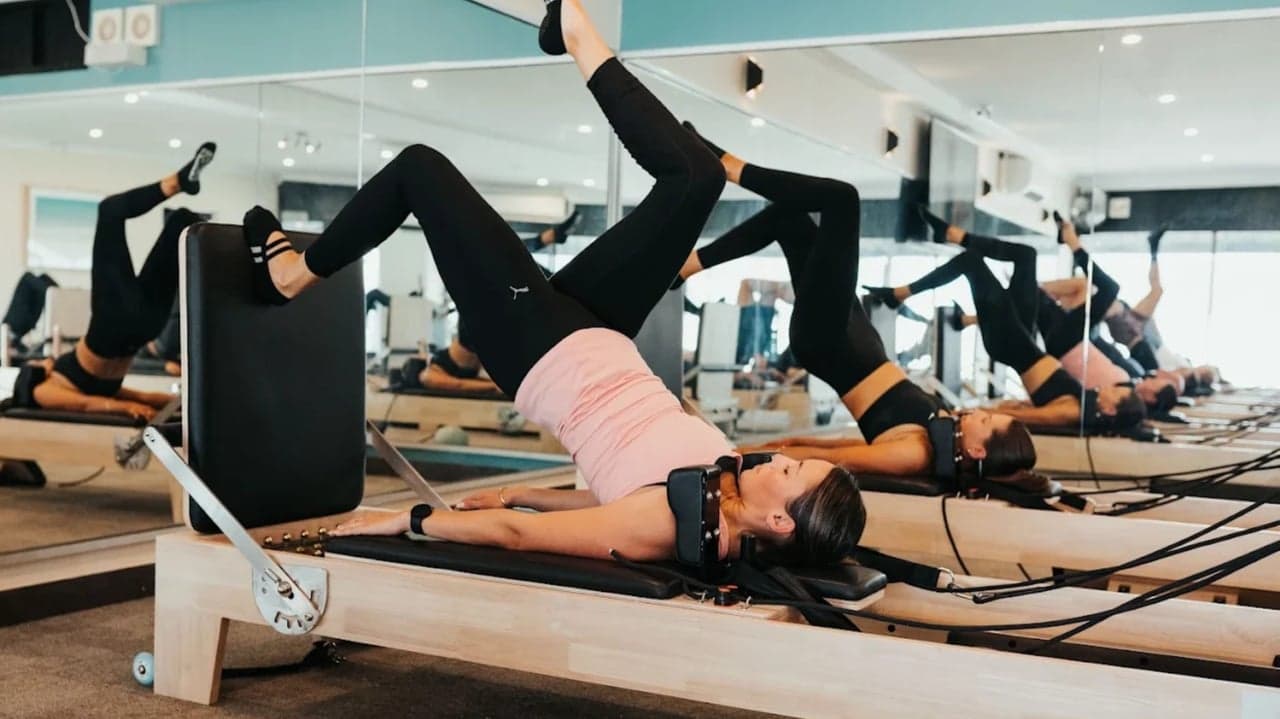
This is a common model in the Pilates franchise space. You do not have to be or become a certified instructor to succeed as a Pilates franchise owner. The franchise model is built to provide the industry-specific knowledge and structures necessary for the business to succeed while the owner works on growth and a team of certified studio managers and instructors lead the workouts.
"There are so many success stories of franchisees, and many of them are women who came out of corporate careers or were at a point where they were looking for something different," said Scott Capelin, founder and CEO of inLIFE Wellness, the boutique Pilates franchise. “They've gone on to own a business with a proven model, ongoing support and a network around them. People going down that path to business ownership is a big responsibility on my end, but it's incredibly fulfilling.”
Capelin, for example, has developed a support structure that accommodates owner-operators, owner-managers and those working to establish a semi-absentee, multi-unit portfolio.
“It took me many years to figure out how to open a studio with hundreds of members on day one,” Capelin said. “That ties directly back into our marketing and sales program. We’re not asking someone to open the doors and then start figuring out where the customers are.”
Recruiting and Staffing Models for Non-Instructor Owners
Finding and leading the right teams can be a major concern for an owner who has no prior experience. Individual Pilates franchises approach this in different ways, but most franchisors have a solution in place to guide owners through the entire process.
Studio Pilates International allows owners to hire their own instructors, but each instructor attends a proprietary training program that provides certification and familiarizes them with the Studio Pilates International approach. Each location also has screens available, so students can easily see visual cues during class while instructors focus on one-on-one guidance.
Similarly, BODYBAR Pilates has a mandatory certification program for instructors that is meant to ensure a consistent experience across all studios. With BODYBAR, franchise owners are not required to teach classes, but they have the option to complete the instructor certification course if they’d like.
In models like these, the franchisor provides recruiting guidance and training resources, but the franchise owner delegates teaching and other instructor-specific tasks once there’s a quality team in place. Rather than teaching the classes themselves, owners should focus on managing the designated general manager or lead instructor, who should directly oversee class schedules, individual instructor performance and the culture instructors nurture in the studio.
The Daily Role of a Non-Instructor Owner
Many Pilates franchises embrace a truly executive model, meaning the owner should be focused on working on the business rather than in it. In addition to managing the studio-level leaders, non-instructor owners focus on managing finances and other KPIs, executing strategic marketing efforts and building local strategic partnerships.
Stepping beyond the daily class schedule allows owners to act as true visionaries for the business’s growth. Franchisors provide things like national branding and marketing guidelines, and owners can focus on building local business-to-business partnerships, managing financials at a high level and laying the groundwork for long-term growth.
By tracking key metrics and making data-driven decisions rather than getting bogged down in daily operations, franchisees can build a scalable Pilates franchise, even with no prior experience in the industry.
Ultimately, thriving as a Pilates franchise owner has less to do with learning choreography and more to do with effective leadership, business acumen and a commitment to following a proven system. When owners combine a franchisor’s established training and infrastructure with a talented team of certified instructors, a lack of industry experience is no longer a barrier to success.
Every great franchisee had help buying a franchise. Want to learn more about how 1851 helps franchisees find the right franchise opportunity? Visit www.1851growthclub.com and start your journey.