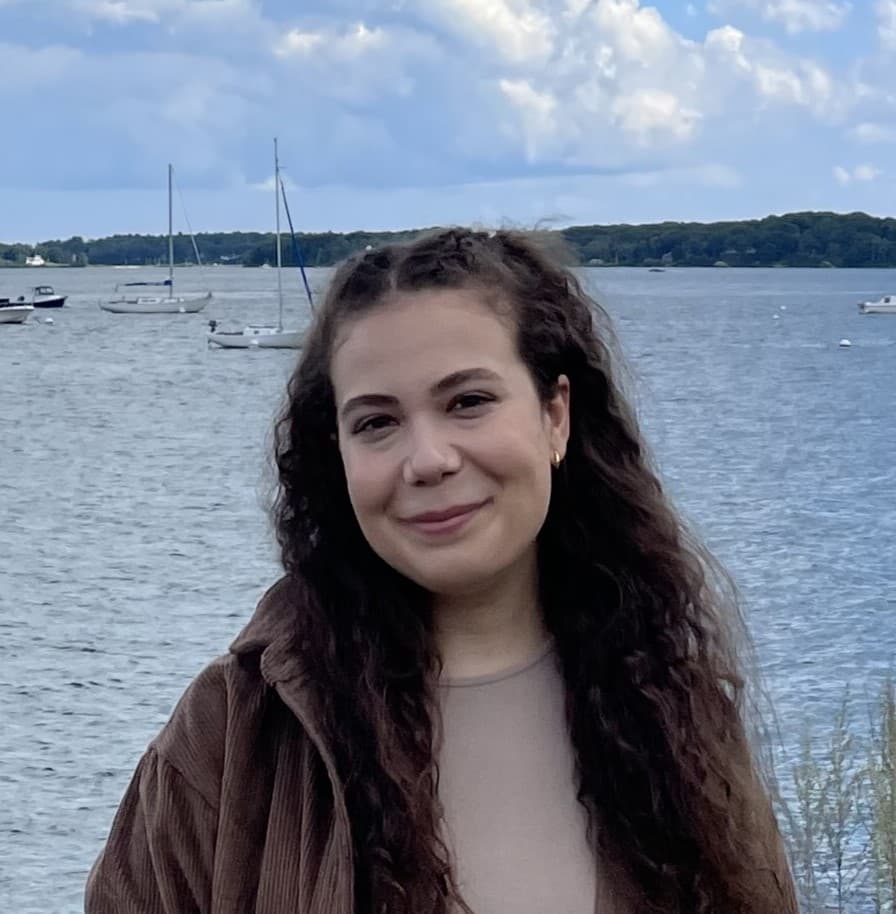
A family team is bringing Seniors Helping Seniors to Des Moines, Iowa, motivated by their shared commitment to service and community. Zach and Alana Schneider, together with Alana’s father, Mike Caligiuri, found that this franchise aligned perfectly with their family’s values and their desire to support others. Drawn to the mission of fostering relationships and giving back, they believe Seniors Helping Seniors offers the perfect blend of business and purpose.

With experience in everything from real estate to retail, the family has been impressed by the franchise’s supportive structure, which has helped them launch with confidence. Their goals are to provide compassionate care for and contribute to the well-being of Des Moines’ aging population while offering flexible employment opportunities for others in the community. As they get started, they’re excited about building connections and seeing how their efforts can truly make a difference.

1851 franchise spoke with Zach, Alana and Mike to learn more about what led them to franchising and their plans for the future. 

1851 Franchise: Frame your personal story for us. What did you do before franchising, and how did you decide franchising made sense for you?

Zach Schneider: About six months ago, we started looking into things we were interested in doing. We met with a franchise consultant and began narrowing it down from about 10 to 15 different options. This one stood out because it matched our family values and we could almost see it working without much thought, which is why we felt it was a good fit for us. We were drawn to the service element, and while we looked at a dozen or so different options, what we liked most about this one was the foundation of service behind it. We're pretty active in our church and our community, so this fits in perfectly with that.

Alana Schneider: We’re attracted to the service element so, as Zach mentioned, we probably looked at a dozen or so different things that we could invest in. But what we really liked about this was the service, foundation and element behind it.

Mike Caligiuri: I went to school to be an accountant, but I couldn’t sit in a cubicle for long. After six months, I left and moved into retail, which was my first love. I started at 16 at a grocery store in the Midwest and eventually worked my way up to vice president. My accounting degree helped as I moved up, but retail is truly in my blood. I retired after 34 years in supermarkets and then shifted into commercial real estate. Along with a few partners, I own around 800 units in Des Moines, Iowa.

Zach, my son-in-law, came to me wanting to run his own business and asked for my help. We looked at about 60 franchises before narrowing it down to three. Seniors Helping Seniors stood out to me right away. I liked the name because I’m a senior myself, and “helping seniors” fits with our family’s values. We’ve always been helpers, so this was a natural fit. I also appreciate that in franchising, the framework is already built; you just have to execute it. Seniors Helping Seniors has a great track record and has been supportive throughout our startup process.

Now, we’re about to get started. Although I spend part of the year in Florida, where we have a place, I’m able to work with Zach remotely and split my time between here and Des Moines, where our franchise is located.

1851: What was your perception of franchising prior to becoming a franchisee, and what do you want people to know about franchising now that you are in it?

Zach: One of the things that attracted us was the "business in a box" setup. It was appealing because it provides the tools up front, so there's no need to reinvent the wheel. Coming from a real estate background, I find similarities in the startup process. I can apply a lot of what I've learned, especially in relationship building, which becomes easier with the tools and systems that franchises already have in place.

Alana: Another advantage of a franchise is that the brand and mission are already established. It's now up to Zach and me to make sure we execute and grow the business effectively.

Mike: I have friends who’ve been very successful with various franchise types, from salons to restoration and painting. I understood the basics of franchising — the fees, the startup requirements — even though I had never owned one myself. I’d always done things independently, but with Zach’s background, I knew he had strong skills in some areas, though starting a business from scratch might have been challenging.

This is why we chose franchising. We met some incredible people through Seniors Helping Seniors, which reinforced our decision. The ease of entry into a franchise — where everything has been done successfully before — really drew us in. It felt like the right path for us.

1851: What made you pick this brand? What excites you most about this company?

Zach: Seniors Helping Seniors was incredibly attractive to me because of its deep commitment to serving our community while addressing a clear and growing need. The company’s roots are inspiring—founded by Kiran Yocum, who worked closely with Mother Teresa for 14 years, it carries forward a mission grounded in compassion. Mother Teresa’s recognition of the need to better support seniors in America led to Kiran’s vision of creating a service where seniors care for one another, fostering dignity and connection. Seniors Helping Seniors not only identifies a critical gap in senior care but also provides a meaningful solution by empowering seniors to make a positive difference in their peers’ lives. For me, it’s a privilege to bring this mission to Des Moines and serve our aging community with purpose.

Mike: The word “helping.” There are other franchises that we could have gotten into that were more crisis mode restoration — helping people who had a flood in their basement, for example. In those situations, you’re still helping, but it’s different. You might have a relationship with the client for a week or two, and then it’s over. With this franchise, there’s potential for long-term relationships.

I also think the caregivers will get a lot out of helping, which is an added benefit. Since I’m a senior myself, I’m drawn to hiring employees like me — people who have been dependable and successful in their careers, but who now just want to work a few hours a week on their own terms. They’ll also find satisfaction in helping others, which is what drew me to Seniors Helping Seniors from the start.

1851: What do you hope to achieve with your business? What are your plans for growth? 

Zach: Our growth plans focus on two key territories, spanning throughout the suburbs of Des Moines and central Des Moines itself. This expanding region offers significant potential, especially as Des Moines continues to grow and Iowa remains one of the oldest states by population. We anticipate a strong demand for our services, providing compassionate care and meaningful connections for seniors.

In addition, during these uncertain economic times, we’re proud to create meaningful employment opportunities for seniors, a group that often faces unique challenges in the job market. Our goal is to serve our community with excellence, and as we grow, we look forward to exploring opportunities to expand into other areas of Iowa.

Alana: From a growth standpoint, there’s both a demographic and a people element. Iowa, as one of the oldest states, offers demographic growth opportunities with the increasing need for senior services across our territories. But there’s also a community aspect — Zach and I have strong connections within our community and church, which we hope to leverage. We’re focused on getting people we know interested in serving and helping to spread the word. So, it’s not just about territory and demographic growth but also fostering growth within our community network.

Mike: My first hope, as I told Zach when we sat down six months ago, is for him and his family. [My wife] Sue and I have been blessed and successful in our endeavors, which is why we’re able to enjoy our retirement — well, semi-retirement. We're not fully done, but we’re getting there. We hope that Zach and the rest of our family, who are very much on board with this, will prosper and do well. I know for my daughter and Zach, the income is nice, but they’re not motivated by it. It helps with raising their family and the things that come with a job, but Zach sees it as more than that. He wants it to be a benefit to society. For Sue and me, if we can help our family, as we’ve always set out to do, that’s what matters most.

1851: What is the one thing about your story you want us to know?

Zach: We want people to know that we deeply value family, tradition and the unique stories each person brings to the community. A major inspiration for us has been our relationships with our grandparents and other seniors in our lives. We’ve seen firsthand the value they offer, which often goes underappreciated. We don’t want to waste those relationships or the experiences they've shared.

This venture is a way for us to benefit families, both young and old, as well as the seniors themselves. It provides an opportunity for seniors to stay connected with a community that they might otherwise feel has left them behind.

Mike: I love people. One of the reasons I've been successful throughout my career is that it was always people first. I ran a store with 500 employees, and I couldn’t have done it without them. The respect they gave back to me and the respect I had for them made it all work. I told Zach it doesn’t matter what kind of business we choose — whether it’s a gas station, a donut shop, a tire place or Jiffy Lube — it all comes down to how you treat people and help them get what they want.

I know people say that a lot, but I genuinely believe it. That’s what got me out of the accounting world and into retail — I didn’t want to sit in a cubicle. I wanted to be out there, helping people, and I feel like I’ve helped a lot of people throughout my career. That’s a great feeling. And now, as we’re building our team, I told Zach, “Take care of your caregivers, take care of your clients, stick to your plan and you’ll succeed. It really can be that simple.”

1851: What advice do you have for other people thinking about becoming a franchise owner?

Zach: One of the things I would share is that there’s a lot to take on up front. As we’re getting into this, it’s clear that there are many aspects you don’t fully know at first. My best advice is to go in with an open mind. While you can apply the skills you've built to grow the business, there will be elements where you’ll need to approach things with a learning mindset. You don’t have to be an expert in everything, but it’s important to trust and rely on the people who handle areas you’re less familiar with.

For us, it's been invaluable to lean on the strengths of others. Our father-in-law, for example, brings skills that I don’t have, which have been tremendously helpful. Alana also has strengths that complement mine, and vice versa. It’s really about managing your resources well and not trying to do it all alone; relying on others can make a huge difference.

Mike: For any franchise — or really any business — you have to be willing to put in the work. If it were easy, there’d be people lining up at the door. It’s hard work and you’ve got to realize that you might not see a paycheck for six months, a year or even longer. You need the fortitude to work and stick to your plan. It’s something you almost have to live and breathe — it needs to be a part of your life and your family’s life. They have to understand and support it.

I always say: work, work, work. I may not always be the smartest person in the room, but I believe that if you outwork others, it makes up for a lot. Hard work is the best way to accomplish your goals, so be willing to work hard and stick to your plan.

ABOUT SENIORS HELPING SENIORS:

Seniors Helping Seniors® franchise system was founded by husband-and-wife duo Kiran and Philip Yocom. Kiran, who grew up in India, later worked to advance humanitarian efforts alongside Mother Teresa. After Kiran moved to the U.S. in 1995 and married her husband Philip, the Yocoms felt called to provide loving care to seniors and to cultivate an exchange of gifts at every generational level. Together, the Yocoms founded Seniors Helping Seniors® in-home services in 1998, opening the brand up to franchising in 2006. With a mission to be the most respected and rewarding homecare provider in the U.S., Seniors Helping Seniors® locations stand apart from competitors as the only company that prioritizes hiring active seniors to provide care services to their less-active counterparts. Seniors Helping Seniors® service aligns caregivers and care recipients based on the abilities and needs of both by offering a wide range of care services. Seniors Helping Seniors® network has grown to 200-plus locations, 125 franchise partners in 30-plus states and international markets. For more information on Seniors Helping Seniors® in-home care, visit seniorshelpingseniors.com.

A family team is bringing Seniors Helping Seniors to Des Moines, Iowa, motivated by their shared commitment to service and community. Zach and Alana Schneider, together with Alana’s father, Mike Caligiuri, found that this franchise aligned perfectly with their family’s values and their desire to support others. Drawn to the mission of fostering relationships and giving back, they believe Seniors Helping Seniors offers the perfect blend of business and purpose.

With experience in everything from real estate to retail, the family has been impressed by the franchise’s supportive structure, which has helped them launch with confidence. Their goals are to provide compassionate care for and contribute to the well-being of Des Moines’ aging population while offering flexible employment opportunities for others in the community. As they get started, they’re excited about building connections and seeing how their efforts can truly make a difference.

1851 franchise spoke with Zach, Alana and Mike to learn more about what led them to franchising and their plans for the future. 

1851 Franchise: Frame your personal story for us. What did you do before franchising, and how did you decide franchising made sense for you?

Zach Schneider: About six months ago, we started looking into things we were interested in doing. We met with a franchise consultant and began narrowing it down from about 10 to 15 different options. This one stood out because it matched our family values and we could almost see it working without much thought, which is why we felt it was a good fit for us. We were drawn to the service element, and while we looked at a dozen or so different options, what we liked most about this one was the foundation of service behind it. We're pretty active in our church and our community, so this fits in perfectly with that.

Alana Schneider: We’re attracted to the service element so, as Zach mentioned, we probably looked at a dozen or so different things that we could invest in. But what we really liked about this was the service, foundation and element behind it.

Mike Caligiuri: I went to school to be an accountant, but I couldn’t sit in a cubicle for long. After six months, I left and moved into retail, which was my first love. I started at 16 at a grocery store in the Midwest and eventually worked my way up to vice president. My accounting degree helped as I moved up, but retail is truly in my blood. I retired after 34 years in supermarkets and then shifted into commercial real estate. Along with a few partners, I own around 800 units in Des Moines, Iowa.

Zach, my son-in-law, came to me wanting to run his own business and asked for my help. We looked at about 60 franchises before narrowing it down to three. Seniors Helping Seniors stood out to me right away. I liked the name because I’m a senior myself, and “helping seniors” fits with our family’s values. We’ve always been helpers, so this was a natural fit. I also appreciate that in franchising, the framework is already built; you just have to execute it. Seniors Helping Seniors has a great track record and has been supportive throughout our startup process.

Now, we’re about to get started. Although I spend part of the year in Florida, where we have a place, I’m able to work with Zach remotely and split my time between here and Des Moines, where our franchise is located.

1851: What was your perception of franchising prior to becoming a franchisee, and what do you want people to know about franchising now that you are in it?

Zach: One of the things that attracted us was the "business in a box" setup. It was appealing because it provides the tools up front, so there's no need to reinvent the wheel. Coming from a real estate background, I find similarities in the startup process. I can apply a lot of what I've learned, especially in relationship building, which becomes easier with the tools and systems that franchises already have in place.

Alana: Another advantage of a franchise is that the brand and mission are already established. It's now up to Zach and me to make sure we execute and grow the business effectively.

Mike: I have friends who’ve been very successful with various franchise types, from salons to restoration and painting. I understood the basics of franchising — the fees, the startup requirements — even though I had never owned one myself. I’d always done things independently, but with Zach’s background, I knew he had strong skills in some areas, though starting a business from scratch might have been challenging.

This is why we chose franchising. We met some incredible people through Seniors Helping Seniors, which reinforced our decision. The ease of entry into a franchise — where everything has been done successfully before — really drew us in. It felt like the right path for us.

1851: What made you pick this brand? What excites you most about this company?

Zach: Seniors Helping Seniors was incredibly attractive to me because of its deep commitment to serving our community while addressing a clear and growing need. The company’s roots are inspiring—founded by Kiran Yocum, who worked closely with Mother Teresa for 14 years, it carries forward a mission grounded in compassion. Mother Teresa’s recognition of the need to better support seniors in America led to Kiran’s vision of creating a service where seniors care for one another, fostering dignity and connection. Seniors Helping Seniors not only identifies a critical gap in senior care but also provides a meaningful solution by empowering seniors to make a positive difference in their peers’ lives. For me, it’s a privilege to bring this mission to Des Moines and serve our aging community with purpose.

Mike: The word “helping.” There are other franchises that we could have gotten into that were more crisis mode restoration — helping people who had a flood in their basement, for example. In those situations, you’re still helping, but it’s different. You might have a relationship with the client for a week or two, and then it’s over. With this franchise, there’s potential for long-term relationships.

I also think the caregivers will get a lot out of helping, which is an added benefit. Since I’m a senior myself, I’m drawn to hiring employees like me — people who have been dependable and successful in their careers, but who now just want to work a few hours a week on their own terms. They’ll also find satisfaction in helping others, which is what drew me to Seniors Helping Seniors from the start.

1851: What do you hope to achieve with your business? What are your plans for growth? 

Zach: Our growth plans focus on two key territories, spanning throughout the suburbs of Des Moines and central Des Moines itself. This expanding region offers significant potential, especially as Des Moines continues to grow and Iowa remains one of the oldest states by population. We anticipate a strong demand for our services, providing compassionate care and meaningful connections for seniors.

In addition, during these uncertain economic times, we’re proud to create meaningful employment opportunities for seniors, a group that often faces unique challenges in the job market. Our goal is to serve our community with excellence, and as we grow, we look forward to exploring opportunities to expand into other areas of Iowa.

Alana: From a growth standpoint, there’s both a demographic and a people element. Iowa, as one of the oldest states, offers demographic growth opportunities with the increasing need for senior services across our territories. But there’s also a community aspect — Zach and I have strong connections within our community and church, which we hope to leverage. We’re focused on getting people we know interested in serving and helping to spread the word. So, it’s not just about territory and demographic growth but also fostering growth within our community network.

Mike: My first hope, as I told Zach when we sat down six months ago, is for him and his family. [My wife] Sue and I have been blessed and successful in our endeavors, which is why we’re able to enjoy our retirement — well, semi-retirement. We're not fully done, but we’re getting there. We hope that Zach and the rest of our family, who are very much on board with this, will prosper and do well. I know for my daughter and Zach, the income is nice, but they’re not motivated by it. It helps with raising their family and the things that come with a job, but Zach sees it as more than that. He wants it to be a benefit to society. For Sue and me, if we can help our family, as we’ve always set out to do, that’s what matters most.

1851: What is the one thing about your story you want us to know?

Zach: We want people to know that we deeply value family, tradition and the unique stories each person brings to the community. A major inspiration for us has been our relationships with our grandparents and other seniors in our lives. We’ve seen firsthand the value they offer, which often goes underappreciated. We don’t want to waste those relationships or the experiences they've shared.

This venture is a way for us to benefit families, both young and old, as well as the seniors themselves. It provides an opportunity for seniors to stay connected with a community that they might otherwise feel has left them behind.

Mike: I love people. One of the reasons I've been successful throughout my career is that it was always people first. I ran a store with 500 employees, and I couldn’t have done it without them. The respect they gave back to me and the respect I had for them made it all work. I told Zach it doesn’t matter what kind of business we choose — whether it’s a gas station, a donut shop, a tire place or Jiffy Lube — it all comes down to how you treat people and help them get what they want.

I know people say that a lot, but I genuinely believe it. That’s what got me out of the accounting world and into retail — I didn’t want to sit in a cubicle. I wanted to be out there, helping people, and I feel like I’ve helped a lot of people throughout my career. That’s a great feeling. And now, as we’re building our team, I told Zach, “Take care of your caregivers, take care of your clients, stick to your plan and you’ll succeed. It really can be that simple.”

1851: What advice do you have for other people thinking about becoming a franchise owner?

Zach: One of the things I would share is that there’s a lot to take on up front. As we’re getting into this, it’s clear that there are many aspects you don’t fully know at first. My best advice is to go in with an open mind. While you can apply the skills you've built to grow the business, there will be elements where you’ll need to approach things with a learning mindset. You don’t have to be an expert in everything, but it’s important to trust and rely on the people who handle areas you’re less familiar with.

For us, it's been invaluable to lean on the strengths of others. Our father-in-law, for example, brings skills that I don’t have, which have been tremendously helpful. Alana also has strengths that complement mine, and vice versa. It’s really about managing your resources well and not trying to do it all alone; relying on others can make a huge difference.

Mike: For any franchise — or really any business — you have to be willing to put in the work. If it were easy, there’d be people lining up at the door. It’s hard work and you’ve got to realize that you might not see a paycheck for six months, a year or even longer. You need the fortitude to work and stick to your plan. It’s something you almost have to live and breathe — it needs to be a part of your life and your family’s life. They have to understand and support it.

I always say: work, work, work. I may not always be the smartest person in the room, but I believe that if you outwork others, it makes up for a lot. Hard work is the best way to accomplish your goals, so be willing to work hard and stick to your plan.

ABOUT SENIORS HELPING SENIORS:

Seniors Helping Seniors® franchise system was founded by husband-and-wife duo Kiran and Philip Yocom. Kiran, who grew up in India, later worked to advance humanitarian efforts alongside Mother Teresa. After Kiran moved to the U.S. in 1995 and married her husband Philip, the Yocoms felt called to provide loving care to seniors and to cultivate an exchange of gifts at every generational level. Together, the Yocoms founded Seniors Helping Seniors® in-home services in 1998, opening the brand up to franchising in 2006. With a mission to be the most respected and rewarding homecare provider in the U.S., Seniors Helping Seniors® locations stand apart from competitors as the only company that prioritizes hiring active seniors to provide care services to their less-active counterparts. Seniors Helping Seniors® service aligns caregivers and care recipients based on the abilities and needs of both by offering a wide range of care services. Seniors Helping Seniors® network has grown to 200-plus locations, 125 franchise partners in 30-plus states and international markets. For more information on Seniors Helping Seniors® in-home care, visit seniorshelpingseniors.com.

Don’t Miss the Next Big Franchise Story

Sign up for the 1851 Franchise newsletter to get our biggest stories before everyone else

By signing up, you agree to our user agreement (including class action waiver and arbitration provisions), and acknowledge our privacy policy.

Victoria Campisi

About the Author

Victoria Campisi

Follow

All Articles

No related articles found