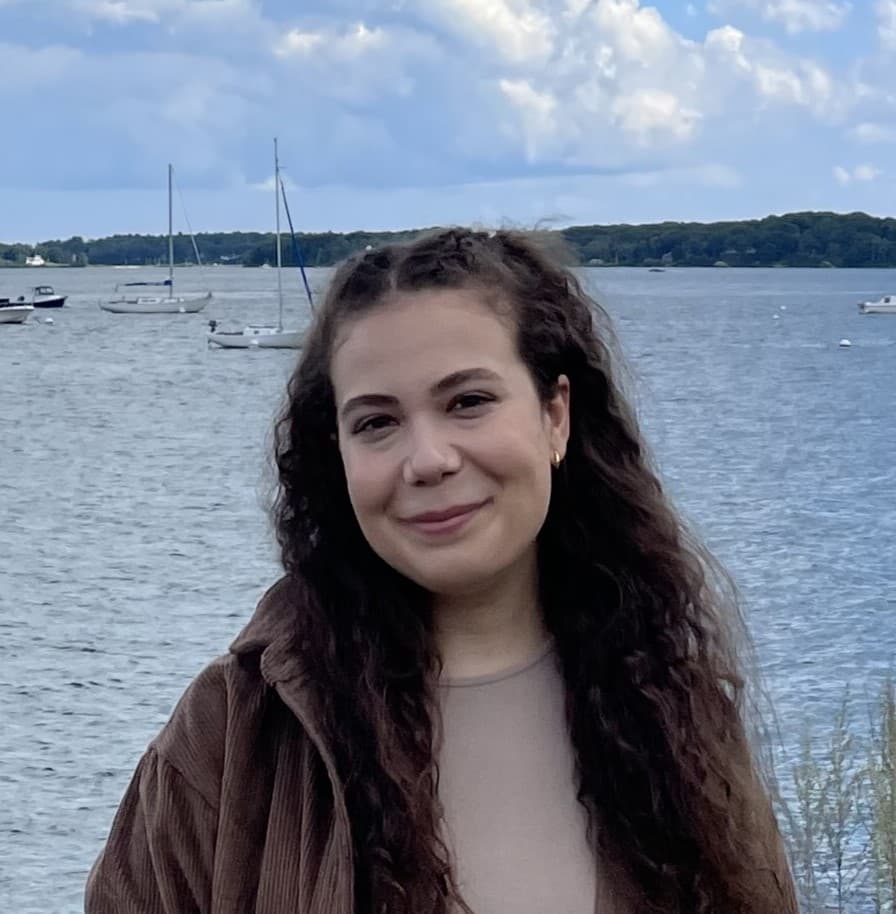
Ivan and Emily Justo’s new Seniors Helping Seniors® location in Central Bergen County, New Jersey, grew out of their personal experiences. They both watched their grandparents struggle as they aged and saw their mothers take on the hard work of caregiving. Those moments stuck with them and showed how important it is to support both seniors and their families.

For the Justos, opening this business is about more than ownership. It’s a way to live out the values they grew up with — respecting elders, caring for family and giving back to the community. They want to build something lasting for their children while making life a little easier for other families in their area.

They see their work as a chance to bring dignity and independence to local seniors while offering peace of mind to caregivers. By focusing on compassion and respect, they hope Seniors Helping Seniors® becomes a trusted name throughout Central Bergen County.

1851 Franchise spoke to the Justos about their franchising journey with Seniors Helping Seniors® and plans for the future. Here’s what they had to say:

1851 Franchise: Frame your personal story for us. What did you do before franchising, and how did you decide franchising made sense for you?

Emily Justo: I’m still working. Ivan has been handling more of the day-to-day, but I’ve been in the wealth management space for 25 years. I am the director of operations for a registered investment adviser, and I’ve enjoyed my work there. But we wanted to start something of our own that we could own and eventually pass on to our kids — to create a legacy that you built yourself and not just help build someone else’s legacy.

Ivan Justo: I had more than 20 years of experience in the telecom industry. I worked with different carriers such as Nextel, Sprint, MetroPCS — which later became T-Mobile — and a broadband company called Windstream. Most of my roles revolved around supporting marketing and sales with analytics, including helping them with budgets. I was also responsible for operational compliance for the company. I wanted a change. We want to build our own legacy, leave something for our kids and take on an opportunity that fit the bill. At the same time, we’re building a legacy while doing something good for the community by providing services to one of the most vulnerable groups, seniors.

1851: What was your perception of franchising prior to becoming a franchisee, and what do you want people to know about franchising now that you are in it?

Ivan: I’ve always viewed franchising as a good way to start a business, especially if you don’t have experience in the industry. Everything is laid out for you, and that’s always been my perception. Now that I’m in it, that view remains the same. It’s been very helpful working with the coaches. The fact that they provide a template — a blueprint for us to follow — has made the process much easier than trying to figure everything out on our own.

Emily: I needed a little more convincing at first. For me, I wanted to see the value-add the franchisor would provide. Throughout the process, I’ve definitely seen how much support you get. Like Ivan said, there’s a blueprint to follow, and it really smooths things out.

After vetting everything, we’re almost ready to open our doors in just three months. That’s not something we could have accomplished if we had jumped headfirst into a brand-new industry and business. It’s a proven method that works, and I’m certainly on board now.

1851: What made you pick this brand? What excites you most about this company?

Ivan: For me, it’s more about the value added to the community. As I mentioned before, seniors are one of our most vulnerable demographics. This gives them a way to remain independent, stay in their homes and feel comfortable in a familiar space. By providing the help they need, we’re able to empower them and give them confidence in their daily lives. It also gives peace of mind not only to seniors but to their families. At the same time, we’ll be helping caregivers, many of whom take on this work for extra income, often in their retirement years.

We’re building a legacy that offers the best of both worlds. Seeing our own grandmothers struggle and watching our families work to keep up with the demanding task of caregiving left a mark on our hearts. This opportunity gives us a way to give back.

Emily: What was most appealing about this brand is its focus on giving back. Both of us saw our grandparents in positions where they needed help, and we watched our mothers struggle to balance their own lives while also caring for their parents. It just made sense for us.

Ultimately, you’re providing a service that gives back in so many ways — not just financially, but by offering real support and relief for families. There’s comfort in knowing a mature adult is caring for their loved ones. That’s not a knock on agencies that use younger caregivers, but this model creates a stronger bond between caregiver and senior. There’s more in common, more affinity, and I loved that idea.

Ivan: It’s also the life experience that those older caregivers bring to the table. It gives them a good sense of compassion. 

1851: What do you hope to achieve with your business? What are your plans for growth? 

Ivan: We hope to add value to the community and build a well-known business within our neighborhoods. At the same time, we want to grow the business to a point where we can provide jobs, leave a legacy for our kids and maybe even expand our territories.

Emily: We’d love to become a household name within our territories — the agency people think of when they need care for their loved ones. If we’re fortunate enough to still have our parents with us as we get older, all of us will eventually find ourselves in this position. I want our agency to have a reputation for respecting parents and providing the compassionate care families are looking for.

1851: Is there anything else about your story you want us to know?

Ivan: I’m an immigrant. I came to the U.S. when I was 11 and went through the struggles many people face when moving to a new country — from the language barrier to cultural differences and adapting to a new way of life. As I was growing up, my mother was a single mom, so I had to take on responsibilities early. I helped by babysitting my siblings and contributing to household expenses. I took on more of an adult role at a very young age.

Thanks to that experience, I became the person I am today. It taught me to value the little things I’ve been given, to be appreciative and to have a sense of responsibility to give back and do the right thing.

Emily: Culturally, we’re taught very early on not just to respect our elders but to respect the time and effort they’ve put into their lives. They’ve earned that respect, and in my family, we’ve always taken that seriously.

As a teenager, I spent many years volunteering at nursing homes because I knew those same cultural teachings weren’t always passed down across all families or generations. I wanted to provide even a little companionship to those who didn’t have it. I spent five or six years doing that kind of community service — visiting residents, helping with leisure activities and assisting those who couldn’t get to live entertainment or other events on their own.

I’ve always loved working with seniors, and I see this franchise as an opportunity to expand on that passion. My hope is that the love I’ve always had for seniors translates into the work we do.

1851: What advice do you have for other people thinking about becoming franchise owners?

Ivan: Come in with an open mind. I feel that many people who aren’t successful in franchising struggle because they try to bring in their own systems and don’t trust the system already in place. They fail to understand that the system exists for a reason — it’s proven, it works, and that’s why the brand has grown as much as it has.

That’s the number one piece of advice I give to anyone looking into franchising: be open-minded and humble in the process. Don’t try to change things or assume you know better than everyone else. Yes, you can adapt little things here and there, but you can’t lose the essence of what the brand is. That’s my advice.

Emily: Like Ivan said, keeping an open mind is always important. Trust your gut. Do your homework on each company before you sign the papers and commit. Trust that you’ve done the research and evaluated them properly, then follow their process.

These companies are successful because they’ve built out proven processes and methodologies that work for many franchise owners. As long as you’ve done your due diligence at the start, trust that they know what they’re doing.

ABOUT SENIORS HELPING SENIORS®:

Seniors Helping Seniors® franchise system was founded by husband-and-wife duo Kiran and Philip Yocom. Kiran, who grew up in India, later worked to advance humanitarian efforts alongside Mother Teresa. After moving to the U.S. in 1995 and marrying her husband Philip, the Yocoms felt called to provide loving care to seniors and to cultivate an exchange of gifts at every generational level. Together, the Yocoms founded Seniors Helping Seniors® in-home services in 1998, opening the brand up to franchising in 2006. With a mission to be the most respected and rewarding home care provider in the U.S., Seniors Helping Seniors® locations stand apart from competitors as the only company that prioritizes hiring active seniors to provide care services to their less-active counterparts. Seniors Helping Seniors® service aligns caregivers and care recipients based on the abilities and needs of both by offering a wide range of care services. Seniors Helping Seniors® network has grown to 400 territories nationwide and over 200 franchise partners in 37 states. For more information on Seniors Helping Seniors® in-home care, visit https://seniorshelpingseniors.com/. 

Seniors Helping Seniors®

SPONSORED
Honoring Family and Culture: Ivan and Emily Justo Bring Seniors Helping Seniors® to Central Bergen County, New Jersey

Honoring Family and Culture: Ivan and Emily Justo Bring Seniors Helping Seniors® to Central Bergen County, New Jersey

Shaped by their grandparents’ struggles and inspired by their mothers’ sacrifices, the Justos are blending cultural values and business ownership to create a lasting legacy of care.

Ivan and Emily Justo’s new Seniors Helping Seniors® location in Central Bergen County, New Jersey, grew out of their personal experiences. They both watched their grandparents struggle as they aged and saw their mothers take on the hard work of caregiving. Those moments stuck with them and showed how important it is to support both seniors and their families.

For the Justos, opening this business is about more than ownership. It’s a way to live out the values they grew up with — respecting elders, caring for family and giving back to the community. They want to build something lasting for their children while making life a little easier for other families in their area.

They see their work as a chance to bring dignity and independence to local seniors while offering peace of mind to caregivers. By focusing on compassion and respect, they hope Seniors Helping Seniors® becomes a trusted name throughout Central Bergen County.

1851 Franchise spoke to the Justos about their franchising journey with Seniors Helping Seniors® and plans for the future. Here’s what they had to say:

1851 Franchise: Frame your personal story for us. What did you do before franchising, and how did you decide franchising made sense for you?

Emily Justo: I’m still working. Ivan has been handling more of the day-to-day, but I’ve been in the wealth management space for 25 years. I am the director of operations for a registered investment adviser, and I’ve enjoyed my work there. But we wanted to start something of our own that we could own and eventually pass on to our kids — to create a legacy that you built yourself and not just help build someone else’s legacy.

Ivan Justo: I had more than 20 years of experience in the telecom industry. I worked with different carriers such as Nextel, Sprint, MetroPCS — which later became T-Mobile — and a broadband company called Windstream. Most of my roles revolved around supporting marketing and sales with analytics, including helping them with budgets. I was also responsible for operational compliance for the company. I wanted a change. We want to build our own legacy, leave something for our kids and take on an opportunity that fit the bill. At the same time, we’re building a legacy while doing something good for the community by providing services to one of the most vulnerable groups, seniors.

1851: What was your perception of franchising prior to becoming a franchisee, and what do you want people to know about franchising now that you are in it?

Ivan: I’ve always viewed franchising as a good way to start a business, especially if you don’t have experience in the industry. Everything is laid out for you, and that’s always been my perception. Now that I’m in it, that view remains the same. It’s been very helpful working with the coaches. The fact that they provide a template — a blueprint for us to follow — has made the process much easier than trying to figure everything out on our own.

Emily: I needed a little more convincing at first. For me, I wanted to see the value-add the franchisor would provide. Throughout the process, I’ve definitely seen how much support you get. Like Ivan said, there’s a blueprint to follow, and it really smooths things out.

After vetting everything, we’re almost ready to open our doors in just three months. That’s not something we could have accomplished if we had jumped headfirst into a brand-new industry and business. It’s a proven method that works, and I’m certainly on board now.

1851: What made you pick this brand? What excites you most about this company?

Ivan: For me, it’s more about the value added to the community. As I mentioned before, seniors are one of our most vulnerable demographics. This gives them a way to remain independent, stay in their homes and feel comfortable in a familiar space. By providing the help they need, we’re able to empower them and give them confidence in their daily lives. It also gives peace of mind not only to seniors but to their families. At the same time, we’ll be helping caregivers, many of whom take on this work for extra income, often in their retirement years.

We’re building a legacy that offers the best of both worlds. Seeing our own grandmothers struggle and watching our families work to keep up with the demanding task of caregiving left a mark on our hearts. This opportunity gives us a way to give back.

Emily: What was most appealing about this brand is its focus on giving back. Both of us saw our grandparents in positions where they needed help, and we watched our mothers struggle to balance their own lives while also caring for their parents. It just made sense for us.

Ultimately, you’re providing a service that gives back in so many ways — not just financially, but by offering real support and relief for families. There’s comfort in knowing a mature adult is caring for their loved ones. That’s not a knock on agencies that use younger caregivers, but this model creates a stronger bond between caregiver and senior. There’s more in common, more affinity, and I loved that idea.

Ivan: It’s also the life experience that those older caregivers bring to the table. It gives them a good sense of compassion. 

1851: What do you hope to achieve with your business? What are your plans for growth? 

Ivan: We hope to add value to the community and build a well-known business within our neighborhoods. At the same time, we want to grow the business to a point where we can provide jobs, leave a legacy for our kids and maybe even expand our territories.

Emily: We’d love to become a household name within our territories — the agency people think of when they need care for their loved ones. If we’re fortunate enough to still have our parents with us as we get older, all of us will eventually find ourselves in this position. I want our agency to have a reputation for respecting parents and providing the compassionate care families are looking for.

1851: Is there anything else about your story you want us to know?

Ivan: I’m an immigrant. I came to the U.S. when I was 11 and went through the struggles many people face when moving to a new country — from the language barrier to cultural differences and adapting to a new way of life. As I was growing up, my mother was a single mom, so I had to take on responsibilities early. I helped by babysitting my siblings and contributing to household expenses. I took on more of an adult role at a very young age.

Thanks to that experience, I became the person I am today. It taught me to value the little things I’ve been given, to be appreciative and to have a sense of responsibility to give back and do the right thing.

Emily: Culturally, we’re taught very early on not just to respect our elders but to respect the time and effort they’ve put into their lives. They’ve earned that respect, and in my family, we’ve always taken that seriously.

As a teenager, I spent many years volunteering at nursing homes because I knew those same cultural teachings weren’t always passed down across all families or generations. I wanted to provide even a little companionship to those who didn’t have it. I spent five or six years doing that kind of community service — visiting residents, helping with leisure activities and assisting those who couldn’t get to live entertainment or other events on their own.

I’ve always loved working with seniors, and I see this franchise as an opportunity to expand on that passion. My hope is that the love I’ve always had for seniors translates into the work we do.

1851: What advice do you have for other people thinking about becoming franchise owners?

Ivan: Come in with an open mind. I feel that many people who aren’t successful in franchising struggle because they try to bring in their own systems and don’t trust the system already in place. They fail to understand that the system exists for a reason — it’s proven, it works, and that’s why the brand has grown as much as it has.

That’s the number one piece of advice I give to anyone looking into franchising: be open-minded and humble in the process. Don’t try to change things or assume you know better than everyone else. Yes, you can adapt little things here and there, but you can’t lose the essence of what the brand is. That’s my advice.

Emily: Like Ivan said, keeping an open mind is always important. Trust your gut. Do your homework on each company before you sign the papers and commit. Trust that you’ve done the research and evaluated them properly, then follow their process.

These companies are successful because they’ve built out proven processes and methodologies that work for many franchise owners. As long as you’ve done your due diligence at the start, trust that they know what they’re doing.

ABOUT SENIORS HELPING SENIORS®:

Seniors Helping Seniors® franchise system was founded by husband-and-wife duo Kiran and Philip Yocom. Kiran, who grew up in India, later worked to advance humanitarian efforts alongside Mother Teresa. After moving to the U.S. in 1995 and marrying her husband Philip, the Yocoms felt called to provide loving care to seniors and to cultivate an exchange of gifts at every generational level. Together, the Yocoms founded Seniors Helping Seniors® in-home services in 1998, opening the brand up to franchising in 2006. With a mission to be the most respected and rewarding home care provider in the U.S., Seniors Helping Seniors® locations stand apart from competitors as the only company that prioritizes hiring active seniors to provide care services to their less-active counterparts. Seniors Helping Seniors® service aligns caregivers and care recipients based on the abilities and needs of both by offering a wide range of care services. Seniors Helping Seniors® network has grown to 400 territories nationwide and over 200 franchise partners in 37 states. For more information on Seniors Helping Seniors® in-home care, visit https://seniorshelpingseniors.com/. 

Don’t Miss the Next Big Franchise Story

Sign up for the 1851 Franchise newsletter to get our biggest stories before everyone else

By signing up, you agree to our user agreement (including class action waiver and arbitration provisions), and acknowledge our privacy policy.

Victoria Campisi

About the Author

Victoria Campisi

Follow

All Articles

No related articles found