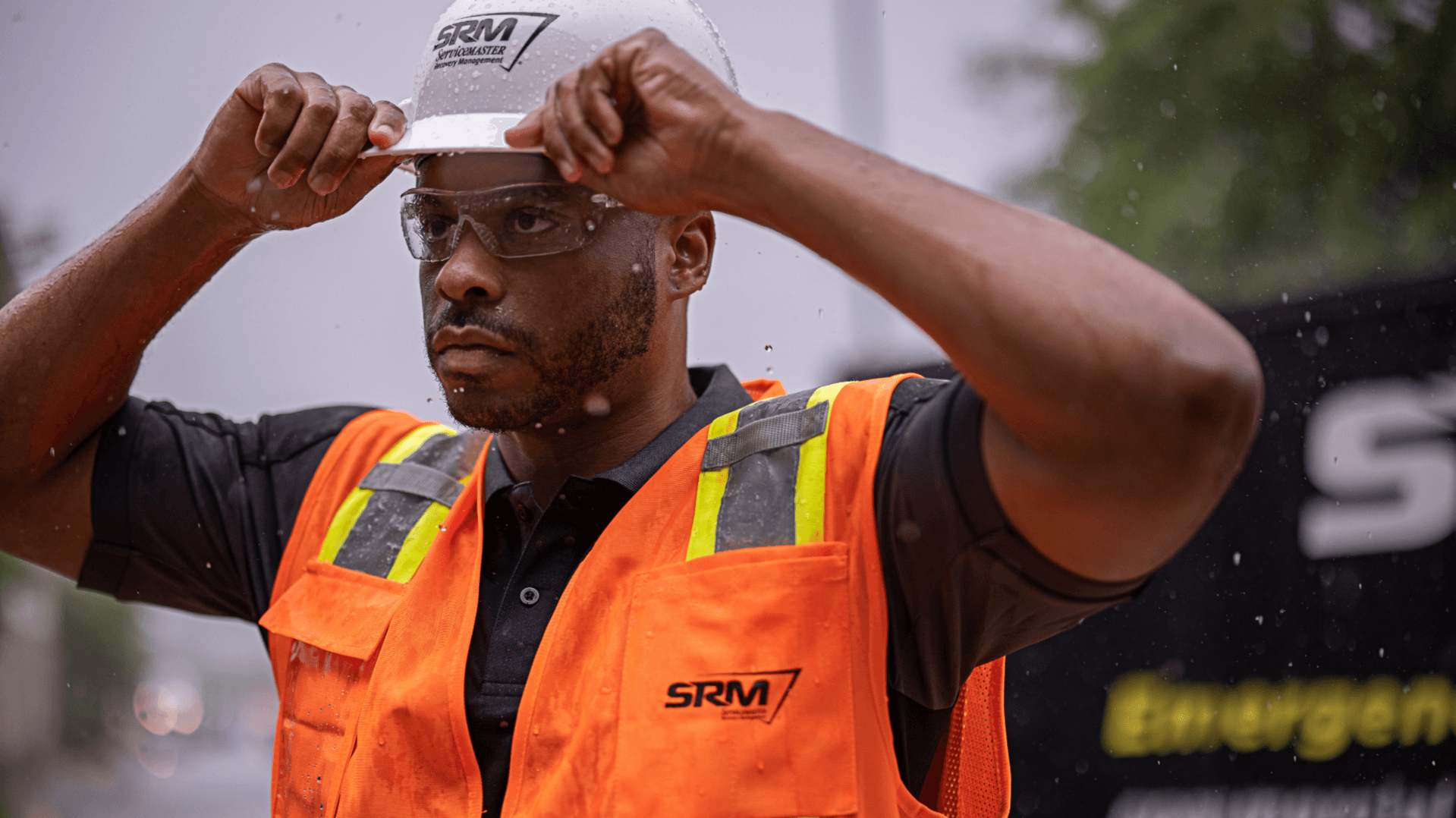
When a hurricane makes landfall, restoration companies can face an immediate surge in demand. Homes and businesses may be flooded or damaged, local restoration crews can be stretched thin and property managers may not even be able to reach their buildings. For ServiceMaster Restore, preparing to meet that demand begins well before a storm appears on the forecast.

The restoration franchise works throughout the year to prepare its network for major weather events. That includes training franchisees, planning how resources can be moved between markets and maintaining communication with commercial clients so the company has a clearer picture of where help may be needed.

“Our ability to mobilize additional resources to support the community that's been impacted and help them recover quicker is something that we really pride ourselves on,” said Drew Draisey, vice president of field operations and local sales at ServiceMaster Restore. “We spend a lot of time working with our network, hosting trainings and making sure that they're prepared and understand how we're going to collaborate and communicate during those mobilizations.”

Preparing Before the Storm Arrives

As a hurricane develops, ServiceMaster Restore works with meteorologists and other weather partners to monitor its projected path and potential impact. The team looks beyond the storm's category, considering anticipated storm surge, sustained winds, wind gusts, rainfall and the population concentrated in areas that could be affected. That information helps determine the size of the response ServiceMaster Restore may need.

As the storm gets closer and forecasters have a better idea of where it may hit, ServiceMaster Restore reaches out to franchisees that may be able to help. Franchise owners can sign up to take part in the response and begin getting their crews and equipment ready.

Once landfall is expected within roughly 48 to 72 hours, ServiceMaster Restore may begin moving crews and staging resources outside the areas expected to experience the strongest effects.

“We want to keep all of our people safe, so we're not putting anybody in harm's way,” Draisey said. “But as that storm blows through, we'll start to then zone off that impacted area so we can start scheduling and mobilizing teams within each of those zones. We're not sitting on our hands waiting for the phone to ring before we load those trucks. We're ready to respond in case our clients need help.”

Moving People and Equipment Where They Are Needed

Once crews can safely enter affected communities, ServiceMaster Restore begins assessing damage and responding to requests from customers. For commercial properties, simply getting someone to the site can be an important first step. Property managers, general managers and other employees responsible for a building may have evacuated or could be dealing with damage to their own homes.

“Being an extension of those companies and being able to get eyes on site to support and provide feedback to their home office or their key stakeholders within those companies can be helpful in making a decision to start that recovery process more quickly,” Draisey said. 

Equipment availability can present another challenge after a major storm. Drying and restoration equipment may quickly become difficult to find in a heavily affected market. To increase its capacity, ServiceMaster Restore has invested in 53-foot equipment trailers stocked with restoration equipment that can be moved around the country and staged closer to areas facing potential hurricanes.

A Franchise Network Built to Scale

The size of a hurricane response can change quickly, and multiple disasters can sometimes require resources at the same time. Draisey pointed to the response following Hurricane Harvey as an example. ServiceMaster Restore was assisting customers following historic flooding in the Houston area when another hurricane struck Florida only weeks later.

“We were able to take care of two major events simultaneously,” Draisey said. “We have significant bandwidth to scale up and move resources to those areas that have been heavily impacted.”

The more information the company has before a storm, the better it can plan its response while preserving enough capacity to assist homeowners and businesses that may not already have a relationship with ServiceMaster Restore.

The Advantage of Being Part of a Larger System

An independent restoration business traveling to a disaster area may have to determine on its own where to go, where the greatest demand exists and how to connect with customers. ServiceMaster Restore franchisees mobilizing through the network have corporate coordination, existing customer relationships, weather intelligence and marketing support behind them.

“You don't have to reinvent the wheel,” Draisey said. “We have those pre-existing relationships. We're working with meteorology partners that are helping us read the tea leaves of the forecast on areas that may be impacted.”

The company's marketing team also communicates with existing customers and helps make affected communities aware that ServiceMaster Restore resources are available. As requests come in, corporate teams can connect those jobs with franchisees participating in the mobilization.

For homeowners and businesses, Draisey said hurricane preparedness remains important even when forecasts call for a less active season. It only takes one major storm hitting the wrong place to cause extensive damage.

“Don't read that forecast and think that you're in the clear,” he said. “It still only takes one hurricane in a market to need recovery services.”

For ServiceMaster Restore, that uncertainty is exactly why preparation starts early. By training franchisees, tracking storms, communicating with clients and positioning crews and equipment before landfall, the network moves quickly when communities need help most.

To find out more information on costs to buy this franchise, please visit https://1851franchise.com/servicemaster-restore

When a hurricane makes landfall, restoration companies can face an immediate surge in demand. Homes and businesses may be flooded or damaged, local restoration crews can be stretched thin and property managers may not even be able to reach their buildings. For ServiceMaster Restore, preparing to meet that demand begins well before a storm appears on the forecast.

The restoration franchise works throughout the year to prepare its network for major weather events. That includes training franchisees, planning how resources can be moved between markets and maintaining communication with commercial clients so the company has a clearer picture of where help may be needed.

“Our ability to mobilize additional resources to support the community that's been impacted and help them recover quicker is something that we really pride ourselves on,” said Drew Draisey, vice president of field operations and local sales at ServiceMaster Restore. “We spend a lot of time working with our network, hosting trainings and making sure that they're prepared and understand how we're going to collaborate and communicate during those mobilizations.”

Preparing Before the Storm Arrives

As a hurricane develops, ServiceMaster Restore works with meteorologists and other weather partners to monitor its projected path and potential impact. The team looks beyond the storm's category, considering anticipated storm surge, sustained winds, wind gusts, rainfall and the population concentrated in areas that could be affected. That information helps determine the size of the response ServiceMaster Restore may need.

As the storm gets closer and forecasters have a better idea of where it may hit, ServiceMaster Restore reaches out to franchisees that may be able to help. Franchise owners can sign up to take part in the response and begin getting their crews and equipment ready.

Once landfall is expected within roughly 48 to 72 hours, ServiceMaster Restore may begin moving crews and staging resources outside the areas expected to experience the strongest effects.

“We want to keep all of our people safe, so we're not putting anybody in harm's way,” Draisey said. “But as that storm blows through, we'll start to then zone off that impacted area so we can start scheduling and mobilizing teams within each of those zones. We're not sitting on our hands waiting for the phone to ring before we load those trucks. We're ready to respond in case our clients need help.”

Moving People and Equipment Where They Are Needed

Once crews can safely enter affected communities, ServiceMaster Restore begins assessing damage and responding to requests from customers. For commercial properties, simply getting someone to the site can be an important first step. Property managers, general managers and other employees responsible for a building may have evacuated or could be dealing with damage to their own homes.

“Being an extension of those companies and being able to get eyes on site to support and provide feedback to their home office or their key stakeholders within those companies can be helpful in making a decision to start that recovery process more quickly,” Draisey said. 

Equipment availability can present another challenge after a major storm. Drying and restoration equipment may quickly become difficult to find in a heavily affected market. To increase its capacity, ServiceMaster Restore has invested in 53-foot equipment trailers stocked with restoration equipment that can be moved around the country and staged closer to areas facing potential hurricanes.

A Franchise Network Built to Scale

The size of a hurricane response can change quickly, and multiple disasters can sometimes require resources at the same time. Draisey pointed to the response following Hurricane Harvey as an example. ServiceMaster Restore was assisting customers following historic flooding in the Houston area when another hurricane struck Florida only weeks later.

“We were able to take care of two major events simultaneously,” Draisey said. “We have significant bandwidth to scale up and move resources to those areas that have been heavily impacted.”

The more information the company has before a storm, the better it can plan its response while preserving enough capacity to assist homeowners and businesses that may not already have a relationship with ServiceMaster Restore.

The Advantage of Being Part of a Larger System

An independent restoration business traveling to a disaster area may have to determine on its own where to go, where the greatest demand exists and how to connect with customers. ServiceMaster Restore franchisees mobilizing through the network have corporate coordination, existing customer relationships, weather intelligence and marketing support behind them.

“You don't have to reinvent the wheel,” Draisey said. “We have those pre-existing relationships. We're working with meteorology partners that are helping us read the tea leaves of the forecast on areas that may be impacted.”

The company's marketing team also communicates with existing customers and helps make affected communities aware that ServiceMaster Restore resources are available. As requests come in, corporate teams can connect those jobs with franchisees participating in the mobilization.

For homeowners and businesses, Draisey said hurricane preparedness remains important even when forecasts call for a less active season. It only takes one major storm hitting the wrong place to cause extensive damage.

“Don't read that forecast and think that you're in the clear,” he said. “It still only takes one hurricane in a market to need recovery services.”

For ServiceMaster Restore, that uncertainty is exactly why preparation starts early. By training franchisees, tracking storms, communicating with clients and positioning crews and equipment before landfall, the network moves quickly when communities need help most.

To find out more information on costs to buy this franchise, please visit https://1851franchise.com/servicemaster-restore

Don’t Miss the Next Big Franchise Story

Sign up for the 1851 Franchise newsletter to get our biggest stories before everyone else

By signing up, you agree to our user agreement (including class action waiver and arbitration provisions), and acknowledge our privacy policy.

Victoria Campisi

About the Author

Victoria Campisi

Follow

All Articles

No related articles found