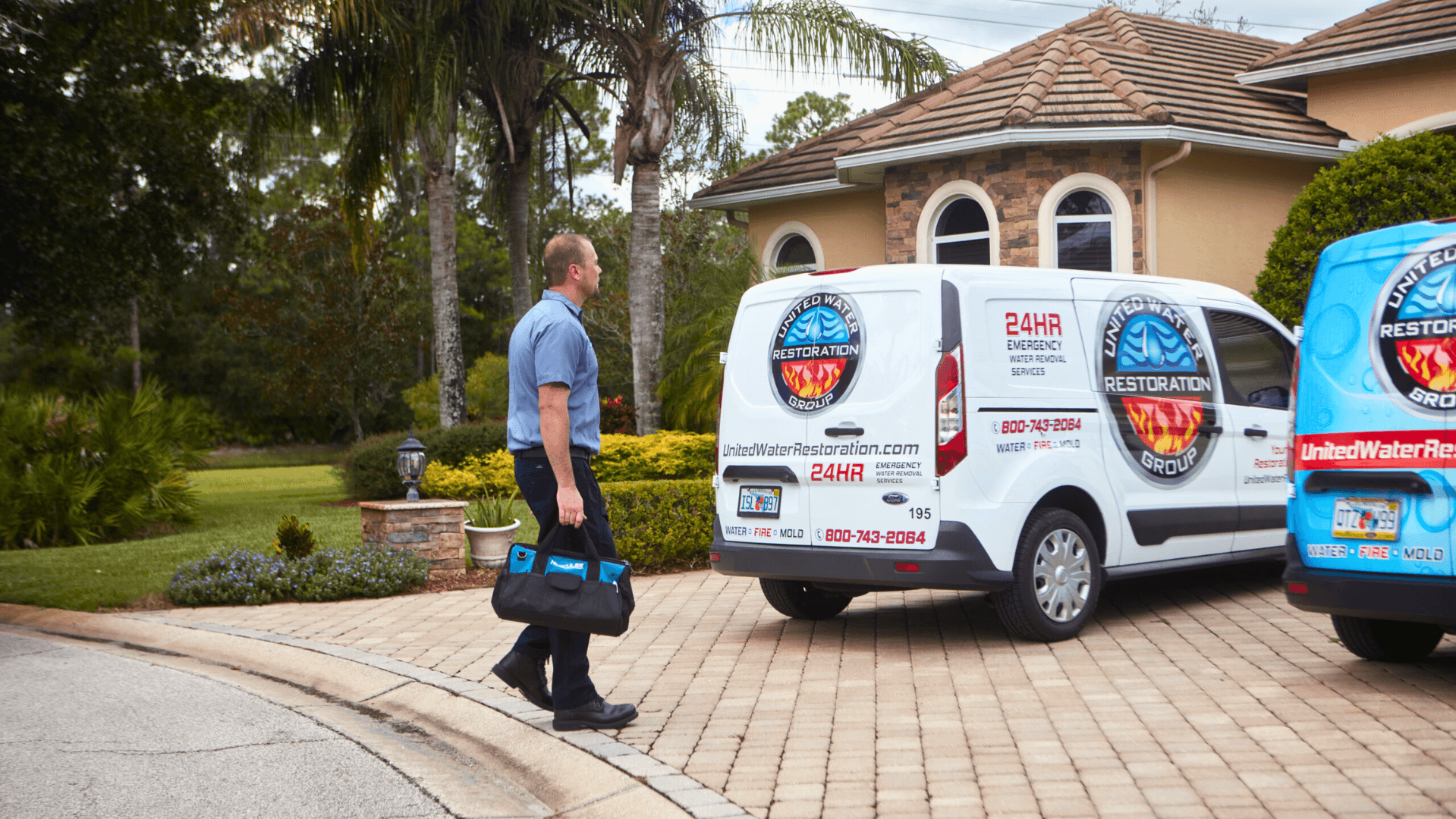
Homeowners who prepare ahead of time are far more likely to withstand the wetter 2026 El Niño forecast. Increased storm activity is expected across the South and Gulf Coast, and repeated rainfall can slowly expose weak spots in a home that might otherwise go unnoticed.
“Most of the damage we respond to during heavy rain seasons isn’t from catastrophic events. It’s from repeated exposure where small vulnerabilities turn into major problems,” said Bob Moore, president of United Water Restoration Group (UWRG), a national restoration and remediation franchise.
El Niño shifts atmospheric patterns, often sending more frequent storm systems across the southern part of the country. While that can bring periods of steady rain rather than isolated events, the outcome for homeowners can be the same or worse. More rain creates more opportunities for water to find its way into places it should not be, especially when homes have small vulnerabilities that have gone unaddressed.
UWRG sees the impact of those patterns firsthand. The company responds to water damage, mold and storm-related issues across storm-prone markets, and its teams often notice the same trend during wetter seasons. It is not always a single major storm that causes the most problems. It is the accumulation of moisture over time.
Roof leaks are among the most common issues, especially in homes where shingles and flashing have worn out. Water can also get through poorly sealed windows and doors, or collect around the foundation if drainage is not functioning properly. Overwhelmed stormwater systems can also cause flooding, even in areas where it’s not typical.
Once water enters a home, moisture can spread behind walls, under flooring and into insulation. This can create conditions where materials begin to break down. Mold growth can sometimes occur within just a day or two, making the restoration process more difficult.
Don’t Wait Too Long to React
Many homeowners miss the early signs that something is wrong. The warning signals are often subtle and easy to dismiss. A faint stain on a ceiling, a musty smell in a closet, or slight warping in the flooring can all indicate water intrusion that has already begun. By the time water becomes visible, the underlying issue has often been present for some time.
“Too often, homeowners don’t realize there’s a problem until water is already coming in,” Moore said. “By that point, the leak or drainage issue may have been building for weeks. The sooner you catch it, the easier it usually is to fix.”
Before the rain picks up, homeowners should look for worn shingles, blocked gutters and downspouts that may be sending water too close to the house. It’s also worth checking the window and door seals, as small gaps can let rain in.
Small Fixes Now Can Prevent Major Repairs Later
If the ground around a home slopes toward the foundation, water can collect in the wrong places and seep inside. The ground around the foundation should slope away from the house so that water drains outward, not in.
For homes with basements or crawl spaces, it’s also a good idea to check that sump pumps and drainage systems are functioning properly before heavy rain begins.
“The homeowners who avoid major damage are usually the ones who stay on top of basic maintenance,” Moore said. “It’s not complicated, but it does require attention before the storms arrive.”
Waiting too long can make the damage much more expensive. A leak caught early may only need a simple repair. Left alone, that water can move through walls, flooring and insulation, leading to extraction, drying and possible mold remediation. At that point, a small maintenance issue can become a much larger restoration job.
Preparing for a Wetter Season Starts Before the Storm
El Niño does not guarantee severe outcomes for every homeowner, but it does increase the likelihood. For homeowners across Texas, the Gulf Coast, Florida, Georgia and the Carolinas, there’s time to prepare for wetter conditions. Addressing these small issues early can reduce the risk of damage before the season peaks.
UWRG responds when problems occur, but the goal is to help homeowners avoid reaching that point. Seasonal weather patterns will continue to shift, but the fundamentals of protecting a home remain the same. Attention to detail, early action and a clear understanding of risk can make the difference between routine maintenance and a costly repair.
To find out more information on costs to buy this franchise, please visit https://1851franchise.com/unitedwaterrestoration.