Mold is incredibly common in the world around us, but for homeowners, it can be a cause for major concern. Not all mold is inherently dangerous, but some is, and exposure can cause health symptoms for many people. Because of this, it can be easy for homeowners to panic when they suspect or discover mold in their spaces, but this often doesn’t yield the best results. This Mold Awareness Month, United Water Restoration Group, the 50-plus-unit restoration franchise, is sharing tips and guidance to educate homeowners about mold and provide the knowledge necessary to respond appropriately in the case of a suspected mold problem.

One of the most important things to remember is that it’s best to consult professionals in any mold-related scenario. With mold, the depth of the problem may not always be fully visible to the untrained eye. A do-it-yourself solution may not address the source of the problem, and DIY removal efforts can often exacerbate the issue. If you’re concerned about mold in your home, call in the professionals to take a look.

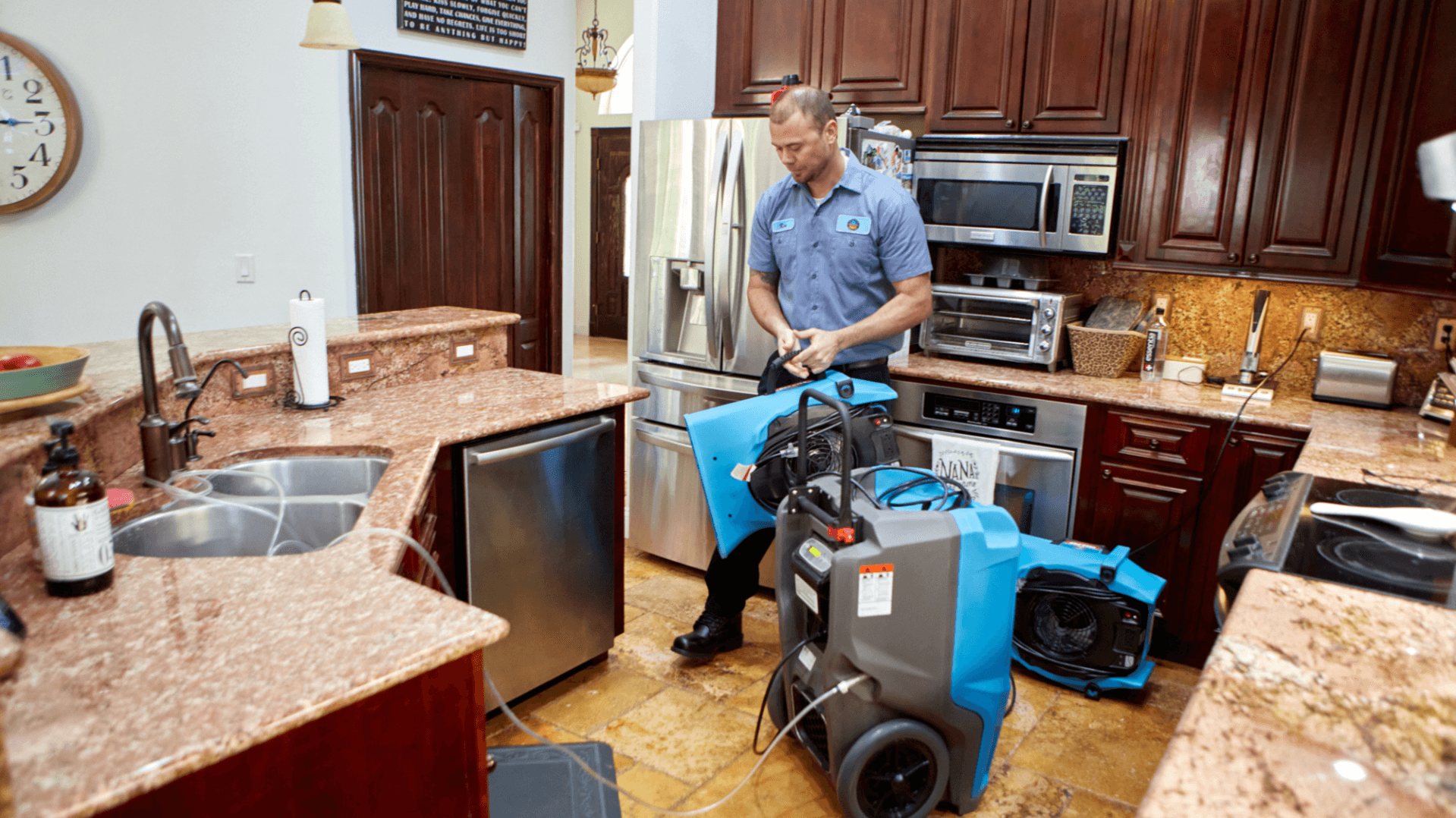
“Generally, we start off with a free visual inspection for any microbial growth or areas of concern that are damp,” said Weston McKee, owner of United Water Restoration Group of Iowa City. “We’ll take a moisture meter and check ambient humidity and temperature in the house to see if we have the right conditions for mold growth.”

A qualified professional can walk you through the entire process, but knowing when to call them is the first step.

Myth: If I Can’t See Mold, I Don’t Have Mold

Some people look for visible dark spots or microbial growth on open surfaces to identify mold, but realistically, a substantial amount of damaging mold growth can occur out of sight or in inaccessible areas.

You don’t need to have a clear view of mold to make a call to a remediation professional. Sensitivity varies from person to person, but anything from noticing a musty smell to experiencing eye or nasal irritation can be a sign of mold. If something doesn’t seem right, a professional with the right tools can help you get to the bottom of the problem.

“We find that mold is often hiding,” McKee said. “For example, if the mold is underneath a dishwasher, you might not notice it until the dishwasher is running and the heat and moisture from the dishwasher exacerbate it. We might not be able to see that because it’s coming from a pipe underneath the dishwasher, for example, but we know which variables to look for and how to diagnose the less obvious cases.”

Myth: I Can Permanently Remove Mold With Bleach

You won’t always be able to easily identify mold yourself, but if you do, you need to know what not to do. Household chlorine bleach is often seen as a go-to solution for mold concerns, but it is at best ineffective and, at worst, harmful.

“There’s an idea that bleach kills everything; it does not,” McKee said. “One of the problems with bleach is the low percentage of bleach to water in the household mixtures people get. The bleach will evaporate faster than the water, leaving a water source to feed the mold. And the bleach that does affect the mold before evaporating will disrupt the cell structure, which can cause some molds to release mycotoxins and ultimately make the situation worse.”

Mold removal is more involved than simply cleaning what you can see. Professionals contain the affected area to keep mold from spreading, remove the source and treat structural materials that have to stay in place, such as wall studs. From there, rebuilding can begin once the existing mold and the conditions that caused it have been addressed.

Myth: A Small Patch of Mold Isn’t a Big Deal

A small patch of mold can look like an easy problem to handle on its own. But what you see on the surface may be only part of what’s happening behind the wall, under flooring or elsewhere nearby.

Visible mold can branch out into structural elements, drywall and subflooring if the moisture source is continuous. This is another key reason to call a professional as soon as you notice something wrong. If the small patch really is just a small patch, a remediation professional can address it to prevent it from spreading and turning into a larger concern. If the visible spot is just part of what needs to be addressed, a remediation professional can determine how far the mold has spread and address the full problem.

Myth: I Only Need to Worry About Mold After Major Floods or Storms

It’s true that significant water events in a home, like a natural flood, burst pipe or water leak from a damaged roof, can introduce moisture and encourage mold growth. But mold can still grow even if none of these things have happened. Mold often comes from everyday behaviors.

“There are ‘non-event mold sources,’” McKee said. “One of the number one things I look for is closets that don’t get much airflow, especially if they’re on an outside wall where we might have cold and warm air mixing and causing condensation. Bathroom fans that are vented into the attic rather than exhausted to the outside send humid air to the attic, causing condensation and creating a prime environment for mold.”

While natural disasters are certainly a contributor to mold problems, nothing catastrophic has to happen for mold to grow in your home.

Myth: Once Mold Is Removed, the Problem Is Permanently Solved

Just cleaning or tearing out moldy building materials isn’t guaranteed to prevent future growth.

“Mold needs three things to grow: the right temperature, moisture and a food source,” McKee said. “We have to chop out one of those legs so mold doesn’t grow back. It does no good for us to come in and remediate a bunch of mold, then leave the water source that was creating the moisture the mold needs to grow.”

Once the mold is gone, homeowners must make sure they’ve taken the proper steps to prevent moisture, whether that’s installing a commercial-grade crawlspace dehumidifier or repairing a water leak.

Why Professional Restoration Matters

The environment that encourages mold growth can be created by a range of circumstances. From stronger, more frequent storms and natural disasters to aging infrastructure, it’s becoming increasingly important for homeowners to understand what causes mold and how they should address it. Throughout the entire process, working with a qualified professional is one of the most important considerations.

“We started off as an asbestos company, so our containment is well above what a consumer would do and often more thorough than a lot of other restoration companies,” McKee said. “We keep our customers’ homes safe throughout the project, and once it’s complete, our practice is to have a third party come in and test for mold to check our work. It keeps a great level of accountability for us and provides the customer even more peace of mind.”

While mold concerns can arise year-round, Mold Awareness Month serves as an opportunity to increase knowledge, bust common myths and ensure homeowners are prepared to face potential mold with the right information (and teams) behind them. When working with a professional team like UWRG, homeowners benefit from a network of deep expertise and industry-leading standards that protect their homes and families throughout the entire process.

For more information on UWRG, please visit https://unitedwaterrestoration.com/. 

Mold is incredibly common in the world around us, but for homeowners, it can be a cause for major concern. Not all mold is inherently dangerous, but some is, and exposure can cause health symptoms for many people. Because of this, it can be easy for homeowners to panic when they suspect or discover mold in their spaces, but this often doesn’t yield the best results. This Mold Awareness Month, United Water Restoration Group, the 50-plus-unit restoration franchise, is sharing tips and guidance to educate homeowners about mold and provide the knowledge necessary to respond appropriately in the case of a suspected mold problem.

One of the most important things to remember is that it’s best to consult professionals in any mold-related scenario. With mold, the depth of the problem may not always be fully visible to the untrained eye. A do-it-yourself solution may not address the source of the problem, and DIY removal efforts can often exacerbate the issue. If you’re concerned about mold in your home, call in the professionals to take a look.

“Generally, we start off with a free visual inspection for any microbial growth or areas of concern that are damp,” said Weston McKee, owner of United Water Restoration Group of Iowa City. “We’ll take a moisture meter and check ambient humidity and temperature in the house to see if we have the right conditions for mold growth.”

A qualified professional can walk you through the entire process, but knowing when to call them is the first step.

Myth: If I Can’t See Mold, I Don’t Have Mold

Some people look for visible dark spots or microbial growth on open surfaces to identify mold, but realistically, a substantial amount of damaging mold growth can occur out of sight or in inaccessible areas.

You don’t need to have a clear view of mold to make a call to a remediation professional. Sensitivity varies from person to person, but anything from noticing a musty smell to experiencing eye or nasal irritation can be a sign of mold. If something doesn’t seem right, a professional with the right tools can help you get to the bottom of the problem.

“We find that mold is often hiding,” McKee said. “For example, if the mold is underneath a dishwasher, you might not notice it until the dishwasher is running and the heat and moisture from the dishwasher exacerbate it. We might not be able to see that because it’s coming from a pipe underneath the dishwasher, for example, but we know which variables to look for and how to diagnose the less obvious cases.”

Myth: I Can Permanently Remove Mold With Bleach

You won’t always be able to easily identify mold yourself, but if you do, you need to know what not to do. Household chlorine bleach is often seen as a go-to solution for mold concerns, but it is at best ineffective and, at worst, harmful.

“There’s an idea that bleach kills everything; it does not,” McKee said. “One of the problems with bleach is the low percentage of bleach to water in the household mixtures people get. The bleach will evaporate faster than the water, leaving a water source to feed the mold. And the bleach that does affect the mold before evaporating will disrupt the cell structure, which can cause some molds to release mycotoxins and ultimately make the situation worse.”

Mold removal is more involved than simply cleaning what you can see. Professionals contain the affected area to keep mold from spreading, remove the source and treat structural materials that have to stay in place, such as wall studs. From there, rebuilding can begin once the existing mold and the conditions that caused it have been addressed.

Myth: A Small Patch of Mold Isn’t a Big Deal

A small patch of mold can look like an easy problem to handle on its own. But what you see on the surface may be only part of what’s happening behind the wall, under flooring or elsewhere nearby.

Visible mold can branch out into structural elements, drywall and subflooring if the moisture source is continuous. This is another key reason to call a professional as soon as you notice something wrong. If the small patch really is just a small patch, a remediation professional can address it to prevent it from spreading and turning into a larger concern. If the visible spot is just part of what needs to be addressed, a remediation professional can determine how far the mold has spread and address the full problem.

Myth: I Only Need to Worry About Mold After Major Floods or Storms

It’s true that significant water events in a home, like a natural flood, burst pipe or water leak from a damaged roof, can introduce moisture and encourage mold growth. But mold can still grow even if none of these things have happened. Mold often comes from everyday behaviors.

“There are ‘non-event mold sources,’” McKee said. “One of the number one things I look for is closets that don’t get much airflow, especially if they’re on an outside wall where we might have cold and warm air mixing and causing condensation. Bathroom fans that are vented into the attic rather than exhausted to the outside send humid air to the attic, causing condensation and creating a prime environment for mold.”

While natural disasters are certainly a contributor to mold problems, nothing catastrophic has to happen for mold to grow in your home.

Myth: Once Mold Is Removed, the Problem Is Permanently Solved

Just cleaning or tearing out moldy building materials isn’t guaranteed to prevent future growth.

“Mold needs three things to grow: the right temperature, moisture and a food source,” McKee said. “We have to chop out one of those legs so mold doesn’t grow back. It does no good for us to come in and remediate a bunch of mold, then leave the water source that was creating the moisture the mold needs to grow.”

Once the mold is gone, homeowners must make sure they’ve taken the proper steps to prevent moisture, whether that’s installing a commercial-grade crawlspace dehumidifier or repairing a water leak.

Why Professional Restoration Matters

The environment that encourages mold growth can be created by a range of circumstances. From stronger, more frequent storms and natural disasters to aging infrastructure, it’s becoming increasingly important for homeowners to understand what causes mold and how they should address it. Throughout the entire process, working with a qualified professional is one of the most important considerations.

“We started off as an asbestos company, so our containment is well above what a consumer would do and often more thorough than a lot of other restoration companies,” McKee said. “We keep our customers’ homes safe throughout the project, and once it’s complete, our practice is to have a third party come in and test for mold to check our work. It keeps a great level of accountability for us and provides the customer even more peace of mind.”

While mold concerns can arise year-round, Mold Awareness Month serves as an opportunity to increase knowledge, bust common myths and ensure homeowners are prepared to face potential mold with the right information (and teams) behind them. When working with a professional team like UWRG, homeowners benefit from a network of deep expertise and industry-leading standards that protect their homes and families throughout the entire process.

For more information on UWRG, please visit https://unitedwaterrestoration.com/. 
Don’t Miss the Next Big Franchise Story

Sign up for the 1851 Franchise newsletter to get our biggest stories before everyone else

By signing up, you agree to our user agreement (including class action waiver and arbitration provisions), and acknowledge our privacy policy.

Morgan Wood

About the Author

Morgan Wood

Follow

All Articles

No related articles found