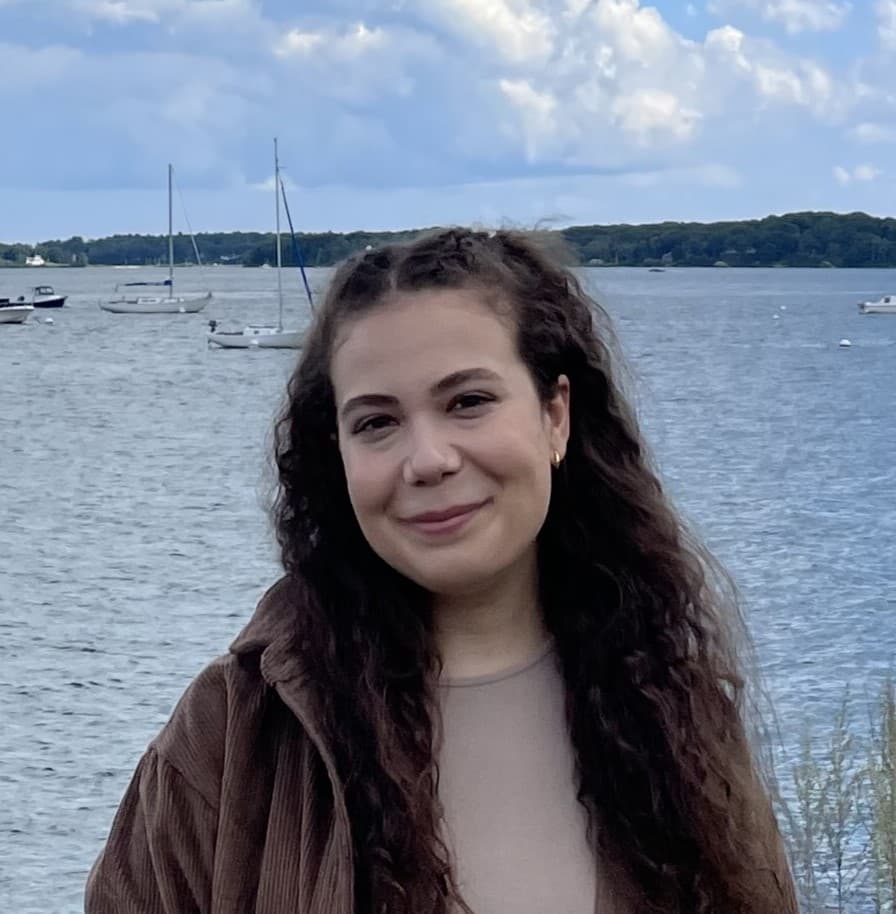
When a flooded basement turned into a stressful home repair project, Geetika and John Casmon learned firsthand how overwhelming property damage can be. That experience, combined with their backgrounds in consulting and real estate, inspired them to open United Water Restoration Group of Cincinnati East in October.
Geetika, whose parents immigrated from India, spent two decades in corporate America before deciding she wanted to build something of her own. Her parents had worked hard to create stability for their family, and now she’s focused on carrying that legacy forward, creating new opportunities and setting an example for her children about what’s possible through hard work and entrepreneurship.
John had been managing real estate investments and saw restoration as a natural next step, a business connected to property but centered on helping people. Together, they found franchising to be the right way to start strong while building something long-term for their family.
Now operating from their base in Sycamore Township, the Casmons look to become a trusted resource for homeowners across Cincinnati. Their goal is to provide reliability and compassion in a business that restores not just homes but also peace of mind.
1851 Franchise spoke to the Casmons about their franchise journey and plans for the future. Here’s what they had to say:
1851 Franchise: Frame your personal story for us. What did you do before franchising, and how did you decide franchising made sense for you?
Geetika Casmon: I spent about 20 years in corporate America, starting in public accounting and moving through roles in audit, finance consulting and innovation. I helped clients rethink their services, products and growth challenges.
After 20 years, things started to feel different at the company. There were changes in leadership, and many of the people I’d started with had retired or moved on. It made me stop and reflect on what I wanted to do next. With the cultural and leadership shifts, I decided it was the right moment to step away and pursue something I’d always been interested in, franchising. I wanted to own my own business but was a little risk-averse. Franchising made sense because it offered a strong foundation I could build upon and make my own.
We worked with a franchise consultant and explored industries that made sense for us. John has been involved in real estate investing — we’ve done small multifamily projects together, and he now focuses on large commercial investments, including 100-plus-unit apartment complexes. We already had experience with rehabbing and working with property managers, so we thought about creating something real estate-adjacent that could leverage our existing network and resources.
We explored several options, but restoration made the most sense, both from a real estate standpoint and in terms of scalability. It offered opportunities to expand into reconstruction, plumbing and other related services. From a financial perspective, the numbers also made sense. With my accounting background, I could see that the business model was solid. We loved the franchise and its leadership team, who have been incredibly supportive. And with John’s connections, we have the resources to scale it over time. That’s ultimately how we landed in this space.
John Casmon: I’d add that one of the reasons restoration stood out is because we had a personal experience with it. Our basement flooded, and we had several contractors come through trying to find the problem. No one could identify the source, and we eventually figured it out ourselves. Geetika took the lead. She researched, got the dehumidifiers and handled most of the cleanup.
That experience stuck with us. When we started talking about what was next, she reflected not only on what went right but also on the stress of it all. Your home is your biggest investment, and when water starts coming in, the fear sets in. Dealing with insurance, contractors, the uncertainty, even with our real estate background — it was overwhelming.
We wanted to be in a business where we could help people through that kind of moment, to serve them with care and understanding. We knew the industry, we understood the challenges, and we wanted to build something that made a real difference for homeowners.
1851: What was your perception of franchising prior to becoming a franchise owner, and what do you want people to know about franchising now that you are in it?
Geetika: I think we probably read a self-help book on franchising before, but I really appreciated the concept. Some people focus on the downside, that you’re paying fees or giving away money and I understand that. But the value you get, if you choose the right franchise, is significant. Not every franchise will be the right fit, so we vetted quite a few, even within the restoration industry. Some felt impersonal, like we’d just be another number. So we had to carefully evaluate our options, and franchising ultimately made sense.
For someone like me coming from the corporate world, the structure and collaboration felt familiar. In a good franchise system, you have that same access to people and support from the corporate office. As long as the leadership team is strong and you connect with them, you can see their vision and feel confident in their support. We also interviewed several franchise owners to understand what they liked and what they didn’t, which I think is crucial.
I believe franchising is an incredible opportunity. It’s not for everyone, but if you want something scalable with built-in support and resources, it’s a great way to start. There’s a lot you don’t know when launching a business, and having people guide you through that process makes a big difference. For us, the fees and royalties have been worth it because of the solid foundation we’ve gained. We don’t have to struggle through the challenges others have already solved, we can focus on growing the business and making it stronger.
1851: What made you pick this brand? What excites you most about this company?
Geetika: The most important factor for us was the support. We wanted to make sure we were getting real value for what we were investing in, so we spoke with a lot of franchise owners. We asked what they liked about the team, what they didn’t and what they thought could be improved. Gathering all that feedback helped us narrow down our options. Once we identified a few that felt like a cultural fit, we focused on finding a brand that valued people, their time, work and the contributions they bring to the table.
When we met the leadership team during Discovery Day, I immediately felt at home. Everyone was approachable and genuine. They answered every question, and it didn’t feel like a sales pitch. You could tell they were passionate about their work and committed to the brand. Many of them had been with the company for years, which spoke volumes about their culture and leadership.
What stood out most was their humility. When we met the president, he interacted with such sincerity and respect for his team. There was no ego, just a clear sense of collaboration. Those small, nonverbal cues — the way they engaged with each other — gave us confidence that this was the right team to partner with. It felt like a culture that aligned with what we want to build in our own franchise, and we knew the support would be there when we needed it.
John: I’d add that culture is a huge part of it, like Geetika mentioned. The other key factor was timing. It's almost like dating; you have to meet each other at the right time. For us, UWRG was in the perfect place. They had enough experience, knowledge and established systems to guide franchise owners, but they weren’t so large or rigid that they were mandating every detail.
With some other franchises, the territories we wanted weren’t available or the structure felt too restrictive. UWRG struck the right balance. They offered strong support without limiting our ability to build something of our own. The timing, combined with the culture of the team, made it clear that UWRG was the right fit for us.
1851: What do you hope to achieve with your business? What are your plans for growth?
Geetika: At a high level, when I think about my story — my parents immigrating from India, working hard and building a life here — they always emphasized stability: get a 9-to-5, work hard and retire. They did incredibly well, putting us through college and setting us up for success. But as I advanced in my own career, I began to feel like I wanted to do more, to create something lasting, and have more control and fulfillment in my work.
I want to set that example for my children, to show them that, yes, you can work hard in a career, but you can also build something of your own. Entrepreneurship opens up new possibilities, and I wanted them to see that firsthand.
The other side of it is community. We’ve been through our own home restoration experience, so we know how stressful it can be. We want to be that trusted advisor for families going through similar challenges, to help them with care, communication and respect. It’s important to us that we make a meaningful impact on the people we serve.
From a business perspective, we intentionally chose a large enough territory — two-plus territories — so we could start with room to grow. I’ve left my corporate role, and John is an entrepreneur himself, so this is a full commitment for both of us. We’re focused on establishing strong digital platforms, building local awareness and becoming deeply involved in the community.
Our goal is for people not only to recognize our brand but to associate it with quality work and clear communication. Cincinnati is a competitive market, but we’re determined to become the most trusted restoration company in the region.
John: To build on Geetika’s point, community is really important to us, both at the neighborhood level and across the greater Cincinnati area. We see this work as meaningful, and our goal is to be a trusted resource for people when they need help the most.
A quick story: One of our neighbors had a fire just two days before we opened our doors — the Friday before our Monday launch. You can imagine the stress and chaos they were dealing with. We recently attended a fundraising event to support them, and that experience really underscores why we’re doing this.
For us, it’s about serving people, not just in our Sycamore neighborhood, but throughout Cincinnati. We want to become the company people immediately think of when disaster strikes, the team they trust to step in and make things right. That’s the long-term goal, and we know it will take time and hard work, but that’s exactly what drives us.
1851: Is there anything else about your story you want us to know?
Geetika: For us, it’s always about growth across generations. I know that sounds big, but I truly believe each generation should build a little further on what came before as we continue to evolve.
1851: What advice do you have for other people thinking about becoming franchise owners?
Geetika: I’d go back to what I said earlier, if you’re sold on the concept of franchising, the next step is to understand what kind of support the franchise offers. Make sure you’re getting what you expect from the partnership. You have to genuinely like and trust the people on the leadership team. They need to have a clear vision for the brand, and it should align with your own goals as a franchise owner. If that alignment isn’t there, you’ll end up moving in different directions.
It’s also important to feel comfortable with the culture and confident that you can work well with the team. That relationship really matters.
And finally, talk to franchise owners — as many as you can. Speak with new owners, those in the middle of their journey and experienced operators. They’ll give you the most honest picture of what to expect. That mix of perspectives helps you set realistic expectations and prepares you for what it’s really like once you get started.
John: I’d just add that with franchises, some are more focused on their own business, which makes sense. But you have to dig a little deeper to be sure you’ll be properly supported and that the structure is there for you to thrive.
When we were researching options, we came across some brands where the model looked good on paper, but it felt like the focus was more on corporate profit than on franchise owner success. So it’s really important to understand the fee structure and what kind of support you’ll receive. A lot of that insight comes from talking to current franchise owners, but doing that extra due diligence is critical.
About United Water Restoration Group
Since 2008, United Water Restoration Group (UWRG) has helped thousands of home and business owners restore properties to pre-loss condition. Through a commitment to excellence and a focus on personal attention, clients’ expectations are exceeded every time, without exception. Today, with a philosophy of hiring the best staff to provide professional restoration services, UWRG has grown to more than 50 locations and maintains a level of customer service rarely seen in the industry. Although UWRG assists those experiencing disasters, this growing, recession-proof industry is also supported by fundamental infrastructure issues like aging systems and reconstruction.
The initial investment to open and begin operation ranges from $300,000 - $700,000. For more information on franchising, visit https://uwrgfranchise.com/investment-opportunities/.