Virginia SB 240 Brings Major Changes to Franchise Agreements
New restrictions on post-term noncompetes and governing law requirements are reshaping how franchisors structure agreements and operate in Virginia.


New restrictions on post-term noncompetes and governing law requirements are reshaping how franchisors structure agreements and operate in Virginia.

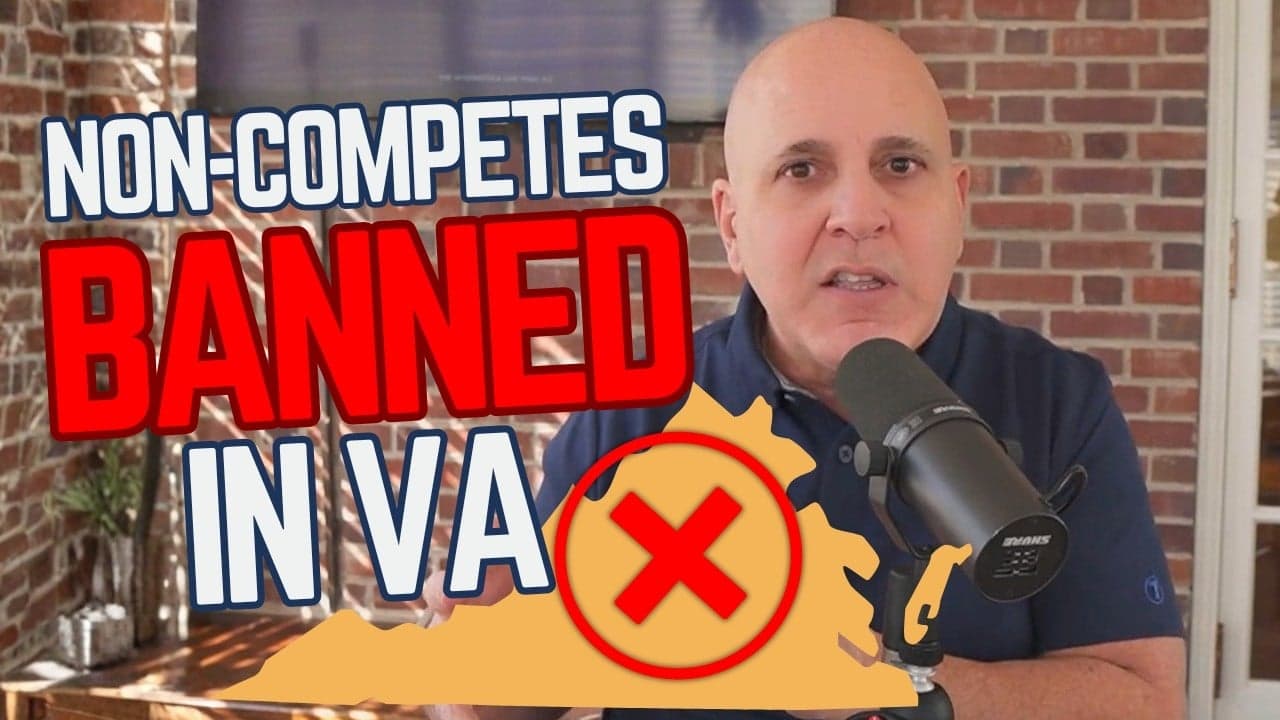
Franchisors operating in Virginia will soon face new requirements after the passage of SB 240, legislation that changes how certain franchise agreements are structured and enforced in the commonwealth. According to an analysis from Internicola Law Firm, the law prohibits certain post-term noncompete provisions in new retail franchise agreements while also requiring those agreements to be governed by Virginia law.
As of July 1, 2026, the new requirements apply to retail franchise agreements entered into on or after that date. Among the biggest changes is a ban on post-term noncompete provisions that restrict franchisees from operating a competing retail business after the franchise relationship ends. Agreements executed on or before June 30, 2026, are grandfathered.
Another significant change requires franchise agreements covered by the Virginia Retail Franchising Act to be governed by Virginia law. Because many franchise systems designate another state's law as the governing law in their agreements, the change will likely require franchisors to update their Virginia-specific franchise documents and compliance procedures.
The law does include a limited exception. If a franchisee voluntarily sells a franchise business to either the franchisor or another buyer for a mutually agreed-upon price, the parties may still agree to a post-sale noncompete provision lasting up to two years. The exception preserves the ability to protect the value of a business sale while limiting the broader use of post-term restrictions.
For franchise brands, the legislation extends beyond revising contract language. Franchisors offering franchises in Virginia should ensure their franchise agreements and franchise disclosure documents comply with the new requirements now that the law is in effect. Many brands may also evaluate other contractual protections, including confidentiality and trade secret provisions, to help safeguard proprietary information after a franchise relationship ends.
SB 240 represents a significant compliance change for franchise systems operating in Virginia and underscores the growing attention states are giving to franchisee protections. Now that the law is in effect, franchisors doing business in the commonwealth should ensure their agreements and disclosure documents reflect the new legal requirements.
Read the analysis from Internicola Law Firm here.
Want to learn more about how 1851 helps franchisees find the right franchise opportunity? Visit www.1851growthclub.com and start your journey.
Sign up for the 1851 Franchise newsletter to get our biggest stories before everyone else
By signing up, you agree to our user agreement (including class action waiver and arbitration provisions), and acknowledge our privacy policy.