Growing a Franchise

What It Really Means to Franchise Your Business
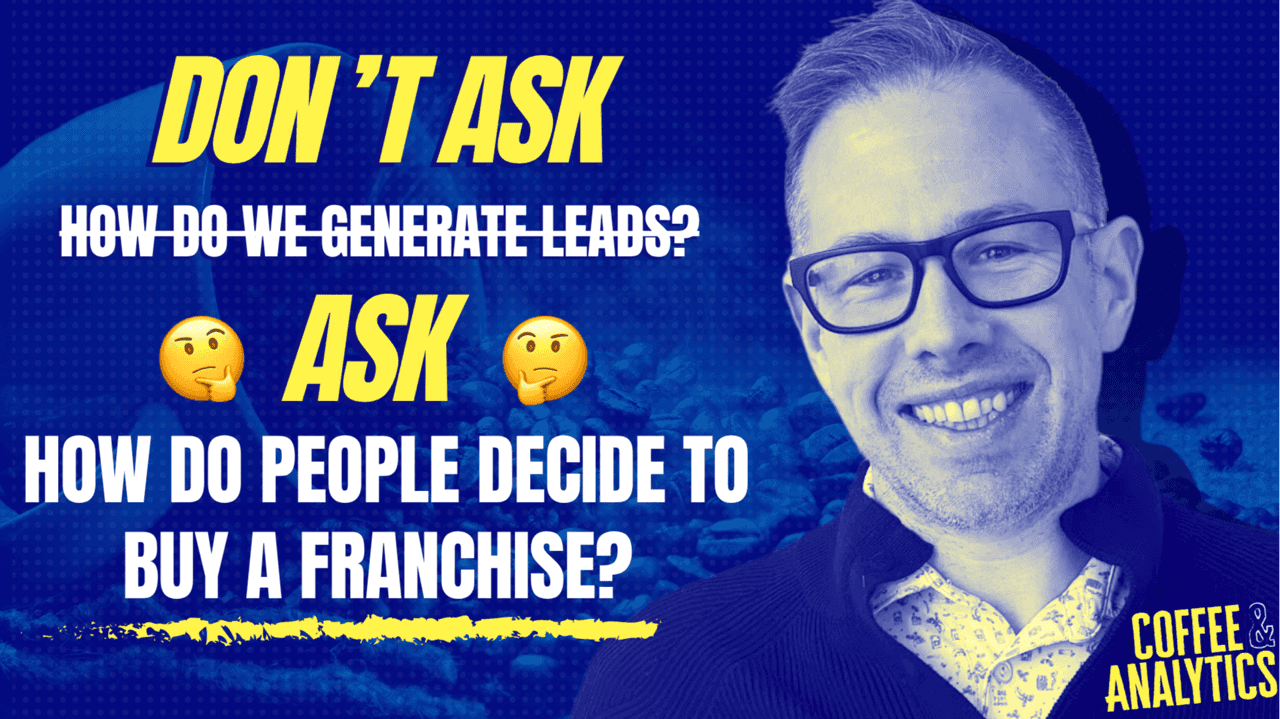
Franchising is about building a second business, strengthening unit-level economics, and guiding franchisees through the long journey of developing, seasoning and scaling.
Growing a Franchise
Franchising is about building a second business, strengthening unit-level economics, and guiding franchisees through the long journey of developing, seasoning and scaling.
Franchising isn't about buying a turnkey package of legal documents and a website. It’s about building a repeatable system, turning it into a brand and leading it through the phases of development, seasoning and growth.
Building a strong franchise, and one that can truly support its franchisees, requires a thoughtful approach that prioritizes healthy, long-term growth over short-term wins. You'll need to be disciplined, patient and have the right mindset to refine your business and create a brand that can operate independently and thrive in new markets.
The process requires more than just checking boxes. Here's how to determine if franchising is the right path and the steps you need to take to succeed.
Not every successful business should become a franchise. The first test is profitability.
“When you’re looking at your business model, the most important thing you have to look at is: Can it actually make money?” said Nick Powills, chief strategy officer at GoodSpark Franchise Growth Accelerator. “Oftentimes, these businesses have these big ideas for how they want to build scale, and the investment goes much larger than what they did when they bootstrapped their business. And now you've become upside down."
A beautiful local business may not translate across markets. What thrives because of a founder’s personal involvement or community connections may not sustain in a new state.
Franchising isn’t an extension of your existing business — it’s a new one.
“When you decide to franchise your business, you have built your second business, and you have to be prepared for it,” Powills said. “It is different from your core business. It is a whole different business. Supporting franchises is a business. Supporting your customers is a business."
There are two business modules there, and both require an equal amount of time, effort and investment. Those who understand this distinction — and commit resources to both — are the ones who scale. Those who don’t are the ones who fail.
Too many new franchisors are sold the promise of packages that include legal, marketing and operations — but the result is often generic, fragmented and ineffective.
“Becoming a franchisor is not the end goal,” said GoodSpark CEO Charles Internicola. “It’s the starting point. You need to season your franchise offering. That seasoning is: becoming a franchisor, having the right foundation — legally protected, right community, right focus; and then onboarding those franchisees, building around them, creating success and then slowly scaling up."
According to Powills, as many as 87% of first-time franchisors don’t sell a franchise in their first two years. That isn’t failure, it’s seasoning.
Powills says that many franchisors focus on selling more units even when their unit-level economics are weak. He challenges brands to consider spending the same money they would have used to sell 25 new franchises on improving their current system instead.
"You say, how do we get to half a million dollars in royalties? What happens if you get to half a million dollars in royalties and now you've improved the franchisees?” Powills said. “Most likely, they're going to buy another unit if you qualify them in, and so the growing fatter and then taller ends up being so valuable."
By strengthening existing franchisees’ performance, they could generate stronger royalties, create multi-unit owners and build a healthier system than chasing raw unit growth.
Franchisors often jump to marketing, expos or broker groups without addressing the basics.
“It’s positioning and messaging. That’s it,” Powills said. “Does your website answer the problem you solve?"
If you can’t explain your brand story in a way that excites someone in seconds, you’re not ready to sell. Generic “buy our franchise” messaging doesn’t build traction. Founder story, differentiation and proof points do.
"What I see time and again … is generic nonsense. 'Buy our franchise. How much money the industry makes,” Internicola said. “I don't see founder story. I don't see a deeper dive on what makes the business unique.”
Above all, franchising is a responsibility.
"When you decide to franchise your business, you're really putting other people's money at risk,” Powills said. “[They’re the ones] that can invest their life savings into your brand. They have little control because they believe in your brand.”
If you’re in it just to make money on fees, you might want to back away. If you’re in it to help franchisees win — while you build wealth too — then you’re on the right path.
Franchising your business is not about speed or shortcuts. It’s about building a system where franchisees can win, brand value can grow and the foundation is strong enough to support scale. The founders who succeed treat franchising as a journey — and commit to walking through the stages of developing, seasoning and scaling with patience and purpose.
“Franchising is a marathon, it's not a sprint," Powills said. "And you have to think of that over the course of 26 plus miles, there's going to be a lot of challenges that you face. And then when you get through it, you're like, 'Boy, that was worth it.'"
Watch the full video above or on YouTube.
Sign up for the 1851 Franchise newsletter to get our biggest stories before everyone else
By signing up, you agree to our user agreement (including class action waiver and arbitration provisions), and acknowledge our privacy policy.