Buy a Franchise
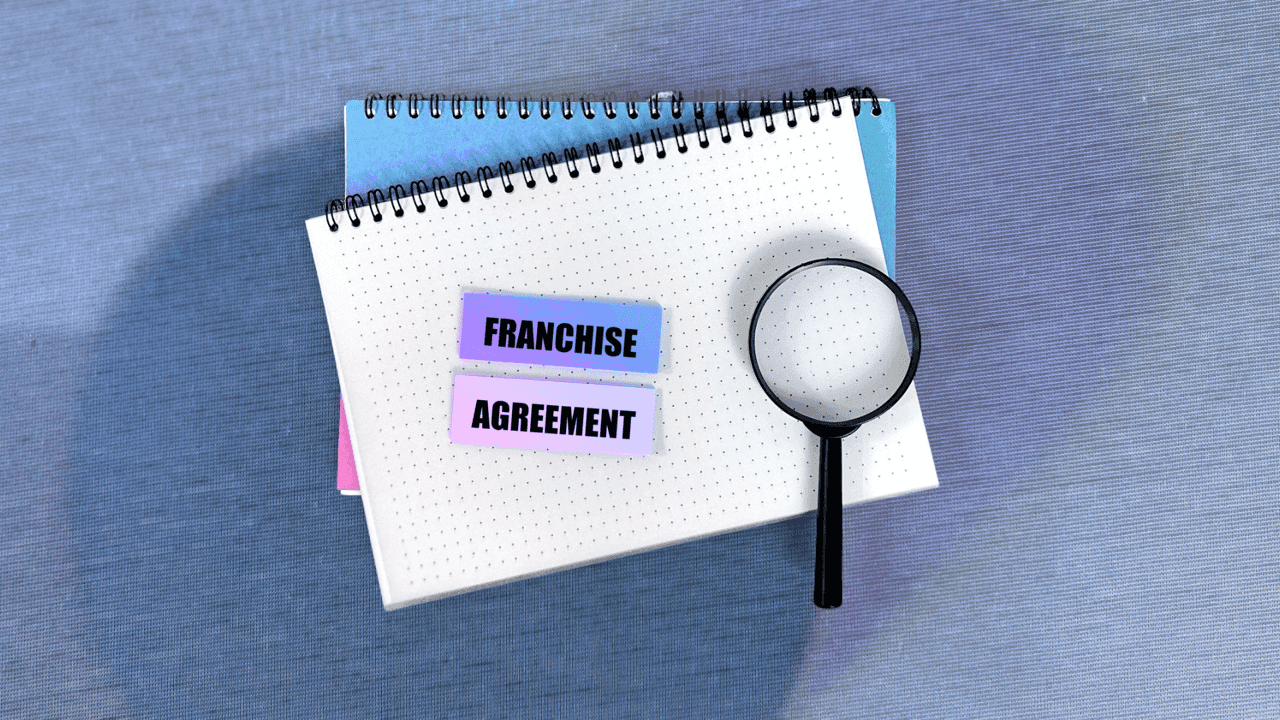
What the Franchise Agreement Actually Covers — and What It Doesn’t
This legal document lays the groundwork for your franchise business, but there’s more to the story than what’s on paper.
Buy a Franchise
This legal document lays the groundwork for your franchise business, but there’s more to the story than what’s on paper.
When you’re about to invest in a franchise, one of the most important — and most intimidating — documents you’ll come across is the franchise agreement. This is the official contract that spells out exactly how your relationship with the franchisor will work. It’s detailed. It’s legally binding. And yes, it can be a lot to read.
But the franchise agreement isn’t just legal red tape; it’s the framework that protects both you and the brand. It lays out the rules of the road: what you’re allowed to do, what you’re responsible for and what you can expect in return. That said, there’s a common misconception that the agreement tells you everything you need to know. It doesn’t.
So let’s break down what it actually covers — and what it leaves out.
First and foremost, the franchise agreement outlines the rights and responsibilities of both parties. It establishes how you can use the franchisor’s trademarks and branding, what kind of territory you’ll have (if any) and the fees you’re required to pay — things like the initial franchise fee, royalty fees and contributions to marketing funds.
It also sets expectations for training and support. Most agreements include language about what kind of onboarding or guidance you’ll receive as you get started, along with how support will be provided throughout your time as a franchisee.
Other key sections typically include the length of the agreement, the process for renewing it and the conditions under which the agreement can be terminated. Essentially, it serves as the legal foundation of the business relationship, encompassing everything from dispute resolution to the consequences of either party breaching the contract.
Here’s where things get interesting. A lot of what matters to your success as a franchisee won’t be found in the franchise agreement.
For example, the agreement won’t tell you if you’ll enjoy running the business day to day, or if the support team is actually responsive when you need help. It also won’t include in-depth details about operations; most of those procedures are kept in the operations manual, a separate document that you usually receive only after signing.
You also won’t find any guarantees. The franchisor can’t promise you’ll make a certain amount of money, even if you follow the system perfectly. Nor will the agreement lay out how the brand’s marketing fund is specifically spent or whether you’ll get a direct benefit from it in your market.
And while the agreement might reference help with site selection, it may not commit to a specific location or lease since that is usually a separate process.
The franchise agreement is crucial, but it’s just one piece of the puzzle. It’s there to protect the brand and provide a consistent structure for every franchisee, but it won’t tell you what your experience will actually be like once you're up and running.
That’s why it’s so important to do your due diligence beyond the document. Talk to existing franchisees. Ask about the support, the culture and the challenges. Work with a franchise attorney who knows what to look for in an agreement and can explain the fine print in plain language.
Because while the franchise agreement might not tell the whole story, it’s still the foundation you’ll build your business on, and you want to make sure it’s solid.
Every great franchisee had help. Franchisees turn to Growth Club to leverage its 100+ years of franchise experience to help navigate the difficulty of finding the right franchise opportunity. Visit www.1851growthclub.com and see what we can do for you.
Sign up for the 1851 Franchise newsletter to get our biggest stories before everyone else
By signing up, you agree to our user agreement (including class action waiver and arbitration provisions), and acknowledge our privacy policy.