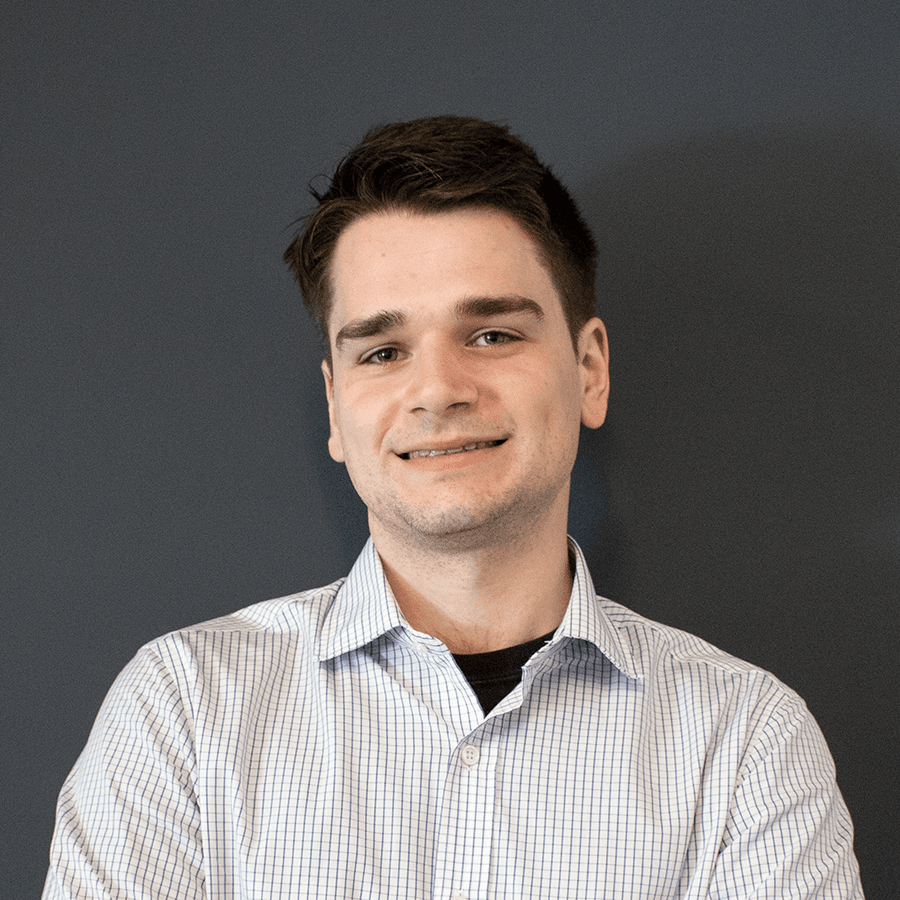
Franchise Legal Player: Chad Finkelstein
Firm: Dale & Lessmann LLP
Chad Finkelstein has built a reputation as a trusted advisor to franchise brands navigating growth, compliance and cross-border risk. With extensive experience advising U.S. and Canadian franchisors expanding into new markets, Finkelstein brings a practical, business-minded approach to franchise law, grounded in both technical precision and real-world brand understanding. His work focuses on helping brands scale responsibly while protecting long-term trademark value and regulatory compliance.
1851 Franchise connected with Finkelstein to discuss what franchisors often overlook, where legal risk hides during expansion and the lessons that continue to shape his advisory philosophy.
1851 Franchise: What originally drew you to franchise law, and what has kept you engaged in the space over time?
Chad Finkelstein: I tend to enjoy my work most when I can relate to it. I have always been drawn to franchise law because I love working with the brands I know — whether national, regional or local chains. The places I eat at, the places I shop at, the places where my family has made memories. It’s a very rewarding part of the job to have such a personal connection to so many of the great companies I get to work with and support.
1851: As franchising continues to evolve, what legal issue do you see brands most often underestimating today?
Finkelstein: At the risk of sounding entirely self-serving, U.S. brands underestimate the importance of trademark protection in Canada. Unlike in the U.S., where trademark registration requires proof of use, Canada does not require proof of use for registration. This can lead to, and has, in fact, led to, trademark “squatters” — that is, bad faith actors applying for the trademarks of popular U.S. chains and then holding those trademark registrations for ransom. Any brand open to a future expansion into Canada should apply for its trademarks in Canada as early as possible.
1851: In your experience, where do emerging franchisors tend to get tripped up from a compliance or documentation standpoint?
Finkelstein: That has to be, without a doubt, the requirement that is unique to Canada that the FDD has to be certified as being true, complete and accurate. It is a technicality, but if the FDD is uncertified, it will completely invalidate the entire FDD.
1851: How should franchisors be thinking about risk management as they scale into new markets or add new unit growth strategies?
Finkelstein: Don’t be guided by flattery. Just because someone is offering to pay you a royalty and seems excited about your brand is not a reason to scale into a new market or change your growth strategy if you weren’t otherwise ready to start franchising.
1851: What distinguishes your approach or philosophy when working with franchise clients?
Finkelstein: I’m not sure since I’m surrounded by so many excellent lawyers in the Canadian franchise bar. But we do try to ensure that we give our advice in such a way that none of our clients will ever have to ask, “What’s your recommendation?”
1851: Looking back, what lesson from your legal career has had the greatest impact on how you advise clients today?
Finkelstein: “Don’t write like Mr. Finkelstein, write like Chad.”
Every great franchisee had help buying a franchise. Want to learn more about how 1851 helps franchisees find the right franchise opportunity? Visit www.1851growthclub.com and start your journey.