
BooXkeeping
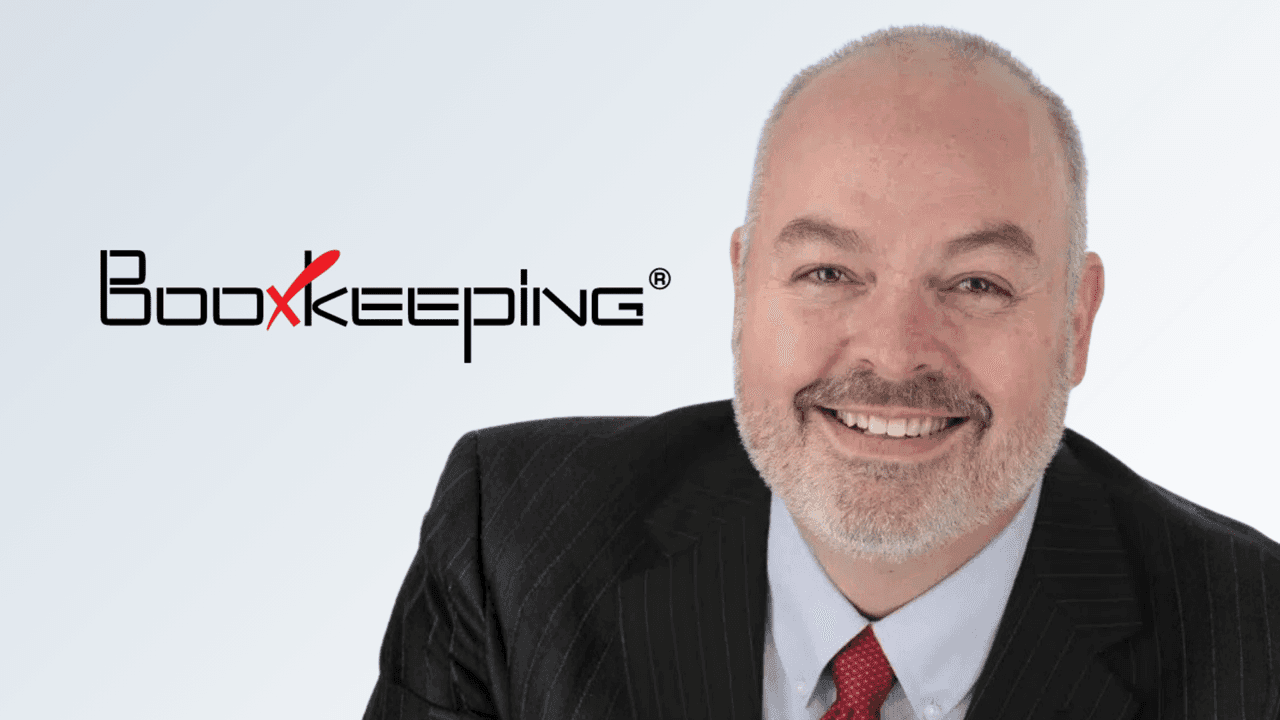
Why This Longtime American Express Leader Bought a BooXkeeping Franchise
David Stone’s decision to buy a franchise followed years of experience navigating finance, technology and operations at scale.
After nearly 18 years at American Express, David Stone didn’t get burned out. He was experienced, credentialed and very familiar with how large organizations worked. What he wanted next was ownership, leading him to invest in a BooXkeeping franchise in Las Vegas.
Stone spent most of his career working at the intersection of finance, technology and operations. His background included communications, insurance and retirement products, plus a stint as an accountant. That mix eventually led him into software implementation roles and then into American Express, where he worked across analytics, compliance and project management while earning his MBA and multiple technical certifications.
Along the way, he also served 13 years in the U.S. Army Reserve, an experience he says reinforced the importance of structure and leadership. But it was his corporate career that most directly shaped what he was looking for next.
“I’ve always kind of wanted to have my own business,” Stone said. “At a certain point, I knew I wanted to build something myself.”
During his time at American Express, Stone held a variety of roles tied to financial products, including gift cards, and worked closely with technology teams on the business side. He was trained in Six Sigma, Agile and Scrum methodologies and became known for his ability to break down complex processes into repeatable systems.
That discipline carried into his approach to entrepreneurship. Rather than starting from scratch, Stone partnered with two CPAs in Las Vegas to buy a BooXkeeping franchise.
“All three of us bought the franchise together,” Stone said. “More people are smarter together than we are on our own.”
That partnership structure became a practical advantage. While Stone manages day-to-day bookkeeping operations, his CPA partners provide deeper insight when clients raise more complex questions around depreciation, tax readiness or accounting structure.
“My clients aren’t getting something I looked up on the internet,” he said. “They’re getting real answers.”
After years inside large organizations, Stone understood how many unseen details sit behind a functioning business. The franchise model helped cover those blind spots. Legal documentation, compliance standards, insurance requirements and secure technology systems were already in place. Just as important, Stone gained access to a network of other franchise owners navigating similar challenges.
“There are communities of people going through the same thing,” he said. “You can collaborate on best practices and see what’s already worked.”
As the business grows, BooXkeeping’s centralized hiring and training pipeline has also helped Stone scale more efficiently, allowing him to bring on trained staff without starting from zero.
Even with deep financial experience, Stone said the training still paid off. It refreshed the fundamentals, kept his work consistent from client to client and gave him a weekly forum to pressure-test tricky situations and industry-specific questions with the group.
As someone who self-identifies more as process-driven than sales-oriented, Stone said the training helped him better articulate value and communicate with prospective clients.
“They offered sales training, and that was very valuable,” Stone said. “I learned that I had a lot to learn about sales.”
Stone is candid about the realities of franchise ownership. At this stage, he’s working more hours than he did in corporate America, often juggling bookkeeping, management, sales and process design. The difference, he explained, is motivation. The work feels directly connected to growth and long-term goals rather than organizational inertia.
“I enjoy what I’m doing,” Stone said. “I know why I’m working extra.”
As the business matures, his focus is shifting away from doing everything himself and toward building systems, hiring employees and maintaining standards that allow the operation to scale in a way that’s manageable.
Stone believes the skills corporate professionals develop translate well into franchise ownership, often more than they expect.
“You understand process. You understand why structure exists,” he said. “It’s very unstructured when you go out completely solo. Coming from corporate America, I already had structure.”
That foundation, combined with a franchise model that provides guardrails, can make the transition less overwhelming than starting entirely on your own. Franchising wasn’t a departure from discipline; it was a way for Stone to finally apply it to something he owned.
To find out more information on costs to buy this franchise, please visit https://1851franchise.com/booxkeeping.
BooXkeeping
David Stone’s decision to buy a franchise followed years of experience navigating finance, technology and operations at scale.
After nearly 18 years at American Express, David Stone didn’t get burned out. He was experienced, credentialed and very familiar with how large organizations worked. What he wanted next was ownership, leading him to invest in a BooXkeeping franchise in Las Vegas.
Stone spent most of his career working at the intersection of finance, technology and operations. His background included communications, insurance and retirement products, plus a stint as an accountant. That mix eventually led him into software implementation roles and then into American Express, where he worked across analytics, compliance and project management while earning his MBA and multiple technical certifications.
Along the way, he also served 13 years in the U.S. Army Reserve, an experience he says reinforced the importance of structure and leadership. But it was his corporate career that most directly shaped what he was looking for next.
“I’ve always kind of wanted to have my own business,” Stone said. “At a certain point, I knew I wanted to build something myself.”
During his time at American Express, Stone held a variety of roles tied to financial products, including gift cards, and worked closely with technology teams on the business side. He was trained in Six Sigma, Agile and Scrum methodologies and became known for his ability to break down complex processes into repeatable systems.
That discipline carried into his approach to entrepreneurship. Rather than starting from scratch, Stone partnered with two CPAs in Las Vegas to buy a BooXkeeping franchise.
“All three of us bought the franchise together,” Stone said. “More people are smarter together than we are on our own.”
That partnership structure became a practical advantage. While Stone manages day-to-day bookkeeping operations, his CPA partners provide deeper insight when clients raise more complex questions around depreciation, tax readiness or accounting structure.
“My clients aren’t getting something I looked up on the internet,” he said. “They’re getting real answers.”
After years inside large organizations, Stone understood how many unseen details sit behind a functioning business. The franchise model helped cover those blind spots. Legal documentation, compliance standards, insurance requirements and secure technology systems were already in place. Just as important, Stone gained access to a network of other franchise owners navigating similar challenges.
“There are communities of people going through the same thing,” he said. “You can collaborate on best practices and see what’s already worked.”
As the business grows, BooXkeeping’s centralized hiring and training pipeline has also helped Stone scale more efficiently, allowing him to bring on trained staff without starting from zero.
Even with deep financial experience, Stone said the training still paid off. It refreshed the fundamentals, kept his work consistent from client to client and gave him a weekly forum to pressure-test tricky situations and industry-specific questions with the group.
As someone who self-identifies more as process-driven than sales-oriented, Stone said the training helped him better articulate value and communicate with prospective clients.
“They offered sales training, and that was very valuable,” Stone said. “I learned that I had a lot to learn about sales.”
Stone is candid about the realities of franchise ownership. At this stage, he’s working more hours than he did in corporate America, often juggling bookkeeping, management, sales and process design. The difference, he explained, is motivation. The work feels directly connected to growth and long-term goals rather than organizational inertia.
“I enjoy what I’m doing,” Stone said. “I know why I’m working extra.”
As the business matures, his focus is shifting away from doing everything himself and toward building systems, hiring employees and maintaining standards that allow the operation to scale in a way that’s manageable.
Stone believes the skills corporate professionals develop translate well into franchise ownership, often more than they expect.
“You understand process. You understand why structure exists,” he said. “It’s very unstructured when you go out completely solo. Coming from corporate America, I already had structure.”
That foundation, combined with a franchise model that provides guardrails, can make the transition less overwhelming than starting entirely on your own. Franchising wasn’t a departure from discipline; it was a way for Stone to finally apply it to something he owned.
To find out more information on costs to buy this franchise, please visit https://1851franchise.com/booxkeeping.
Sign up for the 1851 Franchise newsletter to get our biggest stories before everyone else
By signing up, you agree to our user agreement (including class action waiver and arbitration provisions), and acknowledge our privacy policy.

No related articles found