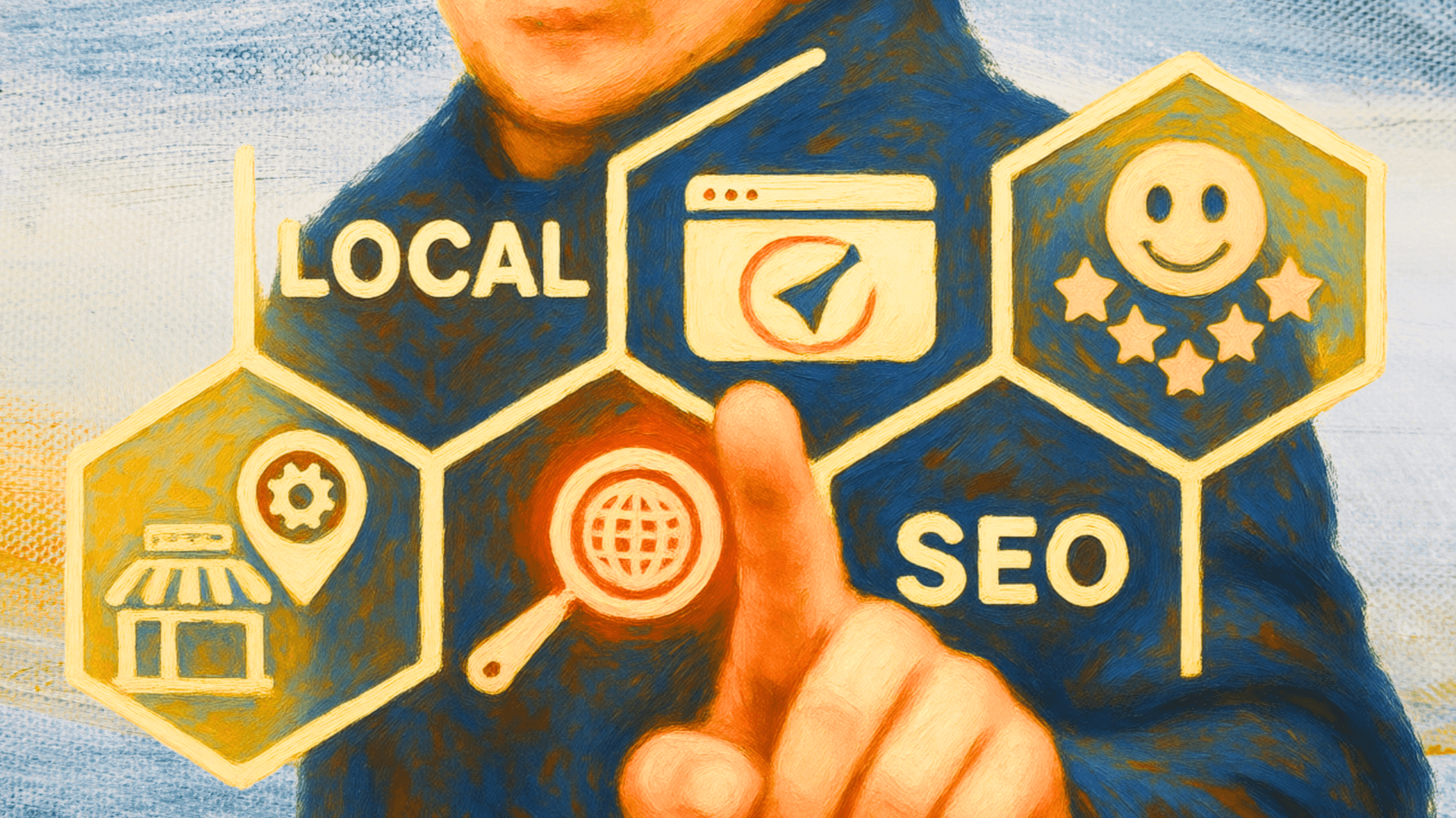
Franchise brands are competing for attention online as consumers change the way they find businesses and services. To remain visible in 2026, franchisors need to improve their search rankings, keep location information up to date and give franchisees the tools to attract customers in their own markets.
"Getting the basics right is essential for franchise brands because everything else you do in digital marketing, such as paid ads, builds on them," said Maria Boyle, head of marketing at Best Life Brands.
Search engine optimization (SEO), local search visibility and online reviews are important parts of that effort, particularly as artificial intelligence changes how consumers discover businesses.
Establishing a Strong Digital Foundation
Accurate business listings and a well-maintained website are essential for franchise brands. Customers rely on both to find nearby locations, learn about available services and get the information they need before reaching out.
“First, setting up a Google Business Profile that aligns with brand standards and shows key business information that matches other profiles helps franchisees become discoverable by local clients, enabling them to start building local reviews, trust and visibility,” Boyle said. “Second, keeping a fast, technically sound website architecture supports future AEO/SEO updates and makes local-level execution seamless for franchisees.”
Consumers now use both traditional search engines and AI-powered tools to research businesses. Franchise brands need websites that make information about their services and individual locations easy to find through either type of search.
Balancing National SEO With Local Search
One of the biggest challenges for multi-location franchise systems is determining which marketing responsibilities belong to the corporate team and which should be handled by individual franchisees. National brand recognition alone does not guarantee that a franchise location will appear when customers search for services in their communities.
Corporate marketing teams can establish the technical infrastructure and develop content that supports the entire franchise system. Individual franchise owners, meanwhile, can contribute information that reflects their local markets and addresses the specific questions prospective customers are asking.
"While it can feel like information overload on the internet for both franchisors and franchisees when it comes to SEO, local search, traditional search and [large language model] search, helping franchisees understand their key role in local efforts while the brand team focuses on national-level content is a great starting point," Boyle said.
National marketing teams should monitor the brand's performance across search platforms, maintain keyword strategies and regularly evaluate their websites for answer engine optimization (AEO) and generative engine optimization (GEO). These efforts help position the brand's content for both traditional search results and AI-generated answers.
Franchisees can improve their local search rankings by answering common customer questions on their websites and sharing information about their community involvement. Franchisors can help by providing marketing materials and training that individual owners can adapt to their local markets.
"At the local level, franchisors can set up Google Business Profiles and create initial service-area content to give franchise locations a strong search baseline that also aligns with brand standards," Boyle said. "To help franchisees grow their local search presence as they expand in their market, franchisors can [support them] with simple SEO guides, website templates and training, while franchisees handle creating community-focused content that answers local client questions around their offered services, local partnerships and events."
Using Online Reviews to Build Customer Trust
Online reviews can play an important role in a customer's decision to contact a business. This is particularly true for service-based franchises, where prospective customers often rely on the experiences of others when comparing providers.
"Online reviews are vital because prospective new clients rely heavily on them when choosing services," Boyle said. “For Best Life Brands, this is especially true as families navigate the process to find the right care solution for their loved one, and may need to do this quickly. Detailed reviews build trust with potential clients by sharing real experiences.”
Franchisors can help franchisees collect customer reviews by providing tools that simplify the process. Boyle said individual owners should also have the opportunity to respond personally to feedback, maintaining a direct connection with customers in their communities.
"Providing franchisees with the right tools to gather reviews and feedback is important, as well as empowering franchisees to respond to reviews while keeping a personal, local touch," Boyle said. "Building strong local brand trust across all locations creates a compounding positive impact at the national level as well."
Preparing Franchise Brands for Continued Digital Change
The growing use of AI-powered search tools has introduced additional considerations for franchise marketers, but it has not eliminated the importance of established digital marketing practices. Franchise brands still need accurate business information, reliable websites and content that addresses the questions customers are asking.
Managing digital marketing across multiple franchise locations takes coordination. Corporate marketing teams need to keep up with changes in search technology while making sure franchisees have the resources and training they need to market their businesses locally.
By focusing on SEO, local search and online reviews, franchisors can help individual locations attract customers while improving the brand's overall online visibility.
Want to learn more about how 1851 helps franchisors grow their franchises with confidence? Visit www.1851growthclub.com and see what we can do for you.