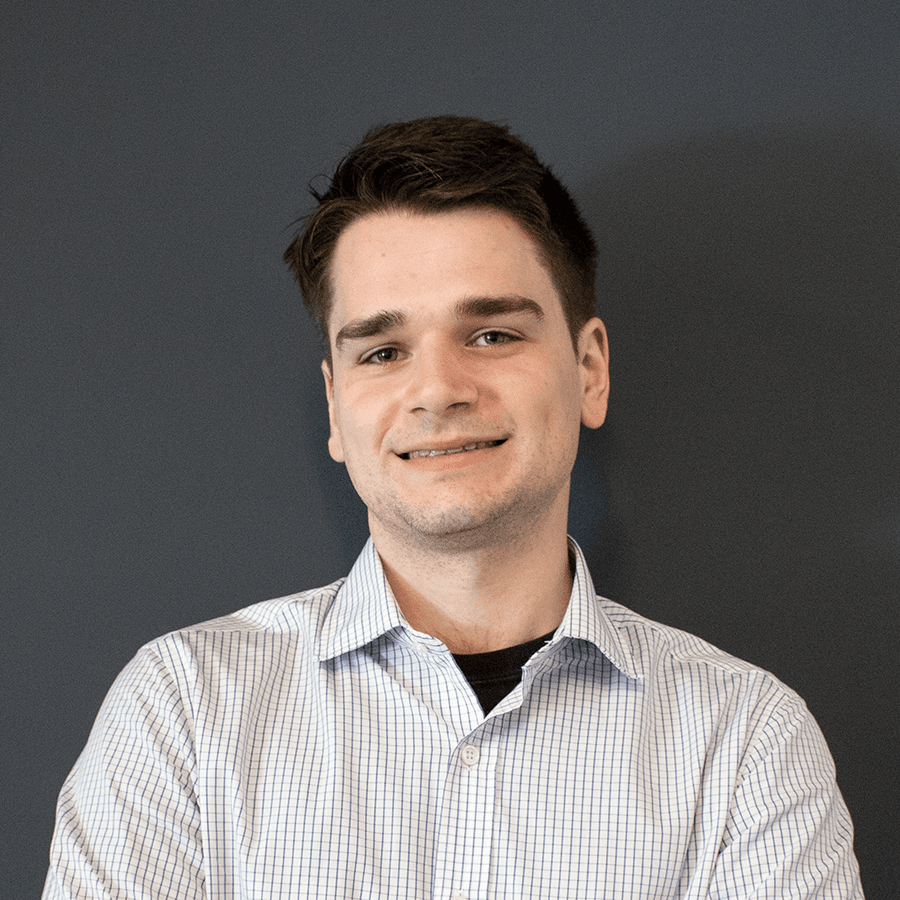
In a highly competitive childcare market, Children’s Lighthouse continues to distinguish itself through a commitment to holistic child development, research-driven curriculum, and strong franchise support. A recent webinar featured an insightful discussion between Dr. Kristi Smith, Director of Education and Training at Children’s Lighthouse, and Nick Powills, publisher of 1851 Franchise. Together, they explored how the brand’s proprietary curriculum has helped shape early education and why it remains a strong differentiator for franchisees.
Dr. Kristi Smith’s Journey to Children’s Lighthouse
Dr. Smith’s entry into franchising was, as she described it, "an accident." Coming from a background as an Executive Director of a large early education school with 700 children and over 100 staff members, she had extensive experience in curriculum development, accreditation and administration. However, her career took a pivotal turn when she discovered Children’s Lighthouse through an online job listing. The franchise’s mission and the opportunity to innovate within the early education space immediately resonated with her, leading to a new chapter in her career.
Since joining Children’s Lighthouse, Dr. Smith has played a vital role in developing proprietary curricula, including Lighthouse BRIGHT® for infants and toddlers, Lighthouse CARES® for preschoolers, and xSTREAM Quest® for school-age children. Additionally, she and her team are piloting a Toilet Learning Enrichment curriculum, addressing a critical need in early childhood education post-pandemic.
How Curriculum Enhances Franchise Success
A key takeaway from the webinar was how Children’s Lighthouse’s curriculum drives franchise success. Unlike standard daycare models, Children’s Lighthouse operates as a premier early learning school, emphasizing structured, research-based education.
Dr. Smith highlighted that the franchise is accredited by Cognia™, setting it apart from competitors by ensuring that all franchise owners operate accredited early learning schools rather than basic child care centers. This distinction significantly enhances the value proposition for franchisees and parents alike.
One of the most compelling moments of the discussion was Dr. Smith recounting a franchisee’s realization about the significance of their business. After attending a franchise conference, an owner told Dr. Smith, "I had to call my wife and tell her, ‘We own an early learning school.’" This shift in mindset is integral to the brand’s success, reinforcing the importance of delivering high-quality education rather than merely providing child care services.
Innovation and Future-Forward Thinking
Dr. Smith's passion for innovation is a driving force behind the curriculum’s continued evolution. As a futuristic and strategic thinker, she has leveraged her strengths to implement unique, inquiry-based learning approaches that encourage critical thinking and curiosity in young children. Unlike traditional rote learning, the Children’s Lighthouse curriculum fosters a love for discovery, aligning with modern educational research that emphasizes agency and decision-making skills.
The brand's approach to curriculum development also extends to franchisee training. Dr. Smith and her team engage franchise owners in interactive curriculum activities during conferences, allowing them to experience firsthand how inquiry-based learning benefits children. These hands-on experiences reinforce the value of the curriculum, helping franchisees communicate its benefits to parents in their communities.
The Impact of Early Education
During the webinar, Dr. Smith emphasized the long-term impact of early education. With 95% of a child’s learning foundation established before the age of five, the curriculum at Children’s Lighthouse plays a crucial role in cognitive and social-emotional development. Many children who graduate from the program test into gifted programs when they enter elementary school, showcasing the effectiveness of the curriculum.
Additionally, Dr. Smith discussed how Children’s Lighthouse provides children with "agency" in their learning, allowing them to make choices and engage in inquiry-based exploration. This approach not only strengthens critical thinking skills but also builds confidence and independence, traits that carry into adulthood.
A Differentiator for Franchisees
For potential franchisees, the Children’s Lighthouse model offers a unique investment opportunity in a high-demand industry. Beyond financial returns, franchisees become part of a system that provides meaningful impact in their communities. By offering an accredited, research-backed curriculum, franchisees have a competitive advantage that sets them apart from traditional daycare providers.
Furthermore, the franchise model is designed for semi-absentee ownership, allowing investors to hire experienced directors to manage day-to-day operations while maintaining oversight of their business. This structure, combined with the ongoing support and training from corporate leadership, makes Children’s Lighthouse an attractive option for entrepreneurs passionate about education.
A transcript of Dr. Smith’s interview with Powills appears below. It has been edited for brevity, clarity and style.
Nick Powills: All right, Kristi. What I like to do, and I think this frames our conversation well, is start with a simple question: What is your franchise story? How did you accidentally fall into franchising?
Dr. Kristi Smith: It was truly an accident. I knew nothing about franchising — I’ve learned so much. I had been the executive director of a very large school for 23 years and during that time, I was able to do great things, like serve on an international association where I was involved in accreditation and governance. I was able to do a lot of creative things in Washington, D.C., and Texas. My position allowed me to experience a lot.
Over the years, I eventually — this is an interesting story — accidentally received my Doctorate of Education in Leadership. Through that process, after being at the same school for so many years, I reached a point where I wanted to do something different.
At this very large school where I worked, my program was licensed for 700 students, so I had 700 preschoolers and school-age children and about 100 women working for me. I also taught master’s-level courses in early education administration at night for fun. But after earning my doctorate, I felt a strong desire to do something different. I had been in the same place for so long and had many opportunities, but I was looking for a change.
While searching on Indeed, I came across Children's Lighthouse Franchise Company. I put in my application and after an interview, there was just something about the brand that caught my attention.
I should also mention that I’ve been in Fort Worth for almost my entire life, and finding an opportunity like this in my hometown was unique. I interviewed at the Children’s Lighthouse Franchise Support Center, which is in a historic and really unique building in downtown Fort Worth. I fell in love with the company, the atmosphere and the opportunity — it was huge.
Once I joined, the leadership team quickly asked all of us to pursue our Certified Franchise Executive (CFE) certification. I completed that, and that’s how I really learned what franchising is. It’s been so valuable to apply what I knew to what I do now — curriculum development and training for the company.
Powills: I love your answer for a million reasons. I want to unpack some aspects of it because part of our audience is people considering franchise ownership. While they’re looking at the ownership side, I have a feeling they’re going through very similar experiences — you didn’t fully understand franchising at first, just as they may not understand what it means to be a franchise owner.
Children’s Lighthouse could have been in their backyard for a long time, and they may not have realized there was an opportunity to be part of something like this. Similar to you, they might just be looking for a change. My follow-up question is: Was it the politics of being in corporate America — even though you’re still technically in corporate America — or was it more about helping people facilitate business ownership in the education space? I’d love to get into that.
Dr. Smith: The beautiful part is that it taps directly into my strengths and talents. I don’t know if you’re familiar with StrengthsFinder, but one of my top strengths is ideation — the love of ideas. Another is being futuristic, thinking ahead about what can be done. I also have strategic and arranger strengths. I’ve been able to use all of these in what I do now.
I am a very futuristic, idealistic and strategic thinker. I’ve been able to take all of that and create something unique for the curriculum at Children’s Lighthouse. I don’t get involved in mediocre things — I want to engage in things that allow me to move forward and do big things for children. Children’s Lighthouse has given me that opportunity.
In my nearly eight years with the company, I’ve worked with an amazing team — we currently have three fantastically talented women working with me. We’ve written a proprietary infant-toddler curriculum, a proprietary school-age curriculum and proprietary summer programs. Right now, we’re doing something cutting-edge: a toilet learning enrichment unit, which hasn’t been done before.
Children’s Lighthouse is a premier early learning school — we’re not daycares. We don’t just provide child care. Responsive care and best practices are big in what we do, and we incorporate that into our curriculum. We’ve been able to pull in research, best practices and years of knowledge to develop a high-quality, proprietary curriculum. It’s exciting to be able to integrate my experience and passions into something so impactful.
Powills: That’s incredible. It allows you to tap into your ideation strength and build something special. In traditional education, there’s often a lot of red tape. You can see where things need to evolve, but if someone above you disagrees, it blocks progress. It sounds like Children’s Lighthouse allows you to innovate.
For potential franchisees watching, I love exposing them to this side of franchising. Many people think of a franchise as just a license for a business. But what you’re describing is next-level — it’s not just a business; it’s a structured system designed to impact young minds.
Powills: How long has it taken for franchisees to truly see the impact of your curriculum as part of the secret sauce of Children’s Lighthouse?
Dr. Smith: During COVID, I took the franchise through re-accreditation with Cognia while we were also rebranding. When we presented this at our franchise conference, I emphasized that our franchisees own early learning schools, not daycares. Cognia only accredits early learning schools. One franchise owner came up to me afterward and said, “I had to call my wife and tell her, ‘We own an early learning school!’” Seeing that lightbulb moment was validating.
We don’t just provide child care — we shape children’s futures. Research shows that 95% of a child’s learning foundation is laid before age five. When franchisees understand that they’re making a lasting impact on their communities, it changes how they view their business.
Powills: That’s so powerful. Have you been able to track long-term progress of students who’ve gone through your curriculum?
Dr. Smith: We’ve started to see the results. Many of our preschoolers test into gifted and talented programs. One of our Houston schools had an incredible number of students placed into GT programs. When children are given agency in their learning — when they have choices and engage in an inquiry-based approach — they thrive. Our curriculum is designed to foster curiosity and independent thinking, which leads to long-term academic success.
Powills: That’s such an important approach. What you’re describing applies not only to children but also to franchisors. The best franchisors encourage their franchisees to ask “why” and think critically, just as you do with students.
We often talk about mental health and how adults struggle with confidence. Maybe it’s because we’re not encouraged to ask questions anymore. If we change education at an early stage, it could transform how businesses and managers operate as well.
Dr. Smith: Absolutely. The world is recognizing that soft skills — like curiosity and decision-making — are just as essential as technical knowledge. That’s why we created our Lighthouse Pathways approach, ensuring a balanced learning environment that meets the needs of all children. We even incorporate hands-on activities into our franchise business conferences so owners can experience it themselves.
Powills: That’s incredible. Thank you so much, Kristi. If I were a potential franchisee, knowing that I’d have access to someone like you — someone willing to innovate and evolve — would be a huge selling point. It’s been a pleasure learning from you today.
Dr. Smith: Thank you for the opportunity!
Watch the full webinar here.