As Children’s Lighthouse continues expanding its footprint, the nearly 30-year-old early education franchise is being deliberate about where it grows next.
The brand’s top priorities include Austin, Texas; Indianapolis, Indiana; Nashville, Tennessee; Orlando, Florida; Raleigh, North Carolina; and Charlotte, North Carolina. While each market presents a different opportunity, they share many of the characteristics Children’s Lighthouse looks for when evaluating new territories: growing suburban communities, strong concentrations of families, dual-income households, and demand for high-quality early childhood education.
“There’s a lot of growth and a lot of childcare deserts,” said Matt Kelton, Vice President of Franchise Development. “We are targeting fast-growing areas, and these are the cities that are high on that list.”
That strategy is designed to bring Children’s Lighthouse into communities where its premium early education model can fill a meaningful need, while giving franchisees the foundation to build businesses for the long term.
Following Families Into High-Growth Markets
Children’s Lighthouse is building its growth strategy around a simple need: Families are looking for reliable childcare, and many communities still do not have enough quality options.
“First, it’s a business that has incredible demand. The number of parents that have a need for our services is at a record level,” Kelton said. “We have waitlists all over the country.”
For Children’s Lighthouse, identifying attractive growth markets means looking closely at where families are moving and where residential development, employment growth, and household demographics can support a premium early education offering.
That is part of what makes Austin, Nashville, Orlando, Raleigh, and Charlotte particularly attractive. These markets fit into the brand’s broader emphasis on fast-growing Sun Belt communities, where suburban development continues to create new pockets of demand.
Indianapolis, meanwhile, represents an opportunity to build upon Children’s Lighthouse’s recent entrance into Indiana.
The goal is not simply to plant flags in new cities. Children’s Lighthouse wants to identify communities where schools can become long-term fixtures and where franchisees have room to scale.
“We’re looking for long-term growth,” Kelton said. “We’re not looking at 10 quarters in the future; we’re looking at 10 years in the future.”
Austin: Building on a Proven Texas Foundation
Austin is a natural priority for a brand with deep roots in Texas. Children’s Lighthouse has spent decades proving its model across the state, and Austin offers an opportunity to build on that familiarity in a market characterized by expanding suburbs and a large base of working families.
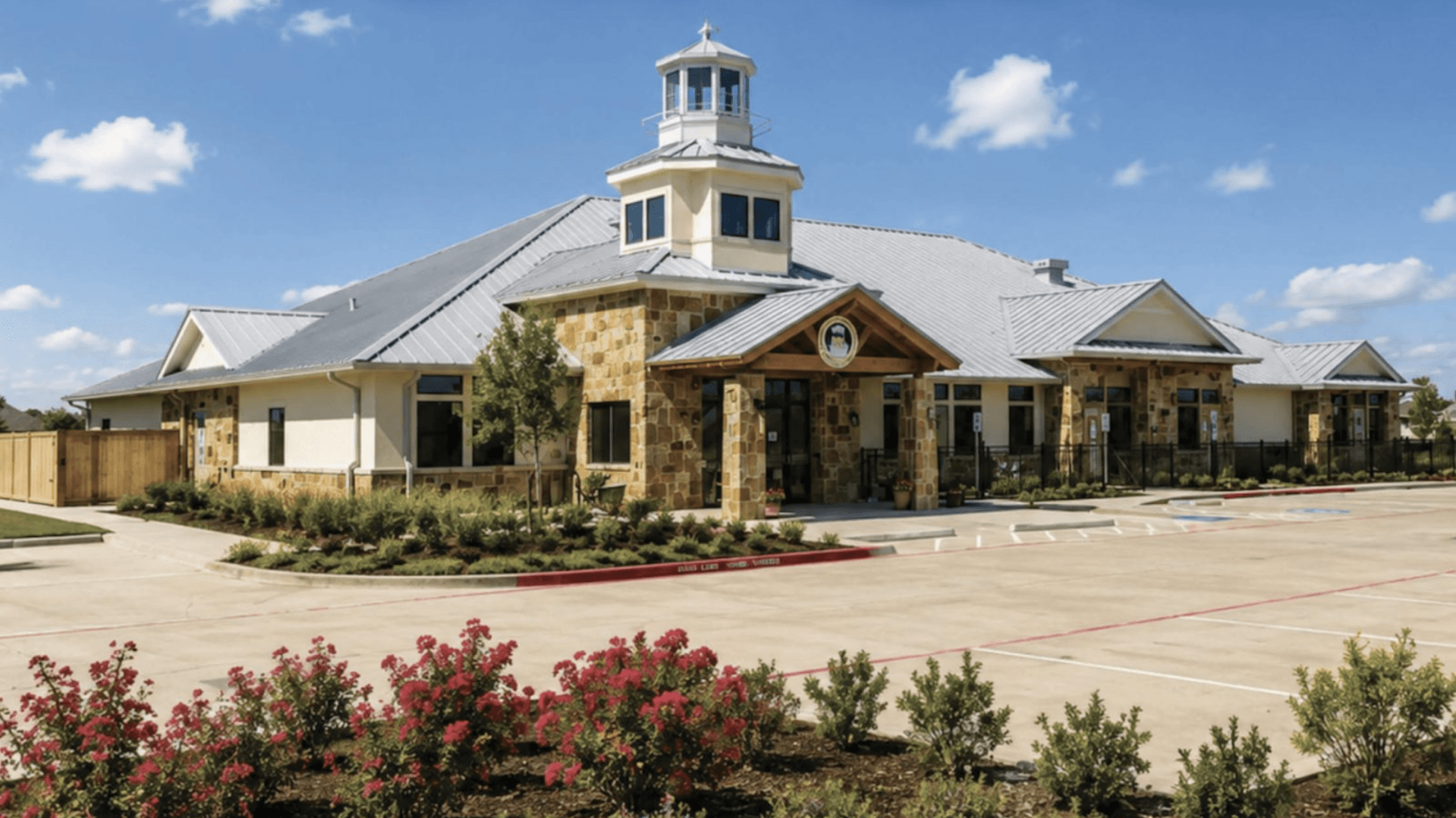
The brand’s development strategy is especially well suited to suburban growth corridors. A typical Children’s Lighthouse school is approximately 10,000 square feet and sits on nearly two acres, making growing residential communities particularly attractive.
The model is also designed around the needs of parents seeking something beyond basic daycare. Children’s Lighthouse offers its proprietary Lighthouse Pathways® curriculum for children from infancy through age 12, combining early education with character development and leadership programming.
“There just aren’t many concepts out there with a proprietary curriculum designed to grow with the child,” Kelton said. “That’s a big reason our families stay with us long-term.”
Indianapolis: Establishing a Stronger Foothold in Indiana
Indianapolis represents a different kind of growth opportunity.
Children’s Lighthouse entered Indiana for the first time through its 2025 franchise development activity, and Indianapolis now stands among the brand’s highest-priority markets as it looks to establish greater density in the state.
“We are not trying to sell just to sell,” Kelton said. “We are focused more on quality over quantity. We want to find the right partners who are the right fit all the way around.”
That franchisee-first approach becomes particularly important when entering and developing newer markets. Children’s Lighthouse invests heavily in operational support, with franchise business coaches overseeing relatively small groups of schools.
“Could we make more money if we had more schools per coach? Sure,” Kelton said. “But it’s the right thing to do to frankly overinvest in operational support so we can offer best-in-class support.”
Nashville: Following Children’s Lighthouse Into Tennessee
Nashville is emerging as an important growth market for Children’s Lighthouse. With its first Tennessee school slated to open in 2026, the brand sees an opportunity to expand into communities that share many of the demographic traits behind its success elsewhere in the Southeast.
The broader strategy is similar to the one Children’s Lighthouse has outlined for markets like Atlanta: follow population growth into expanding communities where families need additional childcare capacity.
For franchisees, the opportunity is not limited to opening a single school. Children’s Lighthouse has intentionally built an executive ownership model that can support multi-unit expansion.
“Ours is really an executive model. Franchisees are at a CEO-level role,” Kelton said. “Franchisees hire directors who run the day-to-day activities. You have an executive team that runs the school, and they have years of experience.”
As an owner grows, that structure can evolve further. “Once you get to two or three schools, you can hire an executive director who manages those directors,” Kelton said. “Our largest franchisee has 10 schools.”
Orlando: Proven Demand With Significant Room to Grow
Of the six priority markets, Orlando offers perhaps the clearest example of how Children’s Lighthouse approaches strategic infill.
The brand already has deep roots in the area. Its Winter Garden school has served families since 2005 and has developed a strong reputation in the community. Now, Children’s Lighthouse sees room to expand throughout the greater Orlando market.
“Orlando is one of the fastest-growing metro areas in the United States, driven by strong population growth, job creation, and continued migration from across the country and internationally,” Kelton said. “The region benefits from a diverse economy spanning health care, technology, tourism, and professional services, creating a large base of dual-income households.”
Those households are at the heart of the opportunity. “These families are seeking high-quality early education and care, making Orlando an ideal fit for the Children’s Lighthouse model,” Kelton said.
Rather than oversaturating the market, Children’s Lighthouse is focused on growing outward into suburban corridors and master-planned communities where young families are putting down roots.
“In Orlando, we’re prioritizing locations within rapidly expanding suburban corridors and master-planned communities where young families are relocating,” Kelton said. “We focus on high-visibility, accessible sites near residential growth, major commuter routes, and community anchors.”
Raleigh and Charlotte: Bringing the Model Deeper Into the Southeast
Raleigh and Charlotte round out Children’s Lighthouse’s top growth priorities and reinforce just how important the Southeast has become to the brand’s development plans.
Both North Carolina markets fit the profile Children’s Lighthouse is targeting: major metros surrounded by growing suburban communities and a significant population of families who need dependable early education and childcare.
They also give Children’s Lighthouse an opportunity to continue building its presence across a broader Southeastern footprint that includes priorities in Tennessee and Florida.
As with the brand’s other target markets, finding the right franchise partners will be just as important as finding the right real estate. Children’s Lighthouse is looking for entrepreneurs interested in building durable businesses, not short-term investments.
“We’re not a brand that investors want to flip,” Kelton said. “We’re a long-term play with a unique model and a unique family culture, and we’re building a brand franchisees want to grow with over time.”
That philosophy appears to be resonating with existing owners as well. “We’re selling a lot of additional second and third locations to existing owners, which to me is probably the greatest testament to a franchise,” Kelton said. “They feel good enough about it that they’re going to continue to invest.”
Growth With a Purpose
Ultimately, Austin, Indianapolis, Nashville, Orlando, Raleigh and Charlotte are priorities because Children’s Lighthouse believes they offer the ingredients necessary for sustainable growth: families who need the service, communities capable of supporting premium early education and opportunities for franchisees to build meaningful businesses over time.
The model gives those owners multiple ways to create long-term value. Franchisees operate at an executive level, can expand into multiple schools and, through the traditional development model, have the opportunity to build equity in the underlying commercial real estate.
“In 15 years, you can potentially sell it for a significant multiple of what you paid for it,” Kelton said. “It’s really an intriguing model. Banks like it. Private equity loves it. And you’re still offering a critical service to your community.”
That last point remains central to Children’s Lighthouse’s growth strategy. The brand is expanding because demand is there, but it also wants every new school to serve a genuine need in its community.
“At the end of the day, our schools are full and our families are happy. That’s the best validation there is,” Kelton said. “When you invest in Children’s Lighthouse, you’re investing in an opportunity that is both financially sound and personally rewarding.”
To find out more information on costs to buy this franchise, please visit 1851franchise.com/childrens-lighthouse.