
Disc Replay
SPONSORED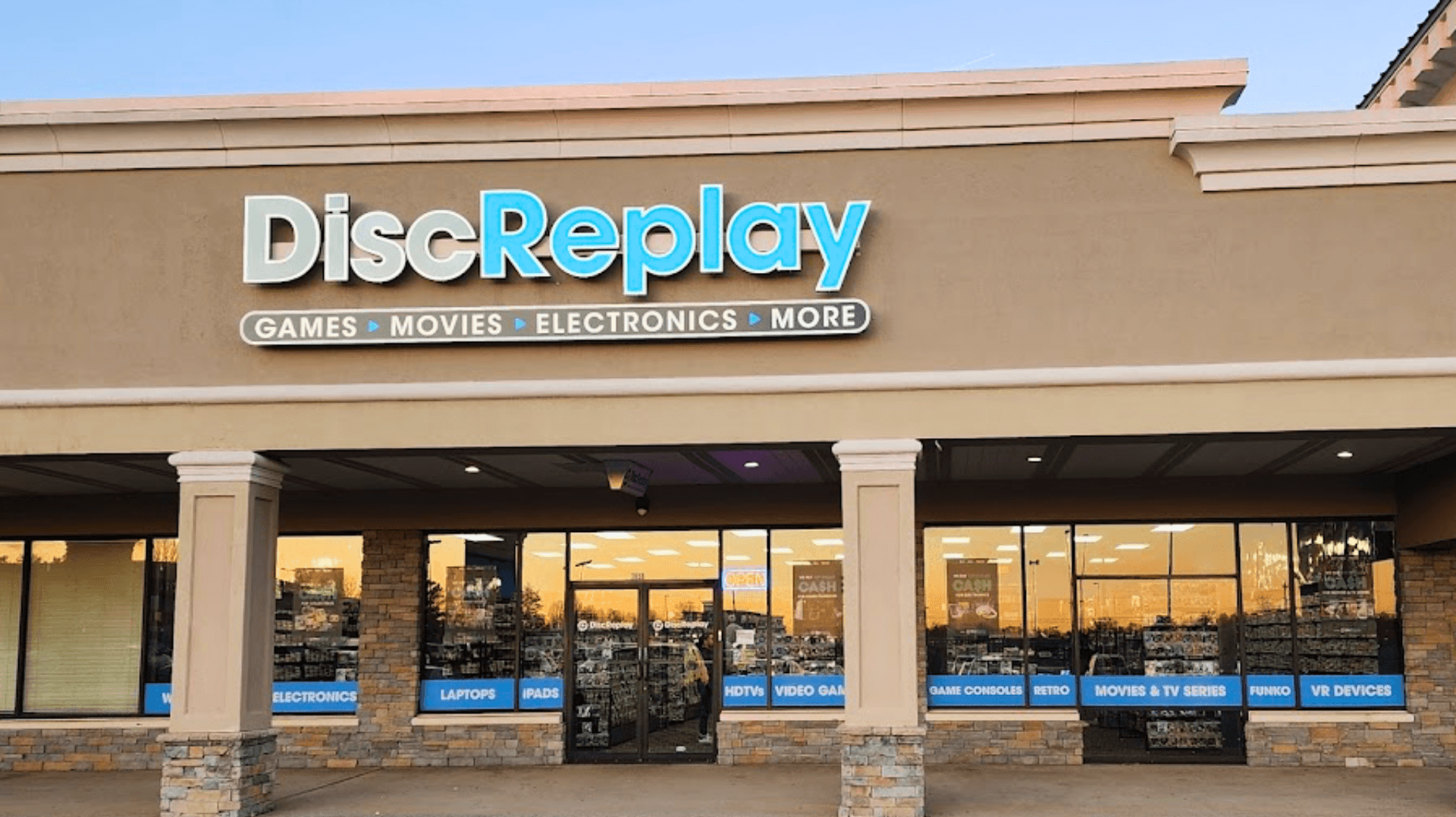
Where Is Disc Replay Looking to Grow and Why?
Disc Replay is focusing franchise growth on established Midwest and Southern markets, adding stores where brand awareness and regional support can strengthen each opening.
As Disc Replay enters its next phase of franchise expansion, the 38-unit specialty resale brand is taking a disciplined approach to growth. Rather than spreading across the country as quickly as possible, the company is focused on strengthening markets where it already has a proven presence, established consumer awareness and franchise validation.
For President Nick Leja, the strategy is straightforward: build density where the model already works, create operational efficiencies through regional clusters and capitalize on growing demand for physical media, collectibles and secondhand electronics.
"We've spent the last couple of years strengthening the foundation," Leja said. "Now, we're preparing to wake up the 'sleeping bear' and pivot our focus back to franchise growth."
Disc Replay currently operates stores across Illinois, Indiana, Iowa, Michigan, Ohio, Kentucky, Georgia, and Tennessee. Rather than entering completely unfamiliar territory, the brand sees its greatest opportunity in adding locations throughout these existing regions, where customers already know the Disc Replay name and franchisees can benefit from neighboring stores.
That strategy creates advantages beyond simple brand awareness. Regional density allows franchise owners to share operational best practices, recruit talent more efficiently and build stronger local marketing momentum while reinforcing Disc Replay's position as the destination for buying, selling and trading games, electronics, movies, music and collectibles.
Instead of treating every new location as an isolated store, Disc Replay is building regional ecosystems that make each new opening stronger than the last.
The Midwest has always been Disc Replay's home. Founded in 1994, the brand spent decades refining its operating model throughout Midwestern communities before beginning its next phase of franchise expansion.
Those markets continue to align well with Disc Replay's customer base.
Consumers increasingly seek value without sacrificing quality. Families want affordable entertainment. Collectors are searching for rare games, vinyl records and movies. While physical game sales are shifting to digital purchases, gaming hardware is a thriving category. All of these trends have strengthened the resale economy.
"A decade ago, there was a common perception of our industry. People would ask, 'How are you still in business when Netflix and Hulu exist?'" Leja said. "Now, the collectible culture is huge. This isn't a Blockbuster-type scenario. People are collecting and want those physical things again, not just digital access.”
Disc Replay's larger-format stores (typically around 3,000 - 4,000 square feet) offer significantly broader inventory than traditional resale shops, including retro Nintendo cartridges, Pokémon cards, vinyl albums, Blu-rays and gaming consoles.
One of Disc Replay's biggest competitive advantages is something many emerging franchise brands spend years trying to build: local credibility.
In many Midwest markets, Disc Replay has served customers for decades. That familiarity lowers the barrier for new franchisees entering nearby territories because consumers already understand the concept and trust the brand.
Rather than introducing an entirely new retail experience, franchise owners are expanding something many customers have already embraced.
While Disc Replay has long-term ambitions to expand well beyond its current footprint, leadership isn't interested in growth simply for the sake of adding units.
"This isn't about growing to crazy numbers so we can flip the business," Leja said. “My core fulfillment comes from helping other people achieve entrepreneurial success and lifestyle freedom. We're building management training directly into our franchisee onboarding to teach owners how to run a thriving business, not just how to trade media.”
That philosophy shapes where the company looks for franchisees as much as where it looks for markets. Rather than chasing speculative territories, Disc Replay is seeking entrepreneurs who understand retail operations, inventory management and customer service, then pairing them with markets where the brand already has momentum.
As more consumers rediscover the value of owning physical media and collectibles, and as the resale economy continues to expand, the company believes its strongest opportunities lie not in reinventing its business but in bringing its proven model to more communities throughout the Midwest and Southern markets where it already has a winning foundation.
To find out more information on costs to buy this franchise, please visit www.1851franchise.com/disc-replay.
Disc Replay
SPONSOREDDisc Replay is focusing franchise growth on established Midwest and Southern markets, adding stores where brand awareness and regional support can strengthen each opening.
As Disc Replay enters its next phase of franchise expansion, the 38-unit specialty resale brand is taking a disciplined approach to growth. Rather than spreading across the country as quickly as possible, the company is focused on strengthening markets where it already has a proven presence, established consumer awareness and franchise validation.
For President Nick Leja, the strategy is straightforward: build density where the model already works, create operational efficiencies through regional clusters and capitalize on growing demand for physical media, collectibles and secondhand electronics.
"We've spent the last couple of years strengthening the foundation," Leja said. "Now, we're preparing to wake up the 'sleeping bear' and pivot our focus back to franchise growth."
Disc Replay currently operates stores across Illinois, Indiana, Iowa, Michigan, Ohio, Kentucky, Georgia, and Tennessee. Rather than entering completely unfamiliar territory, the brand sees its greatest opportunity in adding locations throughout these existing regions, where customers already know the Disc Replay name and franchisees can benefit from neighboring stores.
That strategy creates advantages beyond simple brand awareness. Regional density allows franchise owners to share operational best practices, recruit talent more efficiently and build stronger local marketing momentum while reinforcing Disc Replay's position as the destination for buying, selling and trading games, electronics, movies, music and collectibles.
Instead of treating every new location as an isolated store, Disc Replay is building regional ecosystems that make each new opening stronger than the last.
The Midwest has always been Disc Replay's home. Founded in 1994, the brand spent decades refining its operating model throughout Midwestern communities before beginning its next phase of franchise expansion.
Those markets continue to align well with Disc Replay's customer base.
Consumers increasingly seek value without sacrificing quality. Families want affordable entertainment. Collectors are searching for rare games, vinyl records and movies. While physical game sales are shifting to digital purchases, gaming hardware is a thriving category. All of these trends have strengthened the resale economy.
"A decade ago, there was a common perception of our industry. People would ask, 'How are you still in business when Netflix and Hulu exist?'" Leja said. "Now, the collectible culture is huge. This isn't a Blockbuster-type scenario. People are collecting and want those physical things again, not just digital access.”
Disc Replay's larger-format stores (typically around 3,000 - 4,000 square feet) offer significantly broader inventory than traditional resale shops, including retro Nintendo cartridges, Pokémon cards, vinyl albums, Blu-rays and gaming consoles.
One of Disc Replay's biggest competitive advantages is something many emerging franchise brands spend years trying to build: local credibility.
In many Midwest markets, Disc Replay has served customers for decades. That familiarity lowers the barrier for new franchisees entering nearby territories because consumers already understand the concept and trust the brand.
Rather than introducing an entirely new retail experience, franchise owners are expanding something many customers have already embraced.
While Disc Replay has long-term ambitions to expand well beyond its current footprint, leadership isn't interested in growth simply for the sake of adding units.
"This isn't about growing to crazy numbers so we can flip the business," Leja said. “My core fulfillment comes from helping other people achieve entrepreneurial success and lifestyle freedom. We're building management training directly into our franchisee onboarding to teach owners how to run a thriving business, not just how to trade media.”
That philosophy shapes where the company looks for franchisees as much as where it looks for markets. Rather than chasing speculative territories, Disc Replay is seeking entrepreneurs who understand retail operations, inventory management and customer service, then pairing them with markets where the brand already has momentum.
As more consumers rediscover the value of owning physical media and collectibles, and as the resale economy continues to expand, the company believes its strongest opportunities lie not in reinventing its business but in bringing its proven model to more communities throughout the Midwest and Southern markets where it already has a winning foundation.
To find out more information on costs to buy this franchise, please visit www.1851franchise.com/disc-replay.
Sign up for the 1851 Franchise newsletter to get our biggest stories before everyone else
By signing up, you agree to our user agreement (including class action waiver and arbitration provisions), and acknowledge our privacy policy.

No related articles found