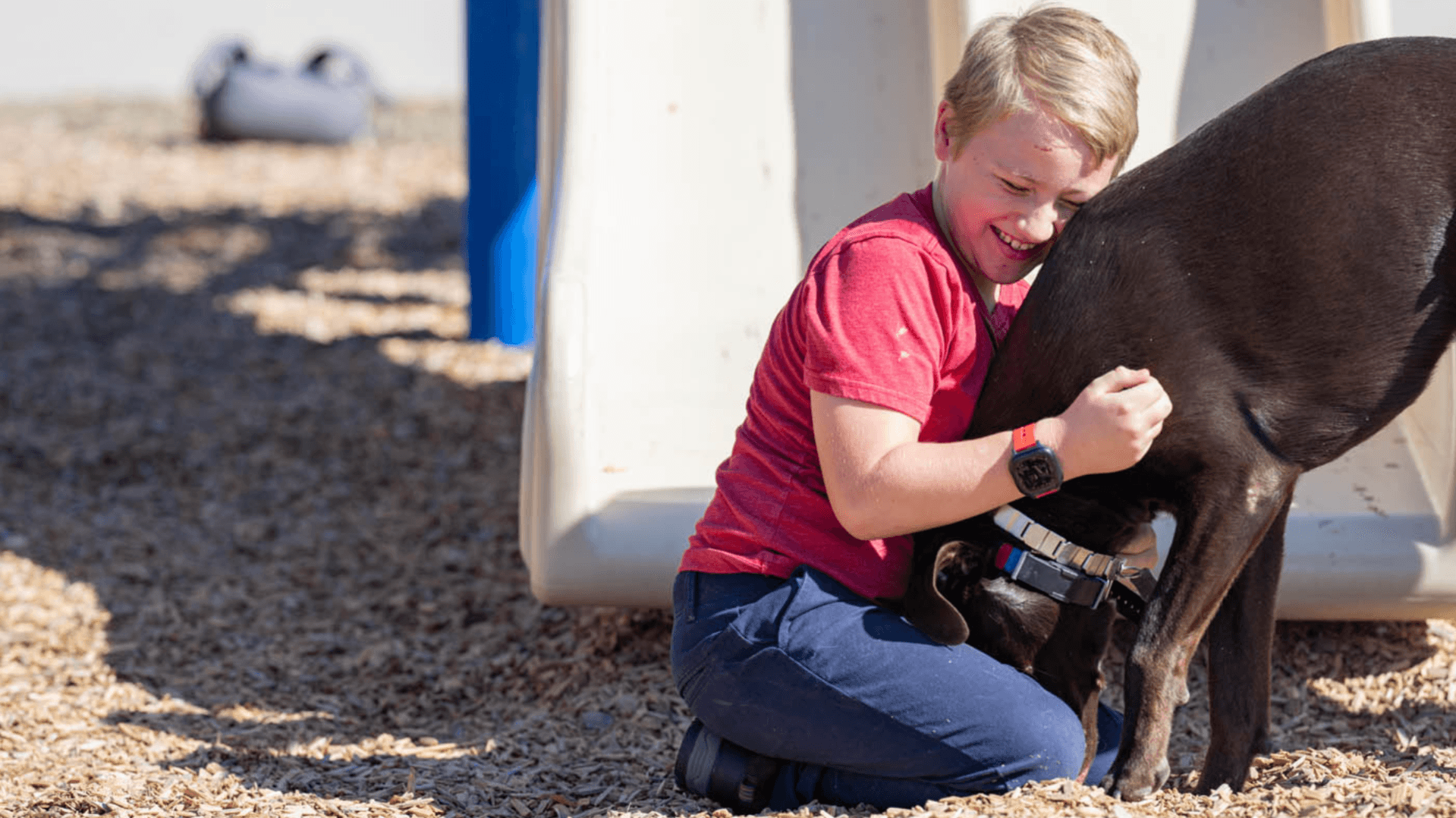
Back-to-school season brings a major change in routine for many families, and dogs experience that change, too. After a summer filled with kids at home, more activity and potentially different schedules, dogs may suddenly find themselves spending more time alone. Dog Training Elite, the 240-plus-unit dog training franchise, helps families prepare by establishing consistent routines and reinforcing training before the school year gets underway.

One of the biggest adjustments can be something as simple as a morning bathroom break. When school starts, wake-up times change, mornings become busier and the person responsible for taking the dog outside may be heading out the door earlier.

“Get a routine and stick to the routine,” said Steve Thompson, owner of Dog Training Elite in Charleston, South Carolina. “Try to stick as close as possible to the schedule that you had before.”

Recognizing Changes in Your Dog’s Behavior

For dogs accustomed to having children home throughout the summer, the sudden quiet can be another significant adjustment. With fewer people around during the day, dogs have less activity and interaction than they may have grown accustomed to over the previous few months. Some dogs handle that change without an issue. Others may show signs of stress when the family begins spending more time away from home.

“Panting, whining and pacing are some of the biggest signs,” Thompson said. “More severe behaviors can include going to the bathroom in the house or chewing things that they normally wouldn’t chew.”

Destructive behavior does not necessarily mean a dog is deliberately misbehaving. Dogs experiencing stress may simply be looking for an outlet, and chewing is one way they respond.

“That's where training really kicks in,” Thompson said. “Having a dog that understands what we call ‘structured boredom,’ where they know they're just going to be bored and they have to be OK with that.”

Start Preparing Before the First Day of School

Families do not have to wait until the school year begins to introduce a new routine. It’s a good idea to start practicing periods of separation ahead of time so the dog becomes comfortable being away from family members.

Kennel training can be one way to establish that comfort. Families can place the dog in its kennel for different periods throughout the day, including when people are still home, rather than making the kennel something the dog associates only with everyone leaving.

“Teach the dog that being away from the family is not a death sentence,” Thompson said. “Put them away from the family in a kennel for random times and different lengths of time and then get them out. Don’t make it a big theatrical thing. Make it normal.”

That same approach applies when returning home or letting the dog out of the kennel. Keeping those moments calm can reinforce the idea that periods of separation are a normal part of the day.

“If you make it a big deal, they’ll make it a big deal,” Thompson said. “Make normal things normal.”

Back-to-School Safety Starts at the Door

The return to school also creates practical safety concerns. Doors may be opening more frequently as children leave for school, get on the bus or return home with friends. Dogs should understand that an open door is not an invitation to run outside.

“Your dog needs to know proper door manners,” Thompson said. “When the door opens, they’re not supposed to bolt out the door. A good sit and a good place command are both good for door manners.”

Even a dog that normally stays close to the family can become distracted. A squirrel, another dog or activity around a school bus can quickly draw its attention away, which is why recall is an important skill to teach them.

“You have to create the relationship with your dog where you’re more important to them than that squirrel they’re chasing,” Thompson said. “If you don’t do that, they’re going to choose the squirrel every time.”

Leash Training Protects Kids and Dogs

Leash manners become particularly important when children want to help walk the family dog. A child may not have the strength to control a dog that pulls, especially if the dog becomes excited by another animal or something happening nearby.

“If your dog is a 50-pound dog and your child is a 50-pound child, the dog is going to decide where that walk goes,” Thompson said. “For the safety of your child, the dog needs to know how to walk on a leash and not pull.”

Keeping dogs leashed outside also provides owners with another way to remove them from an unsafe situation. Even if a family is confident in its own dog’s behavior, owners cannot predict how every other dog they encounter will react. That makes leash manners, recall and door manners practical skills that can help families navigate the increased activity surrounding the start and end of each school day.

Building Confidence Through Training

When dogs struggle with changing routines, Dog Training Elite focuses on building both confidence and trust. Owners sometimes assume that dogs, particularly large breeds, are naturally confident. That is not always the case.

“You have to build that confidence through training,” Thompson said. “Not only are you building confidence, you’re building trust with the dog that you’re making the correct decision by leaving them at the house by themselves during the day or putting them in a sit in an uncomfortable situation with a bunch of kids running around.”

That relationship becomes especially important when a dog encounters something unfamiliar. Rather than making its own decision about how to react, a trained dog can look to its owner for direction.

Keep the New Routine Calm and Consistent

Thompson says families should also be mindful of how they react when a dog seems nervous. Giving the dog extra attention in those moments can reinforce the behavior, so he recommends staying calm, giving clear direction and keeping the situation as normal as possible.

“Act like the leader that you should be for your dog,” Thompson said. “Make normal things normal.”

Back-to-school season may mean earlier mornings, quieter afternoons and more activity around the front door, but families can begin preparing their dogs before those changes happen. Establishing routines, practicing time apart and reinforcing leash, door and recall skills can help make the transition safer and more manageable for everyone.

To find out more information on costs to buy this franchise, please visit https://1851franchise.com/dogtrainingelite

Back-to-school season brings a major change in routine for many families, and dogs experience that change, too. After a summer filled with kids at home, more activity and potentially different schedules, dogs may suddenly find themselves spending more time alone. Dog Training Elite, the 240-plus-unit dog training franchise, helps families prepare by establishing consistent routines and reinforcing training before the school year gets underway.

One of the biggest adjustments can be something as simple as a morning bathroom break. When school starts, wake-up times change, mornings become busier and the person responsible for taking the dog outside may be heading out the door earlier.

“Get a routine and stick to the routine,” said Steve Thompson, owner of Dog Training Elite in Charleston, South Carolina. “Try to stick as close as possible to the schedule that you had before.”

Recognizing Changes in Your Dog’s Behavior

For dogs accustomed to having children home throughout the summer, the sudden quiet can be another significant adjustment. With fewer people around during the day, dogs have less activity and interaction than they may have grown accustomed to over the previous few months. Some dogs handle that change without an issue. Others may show signs of stress when the family begins spending more time away from home.

“Panting, whining and pacing are some of the biggest signs,” Thompson said. “More severe behaviors can include going to the bathroom in the house or chewing things that they normally wouldn’t chew.”

Destructive behavior does not necessarily mean a dog is deliberately misbehaving. Dogs experiencing stress may simply be looking for an outlet, and chewing is one way they respond.

“That's where training really kicks in,” Thompson said. “Having a dog that understands what we call ‘structured boredom,’ where they know they're just going to be bored and they have to be OK with that.”

Start Preparing Before the First Day of School

Families do not have to wait until the school year begins to introduce a new routine. It’s a good idea to start practicing periods of separation ahead of time so the dog becomes comfortable being away from family members.

Kennel training can be one way to establish that comfort. Families can place the dog in its kennel for different periods throughout the day, including when people are still home, rather than making the kennel something the dog associates only with everyone leaving.

“Teach the dog that being away from the family is not a death sentence,” Thompson said. “Put them away from the family in a kennel for random times and different lengths of time and then get them out. Don’t make it a big theatrical thing. Make it normal.”

That same approach applies when returning home or letting the dog out of the kennel. Keeping those moments calm can reinforce the idea that periods of separation are a normal part of the day.

“If you make it a big deal, they’ll make it a big deal,” Thompson said. “Make normal things normal.”

Back-to-School Safety Starts at the Door

The return to school also creates practical safety concerns. Doors may be opening more frequently as children leave for school, get on the bus or return home with friends. Dogs should understand that an open door is not an invitation to run outside.

“Your dog needs to know proper door manners,” Thompson said. “When the door opens, they’re not supposed to bolt out the door. A good sit and a good place command are both good for door manners.”

Even a dog that normally stays close to the family can become distracted. A squirrel, another dog or activity around a school bus can quickly draw its attention away, which is why recall is an important skill to teach them.

“You have to create the relationship with your dog where you’re more important to them than that squirrel they’re chasing,” Thompson said. “If you don’t do that, they’re going to choose the squirrel every time.”

Leash Training Protects Kids and Dogs

Leash manners become particularly important when children want to help walk the family dog. A child may not have the strength to control a dog that pulls, especially if the dog becomes excited by another animal or something happening nearby.

“If your dog is a 50-pound dog and your child is a 50-pound child, the dog is going to decide where that walk goes,” Thompson said. “For the safety of your child, the dog needs to know how to walk on a leash and not pull.”

Keeping dogs leashed outside also provides owners with another way to remove them from an unsafe situation. Even if a family is confident in its own dog’s behavior, owners cannot predict how every other dog they encounter will react. That makes leash manners, recall and door manners practical skills that can help families navigate the increased activity surrounding the start and end of each school day.

Building Confidence Through Training

When dogs struggle with changing routines, Dog Training Elite focuses on building both confidence and trust. Owners sometimes assume that dogs, particularly large breeds, are naturally confident. That is not always the case.

“You have to build that confidence through training,” Thompson said. “Not only are you building confidence, you’re building trust with the dog that you’re making the correct decision by leaving them at the house by themselves during the day or putting them in a sit in an uncomfortable situation with a bunch of kids running around.”

That relationship becomes especially important when a dog encounters something unfamiliar. Rather than making its own decision about how to react, a trained dog can look to its owner for direction.

Keep the New Routine Calm and Consistent

Thompson says families should also be mindful of how they react when a dog seems nervous. Giving the dog extra attention in those moments can reinforce the behavior, so he recommends staying calm, giving clear direction and keeping the situation as normal as possible.

“Act like the leader that you should be for your dog,” Thompson said. “Make normal things normal.”

Back-to-school season may mean earlier mornings, quieter afternoons and more activity around the front door, but families can begin preparing their dogs before those changes happen. Establishing routines, practicing time apart and reinforcing leash, door and recall skills can help make the transition safer and more manageable for everyone.

To find out more information on costs to buy this franchise, please visit https://1851franchise.com/dogtrainingelite

Don’t Miss the Next Big Franchise Story

Sign up for the 1851 Franchise newsletter to get our biggest stories before everyone else

By signing up, you agree to our user agreement (including class action waiver and arbitration provisions), and acknowledge our privacy policy.

Victoria Campisi

About the Author

Victoria Campisi

Follow

All Articles

No related articles found