










Executive Q&A
Dog Training Elite Executive Q&A
Dog Training Elite is a quickly expanding dog training franchise holding on to its passion for family, people, and dogs. 1851 spoke with CEO Kelley Rosequist to learn about the company’s beginnings and where it’s going next.
1851 Franchise: Tell us about the history and founding of Dog Training Elite
Kelley Rosequist: Dog Training Elite was founded 43 years ago by my father. When we first started, we had a kennel operation, and we trained a lot of hunting dogs. We also did some breeding of Labradors and some Golden Retrievers. As time progressed, we found that people wanted their dogs trained for very specific things. During this time, we were still working under the traditional board-and-kennel model, but that wasn’t as effective if the owner wasn’t involved.
At that point, our training focus shifted, and we started our in-home mobile dog training process. I like to say we’re a people-focused dog training company. We absolutely love dogs and working with them, but our passion isn’t necessarily dogs; it’s people and empowering people to create a relationship with their dogs. We're able to do that by educating them, encouraging them, coaching them, and then getting them involved with other dog parents. We do that through our group classes and some of our other advanced services. That's really how we got our beginnings into the mobile concept.
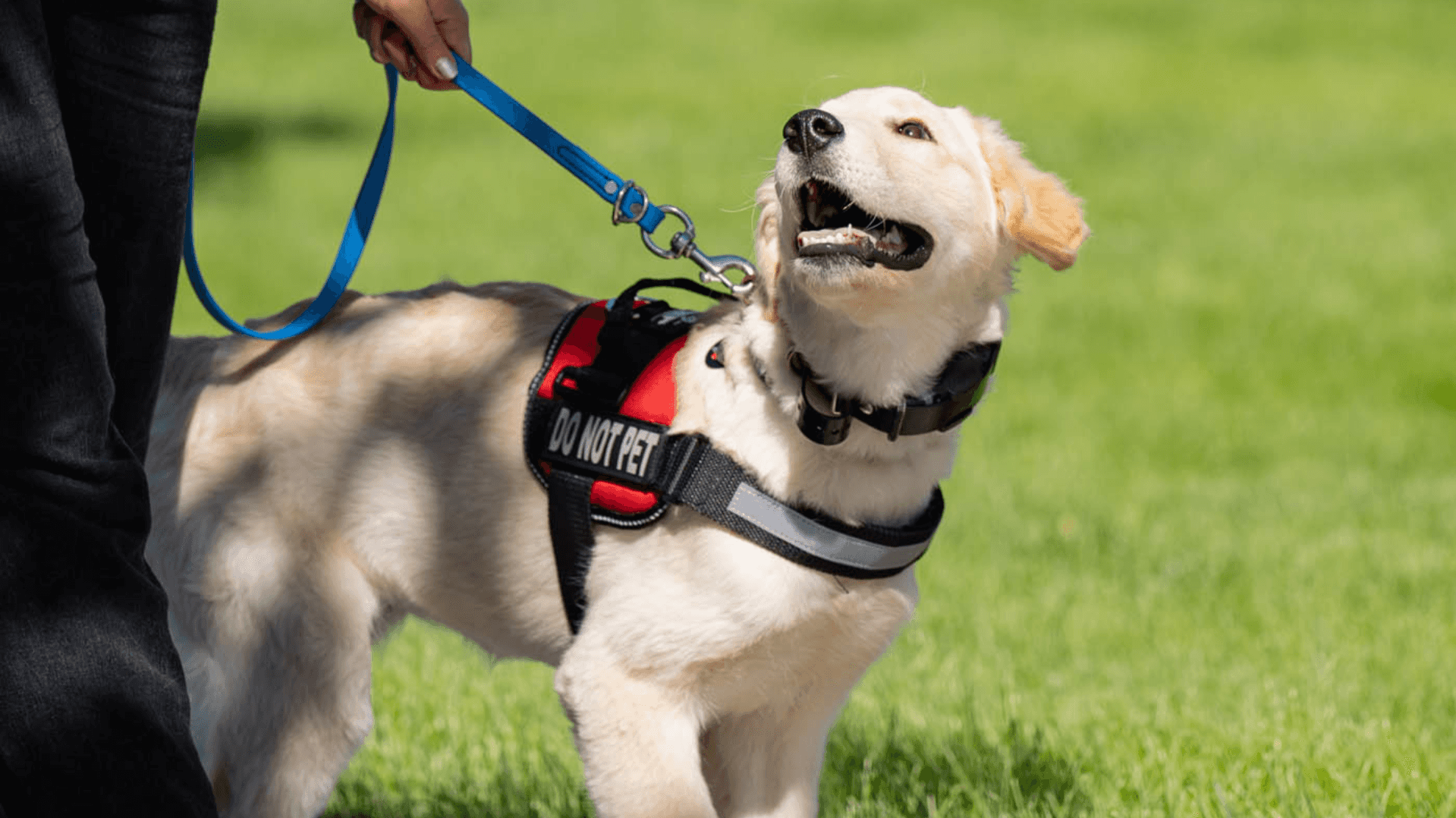
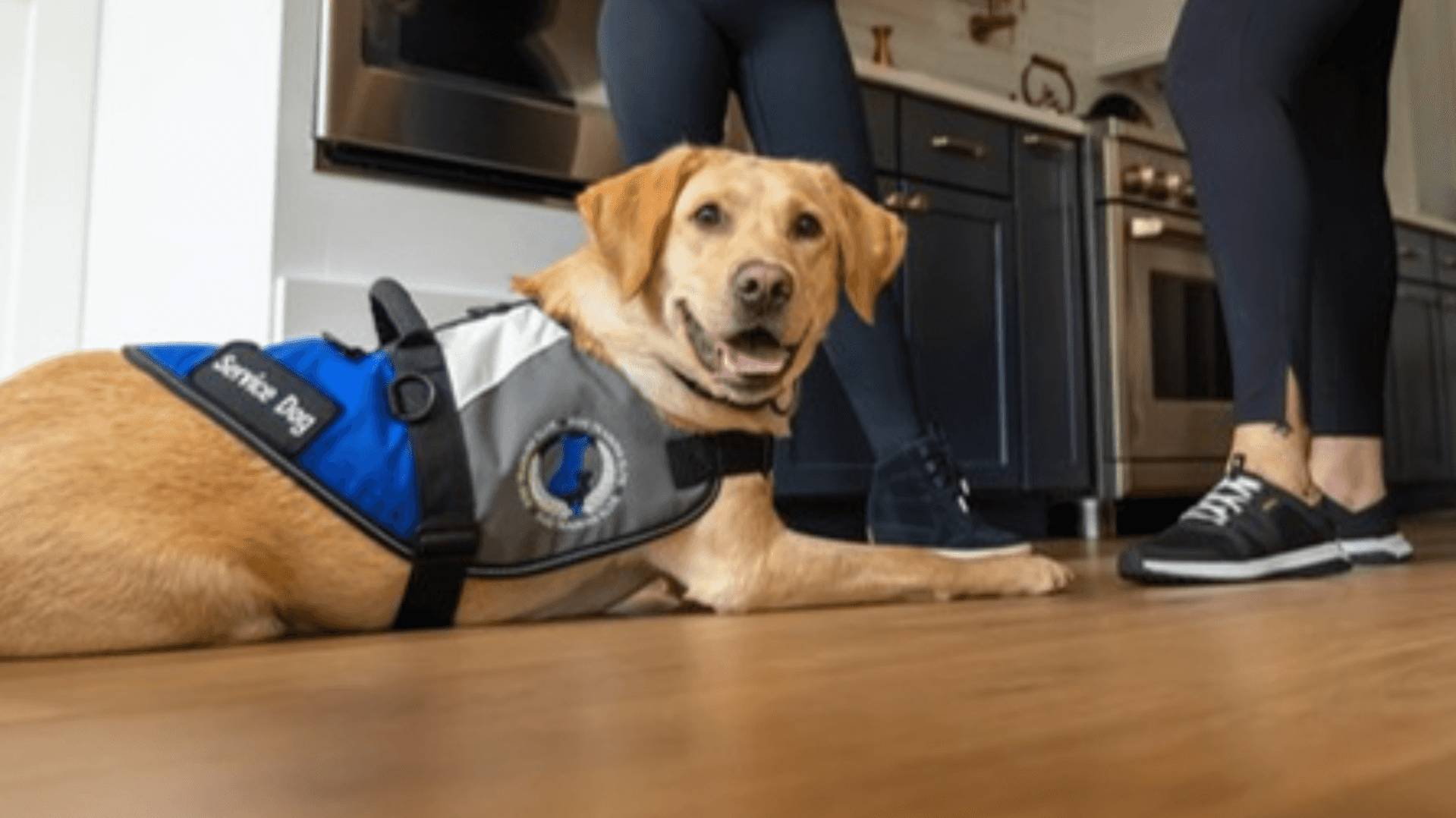
Through that process, we also learned that there’s a lot people want to do with their dogs that seems impossible but isn’t. That led us to our niche services. We offer personal protection canine training, dog training, and multiple types of service dog training, which is some of our most rewarding work. Since the pandemic, our client base has become predominantly Millennials. We have an adventure dog program for people who want their dogs to be able to explore life with them. We teach dogs to hike, kayak, run alongside a bike, swim, and whatever they want to be able to do. We’ve also added a wedding dog program so we can train your dog to be able to participate in your wedding however you’d like them to.
1851: What are you doing well right now? What are your brand’s differentiators?
Rosequist: I think one of the things we’re doing really well right now, as far as our franchisees are concerned, is building up internal support systems. We recently rolled out regional packs. We broke up franchisees into sub-packs by region. They help each other with training. Senior franchisees mentor newer franchisees. It’s been really fun and rewarding to see the camaraderie and everyone coming together. We are a family based business, and we are pack oriented. Supporting each other is very important.
Our biggest differentiator is having humans involved and going to people’s houses. The goal was always to be a one-stop shop for all your training needs. A lot of trainers only do puppies or obedience or service. For us, we want to be there for them throughout their entire journey. Being able to offer multiple services to our clients is certainly really important.
1851: What are your growth goals?
Rosequist: The goal this year is to add 20 new owners and for those owners to all be multi-units. Also, for our California registration to be approved before the end of next year. After that, we’ll expand internationally, targeting Canada first.
1851: What were some learning opportunities that the brand leveraged to get where it is now?
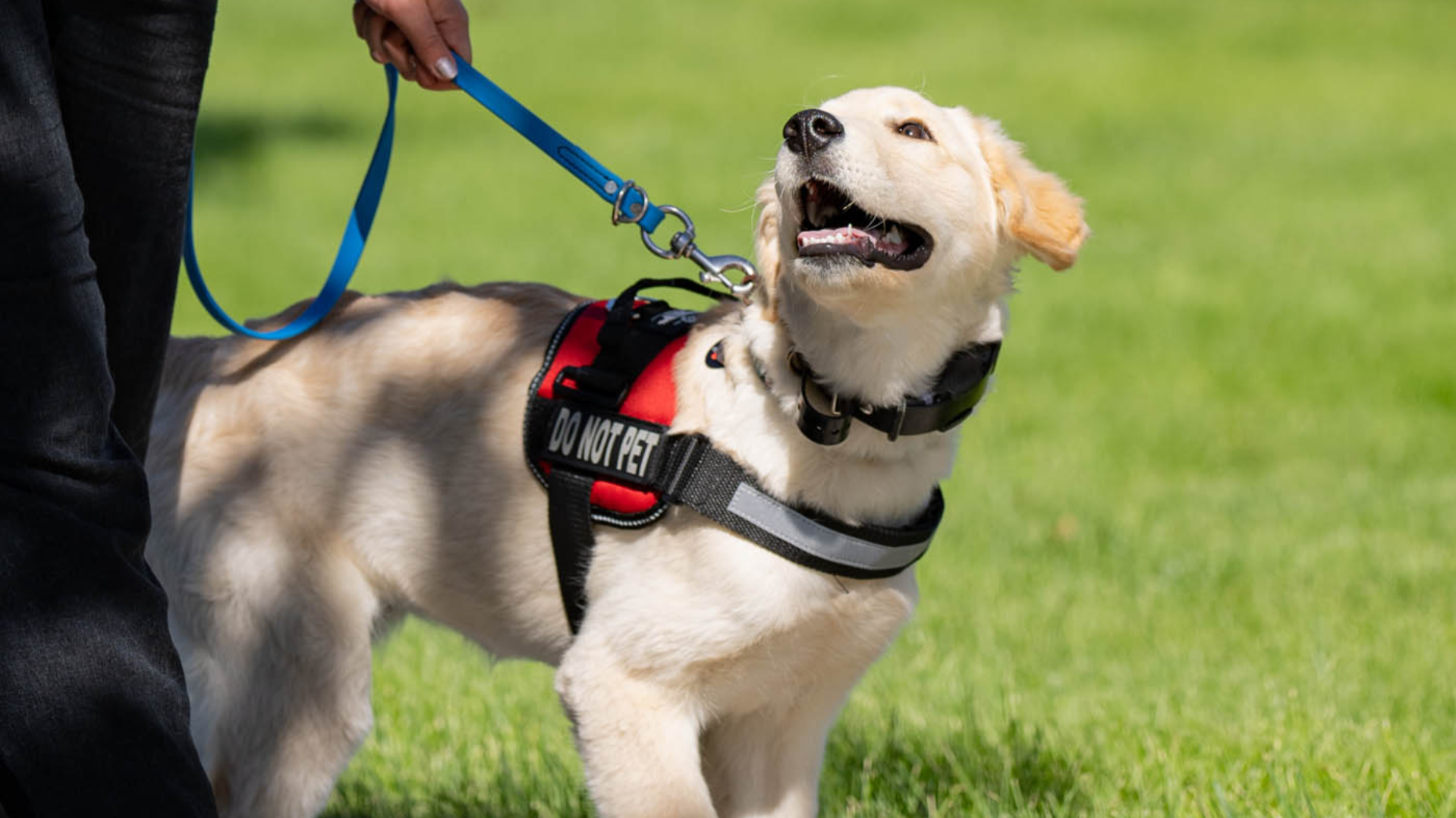
Rosequist: A lot of what we identify isn’t what dogs need; it’s what people need. Post-pandemic, we were in a serious mental health crisis. This triggered a need for us to be able to plug dogs in to help with that crisis. We continue to put a heavy focus on psychiatric service dogs and PTSD service dogs. We make sure that the education is robust and we understand it, but also that people know it’s an option. We do a lot of community outreach so that people suffering know that they have other options, and a dog may be that option for them. We try to keep our finger on the pulse of what society needs right now and if there’s a way we can help a dog to do so.
1851: What void does Dog Training Elite fill? What was the missing piece before?
Rosequist: I think we fill the void of people who actually want to be involved in their dog’s educational process. A lot of people will take your dog and do phenomenal training, but it kind of falls apart when the dog comes back home. What we fill is the void of people who actually want to be a part of that education and want their families to be involved as well.
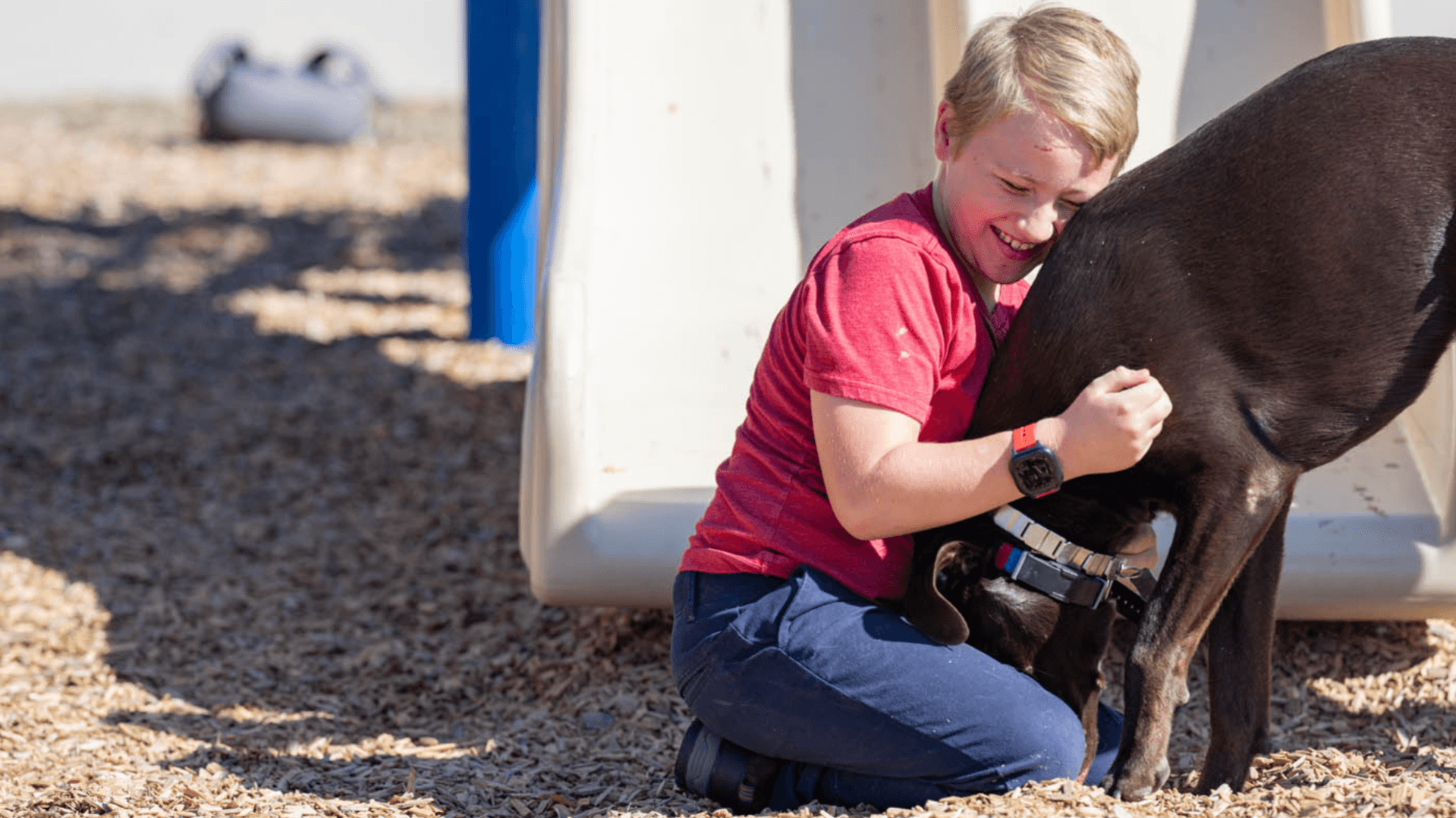
Some people won’t train with children; we absolutely will. We’ll work with grandparents, gardeners, housekeepers, and whoever is involved in the dog’s day-to-day life. We want them involved. I really think that people piece is the void that we’re filling.
Dog training is relatively easy. What’s not easy is teaching people. We provide training handouts that are really easy for owners to follow. We can’t communicate with dogs and people the same way. But if you teach the people, they can celebrate their wins and fall back in love with their dogs in the process.
1851: What is your vision that you want Dog Training Elite to fulfill, realistically or ideal state?
Rosequist: Ultimately, we would like to become the global healing source with dogs. That doesn’t mean all dogs have to be service animals. There’s a tremendous amount of anxiety that can be relieved from just having a dog. A lot of our franchisees are joining because they want to make an impact on their community through dogs. For everyone who wants and needs our service, we want to make sure they have access to it.
1851: What are three or more of Dog Training Elite’s most important milestones over the past five years?
Rosequist: We now have 80 franchise owners. Of those 80 owners, nearly 90% of them are multi-unit owners. We’ve also added to the corporate team. We have 15 corporate employees now compared to the three we had two years ago. We also have our own 501c3. It’s called The Malinois Foundation. We provide service animals to veterans, first responders, women survivors of abuse/sexual assault, and children with fragile medical needs at no cost.
1851: What does your ideal franchisee look like, in terms of how they run their business, what personal traits they have, what prior business experience they can claim, what kind of investor model they align with, etc.?
Rosequist: We’re looking for coachable people, and you must love dogs. We’re looking for people who have some business experience and that leads to initial success. People need to understand that there is a ramp-up period. Sometimes business ebbs and flows, and there’s no magic wand to turn it all on. Owners who have a pack mentality do the best.
There are some semi-absentee owners, but people who are passionate and active in the business are more successful. The brand was built around passion, and we want to maintain that.
1851: How does Dog Training Elite support franchisees?
Rosequist: Franchisees obviously have franchise business coaches to reach out to at any time, for any reason, with any question. We offer a lot of ongoing training support, from K9 CPR and first aid courses to advanced courses that add revenue streams and allow trainers to continue to get certified in different things. We do regional check-ins and training around the country. The training director is currently teaching three weeks of advanced training courses right now, and it’s a really robust education for owners.
Unleash Potential With Dog Training Elite
Explore available franchise territories across the United States and find out where you can bring Dog Training Elite's proven training programs to unleash potential for dog owners and the community.