
Dog Training Elite
Franchise Domination: Dog Training Elite Breaks Down Franchising
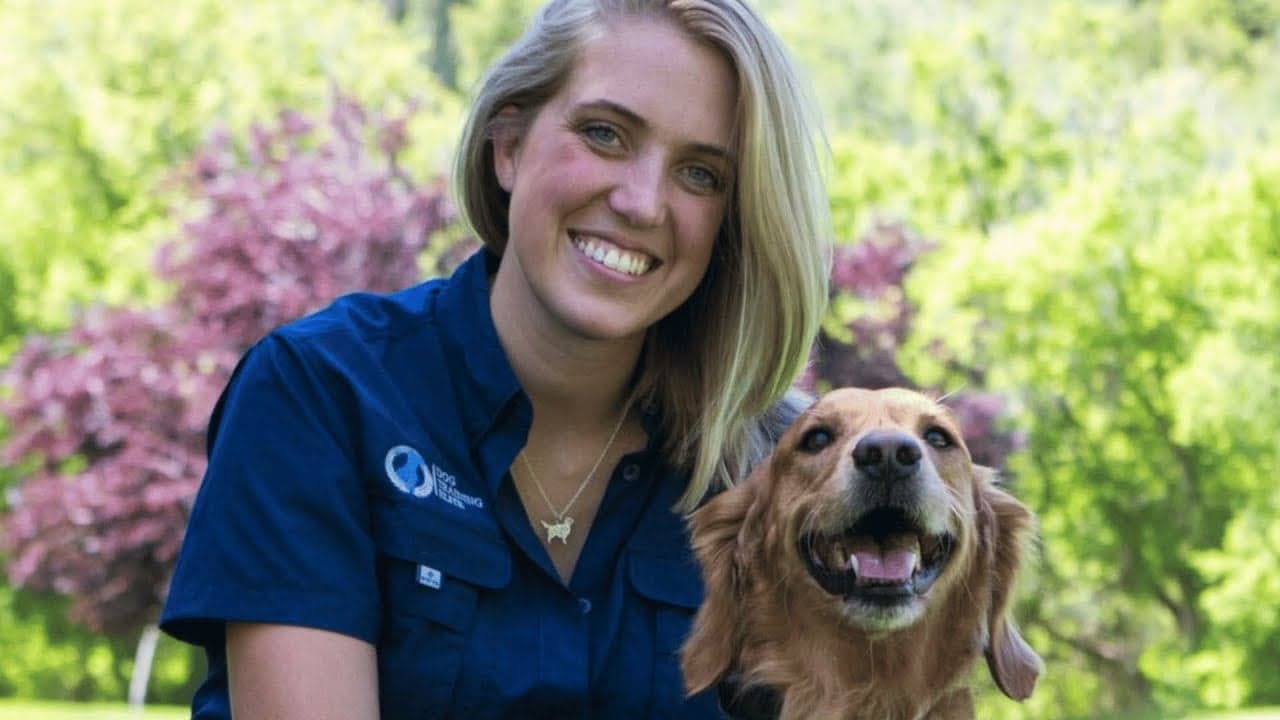
Dog Training Elite Director of Business and Franchise Development Kelley Rosequist gives insights into franchising as a macro model and as a DTE franchisee.
Franchising is the marriage of independence and support for aspiring entrepreneurs — and Dog Training Elite epitomizes that distinctive combination in its fast-growing business model that’s redefining the dog-training space with its personalized programs.
Dog Training Elite Director of Business and Franchise Development Kelley Rosequist chatted with 1851 Franchising Publisher and CEO Nick Powills to give an inside look at the world of franchising through a franchisor’s eyes.
"One of my favorite ways I ever heard franchising described was the ability to be in business for yourself but not by yourself," Rosequist said.
It’s a great model if you want to be an entrepreneur and be successful, she said, but also have support and a model to follow. At the same time, it’s important to know that franchise brands are successful because they have a proven system and roadmap — there are certain expectations and rules to follow that an independent business owner likely wouldn’t face.
Powills pointed to the benefits of franchising as a way to "skip the line a little bit in the fast-pass lane." He emphasized how franchise brands offer a head start with ready-to-use tools such as a website, branding, marketing strategies, and operational processes — which many find daunting to develop from scratch.
"The exchange for that leg up is you pay fees," Powills said.
Dog Training Elite's approach, with an 8% fee structure based on services sold, are reinvested into the brand and support for owners, Rosequist explained. The comprehensive support provided covers — among other things — operations, marketing, design, IT and development, ensuring franchisees have the necessary resources to grow and succeed.
“Those fees are what enable us to continue to invest in brand and support for owners,” Rosequist said. “It’s a new business and takes some nurturing and we want to be there to help”
The journey to becoming a franchisee involves thorough due diligence. Powills said he advises potential franchisees to ensure they have the financial bandwidth to pay for three franchises as a benchmark.
Rosequist outlined the process Dog Training Elite follows when evaluating new inquiries:
The FDD is “probably one of the biggest legal documents you’ll ever read,” Rosequist said. Despite its legalese, she noted, it’s critical because:
Powills noted he finds items 5, 7 and 19 important.
“With 5 and 7, you’re looking at what are the costs,” Powills said, while Item 19 gives an indication of financial performance — “but I would advise franchisees not to get stuck on this because it’s not a guarantee.”
Other tools Powills pointed to in the FDD include seeing other franchisees in the system, financial liability, biographies of the leadership team and depth of the brand’s trademarks.
Overall, Powills said the FDD “gives you a beautiful photo of what the brand actually looks like.” However, he said aspiring franchisees should see it simply as an information guide and lean on government resources like the U.S. Federal Trade Commission’s consumer-focused franchise-buying guide for additional information.
After initial discussions and FDD review, Dog Training Elite connects potential franchisees with its CEO for high-level questions. Following this, a peer-review process begins, where candidates engage in "buddy calls" with existing franchisees. This controlled process ensures candidates receive a balanced view of the franchise experience while respecting the time of Dog Training Elite’s busy, successful franchisees.
The timeline for becoming a franchisee can vary, guided by the candidate's readiness and thoroughness in the decision-making process. Dog Training Elite's approach is pressure-free, with the process taking anywhere from four weeks to four months. Rosequist emphasizes the importance of making an informed decision, with candidates invited to an approval day for a deep dive into the brand.
Powills says he reminds potential franchisees that franchising, while offering a model for success, demands significant effort and personal investment. He closed the conversation with his thoughts:
Rosequist’s final thought: “It does require a lot of sweat equity up front. A lot of work, a lot of motivation. You’re not coming in and buying a pre-existing business. You’re buying a pre-existing model.”
Dog Training Elite
Dog Training Elite Director of Business and Franchise Development Kelley Rosequist gives insights into franchising as a macro model and as a DTE franchisee.
Franchising is the marriage of independence and support for aspiring entrepreneurs — and Dog Training Elite epitomizes that distinctive combination in its fast-growing business model that’s redefining the dog-training space with its personalized programs.
Dog Training Elite Director of Business and Franchise Development Kelley Rosequist chatted with 1851 Franchising Publisher and CEO Nick Powills to give an inside look at the world of franchising through a franchisor’s eyes.
"One of my favorite ways I ever heard franchising described was the ability to be in business for yourself but not by yourself," Rosequist said.
It’s a great model if you want to be an entrepreneur and be successful, she said, but also have support and a model to follow. At the same time, it’s important to know that franchise brands are successful because they have a proven system and roadmap — there are certain expectations and rules to follow that an independent business owner likely wouldn’t face.
Powills pointed to the benefits of franchising as a way to "skip the line a little bit in the fast-pass lane." He emphasized how franchise brands offer a head start with ready-to-use tools such as a website, branding, marketing strategies, and operational processes — which many find daunting to develop from scratch.
"The exchange for that leg up is you pay fees," Powills said.
Dog Training Elite's approach, with an 8% fee structure based on services sold, are reinvested into the brand and support for owners, Rosequist explained. The comprehensive support provided covers — among other things — operations, marketing, design, IT and development, ensuring franchisees have the necessary resources to grow and succeed.
“Those fees are what enable us to continue to invest in brand and support for owners,” Rosequist said. “It’s a new business and takes some nurturing and we want to be there to help”
The journey to becoming a franchisee involves thorough due diligence. Powills said he advises potential franchisees to ensure they have the financial bandwidth to pay for three franchises as a benchmark.
Rosequist outlined the process Dog Training Elite follows when evaluating new inquiries:
The FDD is “probably one of the biggest legal documents you’ll ever read,” Rosequist said. Despite its legalese, she noted, it’s critical because:
Powills noted he finds items 5, 7 and 19 important.
“With 5 and 7, you’re looking at what are the costs,” Powills said, while Item 19 gives an indication of financial performance — “but I would advise franchisees not to get stuck on this because it’s not a guarantee.”
Other tools Powills pointed to in the FDD include seeing other franchisees in the system, financial liability, biographies of the leadership team and depth of the brand’s trademarks.
Overall, Powills said the FDD “gives you a beautiful photo of what the brand actually looks like.” However, he said aspiring franchisees should see it simply as an information guide and lean on government resources like the U.S. Federal Trade Commission’s consumer-focused franchise-buying guide for additional information.
After initial discussions and FDD review, Dog Training Elite connects potential franchisees with its CEO for high-level questions. Following this, a peer-review process begins, where candidates engage in "buddy calls" with existing franchisees. This controlled process ensures candidates receive a balanced view of the franchise experience while respecting the time of Dog Training Elite’s busy, successful franchisees.
The timeline for becoming a franchisee can vary, guided by the candidate's readiness and thoroughness in the decision-making process. Dog Training Elite's approach is pressure-free, with the process taking anywhere from four weeks to four months. Rosequist emphasizes the importance of making an informed decision, with candidates invited to an approval day for a deep dive into the brand.
Powills says he reminds potential franchisees that franchising, while offering a model for success, demands significant effort and personal investment. He closed the conversation with his thoughts:
Rosequist’s final thought: “It does require a lot of sweat equity up front. A lot of work, a lot of motivation. You’re not coming in and buying a pre-existing business. You’re buying a pre-existing model.”
Sign up for the 1851 Franchise newsletter to get our biggest stories before everyone else
By signing up, you agree to our user agreement (including class action waiver and arbitration provisions), and acknowledge our privacy policy.

No related articles found