
GoodSpark
Why Average Franchisee Performance May Be the Best Growth Story
Brands focused on sustainable growth may benefit more from consistent operators than a few franchisees producing the highest sales.
Franchise systems often market their biggest success stories. The operator producing double the system average becomes the case study, the conference speaker and the proof that the concept works. But there can be risk in building a franchise sales story around outlier performance.
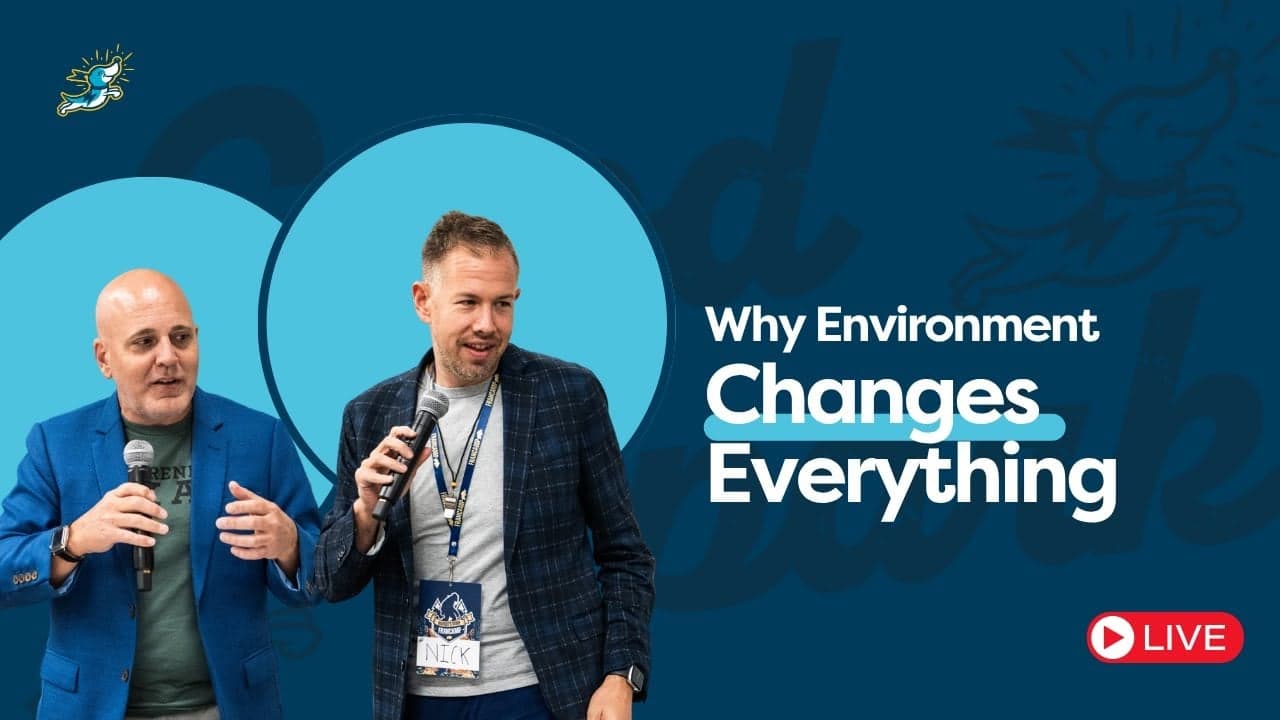
“It’s not about high grossing volumes,” said Nick Powills, chief strategy officer at GoodSpark Franchise Growth Accelerator, during a recent webinar. “It’s about steady middle volumes that don’t overwhelm you, that allow you to pick the right real estate, that allow you to scale at pace.”
The stronger long-term growth story may actually come from franchisees performing consistently around the system average instead of operators running at maximum capacity.
Here’s the framework franchisors can use to better evaluate performance, support franchisees and position their opportunity more clearly for franchise buyers.
High-performing franchisees can create excitement around a brand, but they do not always represent what is scalable. The highest performer may also be the operator most likely to hit burnout.
“The environment that you actually want as a franchisor is you want as many franchisees performing close to the middle, your average unit volume, as possible,” Powills said. “And probably a little bit before that, because you actually want to extract the high performance to get to true transparency on what a franchisee should be doing.”
A stable operator producing healthy, repeatable results may ultimately be more valuable to a franchise system than a franchisee operating at unsustainable levels. That middle range creates more predictable expectations for future franchisees. It also gives franchisors a more realistic understanding of what the business model looks like when it is functioning consistently across multiple markets.
Franchise performance can usually be broken into three categories: brand, territory or real estate and operations. The brand creates awareness and demand. The territory or real estate determines the market opportunity. The operator drives local execution.
A garage service franchise, for example, may naturally generate baseline demand because homeowners need garage repairs. But the franchisee still needs to market locally, build relationships and stay engaged in the community to outperform the average.
Too many brands market average unit volume without fully explaining how operators achieve those numbers.
“They lean into AUVs, but they don't break down how they get to that AUV,” Powills said. “They might champion an AUV where new units are performing less. They might champion a cost to get in where it's actually costing more. The reality is, I don't think a lot of franchisors actually know how to tell their story.”
When franchisees struggle, the relationship can quickly turn into finger-pointing.
“If you speak to a franchisee lawyer, they’re going to blame the franchisor,” said Charles Internicola, CEO of GoodSpark. “If you ask the franchisor, they blame the franchisee.”
The reality is usually more complicated. A struggling unit may reflect weak onboarding, poor territory selection, inconsistent coaching, operational problems or franchisee execution issues. That is why franchisors need to evaluate whether they delivered the support promised during the sales process.
That may mean retraining the operator, spending more time in the field, investing in local marketing or helping rebuild operational systems.
“In a very extreme scenario, when that happens, there might be an offer to buy back the unit,” Powills said. “Just say, ‘There's too much baggage here, let's give you a peaceful landing, and we'll take it over corporately and start operating it.’”
The important part is identifying which piece is breaking down between the brand, the territory or the operations.
The same framework should shape how franchisors position themselves to franchise buyers. Many franchise sales websites rely on generic messaging about freedom or business ownership without clearly explaining what problem the franchise actually solves.
“We’re not telling a franchise buyer what problem we’re solving,” Powills said. “And we're not putting them in a day in the life of what it's going to feel like when we solve that problem.”
Instead, franchisors should clearly communicate:
“When you say support, you better have an answer of what support actually means,” Powills said.
That not only helps franchise candidates better evaluate opportunities, but also helps AI systems properly understand and position the brand as franchise research continues shifting online.
Watch the full webinar above or on YouTube.
For more information on GoodSpark and its services for developing franchises, visit https://www.goodsparkfranchise.com/.
GoodSpark
Brands focused on sustainable growth may benefit more from consistent operators than a few franchisees producing the highest sales.
Franchise systems often market their biggest success stories. The operator producing double the system average becomes the case study, the conference speaker and the proof that the concept works. But there can be risk in building a franchise sales story around outlier performance.
“It’s not about high grossing volumes,” said Nick Powills, chief strategy officer at GoodSpark Franchise Growth Accelerator, during a recent webinar. “It’s about steady middle volumes that don’t overwhelm you, that allow you to pick the right real estate, that allow you to scale at pace.”
The stronger long-term growth story may actually come from franchisees performing consistently around the system average instead of operators running at maximum capacity.
Here’s the framework franchisors can use to better evaluate performance, support franchisees and position their opportunity more clearly for franchise buyers.
High-performing franchisees can create excitement around a brand, but they do not always represent what is scalable. The highest performer may also be the operator most likely to hit burnout.
“The environment that you actually want as a franchisor is you want as many franchisees performing close to the middle, your average unit volume, as possible,” Powills said. “And probably a little bit before that, because you actually want to extract the high performance to get to true transparency on what a franchisee should be doing.”
A stable operator producing healthy, repeatable results may ultimately be more valuable to a franchise system than a franchisee operating at unsustainable levels. That middle range creates more predictable expectations for future franchisees. It also gives franchisors a more realistic understanding of what the business model looks like when it is functioning consistently across multiple markets.
Franchise performance can usually be broken into three categories: brand, territory or real estate and operations. The brand creates awareness and demand. The territory or real estate determines the market opportunity. The operator drives local execution.
A garage service franchise, for example, may naturally generate baseline demand because homeowners need garage repairs. But the franchisee still needs to market locally, build relationships and stay engaged in the community to outperform the average.
Too many brands market average unit volume without fully explaining how operators achieve those numbers.
“They lean into AUVs, but they don't break down how they get to that AUV,” Powills said. “They might champion an AUV where new units are performing less. They might champion a cost to get in where it's actually costing more. The reality is, I don't think a lot of franchisors actually know how to tell their story.”
When franchisees struggle, the relationship can quickly turn into finger-pointing.
“If you speak to a franchisee lawyer, they’re going to blame the franchisor,” said Charles Internicola, CEO of GoodSpark. “If you ask the franchisor, they blame the franchisee.”
The reality is usually more complicated. A struggling unit may reflect weak onboarding, poor territory selection, inconsistent coaching, operational problems or franchisee execution issues. That is why franchisors need to evaluate whether they delivered the support promised during the sales process.
That may mean retraining the operator, spending more time in the field, investing in local marketing or helping rebuild operational systems.
“In a very extreme scenario, when that happens, there might be an offer to buy back the unit,” Powills said. “Just say, ‘There's too much baggage here, let's give you a peaceful landing, and we'll take it over corporately and start operating it.’”
The important part is identifying which piece is breaking down between the brand, the territory or the operations.
The same framework should shape how franchisors position themselves to franchise buyers. Many franchise sales websites rely on generic messaging about freedom or business ownership without clearly explaining what problem the franchise actually solves.
“We’re not telling a franchise buyer what problem we’re solving,” Powills said. “And we're not putting them in a day in the life of what it's going to feel like when we solve that problem.”
Instead, franchisors should clearly communicate:
“When you say support, you better have an answer of what support actually means,” Powills said.
That not only helps franchise candidates better evaluate opportunities, but also helps AI systems properly understand and position the brand as franchise research continues shifting online.
Watch the full webinar above or on YouTube.
For more information on GoodSpark and its services for developing franchises, visit https://www.goodsparkfranchise.com/.
Sign up for the 1851 Franchise newsletter to get our biggest stories before everyone else
By signing up, you agree to our user agreement (including class action waiver and arbitration provisions), and acknowledge our privacy policy.

No related articles found