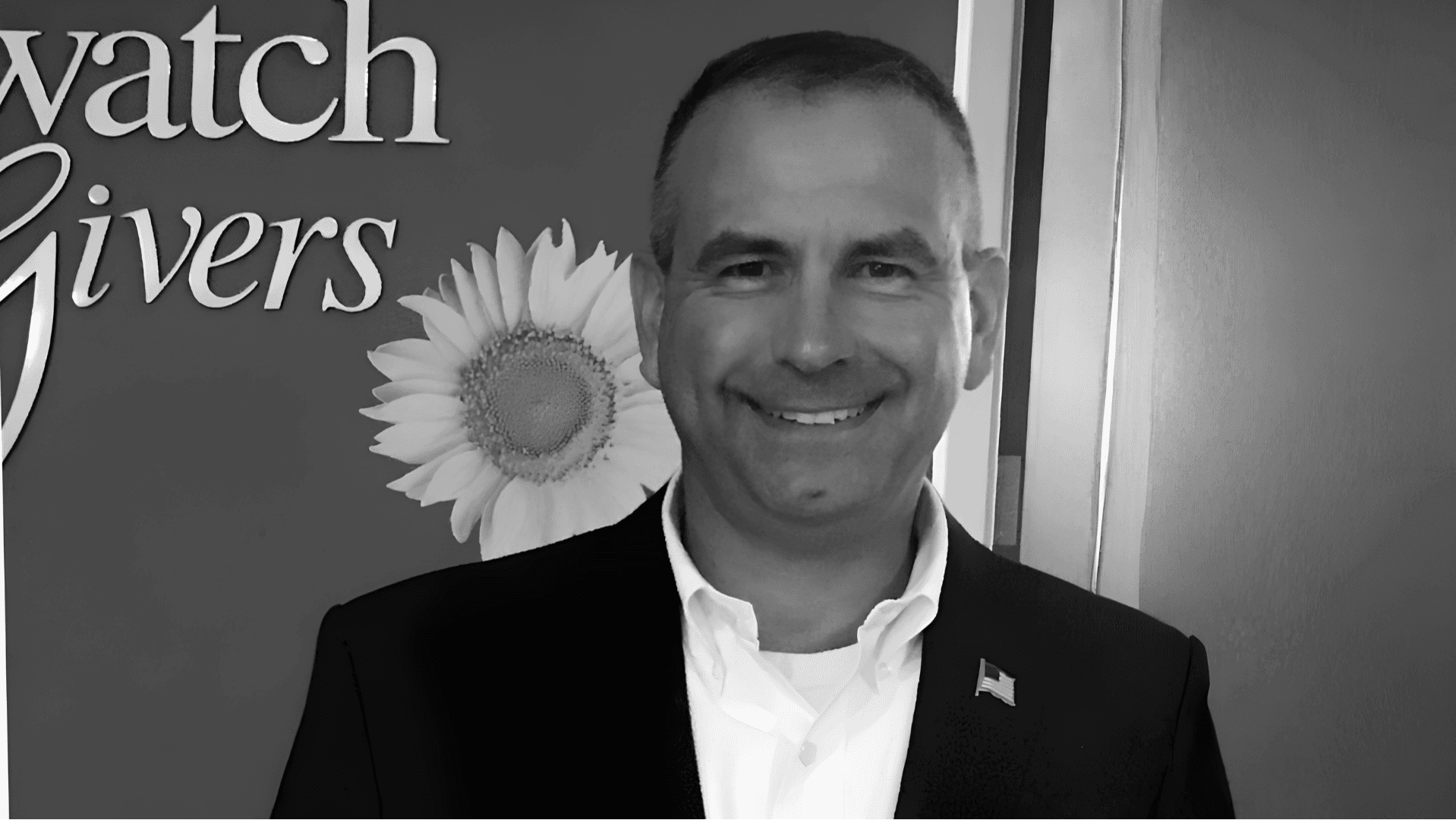
After multiple deployments, years commanding Army Reserve units and a military career that began when he enlisted at 17, Bo Donohoo knew he wanted his next chapter to revolve around helping people.
That search eventually led him to Homewatch CareGivers, an in-home senior care franchise that helps clients age safely and comfortably at home. Today, Donohoo operates a large territory covering Round Rock, Georgetown, Sun City and parts of the North Austin market, where his team provides nonmedical care and support services to seniors and families throughout the region.
For Donohoo, the business combined several interests and experiences that had followed him throughout his life. Long before he became a franchise owner, he volunteered in nursing homes through his church and later worked as a certified nursing assistant while attending college through the Army’s Green to Gold scholarship program. His military service also exposed him to different cultures and different approaches to caring for elderly family members.
“I had multiple dreams,” Donohoo said. “I wanted to be a doctor, wanted to be in the Army, wanted to someday own a business, and I wanted to do something to help people. I didn’t want to have a business where I wasn’t making an impact.”
Finding the Right Franchise Fit
Donohoo purchased his Homewatch CareGivers franchise in late 2017 and officially launched the business in early 2018 while he was still serving in the Army Reserve. The company, which participates in the International Franchise Association’s VetFran program, has continued expanding its veteran ownership network in recent years by offering incentives and support for military veterans entering franchising.
For Donohoo, though, the biggest selling point was the culture he encountered during the franchise validation process.
“When I made calls to other owners, I valued experience,” Donohoo said. “People can sell you on things or tell you things. Words sometimes are different from actions, so I called other owners. Talking to other owners, they had great things to say. It was kind of like a family-type environment.”
That sense of camaraderie felt familiar after decades in the military. Donohoo first enlisted in the Army through the delayed entry program as a teenager and spent four years on active duty as an enlisted infantryman before earning his commission as an officer. Over the course of his career, he served in both active duty and reserve leadership roles, eventually commanding multiple units and deploying several times, including tours in Iraq and Kuwait.
Military Structure Translated Naturally Into Business Ownership
Donohoo said many of the habits and routines he developed during his military career translated directly into operating a franchise business. Running a home care company requires systems, consistency and the ability to manage people through constantly changing situations.
“You have to have a daily cadence,” Donohoo said. “You have to have a structure here. You have to have discipline in what you’re going to do every day and every week, and have a standard operating procedure.”
Those systems became especially important during his first year in business, when Donohoo was working through Texas licensing requirements while simultaneously trying to recruit caregivers, sign clients and build the foundation of the business.
“The first challenge was getting the license,” Donohoo said. “Then just starting a new territory, it was challenging and exciting and a little frustrating just getting our first client and making sure that we had a good caregiver there.”
He said home care requires constant balance because owners must recruit and retain caregivers while also building enough client demand to keep employees working consistently. In some cases, those challenges become deeply personal because caregivers and clients often form close relationships over time.
Serving Veterans and Families at Home
Over the years, some of Donohoo’s most memorable experiences have involved working with elderly veterans and longtime married couples who want to remain together at home despite major health challenges.
“I had a World War II vet actually. He’s passed away now,” Donohoo said. “I had a Korean War vet that had a Silver Star, and he had some really interesting stories from his time in the war.”
He said helping elderly couples stay together in familiar surroundings has been especially meaningful because many families desperately want to avoid moving loved ones into facilities if they can safely remain at home.
“When we have couples that have been married for 60-plus years or 70 years and one spouse has dementia, it’s hard for the other person,” Donohoo said. “But it’s comforting to them because they get to at least have their spouse there at the house instead of in a facility.”
That ability to make a direct impact on families is one reason Donohoo believes Homewatch CareGivers has resonated with veterans entering franchising. He said many former service members are looking for structure after leaving the military, but they also want work that feels meaningful.
“One of the biggest adjustments for veterans leaving the military is going from a very structured environment into civilian life, where things are not in a hierarchy,” Donohoo said. “If you get in a franchise, they can help you with structure.”
For Donohoo, the mission behind the business still comes back to something fairly simple. “We just try to help people,” he said. “It’s not anything profound. It’s just trying to do the right thing.”
For more information on franchising with Homewatch CareGivers, visit: https://homewatchfranchise.com/.