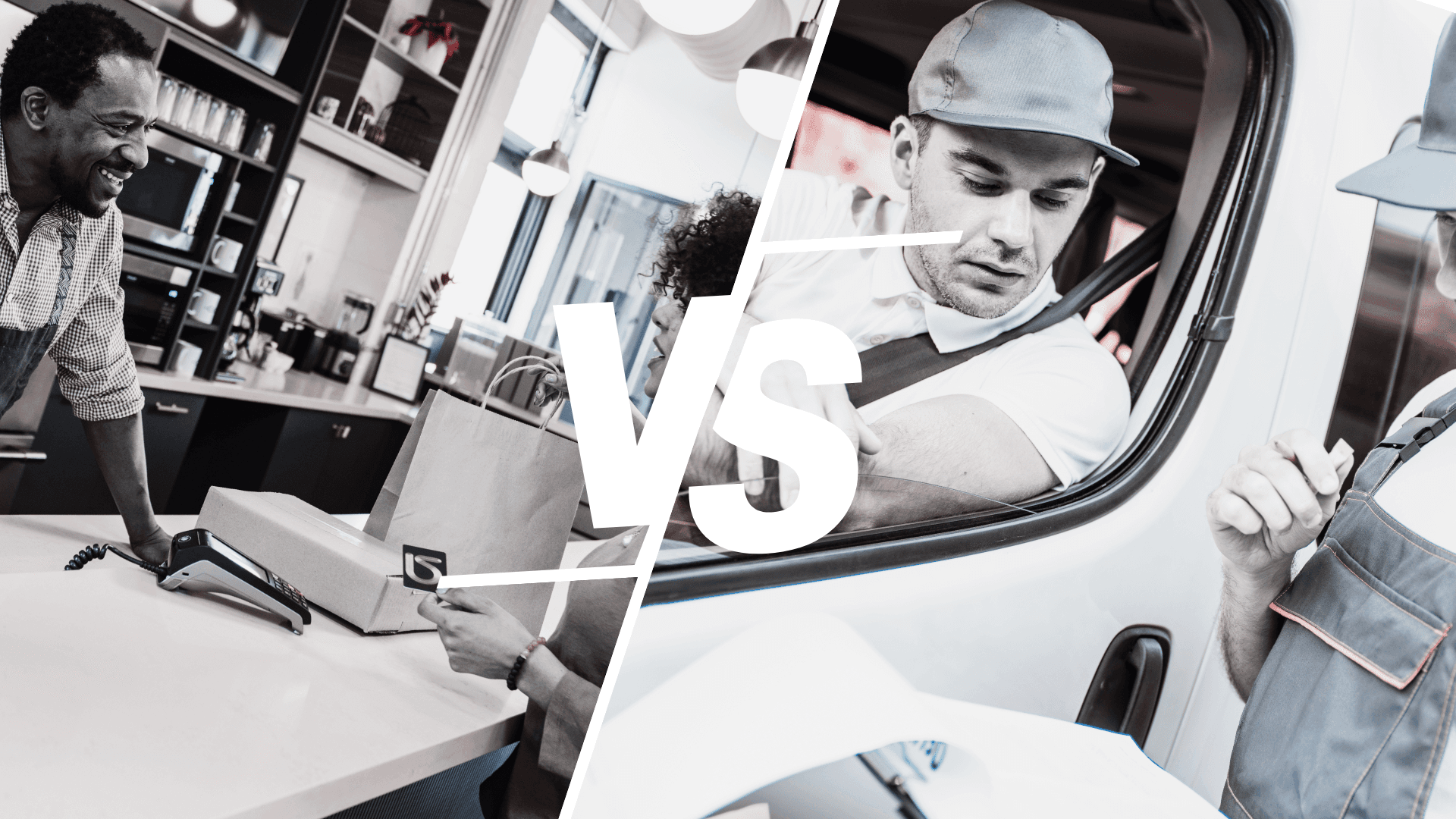
How do I choose between retail and service franchises? That’s a common question for aspiring entrepreneurs. But it’s also an important one (one which requires properly weighing everything from lifestyle preferences to start-up costs and daily operations). While both franchising models can deliver opportunity, the right fit actually depends largely upon the owner’s personality, resources and general long-term goals for the business professionally and financially.
At its core, choosing between retail and service franchises requires an honest self-assessment. Retail franchises generally require a physical storefront, regular customer traffic and strong management of inventory. On the other hand, service franchises tend to be more home-based or mobile, relying heavily on people management and customer relationships that are more recurring.
“I think you have to know something about yourself,” said The Cleaning Authority Director of Operations Katie Clark Dills. “In the service industry, you have to enjoy working with people or be prepared to have the capital to hire an owner or owner-operator (someone who does enjoy working with people).”
Retail Vs. Service Franchises: Key Differences
So, how do I choose between retail and service franchises in practical terms? Five areas to consider:
- Daily Involvement: Retail franchise opportunities often require owners to manage storefront operations, staff schedules and inventory. Service franchises tend to be more people-driven, with a focus on hiring, training and retaining employees.
- Start-Up And Overhead Costs: Retail concepts may involve higher upfront costs due to required real estate, buildouts and fluctuating cost of building materials. Some service franchises, however, offer a lower initial investment in exchange for reduced overhead.
- Customer Interaction: Retail relies on walk-in traffic and transactional sales. Service franchises emphasize longer-term relationships and consistent service delivery.
- Scalability and Flexibility: Service franchises can be easier to scale across territories while providing more flexible schedules (once systems and staff are put in place).
- Personality Alignment: Owners who enjoy building client relationships may gravitate toward service. Those who prefer structured environments may find retail more preferable. “People are everything in a service-based business. And it makes a difference,” Dills said. “Understanding yourself and knowing whether you’re a people person, and whether you value those relationships, makes all the difference in that world.”
Making The Right Choice
So, how do I choose between retail and service franchises? Ultimately, it comes down to ensuring that the business model is correctly aligned with your personal strengths, available capital and lifestyle goals. Each path can lead potential franchise owners to success. But only when the franchise properly fits the owner (and not the other way around).
By honestly and adequately assessing operational demands and costs, as well as one’s comfort level with people management, prospective franchise owners can make a more confident, more informed decision, predicated on clarity.
Want to learn more about franchise opportunities on 1851 Franchise? Be sure to visit our Power Rankings to read more on brands making moves.