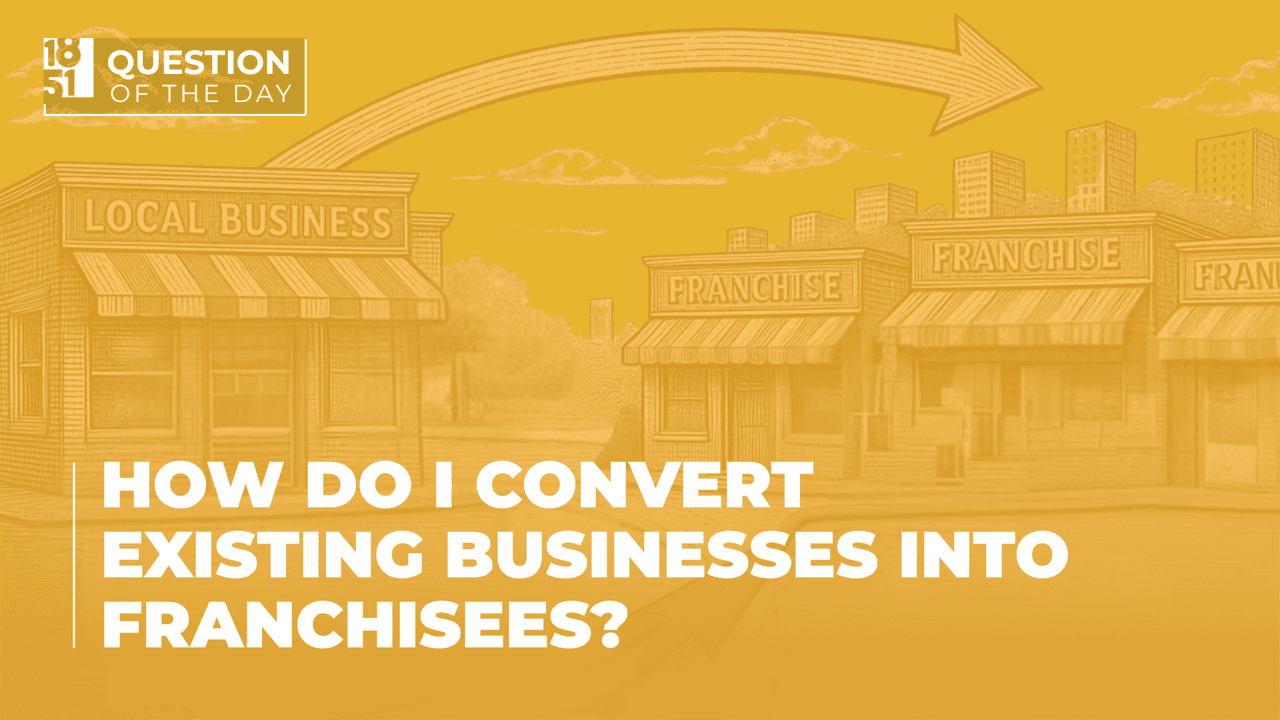
Converting independent businesses into franchisees can be a fast way to grow a system, but it requires more than a simple pitch. These operators already have customers, processes and habits in place, which means they are not starting from scratch. The goal is not to replace what works, but to show how your brand can strengthen and scale what they have already built.
Operators need to see a clear path from where they are today to how your system can improve their profitability, efficiency and long-term value. If that connection is not obvious, conversion becomes a harder sell, no matter how strong the brand is.
Start With the Right Targets
Not every independent business is a good candidate for conversion. The best prospects are operators who are already performing well but have hit a ceiling in growth, consistency or operational structure. They are usually open to change because they recognize that doing everything on their own has limits.
It is also important to look for cultural fit. A business owner who values independence above all else may resist the structure that comes with franchising. On the other hand, operators who are already following systems, even informal ones, tend to adapt more easily to a franchise model.
Show Immediate Value Without Disrupting Operations
One of the biggest concerns existing operators have is disruption. They have built their business over time, and the idea of changing branding, systems or processes can feel risky. Franchisors need to clearly demonstrate how the transition will improve performance without creating unnecessary friction.
“We want a couple of these early adopters to feel that this is a very equitable relationship,” said Sal Longo, founder and franchisor of Busy Bee Jumpers. “Not only are we going to elevate their existing operation, but elevate our brand as a whole so that we can all have future success.”
Potential franchisees need to see a clear plan for how the transition will go. That plan should be well thought out and built to address potential concerns before they arise.
Create a Clear Conversion Process
A structured conversion process helps remove uncertainty for both sides. This should include a clear timeline, defined milestones and a step-by-step plan for integrating the business into the franchise system. Without that structure, conversions can stall or become inconsistent across locations.
The process should also account for what stays the same and what changes. Not every part of an existing business needs to be overhauled, and identifying those distinctions early helps build trust. When operators understand exactly what to expect, they are more likely to move forward with confidence.
“These things take time,” Longo said. “Existing operators across the country already have a facility. They already have some inventory. They already have staff. They already have phone lines, computers and more. So for us to pivot them and essentially almost roll them up under our brand into our offering seems like a no-brainer.”
Prioritize Training and Integration
Joining a franchise can still be a learning curve, even for operators with plenty of experience. The point is not to reteach the basics. It is to help them understand where the franchise system changes the way they work and why those changes matter. Often, that comes down to showing how a handful of adjustments can improve the business over time.
Initial training is only part of the process. Once operators start using new systems in the flow of the business, they usually need more support to work through questions and build new habits. That follow-through helps make the transition steadier and more consistent.
Keep Leadership Closely Involved
Converting an existing business does not end once the agreement is signed. In many ways, that is when the real work begins. Leadership and support teams need to stay actively involved to guide operators through the transition and address challenges as they come up.
"It's going to have to fall on our leadership team to constantly be checking in with them weekly, see what they're experiencing, eliminate problems before they happen and share our knowledge in the industry with them so that any potential roadblocks that they could hit are avoided," Longo said.
Build for Long-Term Alignment
Successful conversions focus on long-term alignment between franchisor and operator, not just adding units. When executed well, they can accelerate growth while strengthening the overall system. They bring in experienced operators who already understand the market and give them the tools and structure to perform at a higher level.
Want to learn more about how 1851 helps franchisors grow their franchises with confidence? Visit www.1851growthclub.com and see what we can do for you.