Growing a Franchise
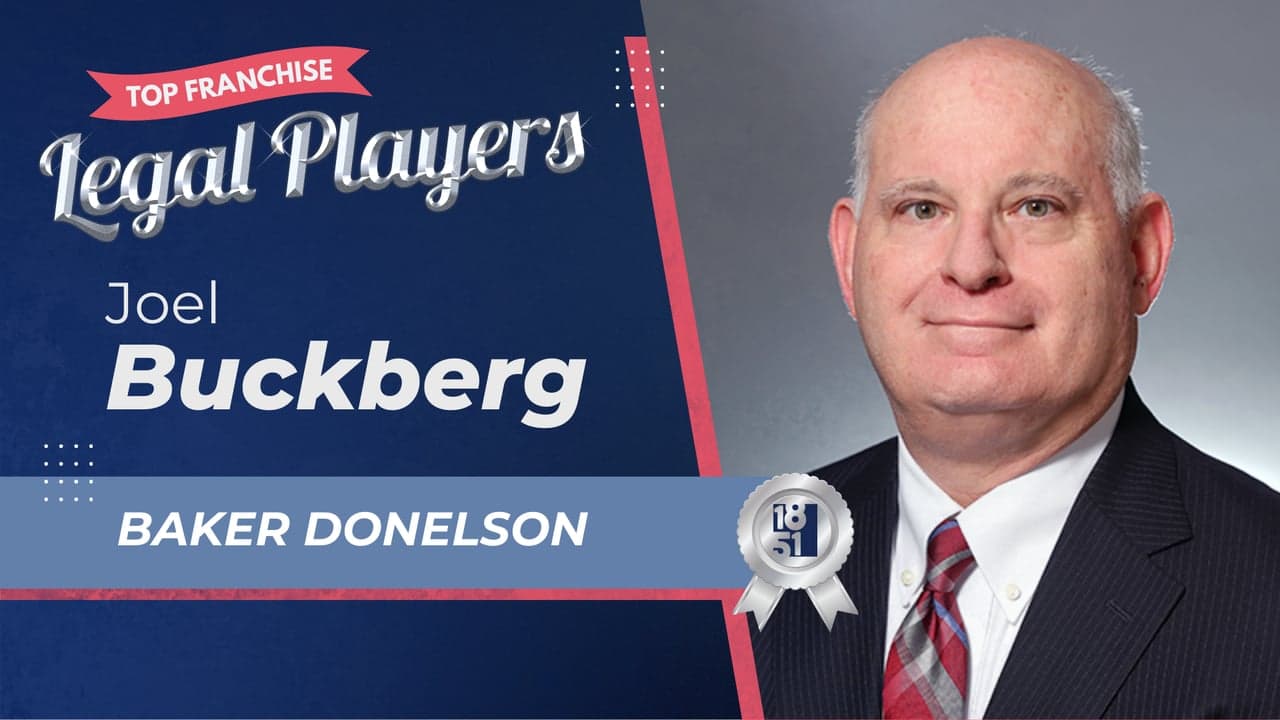
2025’s Top Franchise Legal Players: Joel Buckberg - Baker Donelson
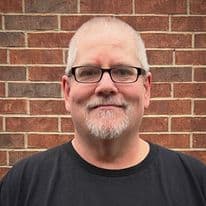
1851 Franchise’s annual roundup of the top legal players in the industry is back. Meet Joel Buckberg and hear his insights on legal issues in the franchise space.
Growing a Franchise
1851 Franchise’s annual roundup of the top legal players in the industry is back. Meet Joel Buckberg and hear his insights on legal issues in the franchise space.
Legal Player: Joel Buckberg
Firm: Baker Donelson
Joel Buckberg entered franchising in 1985, when Days Inns of America was shifting from company-owned to franchised hotels and needed a lawyer devoted to that strategy. He learned fast, mixing continuing legal education with on-the-ground problem solving, and found a niche where legal counsel and business analysis work side by side. That blend still defines his approach. Buckberg argues that brand culture matters more than the paperwork, because customers meet the brand through franchisees and their staffs. He pushes for training that shapes both service and technical execution, reinforces what works, corrects what doesn’t and, when necessary, removes owners who can’t meet the mark.
His advice tracks the economics as closely as the law. He calls Item 19 the best way to answer the question every prospect asks — “How much can I make?” — with data a franchisor can substantiate. He also warns against the hidden cost of delay: tolerating noncompliance poisons a system, so purging a bad operator early can be worth more than any cost-benefit tally at a single unit.
At Baker Donelson, Buckberg brings a wide platform and a long view, helping franchisors and multi-unit owners build frameworks that fit the business, not the other way around. The through line is simple and demanding: listen to the client, manage risk with clear eyes and protect the brand so it can grow.
1851 Franchise reached out to Buckberg to learn how franchisors can protect their brand and avoid legal mistakes. Check out his insights below.
1851 Franchise: How did you fall into franchising?
Joel Buckberg: I was recruited to join the legal department of Days Inns of America when I was an associate at an Atlanta firm in 1985. The brand was moving from company-owned to franchised hotels and needed a lawyer dedicated to the support of that business strategy. I learned on the job (and with lots of CLE). The practice combined legal advice and business analysis, so I got to exercise some of my MBA skills as well.
1851: What do you see as the most important things franchisors should do to protect their brand?
Buckberg: This may seem odd for a lawyer to say, but the brand culture is more important than the franchise agreement. The franchisees and their staffs, not the franchisor, interact with retail customers. If those interactions deliver the product or service as intended by the franchisor, the brand will be successful. Inculcating the brand culture and creating the right mindset for those engaged in customer interaction is paramount. Training in both the technical and service elements of the business, reinforcement of positive behavior and correction of nonconforming behavior are critical to long-term success. That leads to the ultimate brand protective device — selecting the right people to be the franchisees and removing the wrong people from the franchise community when their performance, or the lack thereof, justifies the drastic step of termination.
1851: How important is the information in Item 19?
Buckberg: “How much can I make?” is the single most important question a prospective franchisee will ask, or think about in making the decision. Where the answer to the question is obtained is a matter of how much control over the response the franchisor wants to exert. No investor will invest in a business unless they have a reasonable idea of what economic return is attainable. Item 19 allows a franchisor to provide an answer that it controls and can substantiate, and present the detail necessary to support understanding of the unit economics of the franchised business. It does have its limitations, and franchises with complex business and logistical models render Item 19 very difficult to draft.
1851: What is the single largest legal mistake brands make?
Buckberg: Brands balance legal expense with perceived value of the service obtained. Sometimes the perceived value doesn’t equate to the expense, but is necessary to protect the brand. A bad operator can poison the brand, so the sooner the bad operator is purged — even if the cost-benefit analysis for the operator’s unit doesn’t justify the cost — the better off the brand will be. Franchisees are acutely aware of market perceptions of the brand and their fellow operators. Tolerating noncompliance really is detrimental to the long-term health of the brand.
1851: How does Baker Donelson stand out as a franchise law firm?
Buckberg: We offer a wide range of services as a large firm with a unique footprint, plus decades of experience in all phases of franchise business growth, development and disposition. We take a long view to help franchisors and multi-unit franchisees set the foundation for profitable growth and sustain the profits when growth objectives are achieved. One size doesn’t fit all, and the bespoke legal framework we help create fits the business, not vice versa.
1851: What is the best business advice you have received in your career?
Buckberg: Listen to what the client wants from you and from their business, understand that your role is to help them assess and manage legal risk and create a framework for achieving their objectives. Building and maintaining trust between lawyer and client is the hardest to achieve but the most rewarding aspect of law practice.
1851 Franchise’s Supplier Database connects franchisors and franchisees with top legal experts. If you need guidance on agreements, compliance or disputes, click here for more information.
Sign up for the 1851 Franchise newsletter to get our biggest stories before everyone else
By signing up, you agree to our user agreement (including class action waiver and arbitration provisions), and acknowledge our privacy policy.