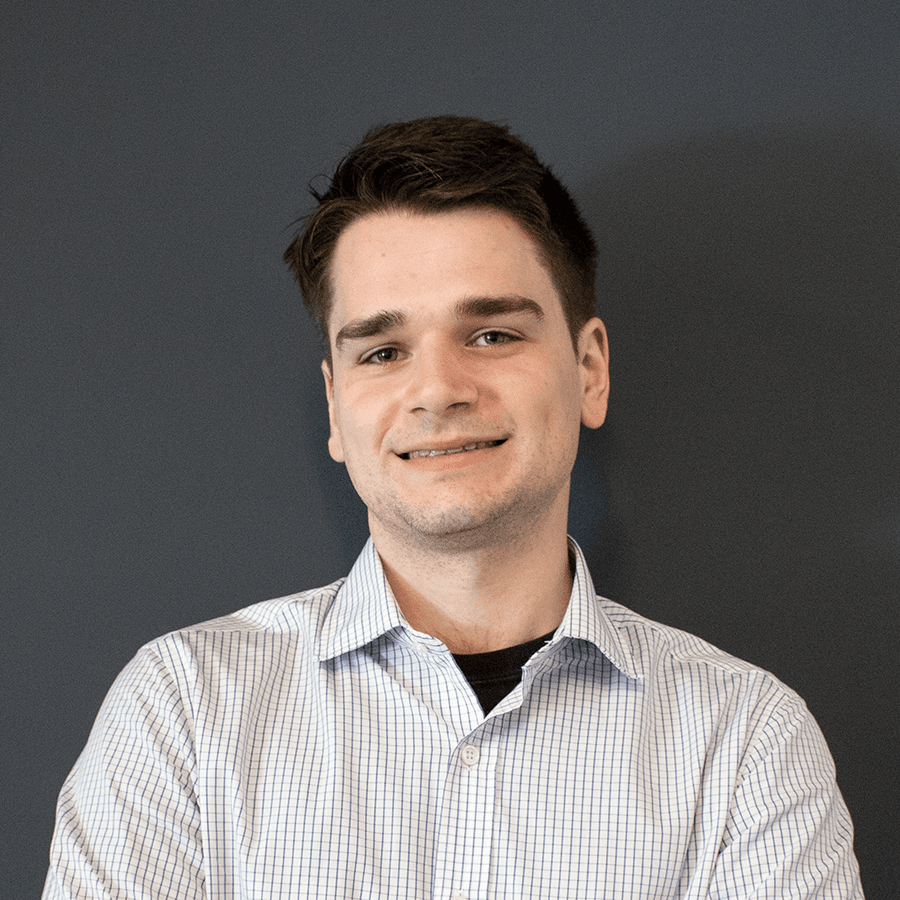
On a recent episode of “Meet the Franchisor” with 1851 Franchise’s Nick Powills, Matt Sharp and Lincoln Brown — co-founders of KidStrong — shared the origin story, explosive growth and long-term vision for one of franchising’s most unique concepts.
Born From a Personal Need, Built for Every Family
KidStrong started in 2015 when Sharp and his wife Megin were looking for ways to help their daughter, Ella, grow stronger and more confident. “We started training her at home,” Sharp said. “That eventually became the seed of the idea for KidStrong. We started a pop-up class in the back of the gym Lincoln and I owned. I think we started with like 25 kids.”
That “baby fight club,” as Sharp jokingly called it, quickly grew in popularity. “Once we got to about 100 or 150 kids,” he said, “Lincoln thought maybe there was something there beyond a pop-up class.’”
Brown, a serial entrepreneur who previously built and sold a mobile gaming company with 50 million users, saw the potential immediately. “When I first looked at KidStrong with Matt and Megin and took it seriously, I had a lot of doubts,” Brown said. “But [Matt] just said, ‘Go visit the other concepts. We can beat them. We can build a better experience for families.’”
A Category-Defining Brand in Child Development
KidStrong is far more than a fitness class. It’s a comprehensive development program designed around the critical skills kids need between ages one and nine — the peak developmental years. “We felt like there was a gap for something more focused on strength, confidence and science-based development,” Sharp said. “We wanted to incorporate critical life skills — like making friends [and] public speaking. We start public speaking as early as age three.”
“You can’t just serve all vegetables. It has to be fun for kids to want to come back and learn,” Lincoln said. “When you mix real child development with fun, that’s when the magic happens.”
Built Like a Tech Company, Delivered Through Franchising
Instead of following the typical franchise playbook, KidStrong took a different path — one more like a software-as-a-service company. “Franchise revenue, like SaaS, stacks over time. It’s recurring. It’s durable. It’s predictable,” Lincoln said. “And you see that — especially if you choose the right franchise owners, partners — they follow the playbook that we’ve laid out and created.”
That mindset allowed the founders to raise capital, build infrastructure and hire talent earlier than most emerging franchisors. “We make every decision now based on where we want to be in 2030,” Matt said.
They’ve also focused on improving the franchise owner experience through tech. “We just spent three months building something that saves a manager 30 minutes a day,” Matt said. “That might sound small, but you do that 1,000 times across the system and it becomes massive.”
Culture-Driven Growth with Mission-Driven People
As KidStrong scales, the team remains fiercely protective of its culture — on both the employee and franchise owner side. “You have to be on mission to be here,” Matt said. “If you’re not, it’s uncomfortable — for you and everyone else.”
“We don’t want the people who come in and apply and they’re just very business-focused,” Lincoln said. “If you apply and you’re all numbers and no mission, we can tell. Those people don’t make it through the process.”
Instead, they look for individuals who are both passionate about the mission and capable of running a great business. “You could start a charity to help kids,” Lincoln said, “or you could open a KidStrong and serve 10,000 kids, build a great business and change your own family’s life in the process.”
The Vision: 1,000+ Locations and Global Impact
KidStrong currently has more than 150 locations open with a strong pipeline of openings through 2030. But the co-founders see a much bigger opportunity ahead. “We want to be the largest child development concept in the world,” Matt said, “helping millions of kids.”
“There’s a very clear path here over time to the locations Matt said, but a thousand-plus locations globally,” Lincoln said. “And to really be the authority and expert on early childhood development.”
In the near term, the focus is on ensuring franchise owners succeed. “Our goal is to get every new owner to break even and make their money back in 28 months or less,” Lincoln said.
Why Now?
KidStrong is not just a franchise — it’s a movement to help kids become stronger, more confident humans. For entrepreneurs who care about making an impact, it offers a rare opportunity.
“When you wake up and know you’re making a difference, everything changes,” Lincoln said. “You’re more excited, more driven. You see the impact you’re having on kids and families.”
A transcript of the duo’s interview with Powills has been provided below. It has been edited for brevity, clarity and style.
Nick Powills: All right, Lincoln and Matt, let’s start by positioning you guys so people watching know who’s actually talking — and then we’ll get into the conversation. Lincoln, give your background, specifically as it relates to KidStrong, but also a little bit on your personal story.
Lincoln Brown: Sure. Before KidStrong, I started out as an entrepreneur — I’ve always loved building things. After business school, I started two different companies, one of which did fairly well in tech — a mobile gaming business. We ended up growing it to about 400 people and 50 million active users.
After we sold that company and finished our earnout, I came back home to Kentucky. Matt and I had already been working together for five or six years. We started CrossFit together about 15 years ago. We’ve been best friends ever since and have worked together ever since.
Matt had started KidStrong in the back of our CrossFit gym. We had an open space that he took over. The first version of KidStrong developed there over the course of about a year. Then we came together and decided I’d help him build it — partner together — and really try to build something special to reach as many people as we could.
Nick: Matt, what about you? Give us your backstory.
Matt Sharp: Yeah. I worked for the government for about 10 years. I’ve always been pretty entrepreneurial. I partnered with Lincoln — we started a CrossFit gym together and worked on a couple tech companies, too.
Then I met Megin — we actually met at the CrossFit gym. When we had our daughter, Ella, we started training her at home. That eventually became the seed of the idea for KidStrong. We started a pop-up class in the back of the gym Lincoln and I owned. I think we started with like 25 kids.
Once we got to about 100 or 150 kids, Lincoln thought maybe there was something there beyond just a pop-up class.” It was basically like baby fight club in the back of a garage.
We looked at the landscape of what else was out there. We weren’t fans of the other kids’ programs — we had tried all of them with our own daughter. We felt like there was a gap for something more focused on strength, confidence and science-based development. We wanted to incorporate critical life skills — like making friends, public speaking. We start public speaking as early as age three.
We wanted one program that taught kids all of that — something holistic. That’s how it started.
Brown: Yeah, I remember that. Our first real location outside of Lexington was in Frisco, Texas. It had a lot of momentum and attracted a ton of franchise people early on. We had about 11 locations open when COVID hit, and we were honestly worried it would wipe us out.
But the opposite happened — everyone suddenly got hyper-focused on child development, and the momentum we had early really helped launch us.
Powills: Megin’s not here, but Matt, you’ve said before that she really had the instincts for what kids needed.
Sharp: Yeah, she was a PE teacher for young kids and had just incredible instincts. She saw what our competitors were doing — and more importantly, what they weren’t doing. She was really inspired by the opportunity to help kids develop faster, especially during those peak developmental years, one through nine. That’s when 95% of your brain development happens.
So if you can shape kids during that time, you can make a huge impact on their lives, their families and their futures. There’s a lot of science behind that — and still nothing else out there like what we’re doing.
She also saw a lot of kids struggle when they entered kindergarten. We put our daughter into everything, and we hated all of it. That’s really how KidStrong got started.
Powills: That’s usually how good ideas are created — you find the gap. Lincoln, I want to start with you on this one. You’ve got the background of building and exiting a business. Obviously, timing and people are everything. Great ideas don’t always take off unless those things line up. Do you feel like that experience gave you a different lens to approach this from a business standpoint?
Brown: Yeah — definitely. Two things stand out.
One, in the mobile gaming business we built, even though people loved our products and spent hours a day on them, we didn’t always feel like we were leaving people’s lives better than we found them. Around that time, “The Social Dilemma” documentary had come out — talking about the harms of social media and addictive behavior. I just didn’t feel like I was on the right side of that anymore.
So I really wanted to commit to something purposeful. Matt and I were always aligned on wanting to do meaningful, mission-driven work.
The second thing is — having been through the experience of building something big before — it gives you the confidence to think, “Yeah, we can do this again.” That helped me take KidStrong seriously.
At first, I had doubts. Even though we had 150 members, the gap between that and what it takes to be a truly successful national brand is huge. I remember walking Matt through all the math — the P&L, the long-term projections. And he just said, “Go visit the other concepts. We can beat them. We can build a better experience for families.”
And that’s all I needed. It was clear. We really believe we can become the Starbucks or Orangetheory of early childhood development. No one owns that category right now — and it’s the most critical time in a human’s life. So to have the opportunity to impact kids at that stage? There’s almost nothing more fulfilling than that.
Powills: I love that. Matt, when you’re thinking about the business today, two questions: One — where are you right now in terms of size? And two — being first to market is great, but have you started to see competitors trying to take pieces of what you’re doing and copy it?
Sharp: Yeah — so we just opened our 150th location this week. I think we’ve got around 420 sold and not yet open. So yeah, we’ve got a lot of momentum.
As far as competition — we’re just really focused on having the best product for the consumer. It’s hard to compete with that, honestly. We’re not watching what anyone else is doing. We have such diverse backgrounds on our team — people from tech, product, strong business backgrounds — but also a super strong product sense. We think deeply about things like: what makes a class amazing? What’s the energy flow? What kind of music? What kind of coach?
We are hyper-focused on what’s best for that family, that kid. As long as we stay focused on that, I think we’ll keep heading in the right direction and won’t need to worry about anyone else.
Brown: And if someone did want to compete with us, they could try. But we feel like we’re three or four years ahead, minimum. When you look at the technology we’ve built on the backend to drive the class experience, the science behind it, the outcomes we’re seeing — we’re seeing transformations in families over a 12-month period, consistently.
It’s really hard for someone to replicate the science that’s gone into this. Matt, Megin and a few other people on the team are just geniuses when it comes to the product — what happens on the floor.
You can’t just serve all vegetables. It has to be fun for kids to want to come back and learn. When you mix real child development with fun, that’s when the magic happens. And Matt’s a genius at that — he and Megin have trained the team to deliver this experience that doesn’t feel like school, but also doesn’t feel like pure playtime. It’s a hybrid — and it works.
Powills: Lincoln, I want to go back to something you said at the beginning. You built this big tech company, but when you sat across from a user, you didn’t feel like you were truly transforming their lives. That stuck with me. What advice would you give someone getting into business — whether it’s KidStrong or something else — about aligning purpose and profit?
Brown: When you wake up and know you’re making a difference, everything changes. You’re more excited, more driven. You see the impact you’re having on kids, families. Matt’s always sending us posts and messages from parents saying, “You changed our kid’s life.” It just hits differently.
I remember, three weeks before I left my old company, we had a VIP event — people who spent over $100,000 a year on our mobile games. One woman in particular stood out. She had spent $118,000 the year before. I was fascinated.
She told me she played our games for 10 hours a day. She even skipped family Thanksgiving dinner so she wouldn’t miss her daily rewards. I walked out of that meeting and I felt sick. I couldn’t sleep. I had spent years learning how to drive engagement — which, let’s be honest, is also a form of addiction.
And I just thought: there’s got to be a better way to use these skills — to do good.
Now with KidStrong, we wake up and we’re building something we believe in. And yes, it’s a great business. I’d argue our returns for franchise owners are top decile — best in class. You can absolutely make money here.
But we don’t want people who are only about the money. If you apply and you’re all numbers and no mission, we can tell. Those people don’t make it through the process. We’re looking for people who care deeply about the mission and have the business experience to scale it.
We always tell new developers: you could start a charity to help kids — or you could open a KidStrong and serve 10,000 kids, build a great business, and change your own family’s life in the process.
Powills: Matt, how do you protect that culture? Especially when people are waving checks at you early on — how do you make sure the right people are joining your franchise family?
Sharp: You’ve got to be on mission to be here. If you’re not, it’s uncomfortable — for you and everyone else.
But it’s not just mission. You also have to be really great at what you do. In our experience, great people want to work on big, meaningful problems. If you’re smart and you’re on mission, you love it here. If you’re not? You stick out.
Great teams share standards, a mission and a direction. As we’ve grown, one of the coolest things has been attracting top talent because of our mission. People who could work anywhere — they choose us because they want their work to mean something. They want to feel good about what they’re building.
And Lincoln’s been really good at bringing those people in. These are folks who could go work at Google or some big startup, but they want to work on something that matters. They want to change lives and build a great business.
But yeah — we have to protect that culture. As the team grows, it’s one of the biggest challenges.
We’ve got over 65,000 kids in the program this week. That’s a lot of families. That’s a lot of responsibility. You have to be intentional about who you bring in and what kind of culture you’re building, both on the franchise side and internally.
Powills: Lincoln, I think about tech culture — a lot of the perks and purpose-driven motivation come from the ability to raise capital and invest in people and infrastructure. Franchising is usually more bootstrapped. You demand a lot from your people, but without all the bells and whistles.
So have you brought anything from your tech background into KidStrong to keep your team motivated and aligned?
Brown: Absolutely. One big lesson was building the right incentive structures.
The last thing we want is to build this big, impactful business and have the team not feel like they participated in the upside. I’d be surprised if any other franchisor has done as much as we have to align team incentives with outcomes — in a clear, tangible way. Not hand-wavy equity you might see five years from now — real alignment.
We’ve done a lot to take care of our people. And that’s a big reason why our retention is so high. If you looked at our top 25 employees, I’d be shocked if any of them have even considered leaving.
Powills: You’ve got to have tight DNA alignment to keep that kind of loyalty. I remember my family went to Disney recently, and you meet employees who are wired to work there. Same with Chick-fil-A or Four Seasons. You see it — they’re in the right job, and it energizes them.
I remember a security guard at Disney doing a Daffy Duck voice for my kids. That guy can’t work at a bank. He has to work for Disney. But that’s what you guys are doing — finding people whose DNA aligns with the mission. It just works better for everyone.
Sharp: That’s exactly it. You want people who get energy from the work. If you’re not that person, this isn’t the place for you.
It’s mission-driven. It’s big vision. We want to be the largest child development concept in the world — helping millions of kids. That gives us energy. That gives our team energy. And we see it. We hear from parents every day.
Just this morning, a mom stopped me while I was dropping off my kid. She said her son started KidStrong at age two — he was super shy. He’s five now, and he’s a leader. He introduces himself to kids on the playground, to coaches at sports. She almost wouldn’t let me leave — she was so emotional talking about the change in him after three years with us.
That’s why we do it. If you’re not wired for that, this place won’t work for you.
Powills (laughing): The only thing I’d push back on is that Daffy Duck did play Scrooge — so maybe he could work at a bank.
Sharp (laughing): Good point.
Powills: Here’s what’s really fascinating. Most franchise brands, especially early on, behave like franchise businesses — they sell units, they take fees, and they build just enough infrastructure to manage that.
You guys didn’t take that route. You took a tech approach — you built long-term infrastructure before trying to scale.
That feels like part of the secret sauce. Whether you realized it or not, you built the foundation like a SaaS company. You’re treating this like something that compounds over time. That’s rare in franchising — and it’s probably why you’ve been able to grow fast and smart.
Brown: Totally agree. We say it internally all the time — we’re much more like a SaaS company than a typical franchise.
Franchise revenue, like SaaS revenue, stacks over time. It’s recurring. It’s durable. It’s predictable. If you choose the right franchise owners — partners who follow the playbook and are aligned with our mission — it’s an incredibly strong business model.
We raised a large financing round a few years ago, and we were able to tell the story that way — that this behaves like SaaS. And because of that, we could make the investments early: build the team, build the tech, take care of our employees.
That all ultimately supports the franchise owner. And that’s the real secret — strong owner support equals stronger enterprise value.
Sharp: Yeah, and we make every decision now based on where we want to be in 2030. Not 2025 — 2030.
We’re in this for the long haul. And that mindset lets us do things differently. We don’t just think about how to support the next 10 franchise owners. We think about how we’ll support 1,000 of them.
That’s why we’re so focused on product, retention and experience. Lincoln brought that long-term mindset from tech, and I’ve learned a ton from working with him. It’s changed how we think about building a truly great business — not just a franchise company.
Powills: And for franchise buyers watching this — this is your “why now.” In the children’s wellness space, almost every brand is a short-term thinker. They build just enough to get by. Even the big ones.
But you guys have built for the future. You’ve invested in real support, above what the royalty alone would justify. That’s how you get scale. That’s how you help franchise owners grow faster, hire better and build stronger businesses.
That kind of investment is rare in franchising — and it’s part of why you’ve been so successful so quickly.
Sharp: One hundred percent. But we had to learn franchising. That part was new to us.
A lot of our early team came from tech and product. Franchising was this whole different world we had to dive into. But because we were so focused on long-term thinking and great product, we were able to bring that mindset into this new model.
And that’s been the key — build something that’s great in ten years, not just great in six months.
Powills: That’s where the magic really comes together. You didn’t start with traditional franchising baggage. You started with a great concept, great infrastructure and great people — and then figured out how to scale it through franchising.
And that’s why you’ve been able to take something deeply impactful — not just for parents, but for kids — and actually bring it to life in a meaningful way.
Let’s close on this. For either of you — or both — what’s the vision going forward? What does the future look like for KidStrong?
Sharp: The thing that gets us out of bed in the morning is knowing we have the chance to be the number one brand in the space, worldwide. We want to help as many kids as possible. We believe the business will succeed because of that — not the other way around.
We’ve got a clear path to 400–500 locations in the U.S. — and probably 50 to 100 in Canada. That’s all very near-term for us.
But longer-term? There are so many kids who need KidStrong. Many of them will never be able to go to a physical KidStrong center. We want to reach them too.
Brown: Yeah — and I’d just add that our aspirations go way beyond just building a franchise company.
We want to be the global authority on early childhood development.
And when we have a location in every small, medium and large city in the country, we’ll have this incredible advantage. We’ll be in communities everywhere. And we’re already making major investments in tools and programs that won’t even launch until 2027. That’s how far ahead we’re thinking.
But right now, our biggest focus is making sure our franchise owners succeed. Our goal is to get every new owner to break even and make their money back in 28 months or less. That’s best-in-class.
If they do that, they’ll reinvest. They’ll grow. They’ll hire better people. It creates a flywheel. And that’s what powers everything else we want to build in the future.
Sharp: Yeah — and we’re also focused on operational simplicity. We just spent three months building something that saves a manager 30 minutes a day. That might sound small, but you do that 1,000 times across the system and it becomes massive.
Less admin, more human interaction. More time with the kids and the families. That’s what matters most.
Powills: It’s hard to sum all this up — but for anyone watching, here’s the takeaway:
This is a long-term-thinking brand. You’ve built something with purpose, with real support and with a mindset that’s going to compound over time. You’ve simplified operations, invested in infrastructure and, most importantly, built a mission-driven culture.
Honestly, you could’ve applied this model to frozen yogurt and I’d say it’s best-in-class. But the fact that it’s changing the lives of kids? That’s even better.
Brown: Yeah — we’re pretty happy we didn’t end up in frozen yogurt.
Sharp (laughing): Yeah, helping kids grow into confident, capable humans — that beats frozen yogurt any day.
Powills: For Lincoln and Matt, I’m Nick. This has been another episode of “Meet the Franchisor.” Thanks for watching.
Watch the full interview here.