
Onigilly Japanese Kitchen
SPONSORED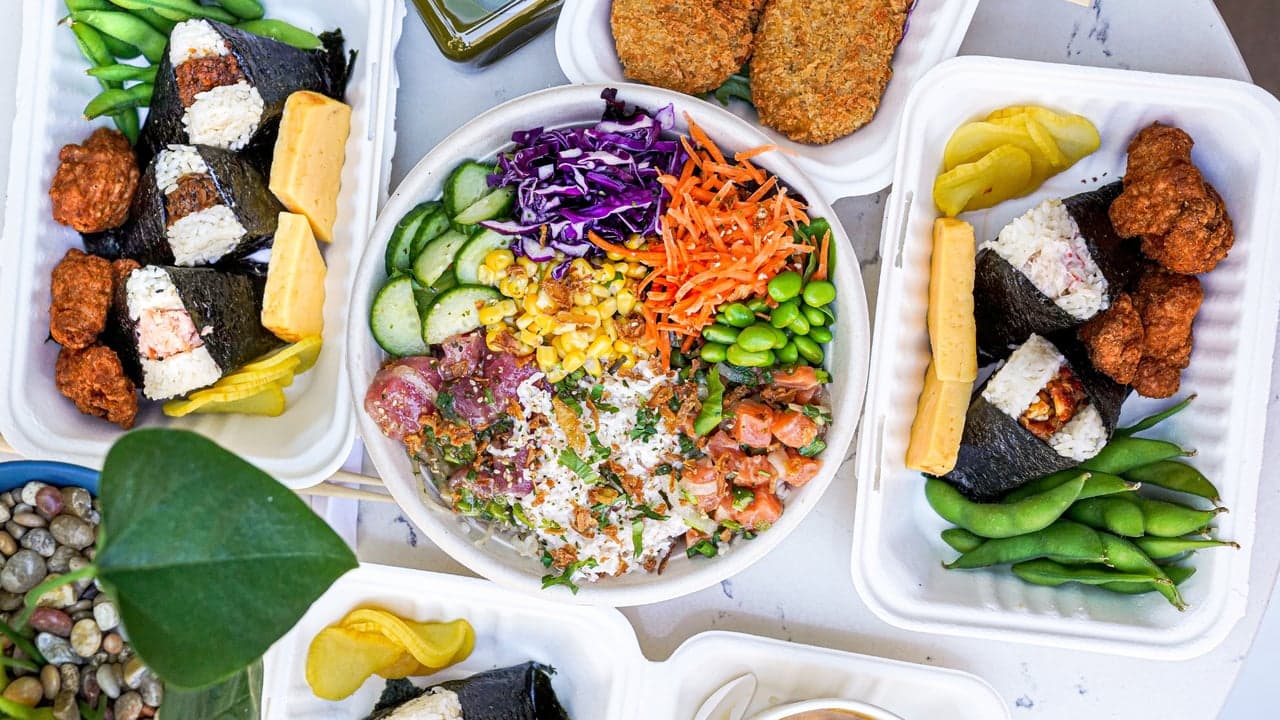
Onigilly Franchise Sets Sights on San Diego Expansion
Onigilly brings its unique take on Japanese cuisine to San Diego, adding its signature onigiri to the dining scene in America’s Finest City.
Onigilly Japanese Kitchen, the fast-casual concept built around the traditional Japanese rice ball known as onigiri, is preparing to expand into San Diego as part of its broader Southern California growth strategy. For founder and CEO Koji Kanematsu, the move represents not only a natural next step for the brand but also an opportunity to introduce San Diego’s diverse, food-savvy community to a healthy, portable dining option rooted in Japanese tradition.
The expansion is being driven in part by a local entrepreneur who has been eager to bring Onigilly to the area. “He sent us an email about two years ago, but at that time we were not ready,” Kanematsu said. “Now we are ready for franchising, and he’s very excited. Also, it’s close to L.A., and there are some great shopping centers around. Even between San Diego and L.A., there are a couple of good malls. We think of San Diego as a big part of our Southern California expansion.”
Onigilly has been operating in the San Francisco Bay Area since its founding, and the brand has steadily refined both its menu and its franchise model. Now, Kanematsu sees Southern California as a proving ground for expansion into larger metro markets across the United States. “We think we can create a good cluster,” he said. “We can put more marketing and support effort there. Southern California is going to be a good model for how we expand.”
That model, Kanematsu explains, could later be replicated in other densely populated markets. “For example, New Jersey is another key market because, similar to L.A., there are many malls and a high population,” he said. “First, we want to target larger metro areas rather than smaller ones. If we do well in L.A. and San Diego, we can do well in New Jersey. That’s something we are looking for.”
While some restaurant concepts adapt their menus to suit new markets, Onigilly plans to stay consistent. “Pretty much the same,” Kanematsu said when asked if the San Diego menu would differ. “I think the demographic is similar, and we are not going to change based on the area.”
The decision underscores the brand’s belief that onigiri — simple, wholesome and versatile — transcends regional preferences. Rather than crafting San Diego–specific variations, Onigilly will focus on presenting its core product authentically while educating new customers about the appeal of Japanese rice balls.
San Diego’s food scene is known for its diversity and competitiveness, but Kanematsu emphasizes that franchisees won’t be entering the market alone.
“Of course, we support the grand opening, which is the key moment for a new market,” he said. “We have a marketing agency that has done a lot of grand openings. They also own franchise concepts, so they know the business, and they do marketing support. We’ve been working with them for two years. We support the grand opening, we have experience promoting locations, and we know how to increase catering. If you are not doing as well as expected, we have a lot of ideas for how to improve it.”
He also acknowledges the responsibility that comes with representing Onigilly in a new community. “It’s the same as our company locations. We want the franchisee to think about being an ambassador,” he said. “We support them well, but they should be responsible. Take pride, like me, and represent who we are. That means a lot for the area you represent.”
Kanematsu says Onigilly’s community ties extend beyond its restaurants, with education and healthier lifestyles playing a central role in the brand’s mission.
“In the Bay Area, we work with many schools. For example, our Palo Alto location has a strong connection with Stanford because it’s close,” he said. “We can do similar things in San Diego. We donate onigiri to schools. One of the motivations of Onigilly is to improve diet and lifestyle. Kids are an important part of that. When they grow up, they are going to spread our food. We want to partner with local schools, and we can support franchisees in reaching out to them.”
Kanematsu acknowledges that entering a new market comes with hurdles. “Probably because onigiri is niche,” he said. “In L.A., it’s already popular. There are some onigiri shops, and even compared to the Bay Area, people are probably more familiar with it. That’s a good part. But we are still new to the area. It might be challenging at the beginning. When you first open, you probably don’t get much attention compared to pizza, burgers or chicken concepts. But once people try it, they get it. It’s unique in the States. Not many people are doing onigiri. As long as you do the right grand opening, attract locals and educate them, we should be fine. But the first few months could be challenging.”
Despite those early challenges, Kanematsu is optimistic about how well Onigilly will fit into San Diego’s lifestyle. “San Diego is a beautiful area, with beaches and parks. Onigiri is perfect for beaches and parks, as well as busy business people and students. I think it will fit very well.”
If all goes as planned, Onigilly’s first San Diego restaurant could open by next summer, a move Kanematsu views as the beginning of broader growth. “Hopefully, we are in lease negotiations with one of the shopping centers. By next summer, we should have one location. More are coming.”
As Onigilly takes its first steps into Southern California beyond the Bay Area, the brand is betting that its healthy, portable Japanese comfort food will resonate with San Diegans just as it has with customers in Northern California.
To find out more information on costs to buy this franchise, please visit https://1851franchise.com/onigilly.
Onigilly Japanese Kitchen
SPONSOREDOnigilly brings its unique take on Japanese cuisine to San Diego, adding its signature onigiri to the dining scene in America’s Finest City.
Onigilly Japanese Kitchen, the fast-casual concept built around the traditional Japanese rice ball known as onigiri, is preparing to expand into San Diego as part of its broader Southern California growth strategy. For founder and CEO Koji Kanematsu, the move represents not only a natural next step for the brand but also an opportunity to introduce San Diego’s diverse, food-savvy community to a healthy, portable dining option rooted in Japanese tradition.
The expansion is being driven in part by a local entrepreneur who has been eager to bring Onigilly to the area. “He sent us an email about two years ago, but at that time we were not ready,” Kanematsu said. “Now we are ready for franchising, and he’s very excited. Also, it’s close to L.A., and there are some great shopping centers around. Even between San Diego and L.A., there are a couple of good malls. We think of San Diego as a big part of our Southern California expansion.”
Onigilly has been operating in the San Francisco Bay Area since its founding, and the brand has steadily refined both its menu and its franchise model. Now, Kanematsu sees Southern California as a proving ground for expansion into larger metro markets across the United States. “We think we can create a good cluster,” he said. “We can put more marketing and support effort there. Southern California is going to be a good model for how we expand.”
That model, Kanematsu explains, could later be replicated in other densely populated markets. “For example, New Jersey is another key market because, similar to L.A., there are many malls and a high population,” he said. “First, we want to target larger metro areas rather than smaller ones. If we do well in L.A. and San Diego, we can do well in New Jersey. That’s something we are looking for.”
While some restaurant concepts adapt their menus to suit new markets, Onigilly plans to stay consistent. “Pretty much the same,” Kanematsu said when asked if the San Diego menu would differ. “I think the demographic is similar, and we are not going to change based on the area.”
The decision underscores the brand’s belief that onigiri — simple, wholesome and versatile — transcends regional preferences. Rather than crafting San Diego–specific variations, Onigilly will focus on presenting its core product authentically while educating new customers about the appeal of Japanese rice balls.
San Diego’s food scene is known for its diversity and competitiveness, but Kanematsu emphasizes that franchisees won’t be entering the market alone.
“Of course, we support the grand opening, which is the key moment for a new market,” he said. “We have a marketing agency that has done a lot of grand openings. They also own franchise concepts, so they know the business, and they do marketing support. We’ve been working with them for two years. We support the grand opening, we have experience promoting locations, and we know how to increase catering. If you are not doing as well as expected, we have a lot of ideas for how to improve it.”
He also acknowledges the responsibility that comes with representing Onigilly in a new community. “It’s the same as our company locations. We want the franchisee to think about being an ambassador,” he said. “We support them well, but they should be responsible. Take pride, like me, and represent who we are. That means a lot for the area you represent.”
Kanematsu says Onigilly’s community ties extend beyond its restaurants, with education and healthier lifestyles playing a central role in the brand’s mission.
“In the Bay Area, we work with many schools. For example, our Palo Alto location has a strong connection with Stanford because it’s close,” he said. “We can do similar things in San Diego. We donate onigiri to schools. One of the motivations of Onigilly is to improve diet and lifestyle. Kids are an important part of that. When they grow up, they are going to spread our food. We want to partner with local schools, and we can support franchisees in reaching out to them.”
Kanematsu acknowledges that entering a new market comes with hurdles. “Probably because onigiri is niche,” he said. “In L.A., it’s already popular. There are some onigiri shops, and even compared to the Bay Area, people are probably more familiar with it. That’s a good part. But we are still new to the area. It might be challenging at the beginning. When you first open, you probably don’t get much attention compared to pizza, burgers or chicken concepts. But once people try it, they get it. It’s unique in the States. Not many people are doing onigiri. As long as you do the right grand opening, attract locals and educate them, we should be fine. But the first few months could be challenging.”
Despite those early challenges, Kanematsu is optimistic about how well Onigilly will fit into San Diego’s lifestyle. “San Diego is a beautiful area, with beaches and parks. Onigiri is perfect for beaches and parks, as well as busy business people and students. I think it will fit very well.”
If all goes as planned, Onigilly’s first San Diego restaurant could open by next summer, a move Kanematsu views as the beginning of broader growth. “Hopefully, we are in lease negotiations with one of the shopping centers. By next summer, we should have one location. More are coming.”
As Onigilly takes its first steps into Southern California beyond the Bay Area, the brand is betting that its healthy, portable Japanese comfort food will resonate with San Diegans just as it has with customers in Northern California.
To find out more information on costs to buy this franchise, please visit https://1851franchise.com/onigilly.
Sign up for the 1851 Franchise newsletter to get our biggest stories before everyone else
By signing up, you agree to our user agreement (including class action waiver and arbitration provisions), and acknowledge our privacy policy.

No related articles found