For decades, restaurant success often meant securing a large, highly visible space with plenty of seating. Today, rising construction costs, higher rents and changing consumer habits are prompting many operators to rethink that formula.
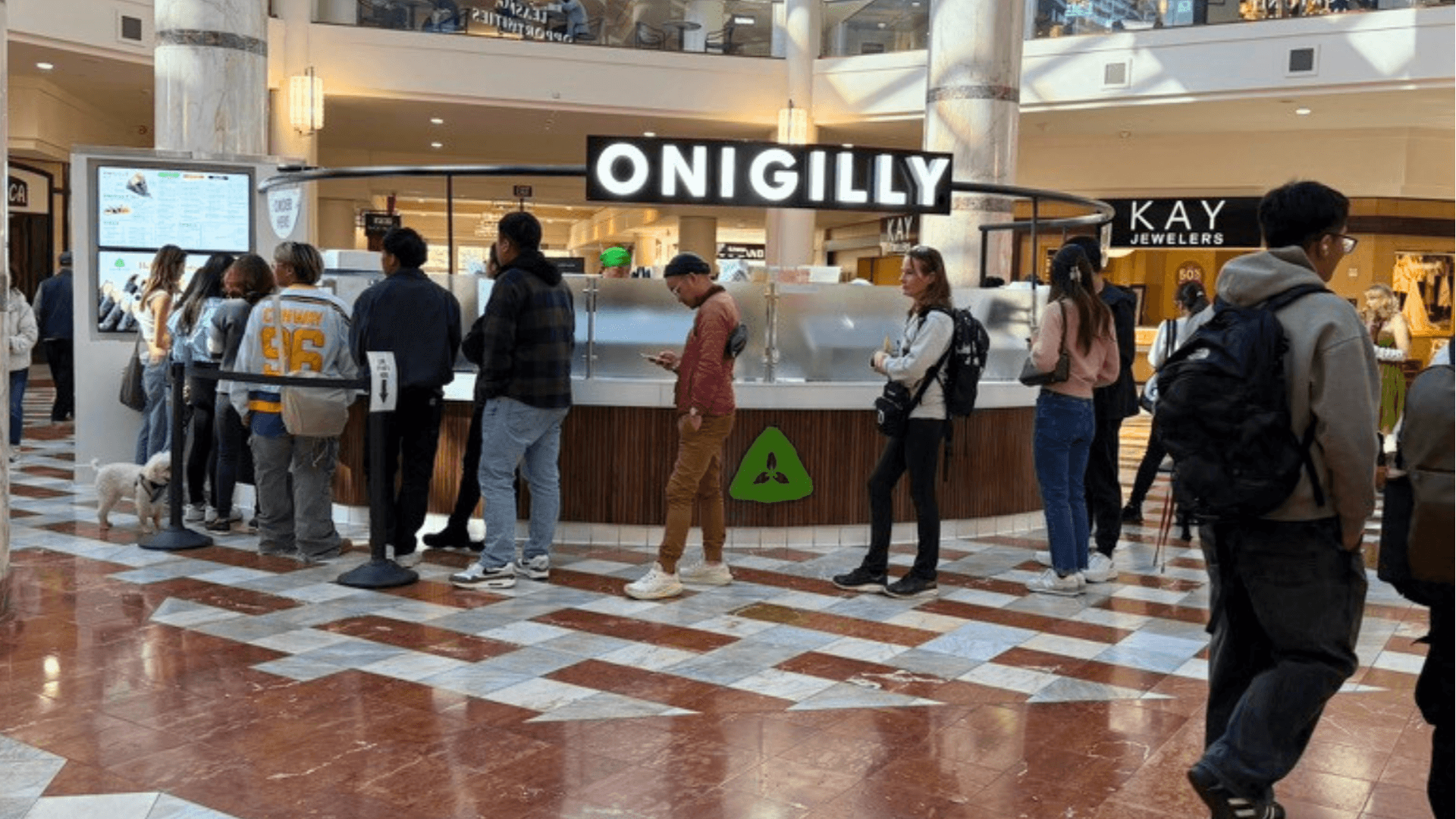
Onigilly is taking the opposite approach. Rather than designing around a traditional dining room, the Japanese fast-casual concept was built to fit into spaces as small as 250 square feet. Founder and CEO Koji Kanematsu believes that a smaller footprint gives franchisees more flexibility, lowers development costs and opens doors to real estate that larger restaurant concepts simply can't consider.
"Our goal wasn't to build the biggest restaurant," Kanematsu said. "We wanted to build a business that could fit into places where people are already shopping and moving throughout the day. The smaller footprint gives us more options without changing the customer experience."
A Smaller Space Creates More Real Estate Opportunities
Finding restaurant space has become one of the biggest challenges facing operators. Many retail vacancies aren't large enough for traditional fast-casual concepts, while larger restaurant spaces often come with higher rents and more expensive build-outs.
Because Onigilly doesn't require a hood system or a large kitchen, the concept can fit into smaller inline spaces, kiosks and shopping centers where other restaurants may not be practical.
"Our minimum requirement is about 250 square feet, so we're looking at spaces that many restaurant brands would pass over," Kanematsu said. "That gives franchisees more flexibility because they aren't competing for the same locations as every other restaurant."
That flexibility has also shaped the company's development strategy. Rather than asking franchisees to begin the site selection process on their own, Onigilly has focused on securing shopping center opportunities before introducing them to prospective operators.
Keeping Operations Simple
A compact footprint only works if the operation is equally efficient.
Kanematsu spent years refining the concept before franchising, investing in supply chain development, co-packing and automation to simplify daily operations. Today, much of the preparation work happens before ingredients ever reach the restaurant, allowing employees to assemble products consistently without relying on a large back-of-house staff.
"We spent years building the system before we focused on growth," Kanematsu said. "If you want to operate in a smaller space, every step has to be intentional. The layout, the equipment and the workflow all have to work together."
That also helps keep staffing lighter. Because Onigilly does not rely on hood-driven cooking and keeps the menu focused on portable onigiri, franchisees do not need the same size crew as many traditional fast-casual restaurants.
Lower Costs Can Create More Flexibility
Keeping a restaurant small isn't simply about saving space. It also allows owners to direct more of their investment toward areas that support long-term growth.
A smaller footprint generally means less equipment, lower utility costs and a more efficient build-out. It can also reduce occupancy costs over time, giving franchisees additional flexibility as they establish the business.
"We want owners investing in growing their business instead of maintaining unnecessary space," Kanematsu said. "If the operation is designed efficiently from the beginning, you can focus more of your resources on serving customers and building the brand."
Built for Today's Consumer
The concept also reflects the way many consumers now eat. Rather than planning a sit-down meal, guests increasingly look for food that's quick to order, easy to carry and convenient enough to fit into a busy day.
That shift has made shopping centers an especially attractive environment for Onigilly, where customers often want something lighter than a traditional food court meal without sacrificing convenience.
"Our customers are already on the move," Kanematsu said. "They want something they can pick up quickly and enjoy wherever they're headed next. We designed the restaurant around that experience."
Looking Ahead
Kanematsu doesn't see the compact footprint as a short-term response to rising costs. Instead, he views it as a model built around long-term efficiency, one that gives franchisees more options as retail real estate continues to evolve.
As Onigilly expands throughout California and prepares for broader franchise growth, the company plans to keep pairing small-format restaurants with carefully chosen locations. For Kanematsu, the goal is to show that a restaurant does not need a large footprint to build a sustainable business.
To find out more information on costs to buy this franchise, please visit https://1851franchise.com/onigilly.