Franchisee Stories
How The Brass Tap Palm Coast Built an Award-Winning Training Culture
The Palm Coast restaurant’s focus on consistent training, teamwork and employee development earned it the Training Champion Award at the 2026 FSC Conference.
Franchisee Stories
The Palm Coast restaurant’s focus on consistent training, teamwork and employee development earned it the Training Champion Award at the 2026 FSC Conference.
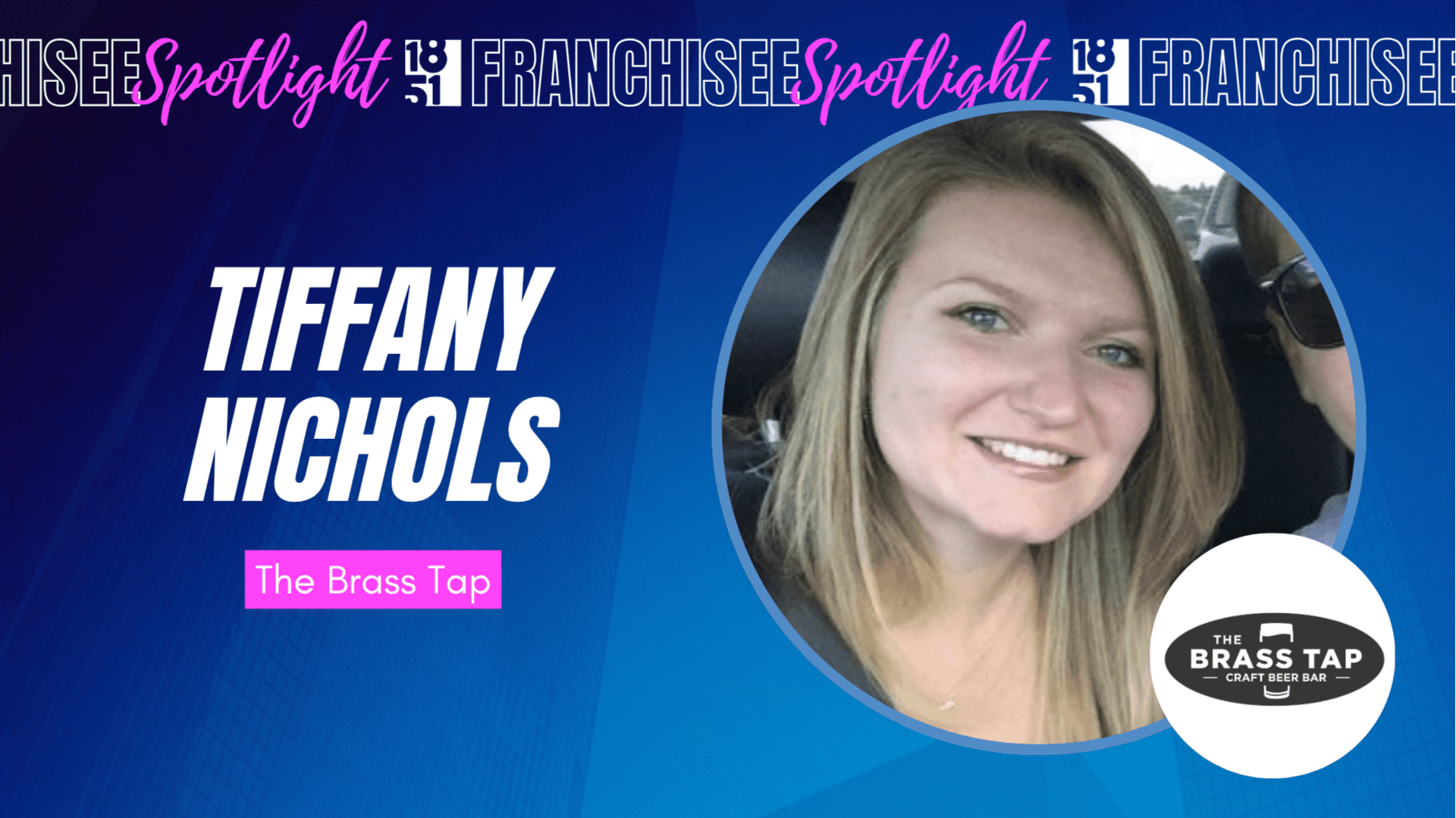
Five training shifts are only the beginning for employees at The Brass Tap in Palm Coast, Florida. The restaurant brings its team together about four times a year to review the basics, from recipes and service standards to the teamwork expected on every shift. That commitment recently earned the location the Training Champion Award at the 2026 FSC Conference.
The results extend beyond the award. General Manager Tiffany Nichols said the restaurant is performing ahead of last year, which was already its best financial year since opening in May 2017. She credits that progress in part to maintaining clear expectations, finding the right employees and creating a culture where team members are expected to help one another.
New employees complete at least five training shifts, while corporate videos and the Opus learning management system reinforce everything from recipes and drink preparation to guest service. The Palm Coast team also holds meetings throughout the year to revisit the basics and make sure employees continue following brand standards.
Nichols brings 14 years of experience with The Brass Tap to that effort. She has worked at six locations and previously served on the corporate training and new-store opening teams before moving to Palm Coast when the restaurant opened in 2017.
1851 Franchise spoke with Nichols about the training practices behind the Palm Coast location’s Training Champion Award, how the team develops employees and maintains consistency and how those efforts have contributed to the restaurant’s success. Here’s what she had to say:
1851 Franchise: Tell us your story in one sentence.
Tiffany Nichols: Ed Schatz and his wife, Lisa, are the owners. I’ve been with The Brass Tap for 14 years. I started at the original location in Wesley Chapel, Florida. Since then, I’ve worked at six different locations. I also worked on the corporate training team and the new-store opening training team for a while. My husband and I transferred to Palm Coast when the location opened in 2017.
1851: What was happening in your life that made you realize it was time to make a change?
Nichols: One of my former co-workers, who is still the general manager of the original location in Wesley Chapel, Florida, had started working at The Brass Tap. We had worked together at Applebee’s for a long time, and she loved it there. So I jumped ship from Applebee’s and came over with her.
1851: Why did Ed choose this franchise over every other opportunity?
Nichols: Ed didn’t have a hospitality background. His background was in landscaping and landscape management, which he still does today. He chose The Brass Tap because it was a strong franchise with strong return potential and lower labor costs than many other restaurants. He also liked that the franchise already had systems in place. As long as you follow those systems, it's much easier for someone new to the hospitality industry or a first-time restaurant owner.
1851: What is it really like managing The Brass Tap?
Nichols: It can be hectic, but it can also be really good. Just like any place, there are ups and downs. What I love most is our local customers. They make up a big part of our customer base, so we get to know everyone by name. Some Friday nights, I come in and know the name of everyone sitting at the bar.
That family atmosphere and being a local place people want to come to, is one of the best things about it. Our staff is also very small compared with a lot of places, so everyone knows each other well. Overall, everyone gets along and helps each other out. It’s not difficult to work with the people around you.
1851: How has this franchise changed your life?
Nichols: I would say pretty tremendously. It has given both my husband and me jobs, since he also works for the company and it has given us a place to grow. Since coming to Palm Coast, we’ve bought a house and had two kids. The Brass Tap has helped us build a life here. Some weeks, the work-life balance can be a little stressful, and other weeks, it’s really good.
1851: If your best friend had enough money to buy this franchise tomorrow, what would you tell them?
Nichols: I would tell them to do it. [My husband and I] aren’t owners yet, but that’s our goal. We hope to either buy into this location or open a second location with Ed and the current owners.
I think it’s a great company to work with. Having a good location is one of the biggest factors, along with having the right people working for you. I really like the concept and what the corporate team does behind the scenes with menu updates, identifying trends and removing items that aren’t working. They’re always looking for new and creative ways to keep the concept relevant.
1851: Your location won the Training Champion Award at the 2026 FSC Conference. Can you tell me a little bit about what training looks like at your location and how you make sure it continues beyond just the first few weeks?
Nichols: Everybody does at least five training shifts. Depending on whether you're in the kitchen or up front, your first day is more of a shadowing day. You're learning where everything is, the layout, where we keep things and the tables. For the front of house, you're also learning how to work the POS system.
Training progresses from there depending on whether you're in the front or back of house, and you pick up different stations or tasks. By your last day of training, you're being shadowed by your trainer.
Corporate also has a lot of training videos that they spend a lot of time putting together. They'll videotape at the home office or corporate location and show things step by step. For the cooks, it's things like, "This is how you butter a bun. This is how you put seasoning on the food on the grill." For the front of house, it's, “This is how you greet a table. This is how you suggest a beer. This is how you serve the beer.”
The videos are very in-depth, so we have all of the trainees follow those. Throughout the year, we usually have four meetings where we go over the basics as if it were somebody's first week of training. It helps keep everybody up to the standards set by corporate and by what we want.
1851: How has investing in training helped your team improve areas like consistency, guest service or confidence in sales?
Nichols: I think it definitely does. If you don't keep up with constant training, there's a lot of space for people to start slacking or picking up habits they may have had at a different place where they worked. They may decide they don't want to do something a certain way, so they start doing it differently. Over time, customers notice that they're not getting the same level of service, people aren't suggesting meals to them or they're getting the wrong information.
It's especially important in the kitchen. You need that consistency with recipes and have to make sure we're actually measuring all of the ingredients that go into our sauces and weighing everything the way it's supposed to be. It creates that consistency.
Our biggest thing is that if a customer comes in on a Tuesday and then comes in again and orders the exact same thing on Friday, it should taste the same and come out exactly the same, no matter who's in the kitchen or who's behind the bar making their drinks.
1851: What do you think has made your approach to developing and coaching employees successful, and how has that contributed to the growth of the business?
Nichols: I would like to say it has helped make us successful. We're coming up on nine and a half years, and we're up this year from last year. Last year was already our best year financially since we've been open. It's about keeping that consistency. We dealt with COVID, which was very difficult. Over time, we've learned how to have the right amount of staff and find the right people.
We've had some people come in and say they're the best at what they do, but then they don't want to do things the way we have them set up. We run things differently than other restaurants.
We don't have hosts. We don't have barbacks. We're very big on teamwork and working together. That means greeting each other's tables and running each other's food. If a customer raises their hand and says, "Hey, can you get me my server?" the response isn't, "I'll get your server." It's, “What can I get for you?”
We never know if that server is in the back or doing something else, and we don't want the customer to have to wait. That's a big training point for the front of house — keeping that consistency and making sure people are actually helping. The same thing goes for the kitchen. If one station is getting crushed and everybody is ordering fried food, the person on the grill can stop and go help the person on the fry station catch up. That way, customers don't wait as long for their meals.
1851: How do you identify employees with leadership potential and help them grow into larger roles within the business?
Nichols: Usually, it's two things. Sometimes people will ask if they feel like they're ready to move up. We're also good at finding people who can take on a little more responsibility or a bigger section, and we'll test them by giving them that opportunity. I always let the current management have a say as well. We have a meeting whenever it's time to promote somebody and ask, “Who are the people doing all of these things the way we want them done?”
We let the current management help because they're on the floor with them all the time, too. They can identify just as much as I can, if not more, who's really doing things the best way when we need somebody to move up. Once we pick somebody, we try to give everybody something that's in their wheelhouse. One person might handle all the ordering, while another helps keep track of inventory. One person might be in charge of the servers, almost like a server manager. They can make sure all the cleaning is getting done, the side work is getting completed and we're keeping up with training for beer and menu knowledge.
1851: How does the Opus learning management system help support you with training?
Nichols: During the first week, or first five shifts of training, Opus is what we use to watch the videos. Employees have to watch all of the videos corporate has put together. Whenever we have a new menu rollout or limited-time menu, corporate is always really good about putting videos on there for bartenders or cooks. Again, they can see step by step how a drink or menu item is made.
1851: Anything else we should know?
Nichols: I think it’s a really great company to work for. I might be biased because I’ve been here for 14 years, but I’ve watched it grow from before it was a franchise to what it is today. It’s been a really great experience. I think they’ll continue making updates when needed to keep the brand current and successful and help both new and existing locations do well.
ABOUT THE BRASS TAP:
The Brass Tap is a Tampa-based American tavern and entertainment venue known for its extensive local and regional brewery offerings, specialty cocktails and premium wines paired perfectly with a select menu of upscale shareables. Every location provides a unique space for social gatherings and entertainment, with an unparalleled atmosphere created through live music, trivia, sports, exclusive beer tastings and tap takeovers. For more than 10 years, The Brass Tap has offered franchise opportunities to qualified operators, continuing to grow its family of 50+ bars in 16 states. For more information, visit http://thebrasstapfranchise.com/.
Sign up for the 1851 Franchise newsletter to get our biggest stories before everyone else
By signing up, you agree to our user agreement (including class action waiver and arbitration provisions), and acknowledge our privacy policy.