Franchise News
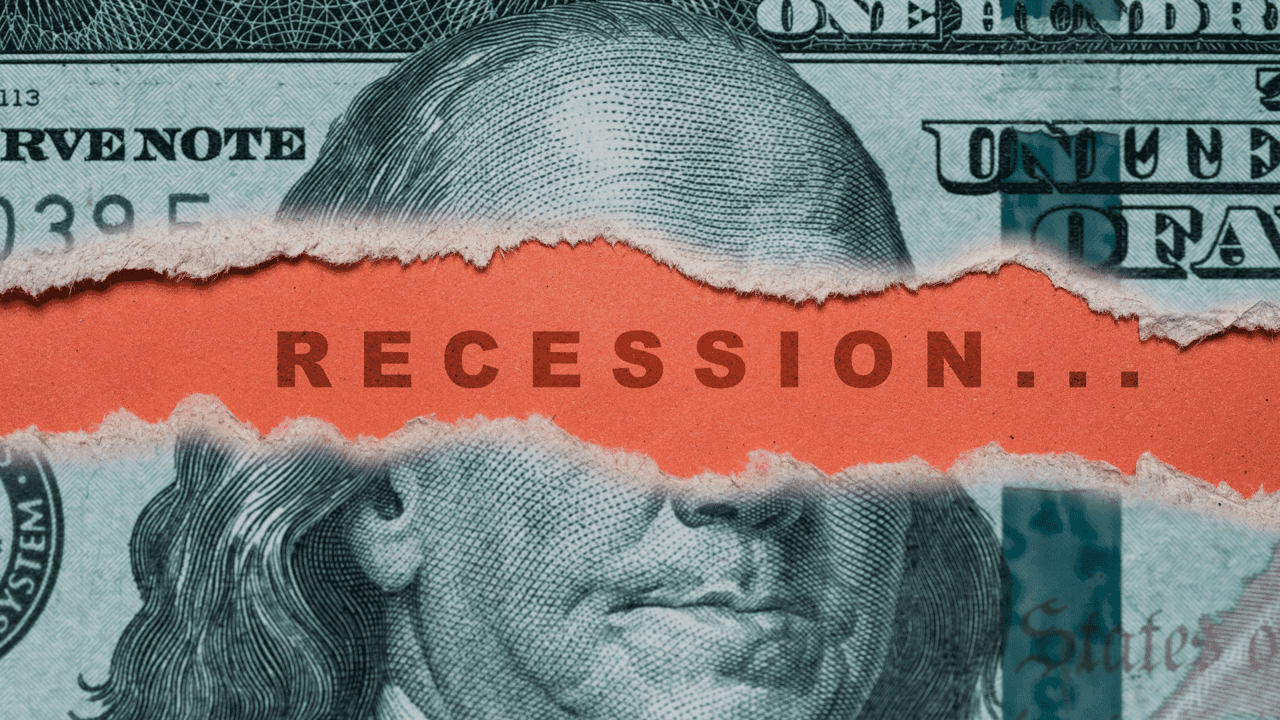
ABC News: Recession Risks Are Rising, Economists Say. Here’s What to Know.
Tariffs and market volatility are contributing to rising recession risks, with economic indicators signaling potential trouble ahead.
Franchise News
Tariffs and market volatility are contributing to rising recession risks, with economic indicators signaling potential trouble ahead.
Recent reports from Goldman Sachs and Moody's Analytics, among other economic forecasters, have raised concerns about a possible economic downturn. These warnings come amidst market volatility spurred by tariffs imposed by the United States on countries like Canada, Mexico and China, as well as retaliatory tariffs.
Several indicators are signaling potential trouble. The stock market has experienced declines, consumer sentiment has weakened and jobs reports have underperformed expectations. Moody's Analytics has increased its recession probability gauge to 35%, a level considered "uncomfortably high."
Experts attribute the rising risk to policies, especially tariffs, which could lead to business and consumer unease, potentially slowing down the economy. Consumer spending, which constitutes a significant portion of U.S. economic activity, could decrease as households increase savings in anticipation of a downturn. Businesses might also reduce investments, further impacting GDP.
In the face of a potential recession, the franchise world may see both challenges and opportunities. While some businesses might be left to deal with reduced consumer spending, the franchise model has generally demonstrated strength in times of economic uncertainty. Sectors like essential services and home-based franchises could see more demand as consumers become more price-conscious, but other brands focusing on segments that are generally reserved for discretionary funds could see a dip.
The impact will likely vary by industry and location, adapting to the unique circumstances of each market and the associated shifts in consumer behavior.
Read the full article here.
Every great franchisee had help buying a franchise. Want to learn more about how 1851 helps franchisees find the right franchise opportunity? Visit www.1851growthclub.com and start your journey.
Sign up for the 1851 Franchise newsletter to get our biggest stories before everyone else
By signing up, you agree to our user agreement (including class action waiver and arbitration provisions), and acknowledge our privacy policy.