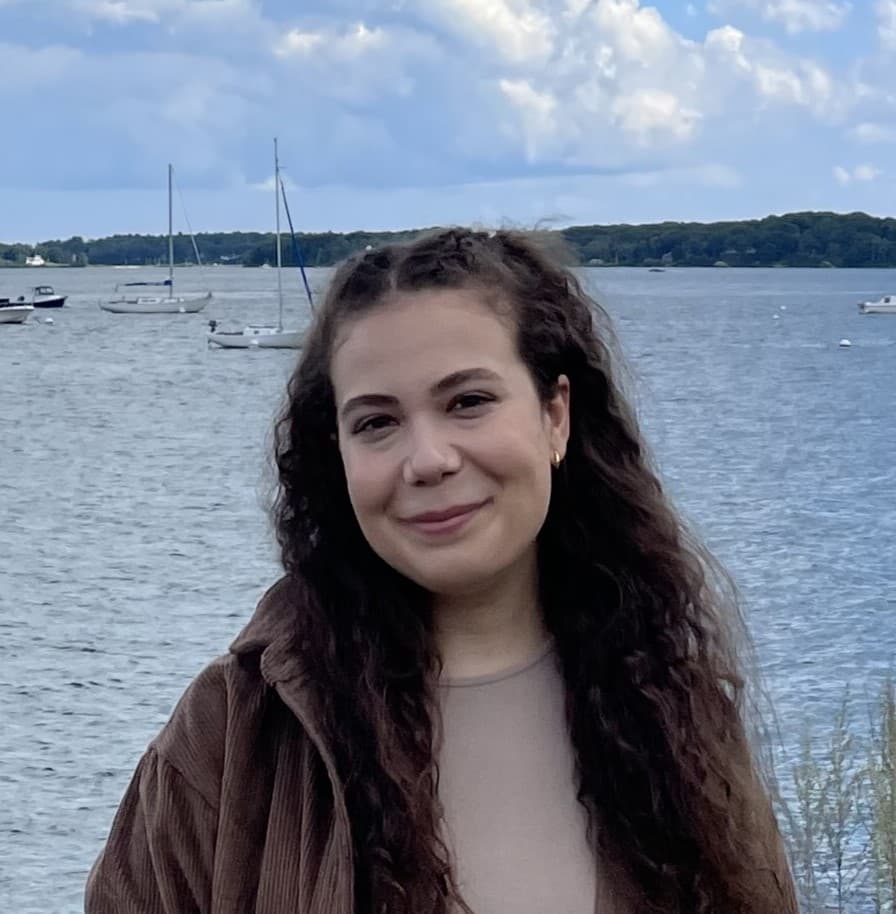
Ben Aydin, owner of Right at Home of Lehigh and East Berks County, Pennsylvania, has built a thriving business over the past decade, leveraging his extensive corporate background and experience in service-based industries. Before franchising, Aydin worked in various roles, including staffing and franchise development, which gave him insight into business operations and the importance of strong support systems. His time at Enterprise Rent-A-Car played a crucial role in shaping his work ethic, teaching him customer service, financial management, and leadership — skills that ultimately prepared him for franchise ownership.
Aydin sat down with 1851 Franchise Publisher and Chief Growth Officer Nick Powills on a recent episode of “Meet the Franchisee” to discuss his journey with Right at Home, what led him to franchising, and the lessons he’s learned over the past ten years. The two explored Aydin’s decision to leave corporate America, the challenges of building a business from the ground up, and how he has navigated industry shifts, including the COVID-19 pandemic.
Reflecting on his path to business ownership, Aydin always aspired to run his own company but wanted a proven model rather than starting from scratch. His experience working for a commercial cleaning franchise helped him realize the benefits of franchising. He saw firsthand how the right support, branding, and operational framework could increase a franchisee’s chances of success. After evaluating different industries, he was drawn to the home care sector, not just for its business potential but for the impact it allows owners to have on their communities.
“What drew me in was the opportunity to provide real value to my community while earning a living,” said Aydin. “My last corporate job was in staffing, which made the transition easier since home care is, in many ways, a staffing business — recruiting caregivers to provide quality care.”
Aydin understands the importance of perseverance, particularly in the early stages of building a franchise, when financial uncertainty and operational hurdles can be overwhelming. He emphasizes that success in franchising requires resilience, a willingness to adapt, and a commitment to continuous growth.
“When you open a brand new business like I did with Right at Home, it’s a tough transition,” he said. “Many franchisees come from successful corporate careers with stable incomes, and suddenly, they’re facing financial uncertainty for a year or two while building the business. You have to believe in yourself, take risks, and push through challenges.”
Aydin also stresses that home care isn’t a one-size-fits-all service — it requires thoughtful decision-making, a deep understanding of client needs, and careful placement of caregivers based on their strengths. While AI and automation are changing many industries, he believes home care will always require a human touch.
“AI can improve efficiencies, but home care will never be an ‘Uber-like’ model,” he said. “This business requires human relationships — understanding a client’s physical and emotional needs, making the right caregiver match, and responding to unique situations.”
After ten years in the business, Aydin remains committed to growth. He recently renewed his franchise agreement and continues to focus on expanding his client base while maintaining high-quality care. While succession planning and long-term goals are on his mind, he knows that staying engaged is key to sustaining success.
A transcript of Powills’ interview with Aydin has been provided below. It has been edited for brevity, clarity, and style.
Nick Powills: Congratulations on 10 years as a franchisee. Before we discuss that, I want to go back to 10 years ago. You were in corporate America — what triggered your decision to enter franchising?
Ben Aydin: I always wanted to own my own business, but the transition required key factors. First was timing — I felt I had gained enough experience from my corporate career, primarily in service-related industries. My last corporate role was with a franchise company in commercial cleaning, where I sold and supported franchises. That experience showed me the value of franchising — why reinvent the wheel when you can join a successful system with tools, support, and brand recognition?
Once I decided on franchising, I explored different industries, including home care. What drew me in was the opportunity to provide real value to my community while earning a living. My last corporate job was in staffing, which made the transition easier since home care is, in many ways, a staffing business — recruiting caregivers to provide quality care.
Right at Home stood out to me because of the organization's integrity, strong reputation, and the support it offered franchisees. It was one of the early leaders in the industry, and after going through the discovery process and meeting the leadership team, I felt aligned with their values.
Powills: Many franchisees come from Enterprise. What is it about that company that prepares people so well for business ownership?
Aydin: I spent 11 years at Enterprise, and they do an excellent job teaching customer service and business operations. You learn P&L management, receivables, marketing, and how to build strong referral relationships. More than that, Enterprise instills a work ethic — you work long hours and learn to run a service-oriented business.
It also prepares you for managing employees and performance, which are crucial in franchising. Enterprise gave me a strong foundation, and my experiences in staffing, franchising, and litigation consulting built on that foundation. But Enterprise, more than anything, taught me how to work hard, manage adversity, and take ownership of a business.
Powills: Looking at your career history, I see consistency — stability, promotions, and steady advancement. How much of your success comes from work ethic and perseverance?
Aydin: Work ethic and resilience are essential, whether in corporate America or business ownership. You must demonstrate value through hard work and drive. Overcoming adversity is also crucial.
When you start a business, especially from scratch like I did with Right at Home, it’s a tough transition. Many franchisees come from successful corporate careers with stable incomes, and suddenly, they’re facing financial uncertainty for a year or two while building the business. You have to believe in yourself, take risks, and push through challenges.
Right at Home provides tools and a strong brand, but success depends on building relationships and growing the business. The level of commitment is high — our industry requires 24/7 availability, dealing with clients in vulnerable situations, and ensuring caregivers are in place even in emergencies.
I've learned that the key to success is finding the right people who are passionate about serving others. Skills can be taught, but a genuine desire to help seniors and a strong service mindset are non-negotiable. Without that, even the most talented salesperson or customer service professional will struggle in this business.
Powills: If I told you 10 years ago that you'd face COVID, recessions, and a shifting business climate, would you still have done this?
Aydin: Absolutely. No one could have predicted the challenges, but I see it as a blessing. Starting in 2015 gave me time to establish the business before COVID hit. That period was tough — we lost clients, hiring was a challenge, and the workforce changed dramatically.
At one point, our hiring rate was cut in half. Many people sat out of the job market, which made recruiting difficult. Some businesses in our industry lost 50-60% of their workforce and never recovered. We were fortunate to bounce back quickly and even grow in 2021-22.
Through it all, we adapted — finding efficiencies, leveraging our team, and staying committed to our clients. It was a tough experience, but it reinforced my belief in resilience and the importance of strong leadership.
Powills: Many franchisees in senior care have a personal connection to the industry. Did you?
Aydin: I didn’t have direct experience with senior care, but I had a trusted friend, Terry Jeffers, who became a Right at Home franchisee in 2009. His positive experience validated the opportunity for me.
I also had a personal motivation — I wanted to move to Pennsylvania to be closer to my aging parents. While they were healthy, I felt a responsibility to be there for them. The industry itself made sense to me, given the growing demand for senior care as people live longer.
Additionally, my background in staffing made the business model familiar. At its core, home care is a staffing business, but with an added human element of care delivery. That alignment, combined with validation from a trusted franchisee and the industry's long-term growth potential, made it the right choice.
Powills: After 10 years of growth, what’s the dream now? How has it evolved?
Aydin: I'm starting to think about long-term plans. I recently renewed my franchise agreement, and I see at least another five to ten years ahead.
For now, growth remains the priority — continuing to expand our client base and ensuring high-quality care. Whether through organic growth or possible expansion into neighboring markets, there's still opportunity.
Succession planning is also on my mind. Do I eventually step back and put the right leadership in place to run the business? That’s something I’m evaluating. Some franchisees successfully transition to a more strategic role, but I know myself — I’m an all-in person. If I stay engaged, I want to keep pushing forward and maintaining high standards.
One thing I know for sure: complacency isn’t an option. The moment you take your foot off the gas, you start losing momentum. A strong business culture, committed employees, and continued growth will be my focus for the next phase of my career.
Powills: Home care is a high-touch business. With the rise of AI and automation, do you see technology changing how care is delivered?
Aydin: AI can improve efficiencies, but home care will never be an "Uber-like" model. This business requires human relationships — understanding a client’s physical and emotional needs, making the right caregiver match, and responding to unique situations.
Caregivers have different strengths. Some excel with dementia patients, handling difficult behaviors with patience. Others might be great at mobility assistance but not suited for memory care. No app can fully replace the human element of making those matches.
AI will help with scheduling, documentation, and some operational efficiencies, but at its core, home care is about people caring for people. That will never change.
It’s not as simple as calling a taxi. Intake requires understanding all levels of care — how much assistance a client needs, whether they use a wheelchair, if they require companion care or if they experience sundowning. Matching caregivers is a subjective process because organizations have caregivers with varying physical abilities.
You can't assign a client who needs an 80% transfer and weighs 200 pounds to someone who isn’t physically capable of handling that safely. That puts both the client and the caregiver at risk. An app can't make those nuanced decisions.
Knowing employees — their strengths, weaknesses, and past experiences — is crucial. For example, I’ve seen caregivers successfully manage aggressive dementia behaviors, calmly redirecting clients who were verbally abusive due to their condition. That kind of patience and skill comes from experience, and it helps determine future client matches.
Dementia care can be taught, but some people are naturally wired for it. They can separate the disease from the person, showing patience and compassion even in difficult situations. Others may struggle with that, and that’s okay — it doesn’t make them bad caregivers, just not the right fit for that particular role.
Some clients with cognitive impairments, like dementia, may say things without a filter. A caregiver must separate the disease from the person. If they can’t, that client may not be the right fit for them.
Matching caregivers with clients requires knowing both parties well. It’s about observing where caregivers excel, identifying areas for growth, and ensuring ongoing development. Some people, regardless of age or experience, have a natural ability to provide care. An 18-year-old may be excellent at this work, while a 70-year-old with years of experience may struggle with the emotional demands.
Care needs vary — some clients have physical limitations, while others require cognitive support. Matching them effectively isn’t something an app can do. Unlike booking a ride, this process requires thoughtful decision-making.
Some companies in our industry take a “throw it at the wall and see what sticks” approach. That’s not how we operate. Our goal is high-quality service, which means making intentional matches. My team knows that when they pair a caregiver with a client, they must have a solid reason. If a match fails, we analyze why and adjust, but the process must be deliberate.
Scheduling teams face pressure to fill shifts, but they can’t treat it like a game of plug-and-play. Every placement requires conscious thought. Even with the best planning, there’s always some trial and error. However, the key is knowing your caregivers, understanding their strengths, and ensuring a mutual match where both the client and caregiver feel valued.
At the end of the day, this business is about people. The right match ensures quality care for clients and job satisfaction for caregivers. That balance is critical.
Watch the full episode here.
If you're interested in taking the next step in making a difference in your community as a Right at Home franchisee, visit https://rightathomefranchise.com/.