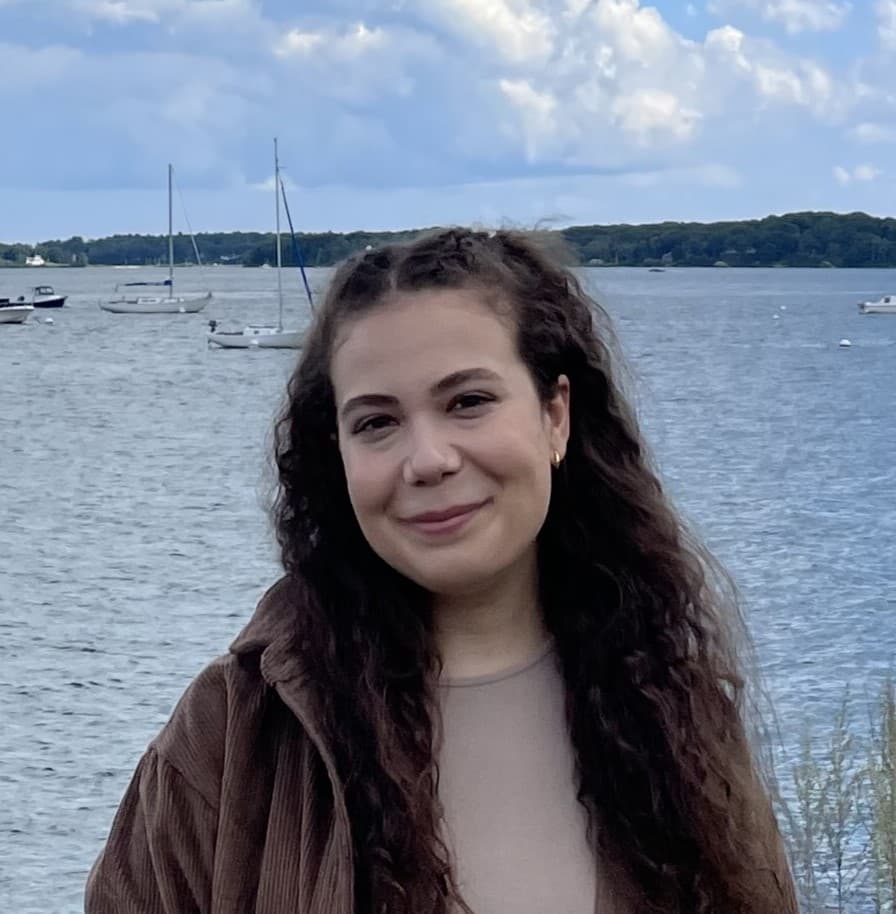
With a background in hospice care and counseling, Right at Home franchisee Heather Lantry was introduced to the idea of starting a home care agency by family members. She quickly realized that it was a natural fit for her skill set and values.
“My entire wheelhouse is taking care of people in their homes,” said Lantry to 1851 Franchise Founder and Publisher Nick Powills on his “Meet the Zee” podcast. “That's like all I know how to do. And was very excited about the idea of bringing in the people who really do the biggest part of the work … the hands-on direct care staff in the field.”
When it came time to choose between starting an independent business or joining a franchise, Lantry weighed the options carefully. For someone who values community and collaboration, the franchise model offered the resources and support she needed to succeed. After exploring several home care franchises, she and her family chose Right at Home, a decision that aligned with her commitment to quality care and a strong mission-driven culture.
Over a decade later, Lantry is still dedicated to the mission of Right at Home and is focused on supporting her team and her clients. As she continues to grow her business and raise her family, Lantry’s dedication to quality care and employee support remains at the heart of everything she does.
A summarized transcript of Lantry’s interview with Powills has been included below. It has been edited for clarity, brevity, and style.
Nick Powills: All right, Heather, these are my favorite stories because I'm always impressed with how someone makes such a huge transition into franchising. So as simple as this question is, it's really, really tough. But how did you accidentally fall into franchising? What's your franchise backstory?
Heather Lantry: My franchise backstory is I had been working in health care for a long time, specifically in hospice. I also had a clinical background as a music therapist and a master’s degree in counseling, and I had a very small private practice. Some family members had been trying to get me to go into business with them for a long time and pitching different ideas. They finally pitched the idea of a home care agency, and having worked in hospice for so long, that just really resonated with me.
My entire wheelhouse is taking care of people in their homes. That’s all I know how to do, and I was very excited about the idea of bringing in the people who really do the biggest part of the work — the hands-on, direct care staff in the field. So I began the process of looking at home care specifically within all of the options in franchising. I was only looking at home care but really did have to make that decision between: Are we going to do an independent? Are we going to do a franchise? Are we going to do a greenfield? Are we going to acquire an existing one? And thinking through all of those different considerations really landed on franchising as the right fit for us.
The support, the community — owning a business can be a very lonely endeavor. So having that sense of community and having those resources at hand seemed like the best fit for me personally as a very collaborative person by nature. I went from there and started figuring out which franchises would be the best fit for us. And here we are.
Powills: I love it. Lots that I want to unpack from that, so we're going to start with the end part. So you decide franchising is of interest. You stick very specifically to Right at Home and brands that are in the same competitor set. Did you go outside of the competitor set, and maybe not say, "I want to own a burger franchise," but did you divert at all during your process, or how did that look?
Lantry: Well, we did stay pretty exclusively within the scope of home care. There was a little vetting of platforms that are more of a placement agency — not true apples-to-apples competitors — but we were sticking with home care. Once we decided a franchise was the route to go, the first step was learning the difference between a placement and a fully licensed agency, and then vetting the agencies from there.
It was a two-fold vetting process: first, looking at culture, starting with the mission statement of the different franchise systems, then looking at their support, culture, and community; and second, looking at the financials — what was the buy-in, the expectations, the minimums, the support, and the overall health of the franchise system.
From there, we ended up with a short list of three or four franchise groups. Then, we focused on acquiring an existing business, so doing a resale — that was the best fit for me, especially as the one who would be the operating principal with four young kids at home. Doing a greenfield seemed like an unreasonable lift and would have taken too much focus off my number one priority, which is my kids.
Powills: So you're going through this process, and resales can be complex. Going back to your mission and vision, sometimes they're beautiful. The exit, in my opinion, is the most beautiful part of owning a franchise, especially if you've built it into something that has created wealth for you and your family. You're able to say, okay, now I'm going to hand this off to the next buyer and take some chips off the table in that process. But in some cases, with a resale, you could be buying a unit with some turbulence, stepping into it, and figuring out how to put your touch on it to make it really stable.
When you're going through that, and you said the mission is so important to this process, how are you carrying that through in your due diligence as you go through the process of buying a resale?
Lantry: Honestly, very poorly is how we did it. Our resale was in 2012, closing at the end of Q1, 2013. The whole resale process was not what it is today. It just wasn’t as established yet. There hadn’t been franchises or a volume of franchises in place, and the franchisors had not figured out how to support people through that.
During the first handful of years that I was in the system, I became the go-to person for potential new franchisees doing resales to talk about what I would have done differently. It has obviously worked out well in the long run, but there was just so much — unknown unknowns. There was so much I didn’t know.
At that time, resales were few and far between, and the franchisor wasn’t well-positioned to help either. Now, when I talk to fellow Right at Home owners who did a resale, it’s a much more robust process, both with the franchise helping the existing franchisee preparing to sell and helping the new owner understand what they’re buying.
Powills: Totally. So you think about the two brands — you’ve got three to the finish line, you pick Right at Home. For the two brands you rejected or didn’t match, was there a single moment at the end where you thought, “That just doesn’t sit well with me,” that elevated your guard to say no? Or how did you come to the decision to say no to the other two?
Lantry: Well, one was never — there was never a resale that was an option. There were a few other resales that came up with other franchises we had already looked at and rejected, so we didn't even consider those. Of the two resales we looked at, the first one — sort of to your previous question — when we started getting into it — the NDAs were signed, and we started getting into the particulars of the business — there were some red flags pretty early on with the financials that made it a deal breaker. This was in no meaningful way a reflection on that franchise system; it was the individual operator and their internal practices.
There’s only so much a franchisor should be able to do and say about that. We are independent business owners with the support, brand, and best practices from the franchise. The next one that came up, which we were very fortunate about, was the other franchise on our list, Right at Home. And here we are today.
Powills: Out of curiosity, stretching into the personal side — because whenever you or I decide to go into business, there's a greater purpose. There’s the purpose of the difference we can make in our customers' lives, which is a driving factor, and the financial side of what it could mean for our families.
As you're growing and building your family, how much is your personal drive shifting to, "Okay, I'm going to build something for my kids," or where is your personal focus on the outcome you want? How does that relate to the passion of providing a needed service to a customer base?
Lantry: Yeah, that's a good question. I don't think I've ever really thought about it in those terms. I am certainly incredibly grateful for what owning a business and being part of a franchise system has done for my family in terms of financial security and opportunities. My focus, especially initially, when my youngest was two, was on how to stay primarily mom — mom first.
What really worked for me and continues to drive everything is staying focused on vision, mission, and values. If we just do the right thing, if we're focused on taking amazing care of our people, including our staff — the whole Stephen Covey approach of treating your employees the same way you want them to treat your best customer — then everything else will follow. I've always stayed laser-focused on that, leading from mission, vision, and values, and the rest follows.
Powills: How old are your kids now?
Lantry: 21, 18, 15 and 13.
Powills: That's a handful. And I'm intrigued by this because I think of the statement you just made — it was important to you, having a two-year-old, to be a mom first. Now that they’re aging into a maturity of understanding a little more about how business works, do they see mom as an entrepreneur, as a business owner? Has that shift happened, where they’re like, “Wow, that's pretty crazy that you did that, and you've been successful at it”?
Lantry: Yeah, I think they probably need to be in their thirties before they fully get that perspective. Just thinking of my own journey of realizing my parents were something more than just my parents, right? They're still a little young for that.
I will say, though, there was such a cool moment when my daughter, who is now 18, was in third or fourth grade. It was career day, and she asked if she could borrow my pearl necklace, and she was doing this, that, and the other. I thought, "Oh, Nora, are you a teacher?" just thinking of things she’d expressed interest in. And she said, “No, I’m a female business owner.” So I thought, okay, there's some message getting through there. That was a really, really cool moment.
Powills: Well, the truth is, in this life we live, if we've made the decision to be a business owner, it’s important to have that North Star of being mom first. Then, showing the kids what hard work, work ethic, and how you treat people can potentially equal — whether they choose to go into business for themselves later on or not. It’s a powerful thing because, as parents, we have that North Star of doing this for our family. We’ll take care of everything and make sure we enjoy what we do, but it’s for the bigger picture of our family.
It’s interesting to hear this because when I’ve talked with franchisees, everything you’re saying aligns with their buying process. “What’s the culture? Now let’s look at the business model.” It’s always culture first because being in business can be lonely. What’s the support structure around me? How much do they care about our customers to ensure growth? If you dive into the numbers and look at an Item 19 in a franchise disclosure document, it tells a story — not just the financial side, but also the culture side. Is the culture built on franchisee success?
If you reflect back to 2012, are there things that blow your mind that you battled through, where you think, “Wow, I almost had to have blinders on to go through it”?
Lantry: Yeah, when people ask, “If you had to do it over again, would you?” I always laugh and say, “It depends on the day,” right? So much of what got me through was the naivete coming into it, and then the work ethic, hunger, and curiosity. I went and got an MBA because I was tired of not knowing the right questions to ask. All of those driving factors helped me get to where I am today and battle through that learning curve of buying an existing business. No matter how robust and wonderful that business is, there’s going to be an element of tearing it down to the foundation, shoring up that foundation to be your foundation, and rebuilding it.
I tell people looking at resales to expect that — maybe not as dramatic as tearing it all the way down, but there will be an element of that. Having that drive, that passion for the industry you've chosen, for the brand you're now a part of — those are all necessary conditions to get you through the struggle of finding your path and getting through those hard days.
Powills: I think about the staff, and what's sticking with me is how you referenced Stephen Covey’s approach — treat your staff the way you want them to treat your customer. In your category, and considering your connection to hospice before this, it’s not an easy industry emotionally. If we look at the turnover of caregivers, it’s tremendous, especially for those who don’t treat their teams the way they want them to treat their customers.
Did you find early on that, while you can’t control turnover 100% because it’s such a heavy thing for people, many caregivers end up wanting to own a business like this and grow into becoming like you? Have the lessons of how you treat your staff helped you build a more stable community around you than someone who doesn’t treat their staff well?
Lantry: I would think so. Looking at our numbers in terms of average length of service and retention rates, we are substantially better than the industry. That was the first thing I observed and made a focused change on when I acquired my franchise location — switching the script about how we spoke to, treated, and interacted with our field staff. They are Right at Home. I’m just Oz, someone behind the curtain, moving levers.
Our caregivers are our hands — they are Right at Home — so, it’s critical to set them up for success, to make them feel prepared, well-trained, respected, heard, and maybe even a little loved as their employer. Whether they’re doing caregiving as a stopgap while going to school, planning to be here short-term, or are lifelong caregivers, this should be the place they want to work because they are valued and taken care of.
Early on, I was frustrated because I tried to put benefits in place, and I feel like the industry is moving toward offering benefits even for a transient workforce. But I wasn’t seeing a lot of participation or impact on retention rates. Then I had an “aha” moment, going back to mission, vision, and values: I’m doing this because it’s the right thing to do — to take care of my people so they can take great care of my clients. If we get a quantifiable benefit from it, wonderful. If not, I’ve still done the right thing.
Powills: I think your statement — our staff sometimes needs a mom, too — swings into the human side of being a business owner. The reality is, the caregiver needs a caregiver because of how deep it is. When you carry that mentality back to them, giving them empathy and support — not the exact same caregiving, but empathy — it makes a difference. This isn’t an easy business; it’s a hard business for them. And as the business operator, you’re in the business of carrying through your culture and making sure it makes sense for them.
That’s the magic piece: the way you’re approaching it makes it more comfortable for them to feel like they’re part of a culture. They know you have their back, and they have a shoulder to cry on when they need someone to be there for them, too.
Lantry: Yeah, that’s definitely the hope. Working in hospice, I worked for a handful of different companies during those years. Hospice is very vocational, and while caregiving is too, it’s in a different way. With hospice, you’re either a hospice person or you’re not. The different companies I worked for had stark differences in how they supported and took care of their field staff.
Carrying that lesson over to here — if you are vocationally a caregiver, working someplace where you feel valued, heard, supported, make a good wage, have access to benefits, and an opportunity to raise yourself and your family up — that’s what we all want in our work: meaning, success, comfort, and security.
It’s critical to ensure we’re doing that. The work is the work, whether you’re at my Right at Home office or Heather’s Home Care down the street. But how you, as an employee, are supported, prepared, trained, and cared for through that work is a huge differentiator.
Powills: When you reflect back on your career, do you feel like you were born for this?
Lantry: Oh yeah, absolutely. I like to tell the story of having all four of my grandparents, five of my great-grandparents, many of their siblings, and the like when I was a young child. The last of the great-grandparents' generation passed away when I was 20, and the last of my grandparents just a handful of years ago — I’m 50 now. So that family tree was really full when I was young, and I grew up watching people age, how they faced aging, and how other family members cared for them. I like to joke that I really didn’t have any choice — I was destined to work in this industry.
Powills: As deeply personal as this question may sound — you watched your great-grandparents and grandparents age all the way through death. And at the same time, from 2012 to now, that's 12 years of transformation in an industry that was really not defined pre-2010, 2008.
So does it make you — strange as this may sound — more comfortable with the aging process, knowing that all this infrastructure has been built around our communities? That when you and I are at the place of needing this care, it should be as superior as can be, whereas our grandparents or great-grandparents may not have had the same situation we’re going to have?
Lantry: Well, it’s been so interesting — if you take a really long view, it’s been such an interesting cultural shift. For my great-grandparents, it was just expected that they took care of their parents and grandparents. People tended to live closer together, there was more of a sense of community and our lives were a little more insular — for better and worse — a hundred, 150 years ago. Then, with the great arc of technology, mobility, and transportation, we gained more opportunities, smaller families — and things changed.
Certainly, in the last quarter or last third of the 20th century, support and infrastructure may not have been as good. There is a lot more now, and yes, I'm hopeful for the future and excited about what’s going on. I do worry that our health care system is too fragmented, maybe even a bit of a house of cards, and there’s definitely room for improvement in how it functions. But the knowledge and resources are there. If we can figure out how to collaborate better as a health care system, there’s great opportunity to take impeccable care of people with dignity and autonomy through their last breath.
Powills: Well, I think that last statement on the health care system — senior care as it exists today, if we go back to 2005, 2008, it didn’t really exist as a franchise concept. Now, there are many franchise and business owners in this category, helping to drive transformational change that may impact the health care industry, too. The beauty of franchising is that when you allow people to access it as a business opportunity and bring smart people into it, the collective impact transforms an industry.
There are other things we need to continue working on as a community, and when business attaches to those, it can sometimes accelerate change. We’ll see what happens there.
Lantry: Hope springs eternal.
Powills: Last question I want to ask you — dreams, curiosity — where do you go from here with your business?
Lantry: Oh, dreams. One of the big concerns I have about the industry — and have always had — is that there is support and options for people who are indigent and for those who have invested wisely, saved well, have long-term care insurance, or are wealthy enough to afford whatever they need.
But there’s this great middle who can’t access sufficient home care. They don’t qualify for third-party payers and can access some home care, but not enough to meet their needs. There’s a desperate need there, especially with our aging population. It’s a tremendous opportunity, but we have to figure out how to get all of those folks access to services.
I’m excited about some proposals I’m hearing this election cycle. There’s a lot of opportunity there to serve more people. And with how crowded the field is — with home care franchises and independents — we’re primed for some consolidation, which is probably overdue at this point.
There are many opportunities, and it’s exciting to think about serving exponentially more seniors, helping them age on their terms, with autonomy and dignity as they define it. I’m very excited about the opportunities coming up in that area.
Powills: Well, I’ve loved every part of our conversation, but this last statement — I read faces. The excitement you have, now 12, 13 years later, to still be saying, “I’m in it, I’m curious, I’m excited about this, I want to continue to have an impact” — to me, we could be having this conversation about you owning your burger restaurant.
There’s a fear of burnout when you go into business by yourself, but when you have support and infrastructure to cover some of the basics, getting beyond 10 years and still wanting to do it — that’s a pretty cool thing. I’m excited to see you’re in that mental space, too; that is awesome.
Lantry: Well, I’ve got more work to do, more things to accomplish, so time to get to it.
Powills: Love it. Well, Heather, I’m grateful for this conversation. It was awesome. Thank you for doing it.
Lantry: Thank you so much. It’s been great.
Powills: For Heather, I’m Nick. This is another episode of Meet the Zee.
Watch the full interview above or on YouTube.