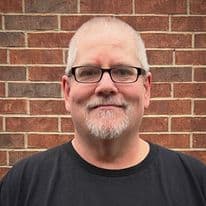
Katung Aduwak’s decision to become a franchisee with Right at Home stems from a deeply personal journey. After experiencing the life-changing impact of compassionate care during his recovery from a severe accident, Aduwak was inspired to dedicate his career to helping others. "If it was not for the excellent care that I got from caregivers and from my family, I would not have made it," he said. This experience, combined with his desire to build a sustainable and meaningful business with his partner, Tanya Bridges, led him to the senior care franchise.
Before becoming a franchise owner, Aduwak’s career spanned diverse fields, from film direction to tech. He also gained public recognition as the winner of “Big Brother Nigeria” in 2006. Despite the acclaim, Aduwak remained grounded, pursuing various ventures and eventually discovering franchising as a way to create lasting impact while achieving professional independence.
Aduwak’s Right at Home franchise opened its doors on November 16 in Tukwila, Washington, and currently serves the Greater Southern Seattle area. But for Aduwak, Right at Home isn’t just a business venture — it’s a journey of purpose.
“Personally, we want to grow as human beings by providing a better quality of life for the seniors we serve,” Aduwak said. “This business requires emotional resilience, as it’s tough to see clients deteriorate or pass away. We want to give our all and leave a legacy of dignity and care.”
Aduwak recently sat down with 1851 Franchise to talk about his eventful life before franchising, his partnership with Right at Home and his hopes and goals for the future. Here’s what he had to say.
1851 Franchise: Frame your personal story for us. What did you do before franchising, and how did you decide franchising made sense for you?
Katung Aduwak: I have a long story, but I’ll try to keep it short. I’ve had the opportunity to travel the world and do many different things. My initial education was in political science with a specialization in international relations and diplomacy. However, I didn’t do much with that degree because my real passion was in the arts. I’m a creative — I draw and paint, I’ve danced on stage and even acted. I was good at all these things, but I didn’t know which one I excelled at the most.
To pursue this passion, I went to film school and became a director after participating in “Big Brother Nigeria.” I directed music videos, documentaries, feature films and more. It gave me some level of sustainability, but not as much as I had hoped because my dreams were bigger. I thought chasing my passions would feed me and give me the sustainable life I wanted, but I learned I needed to roll up my sleeves and do hard work to finance my dreams.
This realization led me to the tech industry. I became a database administrator and later transitioned to a scrum master. These roles paid well but came at a personal cost — sleepless nights and constant stress. They allowed me to save money, but I lacked peace of mind. Eventually, my partner Tanya and I decided we didn’t want to work for others forever. We wanted to own our own business, build it into a well-oiled machine and then step back to enjoy the fruits of our labor. That’s why we chose franchising.
We discovered Franchise City, which presented us with potential franchises based on our profile. We ultimately chose Right at Home because it resonated deeply with both of us for personal reasons.
1851: Can you tell us a little more about your partner?
Aduwak: My partner’s name is Tanya Bridges. We met about 15 years ago in New York while I was in film school. We dated briefly but went our separate ways. I later got married, had a son who is now six years old, and eventually divorced amicably. Tanya and I stayed in touch as friends, and a few years ago, we reconnected romantically and professionally.
Tanya has an impressive background as a lawyer turned business developer. She’s worked for major companies like ESPN and Comcast, and now she’s at Google as a business development manager. Her transition from law to business development came from her ability to dissect and restructure contracts better than anyone else. Google even poached her — a rare feat.
In our business, Tanya manages billing and payments while I focus on marketing, caregiver relationships and community engagement. It’s a great partnership.
1851: What was your perception of franchising prior to becoming a franchisee, and what do you want people to know about franchising now that you are in it?
Aduwak: Honestly, whenever I heard about franchising in the past, I thought it was just about food. In fact, we initially researched food franchises. We even got to level four with Chick-fil-A before dropping out. However, Franchise City opened our eyes to the fact that franchising exists in nearly every industry. It’s all about taking a proven model, transferring it and scaling it.
I also thought franchising was a “sink or swim” situation where you’re left to figure things out on your own. But with Right at Home, that hasn’t been the case. From the start, they emphasized mentorship, continuous improvement and a clear system for success. They’ve already made the mistakes for us, which cuts our learning curve significantly.
The biggest lesson I’ve learned is that success in franchising depends on following the system. If you put in the work, the system works. Franchising isn’t an easy ticket to wealth — it requires effort, patience and adaptability.
1851: What made you pick this brand? What excites you most about this company?
Aduwak: The top reasons we picked Right at Home were the feedback from other franchise owners, the mentorship culture and the business margins. Before even qualifying, they gave us a list of owners to contact. We spoke with franchisees across the U.S., and everyone consistently praised the mentorship, leadership and profitability of the business.
What excites me most is that Right at Home genuinely cares at every level. They don’t just talk the talk — they walk the walk. Discovery Week was an eye-opener. It was intense, but they thoroughly vetted us to ensure the fit was mutual. The margins are solid, but they reflect the hard work required. This isn’t a business you can fake.
1851: What do you hope to achieve with your business? What are your plans for growth?
Aduwak: There are two types of growth we’re aiming for: personal growth and business expansion.
Personally, we want to grow as human beings by providing a better quality of life for the seniors we serve. This business requires emotional resilience, as it’s tough to see clients deteriorate or pass away. We want to give our all and leave a legacy of dignity and care.
From a business perspective, we plan to expand into more territories and serve a broader community. We also want to create opportunities for others, especially those who might not have had the advantages we had.
1851: What is the one thing about your story you want us to know?
Aduwak: I’ve been given a second chance at life. After a really bad accident resulting in two brain surgeries and a long recovery from a severe spinal injury, I was almost written off. Learning how to walk again and regaining my independence was a life-changing experience. It made me realize the importance of resilience, family, and the care I received.
This second wind in life fuels my desire to give back and leave nothing undone. I want to impact people’s lives positively and die empty, having used all my potential.
1851: What advice do you have for other people thinking about becoming franchise owners?
Aduwak: Do your homework. Franchising is not a “set it and forget it” model. Some people think putting money into a franchise means the work is done. That’s not true. It’s vital to understand the fine print and every angle of the business.
For example, I’m currently training to become a caregiver to understand the daily challenges my staff faces. Knowing these pain points helps me manage them better and build a stronger team.
Whether you want to be hands-on or an absentee owner, it’s crucial to know the business workflow. If you put in the effort and follow the system, success is achievable. But franchising isn’t for the impatient or faint-hearted — it requires dedication and adaptability.
ABOUT RIGHT AT HOME:
Founded in 1995, Right at Home offers in-home care to seniors and adults with disabilities who want to live independently. Most Right at Home offices are independently owned and operated and directly employ and supervise all caregiving staff. Each caregiver is thoroughly screened, trained, and bonded/insured before entering a client’s home. Right at Home’s global office is based in Omaha, Nebraska, with more than 700 franchise locations in the U.S. and four other countries.
If you're interested in taking the next step in making a difference in your community as a Right at Home franchisee, visit http://rightathomefranchise.com or to read more about franchise ownership, visit our blog at: https://rightathomefranchise.com/forc/.