After moving to the United States from Albania in 2008, Albano Mahilaj found his true calling in senior home care after witnessing firsthand both the challenges of raising a child with autism and coordinating care for his aging mother. This personal connection to caregiving became the foundation for his successful Right at Home franchise in Cleveland.

“My oldest is on the spectrum; he has autism,” Mahilaj said. “My wife and I were looking for ways to create a safe future for him and his brother. We were searching for different business ideas and thought about home care. We didn't know it existed until my mom went through a situation after COVID, and we had to use it ourselves. I was looking into Right at Home. It just made sense — right place, right time.”

Mahilaj worked for 11 years in government real estate before transitioning to franchise ownership. His decision to invest in a Right at Home franchise was driven by his family's needs. Now, he has seen just how powerful a true “why,” paired with a strong business model, can be as he grows his business and serves his community.

"We came to the U.S. with a dream to make it as far as possible," Mahilaj said. "You just have to do it when you stumble upon the right opportunity."

A transcript of Mahilaj’s interview with Powills has been provided below. It has been edited for brevity, clarity, and style.

Nick Powills: All right, Albano. My all-time favorite type of interview is with a franchisee because it's spectacular to see how you go from advancing your career to becoming a business operator. How did you even get here? What is your backstory?

Albano Mahilaj: I moved to Cleveland in 2008 from a small country in southern Europe — Albania. As we settled here, I started my education and career. For the last 11 years before franchising, I worked in what I'd call real estate for the government.

Then I had a family with two children. My oldest is on the spectrum; he has autism. My wife and I were looking for ways to create a safe future for him and his brother. We were searching for different business ideas and thought about home care.

We didn't know it existed until my mom went through a situation after COVID, and we had to use it ourselves. I was looking into Right at Home. It just made sense — right place, right time.

Powills: Looking at your LinkedIn, business administration can apply nicely to being a franchisee. Were you thinking franchising could be the end goal, or did it happen because you experienced a business model related to your mom?

Mahilaj: We came to the U.S. with a dream to make it as far as possible. When working for others, you try to have that mindset of acting like an owner, but you're never ready for it. There isn't a specific path to get into franchising. You just have to do it when you stumble upon the right opportunity.

Powills: How have your past experiences prepared you?

Mahilaj: Coming from different backgrounds helps. Managing a team of 15 people goes a long way when being a business owner managing your own team. The teaching experience showed me how to deal with different personalities, which has helped tremendously. Working at the Cleveland Clinic gave me enough knowledge to be dangerous in the healthcare field, making the transition to this franchise opportunity somewhat easier.

Powills: When deciding to go into business for yourself with Right at Home, how did you approach financing and get comfortable with making a big investment? How did you mentally gain confidence and structure the investment?

Mahilaj: The number one obstacle for people getting into business is financing. You look at what you've built and how much you can spend. With Right at Home, they were already an approved concept at different banks, which made it easier.

Some nights you don't sleep well because you're thinking about signing your name tomorrow and wondering if it's the right decision. The transparency throughout the process with Right at Home showed me the value and made it less scary. I was still nervous about a new venture, but the support from corporate and other franchisees helped.

Powills: Does your belief in this change when you get that first customer? Was that the trigger that made you feel confident?

Mahilaj: You said it perfectly. It works in stages. You sign your contract, get space for rent, set up your phone, then the phone starts ringing, and the first customer signs up. Then you think, "This is great, I believe in this."

I told people in the beginning not to measure success by when the first client comes, but by whether your phone is ringing. The clients will come, but what's important is visibility — do people know you're there?

Powills: I also have a child on the spectrum and understand compassionate care, though I haven't yet experienced caregiving for a parent. When I speak with someone who understands what I go through as a parent, there's a built-in sense of community. When you combine that with business, there's a core inside your business that's different because you can relate to both your child and your mom. Did understanding the impact of what you're doing help drive you past the stress of waiting for that phone to ring?

Mahilaj: Yes. Caring for our child and helping my mother — that's the "why" in the business. Seeing their needs made me know the phone would start ringing because if they need the service, many others do too. 

Powills: In your home country, is senior care established or was this new when you came to the United States?

Mahilaj: When I came to the United States, it was different. In smaller European countries (outside Western Europe, like the U.K. or Scandinavian countries), senior care typically means moving back with your children. Families consolidate. It's cultural, but it’s also an economic necessity.

Senior care is changing, but it will never be like the U.S. In smaller countries, when care happens outside the home, it's usually individual providers hired directly by families. My parents paid someone for 24/7 care to live in their parents' home. Companies like Right at Home don't exist in that part of Europe yet.

Powills: You mentioned moving here for "the dream." As a business owner myself, I try to take time to appreciate what I've built while continuing to dream. Do you give yourself permission to look at your accomplishments and say "wow"? And how is your dream continuing to evolve?

Mahilaj: I should do a better job at it. We come from a culture of humility.

I reflect when I see our roster of patients and the payroll I sign every week. I realize how many families we're helping through those paychecks and how many clients we're serving — not just serving them, but giving peace of mind to their children and loved ones.

The dream doesn't stop. Our business dream is to be the local expert. When someone thinks of home care, they think Right at Home. Eventually, we hope to expand into more territories when the time is right.

Powills: For someone watching this who's on the fence, maybe facing job turbulence or understanding caregiving needs, what advice would you give to help push them over the edge?

Mahilaj: I've seen people do it for the right and wrong reasons. You can have all the business background in the world, but to be in senior care or working with adults with disabilities, you need a very strong "why."

If you do this business right, the profit will be there. But without a strong why, the day-to-day processes of dealing with clients and caregivers could make you struggle and exit before seeing it through.

If you have a strong why, do it without thinking twice. Find a way, and you'll be successful. If you don't have a strong why, you might need another business layer where you're not face-to-face with clients and caregivers. Managing the challenges of complaints and last-minute call-offs hundreds of times can drain you quickly.

Powills: I'm grateful for this conversation. I love stories where someone isn't handed a silver spoon but has a dream and takes risks. Even moving to this country was impactful, and you still keep going and making an impact. You mentioned writing paychecks not as something you have to do but as helping other families. Everything about you is headed in the right direction.

Mahilaj: Hopefully, we can have this conversation again in five years and discuss where I saw myself then versus now. I just want to tell people, if you have a dream, go for it. This is the best country in the world for that to happen. If you have the dream, just do it.

Powills: These aren't designed to get into politics, but what you just said is important. Even with potential turbulence after elections, you said you can't wait to talk about what happens in five years. You're saying you'll carve your own path and press forward — that's magical. I see some franchise buyers reluctant to move forward because of economic or political unknowns, but you're saying you'll keep moving forward.

Mahilaj: You never know what's going to happen tomorrow. There's no gambling with life or economic events. You can only make decisions based on what you see today and go from there.

If you're interested in taking the next step in making a difference in your community as a Right at Home franchisee, visit https://rightathomefranchise.com/. 

After moving to the United States from Albania in 2008, Albano Mahilaj found his true calling in senior home care after witnessing firsthand both the challenges of raising a child with autism and coordinating care for his aging mother. This personal connection to caregiving became the foundation for his successful Right at Home franchise in Cleveland.

“My oldest is on the spectrum; he has autism,” Mahilaj said. “My wife and I were looking for ways to create a safe future for him and his brother. We were searching for different business ideas and thought about home care. We didn't know it existed until my mom went through a situation after COVID, and we had to use it ourselves. I was looking into Right at Home. It just made sense — right place, right time.”

Mahilaj worked for 11 years in government real estate before transitioning to franchise ownership. His decision to invest in a Right at Home franchise was driven by his family's needs. Now, he has seen just how powerful a true “why,” paired with a strong business model, can be as he grows his business and serves his community.

"We came to the U.S. with a dream to make it as far as possible," Mahilaj said. "You just have to do it when you stumble upon the right opportunity."

A transcript of Mahilaj’s interview with Powills has been provided below. It has been edited for brevity, clarity, and style.

Nick Powills: All right, Albano. My all-time favorite type of interview is with a franchisee because it's spectacular to see how you go from advancing your career to becoming a business operator. How did you even get here? What is your backstory?

Albano Mahilaj: I moved to Cleveland in 2008 from a small country in southern Europe — Albania. As we settled here, I started my education and career. For the last 11 years before franchising, I worked in what I'd call real estate for the government.

Then I had a family with two children. My oldest is on the spectrum; he has autism. My wife and I were looking for ways to create a safe future for him and his brother. We were searching for different business ideas and thought about home care.

We didn't know it existed until my mom went through a situation after COVID, and we had to use it ourselves. I was looking into Right at Home. It just made sense — right place, right time.

Powills: Looking at your LinkedIn, business administration can apply nicely to being a franchisee. Were you thinking franchising could be the end goal, or did it happen because you experienced a business model related to your mom?

Mahilaj: We came to the U.S. with a dream to make it as far as possible. When working for others, you try to have that mindset of acting like an owner, but you're never ready for it. There isn't a specific path to get into franchising. You just have to do it when you stumble upon the right opportunity.

Powills: How have your past experiences prepared you?

Mahilaj: Coming from different backgrounds helps. Managing a team of 15 people goes a long way when being a business owner managing your own team. The teaching experience showed me how to deal with different personalities, which has helped tremendously. Working at the Cleveland Clinic gave me enough knowledge to be dangerous in the healthcare field, making the transition to this franchise opportunity somewhat easier.

Powills: When deciding to go into business for yourself with Right at Home, how did you approach financing and get comfortable with making a big investment? How did you mentally gain confidence and structure the investment?

Mahilaj: The number one obstacle for people getting into business is financing. You look at what you've built and how much you can spend. With Right at Home, they were already an approved concept at different banks, which made it easier.

Some nights you don't sleep well because you're thinking about signing your name tomorrow and wondering if it's the right decision. The transparency throughout the process with Right at Home showed me the value and made it less scary. I was still nervous about a new venture, but the support from corporate and other franchisees helped.

Powills: Does your belief in this change when you get that first customer? Was that the trigger that made you feel confident?

Mahilaj: You said it perfectly. It works in stages. You sign your contract, get space for rent, set up your phone, then the phone starts ringing, and the first customer signs up. Then you think, "This is great, I believe in this."

I told people in the beginning not to measure success by when the first client comes, but by whether your phone is ringing. The clients will come, but what's important is visibility — do people know you're there?

Powills: I also have a child on the spectrum and understand compassionate care, though I haven't yet experienced caregiving for a parent. When I speak with someone who understands what I go through as a parent, there's a built-in sense of community. When you combine that with business, there's a core inside your business that's different because you can relate to both your child and your mom. Did understanding the impact of what you're doing help drive you past the stress of waiting for that phone to ring?

Mahilaj: Yes. Caring for our child and helping my mother — that's the "why" in the business. Seeing their needs made me know the phone would start ringing because if they need the service, many others do too. 

Powills: In your home country, is senior care established or was this new when you came to the United States?

Mahilaj: When I came to the United States, it was different. In smaller European countries (outside Western Europe, like the U.K. or Scandinavian countries), senior care typically means moving back with your children. Families consolidate. It's cultural, but it’s also an economic necessity.

Senior care is changing, but it will never be like the U.S. In smaller countries, when care happens outside the home, it's usually individual providers hired directly by families. My parents paid someone for 24/7 care to live in their parents' home. Companies like Right at Home don't exist in that part of Europe yet.

Powills: You mentioned moving here for "the dream." As a business owner myself, I try to take time to appreciate what I've built while continuing to dream. Do you give yourself permission to look at your accomplishments and say "wow"? And how is your dream continuing to evolve?

Mahilaj: I should do a better job at it. We come from a culture of humility.

I reflect when I see our roster of patients and the payroll I sign every week. I realize how many families we're helping through those paychecks and how many clients we're serving — not just serving them, but giving peace of mind to their children and loved ones.

The dream doesn't stop. Our business dream is to be the local expert. When someone thinks of home care, they think Right at Home. Eventually, we hope to expand into more territories when the time is right.

Powills: For someone watching this who's on the fence, maybe facing job turbulence or understanding caregiving needs, what advice would you give to help push them over the edge?

Mahilaj: I've seen people do it for the right and wrong reasons. You can have all the business background in the world, but to be in senior care or working with adults with disabilities, you need a very strong "why."

If you do this business right, the profit will be there. But without a strong why, the day-to-day processes of dealing with clients and caregivers could make you struggle and exit before seeing it through.

If you have a strong why, do it without thinking twice. Find a way, and you'll be successful. If you don't have a strong why, you might need another business layer where you're not face-to-face with clients and caregivers. Managing the challenges of complaints and last-minute call-offs hundreds of times can drain you quickly.

Powills: I'm grateful for this conversation. I love stories where someone isn't handed a silver spoon but has a dream and takes risks. Even moving to this country was impactful, and you still keep going and making an impact. You mentioned writing paychecks not as something you have to do but as helping other families. Everything about you is headed in the right direction.

Mahilaj: Hopefully, we can have this conversation again in five years and discuss where I saw myself then versus now. I just want to tell people, if you have a dream, go for it. This is the best country in the world for that to happen. If you have the dream, just do it.

Powills: These aren't designed to get into politics, but what you just said is important. Even with potential turbulence after elections, you said you can't wait to talk about what happens in five years. You're saying you'll carve your own path and press forward — that's magical. I see some franchise buyers reluctant to move forward because of economic or political unknowns, but you're saying you'll keep moving forward.

Mahilaj: You never know what's going to happen tomorrow. There's no gambling with life or economic events. You can only make decisions based on what you see today and go from there.

If you're interested in taking the next step in making a difference in your community as a Right at Home franchisee, visit https://rightathomefranchise.com/. 

Don’t Miss the Next Big Franchise Story

Sign up for the 1851 Franchise newsletter to get our biggest stories before everyone else

By signing up, you agree to our user agreement (including class action waiver and arbitration provisions), and acknowledge our privacy policy.

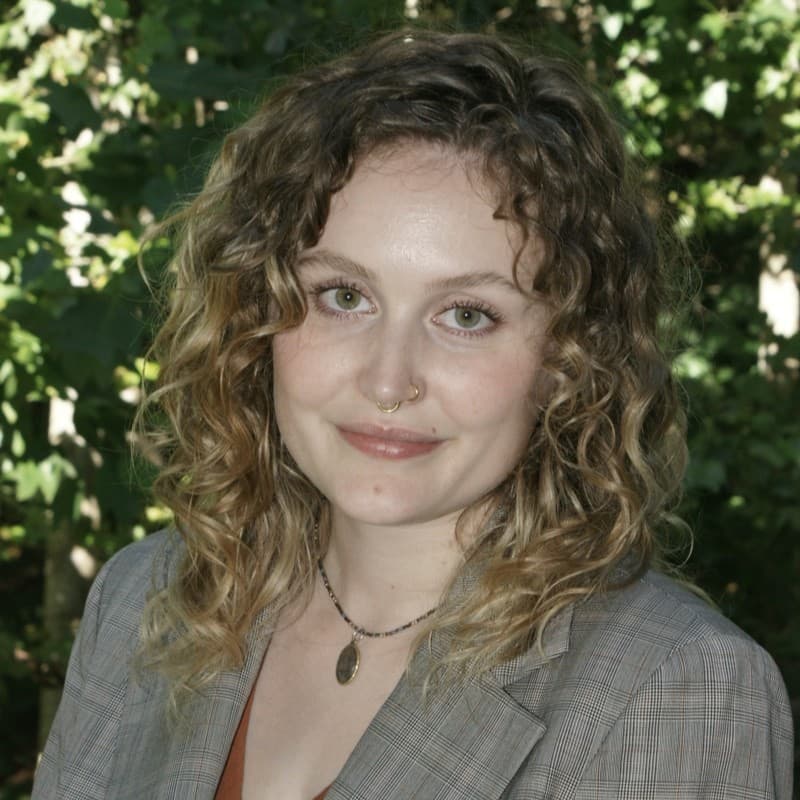
Morgan Wood

About the Author

Morgan Wood

Follow

All Articles

No related articles found