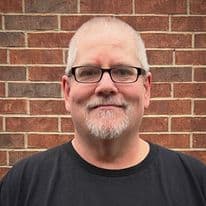
When Stephanie Humphries bought a Right at Home franchise in Cedar Rapids, Iowa, in 2017, the business made sense for more than one reason. It connected to her background in physical therapy, gave her a way to work for herself, and eventually grew into three Iowa territories. Looking back, Humphries said much of that growth has come back to a lesson she learned before she ever owned a business: people are more likely to stay when they know they matter.

“I've often drawn from what happened to me, thinking that now that I'm in the position of being someone's boss, that I don't want to be that person,” Humphries said. “Letting them know they're valued and we need them, and trying to lift them up every day is very important because I didn't always feel that way in other jobs I had.”

Humphries’ path to franchising started at home, where she had already seen the model through her husband’s Valpak business. Before that, she spent seven years working at McDonald’s, went on to become a physical therapist, and later stayed home for 10 years to raise her three daughters. When the Right at Home resale became available, it connected back to work she had done in home health while also fitting the family’s long-running interest in business ownership.

Today, Humphries owns Right at Home territories in Cedar Rapids, Waterloo, and Des Moines. The business provides in-home care services that help older adults remain independent in their homes. For Humphries, growth has depended heavily on finding and supporting the caregivers who carry out that work every day.

“I think I've always had the philosophy that, no matter what your position is in the company — and first and foremost, our home health aides are really the most important people in the company. If we don't have caregivers and aides to take care of our clients and the older adult population, what do we have? Nothing,” Humphries said. “Any task you're doing is so important. Take pride in it. I don't want the caregivers to say, ‘I'm just a caregiver.’ That's not it at all.”

That philosophy now guides much of how Humphries operates. Her team regularly reviews employee feedback, retention trends, and workplace culture. The company has also added benefits including PTO, health insurance, and recognition programs. Still, Humphries said the day-to-day treatment of caregivers is just as important.

As the business expanded, Humphries also had to learn how to step back from tasks she once handled herself. In the early days, she managed home assessments, billing, payroll, and marketing. Moving from one office to three required her to trust other people with responsibilities she had once been reluctant to give up.

“The key is relinquishing some control,” Humphries said. “It's about trying to position yourself with the right people in key roles who can really act for you.”

Humphries continues to look for growth opportunities while strengthening the offices she already owns. Her approach remains rooted in the same lesson that shaped her as an employee: strong businesses are built by people who feel supported enough to stay, grow, and take ownership of the work in front of them.

Humphries joined 1851 Franchise Publisher Nick Powills on a recent episode of the “Meet the Franchisee” podcast. A transcript of Humphries’ interview with Powills has been provided below. It has been edited for brevity, clarity, and style.

Nick Powills: All right, Stephanie, I know what direction I want to go with our discussion because I read about you before I got on here, which is usually rare for me. Usually, I just jump in here and see where it goes. But I’m still going to ask my first question because I want to know the backstory.

How did you accidentally fall into franchising? What’s your franchise backstory?

Stephanie Humphries: I always have a hard time figuring out how far back to start answering that question. In hindsight, my first job was at McDonald’s, and I ended up working there for seven years. Even way back then, I probably knew I didn’t enjoy working for other people much.

I grew up in a household where my dad was a pharmacy manager. There was that mentality that you went to college, and stayed in the same profession your whole life, whether you enjoyed it or not. I figured that was what would happen to me.

Along the way, I figured out that I wanted to go into physical therapy. It was like an aha moment when I finally chose that profession, and I was able to get into the University of Iowa graduate program for physical therapy. But even when I started working as a therapist, I was not fulfilled. I enjoyed being a therapist, but there was still that factor of being under someone else’s thumb.

I took a break from that career. My husband and I ended up with three daughters, which is another whole story in and of itself because I never thought I would have any kids. Then, here I am with three daughters.

I decided to stay home with them when they were quite small, so I was a stay-at-home mom for 10 years. During that time, my husband and I figured out pretty early on that we just wanted to forge our own path, and support ourselves. I feel like we’ve created an empire at this point, but way back then, it was just about being able to work for ourselves.

My husband got into a franchise while I was at home with our girls when they were small. I was introduced to a franchise system through my husband. When it got to the point where I felt like I wanted to get back out doing something, we had looked for businesses off and on, and we still do. It’s just a curiosity: What’s out there? What’s for sale? What’s selling? What’s not?

That’s when, in 2017, I found the resale of Right at Home in Cedar Rapids. With my background in physical therapy, and because I had worked in home health as a PT, it was something that resonated with me. It was something I felt like I could do, even though I had not run a business before, and had not taken a single business class or economics class. My background is largely math and science.

But it’s been working out OK since then.

Powills: There are tons of things I want to unpack. First, what franchise did your husband buy? Is he still buying?

Humphries: Way back in the day, and they are still getting mailed out, which blows my mind, but if you remember Valpak — that blue envelope of coupons, ads, and offers that got mailed out to all the neighborhoods — he owned a couple of territories in eastern Iowa for Valpak.

After about 12 or 13 years, he wanted to get out of that. That was around the same time that we found Right at Home. I started that, and he took a little break. About a year later, we found an ice cream shop for sale, and we bought that. That’s what my husband runs now: a local seasonal ice cream shop.

Powills: Non-franchised?

Humphries: Correct.

Powills: I’m curious. You said it was your husband’s franchise. You didn’t associate yourself as a franchisee with him. You said that was his. Is that because you didn’t have passion about that category? Is it because your full-time job was taking care of your girls? Why did you not call it our franchise? Why did you say it was his?

Humphries: That’s a very good question. Probably because I was part owner — we owned it 50-50 — but I had no role or participation in the business at all. It was pretty self-run.

For quite a while, my husband had one employee, one other salesperson. But when he moved on, my husband tried to hire another one, and I don’t think he could ever really find the right person again. It was something he pretty much ran himself.

That kept him very busy. I was involved in our kids’ school, volunteering, and anything and everything for the children and the household. I didn’t identify with it in any way.

But I wanted to show that, if you are at home with your kids, you’re still working. You’re not showing a work history with the federal government because you’re working as a stay-at-home mom, at least if you’re a halfway decent one. I knew I wanted to at least be part owner to show the government that I’m still working, but in a different capacity.

Powills: Now, roles are reversed. Does he identify as a co-owner with you, or is this just yours?

Humphries: This is just mine. Right at Home is just mine. There are some incentives if you are a woman-owned business with the state, and I think that was largely the reason for going that route.

My husband doesn’t do anything in the company. He maybe helps with a little bit of bookkeeping, but other than that —

Powills: Share the wealth, do none of the work. It’s perfect.

Another thing intrigued me. I was reading the article that we had on 1851 Franchise to get a sense of your backstory, and your quote really struck me. I’m going to paraphrase it, but in essence, you had an experience as an employee where you didn’t like how you were treated. There was a chip on your shoulder that gave you a bad taste in corporate America, which I would imagine ended up being fuel as you became a business owner.

You can see it in your quote. You said, “I’m not going to treat my staff that way.” How much has that chip on your shoulder meant to you now that it’s an asset? Then, it was probably hurtful and frustrating. Now, it’s an asset. Talk about how that’s changed.

Humphries: Absolutely. I’ve had more than one instance of a poor employment experience. It’s disappointing.

I naively thought, “Here I am. I have a graduate degree. I’m a medical professional.” Of course, it dates back. I had poor experiences working in fast food. But I thought, “I’ll become a professional, an educated medical professional.” And I still had poor experiences.

It was dismaying and disappointing, but I worked through those experiences. I’ve often drawn from what happened to me, thinking that now that I’m in the position of being someone’s boss, I don’t want to be that person.

I think I’ve always had the philosophy that, no matter what your position is in the company — and first and foremost, our home health aides are really the most important people in the company. If we don’t have caregivers and aides to take care of our clients and the older adult population, what do we have? Nothing.

I’ve really tried to convey the message that, no matter what you’re doing, whether you’re cleaning someone’s toilet, making somebody a sandwich, or helping them use the restroom, these are probably not considered very glamorous tasks. But they’re so important to another person’s life, helping them age where they want to age. Or, if they’re at the end of life, providing that support.

Any task you’re doing is so important. Take pride in it. I don’t want the caregivers to say, “I’m just a caregiver.” That’s not it at all. That’s huge. Taking care of another human being, really at any age or in any capacity, is huge.

Letting them know they’re valued and we need them, and trying to lift them up every day, is very important because I didn’t always feel that way in other jobs I had.

Powills: It’s been a while since you had a job, and you’ve held on to this. That cut stayed. Obviously, now it has turned into a guiding principle.

You said you didn’t want to work for someone else because they ruled with an iron fist. Now, you’re taking a softer approach of appreciation and empathy in an industry that has tremendous turnover at the caregiver level.

Has that guiding principle changed things? Are you outperforming what turnover typically looks like because you treat people like humans?

Humphries: I honestly think so. I really do.

From the very beginning, we’ve been in a constant state of self-analysis: Is what we’re doing working? Is it effective? Is it efficient? How much money is it costing us? We’re constantly evaluating ourselves as a business to make sure we’re doing what makes sense.

When I first took over, in those early years, we did have a lot of turnover. It was crazy when I think back to the number of people who would quit in a given week or month.

You can’t sit there and point the finger at them and say, “It’s all their fault” or “What’s wrong with them?” You have to look inward and think, “What are we doing as a company that is causing people to want to jump ship so quickly?”

We have to be surveyed every single month through Right at Home. We analyze feedback from those surveys over the years, interview our caregivers, do some of our own surveys, and have one-on-one conversations. We try to get to the bottom of what we’re doing wrong as a company that makes them not want to stick around.

Over the years, we’ve done a lot to improve retention. Benefits are great. A couple of years ago, I became a large employer, and that puts you in a position where you need to offer health insurance of some sort. That was the final benefit I wanted to be able to provide.

But we’ve also learned that when we are hiring caregivers coming from nursing homes, a hospital setting, or other home health agencies, based on those stories, they’re not always treated the best in those working environments. When they come to us and say things like, “Wow, you guys are so nice,” “You guys are so welcoming,” or “I can’t believe you just took the time to talk to me for 20 minutes,” it’s surprising and refreshing for them.

We’ve gotten all that feedback over the years. It’s how you treat people day in and day out. It’s your culture. It’s expressing value for them and what they do.

At the same time, we’ve also been in positions where the caregivers kind of ran the show. They weren’t answering to anybody, and they were breaking rules left and right. That doesn’t work either.

It’s expressing empathy and being good communicators, but at the same time holding people accountable because we do have a standard that we have to uphold. We have our disciplinary processes and counseling if someone’s not quite meeting those expectations.

Powills: It’s fascinating to me. If I’m going to take two types of employees — your husband’s employee and your employee — someone at an ice cream shop, even though you’re serving up something that drives smiles every single day, doesn’t necessarily know the other side of being an employee.

You did because of physical therapy, and you knew the toll it would take on you both physically and emotionally. It’s a tough job. People need it. Our communities need this.

You absolutely have to hold people accountable because you want to make sure the client base is getting the service they’ve come to expect from Right at Home. But when you’re saying, “I listened,” or “You talked with me,” it’s almost like the caregiver is seen.

I’m trying to create a comparison, and it’s not a great one, but I think of janitorial work. When we were probably going to school, it was the lonely position. Nobody talked to them. There was a perception of them.

The caregiver is much the same because they’re dealing with life and death every single day. It’s pretty lonely for them in some situations. And here you are, asking, “How are you doing?” It parts the clouds.

I don’t know that our world and our community have come to recognize them as first responders, but I think they are. This is a tough job.

Humphries: It is. It is very tough.

We’re constantly looking at how we can differentiate ourselves from other agencies. I’m well aware we’re not the only agency in my markets. We look at ways to be different, be unique, and highlight those areas, and we get feedback from our clients about what they feel makes us unique.

Time and again, people will say it’s our people and our team. That would be one of the number one challenges: finding the right people for the right roles.

Office staff are very important. They’re supervisors and mentors. There’s a lot of coaching and counseling on how to communicate effectively. It’s investing in some of that extra time, like you said, having a conversation with a caregiver and listening to them.

Maybe they’re having a not-so-great day. A lot of them can come from rougher backgrounds, poverty, or have had a rough go of it. Helping the office staff understand that they are role models is important.

I’d say a lot of my office staff were caregivers at one time, and they demonstrated themselves such that I thought they could also be successful in an office role. Drawing from their background as caregivers, they’re able to relate to all of the aides. Taking that time to listen and relate to them really goes a long way.

I figure you’re either going to spend that time trying to recruit and hire more people, or you can spend that extra time with the staff you’ve got. The office staff can get very busy and hectic, but helping them understand to stay calm, express empathy, and take that time for them pays off.

Powills: Culture is currency, and empathy is currency, too. You’re giving them another piece that, if they’re making a decision between continuing to work for Stephanie or looking somewhere else, keeps the grass a little bit greener where they are.

Humphries: Exactly.

Between all the benefits we offer, and last year I finally added a PTO accrual program for caregivers. After they work a certain number of hours, they accumulate PTO time. I can always increase the amount of time they can accumulate, but in terms of benefits offered, I don’t think there’s really anything else out there.

We have a bonus program and a rewards program. We do have health insurance for the people who work enough hours during the week. We have a retirement plan, paid holidays, paid mileage, and travel time.

We feel like we’re meeting all of those benchmarks, but you still have to treat them well. We have parties off and on for them and do special recognition things at the office.

It’s multifactorial, I think, in how you have to tackle employee recruitment and retention.

Powills: There was another quote I read where you said something to the effect of conditioning your hours so your hours go down. You let the business operate itself, which in turn has allowed you to scale.

That could be the most valuable piece of advice and the piece of the equation for anybody who is going to grow in business. I’m zooming out from your story, but you’re taking an unemotional attachment to business, which has allowed you to go from one to three. Is that a superpower you have? What’s the vision? Where do you go with this?

Humphries: I had to learn how to do that because when I first bought Cedar Rapids, I was definitely in the fray. I did all the home assessments. I did the billing. I did the payroll. I was the marketer. I was out there.

Sometimes, when I think back — and our children were still pretty young. Our youngest was only 7 or 8 when I bought it. Our kids have never gone to daycare, even with our careers. My parents live in the area, and they’ve helped us out to an extent. But it’s me and my husband who have taken care of our children along our business journeys.

Powills: How did you get to managing your time?

Humphries: Scaling. Yes.

You have to, or you’re going to go insane. I went from having so many roles in one office to two offices in 2022. There’s no way I would have been able to make that move if I didn’t feel confident in the staff in Cedar Rapids.

That’s the key, and that’s still ongoing: finding the right people to perform the roles that are good for them. You want to position people where you can capitalize on their strengths and realize what their weaknesses are, and not ask them to do job tasks that are within their weaknesses. That’s what I’ve learned.

I felt confident enough in Cedar Rapids to expand and start splitting my time with the second office. It took off pretty quickly. Then, I had the opportunity to add Des Moines last year.

The key is relinquishing some control. That really lies in whether you have the right people you feel confident in, with the appropriate training, and their own self-confidence, so you can delegate other things to them.

There was a time when I remember thinking, “Oh my gosh, I’m never going to be able to let someone else do my billing. Someone else will see my numbers.” But I gave that up a long time ago. I had to. There’s just too much.

It’s about trying to position yourself with the right people in key roles who can really act for you. If you get to know your staff well enough and understand their personalities and strengths, you can ask, “Would that person say what I would say or behave in a manner that I would behave as the owner?”

That’s where I feel more comfortable taking some steps back and looking at the big picture, rather than being in the fray of things on a daily basis.

I love meeting with my staff. I still visit each office roughly once a week in a normal routine. I probably won’t continue with that amount of frequency, but I still don’t have things quite positioned where I would like, particularly in the Des Moines office, because I’ve only owned it for a year. I’m working on structuring that and finding the right people.

Powills: There’s a mindset thing there, too. As a business owner, the table stakes are that we’re in business to make money. When you control everything, you’re offsetting dollars that easily fall, in your perception, to your bottom line because you’re doing all the work.

When you step out of these jobs, you need to replace the work you were doing. That costs money. Your profitability goes down, but then it goes up. You have to have the right mindset to ride that roller coaster because, on the other side, it’s great. But when it’s going down, you’re like —

Humphries: That is true. You can’t be risk-averse. It’s perseverance.

It ebbs and flows. There are lots of ups and downs from different directions and different factors. The pandemic was a huge factor, of course. That same year, Cedar Rapids experienced the biggest derecho ever.

Whether it’s a natural disaster or maybe a key employee becomes ill and you’ve got to figure out how to replace what they do until they can come back, the bigger your team is, the more you can strategize and navigate through those situations. Again, it’s having stellar people who step up in all of those circumstances and who you feel have your back and the company’s back.

Ultimately, it boils down to having the clients’ and caregivers’ backs. That’s the heart of what we do. Those people continue to show up day after day.

I make sure I’m supporting those staff members and letting them know how valuable they are. I support them from a financial standpoint and even an emotional standpoint sometimes. If they come to me with a personal issue, I think most of my employees feel like they can talk to me on a personal level. I can be a good listener and maybe help them troubleshoot or problem-solve something going on in their lives.

I know it goes a long way for them to know that I care. I’ve heard that a lot over the years: “Boss, we know that you care about us.” And I do. I’m nothing without them.

Powills: That goes all the way back to the beginning part of the story. That’s what you were missing on your side. You had that missing ingredient. If you look back at it, you don’t know why a company is treating you this way or why you feel this way. Later on in life, you’re like, “I see, because I’m going to need to know how not to do this because it’s going to allow me to scale.”

Humphries: Yes, that’s it.

Powills: One hundred percent. I love that.

Let’s close on this. You’ve mastered scale. You’re mastering people. I don’t know that anyone ever masters it, but you’re mastering how to ignite the best out of people.

Where do you go with your portfolio now?

Humphries: There are goals yet to be met. My oldest office, Cedar Rapids, is a pretty well-oiled machine. But that doesn’t mean it should be ignored.

I added a couple of salespeople this year, which is not something I thought I would ever do. I really had to sit with that and think about adding marketing and salespeople because it has largely been me or other existing employees. But that can take a lot of time, and it was taking away from their responsibilities in the office.

It took me a while to reconcile with the fact that I needed dedicated full-time people out there every day promoting us and talking about us. It’s pretty early in the journey for those salespeople, so I’m hoping that will result in more billable hours and revenue.

Currently, the Iowa City market is owned by someone else, and they’re not doing well. I’ll be honest: I would like to get that market under our belts. But we’ll see what comes up.

Powills: That last statement is fascinating to me because you’ve bought existing businesses. You treated people right. It doesn’t mean other franchises didn’t. Maybe there’s burnout, and you start off with the best intentions and hit a roadblock. Can you bust through it or not?

But it’s interesting because the formula to succeed in business, because these are existing businesses that were operating, is not that magical. It’s come in, replace yourself, manage your people well, and give them the opportunities to grow. It’s all there. The blueprint is there. So why not take on another market? Take on every market you can.

Humphries: I can’t imagine starting a Right at Home from scratch. Maybe because I’ve never done it. After doing what we’ve done all these years and figuring out what works and what doesn’t, maybe we could. But I would need more people and more help.

Powills: I think it’s an entirely different business. I’m going to make a “Nick” comparison.

A handyman might say, “Look, I can fix everything around your home.” And then you say, “OK, go build a house.” They don’t know how to do that, but they know how to go in and fix the problems.

Maybe that’s your specialty. If something has been built up and had moments of success and then decreased, you can come in and say, “OK, I know my blueprint. Here’s how I fix it.” Maybe that’s your sweet spot in business. When you and your husband were looking for businesses to buy, and you continue to look for businesses to buy, maybe that’s your calling.

It’s not the business acumen that is the magic. It’s understanding how we leverage our best asset, which is people.

Humphries: That’s it. The other things have developed, and I’ve learned them. But leveraging your people and realizing when you don’t have the right person is important.

It’s about developing a structure or criteria. I guess that comes with experience and time. It’s also about not holding on to people who are not performing.

I’ve learned that. I’ve held on to ineffective people far too long sometimes. That was years ago. I don’t do that anymore.

Powills: They’re probably ineffective because it’s a job, not a career. There has to be a degree of passion for what you do in order for you to show up because, at the end of the day, they’re not making millions of dollars to be a caregiver.

If the passion piece doesn’t blend and it’s just a job, you could give them all the empathy in the world, but it’s just not a fit. Sometimes, it is a blessing. They can’t make the decisions because you have to feed your family and need a job. You giving them permission, which could be, “We’re going to move in a different direction,” is the blessing.

Humphries: Absolutely. It could be for them so they find something that is more of their niche.

It does take a certain person to do the work we do. That’s the challenge, too, even as we’ve done so much better in retaining employees. It’s about how we recruit them, prepare them, onboard them, and vet people.

Sometimes, we hire someone and really feel like this person is going to work out well, but sometimes they don’t.

My hiring manager has been with Right at Home longer than I have. That was something she really had to learn over time because she would go through all this work of hiring someone, and when they didn’t work out, she would take it personally. She’d think, “I brought this person on board. I thought they were going to be great, and it turned out they weren’t.” It would really bother her. She felt like she wasted her time.

I helped her see over time that it’s nothing she’s done personally. We want to be able to lay our heads on our pillows at the end of the day and think, “Did we do everything we could as a company to support a new hire, a veteran caregiver, our clients, and all the processes we’ve developed?”

If we feel like we’ve done everything we can, we can rest our heads. It is on the other person. They need to show up and meet our standards.

Luckily, my hiring manager has been able to change her mentality: “I’m not going to take it personally. I didn’t do anything wrong as the hiring manager. I followed our processes, and it’s on to the next one.”

We’re not going to look back and ruminate too long. We want to learn from something that maybe we didn’t do so well, but we’re not going to ruminate on, “Why did they leave?” That’s a waste of time. We’re going to move forward.

Powills: The magic word is emotionally unemotional. There’s this weird spot that, if you can get there as a business owner and operator — emotionally unemotional. It’s empathy or non-empathetic empathy. It’s this weird spot in the middle that allows business owners to find success and scale. I think you’ve done a great job at doing that.

Humphries: I appreciate that, and you are correct. Early on, I took on a lot emotionally and mentally. You have to figure out how to work through that and not take things so personally, and not allow it to weigh on you.

If you want to be successful and be in this long term, you have to reconcile with some things. You just do. Otherwise, you’re going to drive yourself nuts.

Powills: Stephanie, I’m not interested in that. I love your story. I think the lessons from our conversation are tremendous for all business, even giant business. We’re talking about you owning three units, but it’s the same principles whether you have one or 100 units.

I’m grateful that you shared your story, and I’m glad I got to meet you.

Humphries: Absolutely. I appreciate the opportunity. It was fun.

Powills: I love it. For Stephanie, I’m Nick. This was another episode of Meet the Franchisee.

Watch the full interview above or on YouTube.

Right at Home

SPONSORED
Why Stephanie Humphries Built Her Business Around the Employees She Once Felt Like

Why Stephanie Humphries Built Her Business Around the Employees She Once Felt Like

The Right at Home owner used lessons from disappointing workplace experiences to improve retention, grow across Iowa and create a culture built on accountability and respect.

When Stephanie Humphries bought a Right at Home franchise in Cedar Rapids, Iowa, in 2017, the business made sense for more than one reason. It connected to her background in physical therapy, gave her a way to work for herself, and eventually grew into three Iowa territories. Looking back, Humphries said much of that growth has come back to a lesson she learned before she ever owned a business: people are more likely to stay when they know they matter.

“I've often drawn from what happened to me, thinking that now that I'm in the position of being someone's boss, that I don't want to be that person,” Humphries said. “Letting them know they're valued and we need them, and trying to lift them up every day is very important because I didn't always feel that way in other jobs I had.”

Humphries’ path to franchising started at home, where she had already seen the model through her husband’s Valpak business. Before that, she spent seven years working at McDonald’s, went on to become a physical therapist, and later stayed home for 10 years to raise her three daughters. When the Right at Home resale became available, it connected back to work she had done in home health while also fitting the family’s long-running interest in business ownership.

Today, Humphries owns Right at Home territories in Cedar Rapids, Waterloo, and Des Moines. The business provides in-home care services that help older adults remain independent in their homes. For Humphries, growth has depended heavily on finding and supporting the caregivers who carry out that work every day.

“I think I've always had the philosophy that, no matter what your position is in the company — and first and foremost, our home health aides are really the most important people in the company. If we don't have caregivers and aides to take care of our clients and the older adult population, what do we have? Nothing,” Humphries said. “Any task you're doing is so important. Take pride in it. I don't want the caregivers to say, ‘I'm just a caregiver.’ That's not it at all.”

That philosophy now guides much of how Humphries operates. Her team regularly reviews employee feedback, retention trends, and workplace culture. The company has also added benefits including PTO, health insurance, and recognition programs. Still, Humphries said the day-to-day treatment of caregivers is just as important.

As the business expanded, Humphries also had to learn how to step back from tasks she once handled herself. In the early days, she managed home assessments, billing, payroll, and marketing. Moving from one office to three required her to trust other people with responsibilities she had once been reluctant to give up.

“The key is relinquishing some control,” Humphries said. “It's about trying to position yourself with the right people in key roles who can really act for you.”

Humphries continues to look for growth opportunities while strengthening the offices she already owns. Her approach remains rooted in the same lesson that shaped her as an employee: strong businesses are built by people who feel supported enough to stay, grow, and take ownership of the work in front of them.

Humphries joined 1851 Franchise Publisher Nick Powills on a recent episode of the “Meet the Franchisee” podcast. A transcript of Humphries’ interview with Powills has been provided below. It has been edited for brevity, clarity, and style.

Nick Powills: All right, Stephanie, I know what direction I want to go with our discussion because I read about you before I got on here, which is usually rare for me. Usually, I just jump in here and see where it goes. But I’m still going to ask my first question because I want to know the backstory.

How did you accidentally fall into franchising? What’s your franchise backstory?

Stephanie Humphries: I always have a hard time figuring out how far back to start answering that question. In hindsight, my first job was at McDonald’s, and I ended up working there for seven years. Even way back then, I probably knew I didn’t enjoy working for other people much.

I grew up in a household where my dad was a pharmacy manager. There was that mentality that you went to college, and stayed in the same profession your whole life, whether you enjoyed it or not. I figured that was what would happen to me.

Along the way, I figured out that I wanted to go into physical therapy. It was like an aha moment when I finally chose that profession, and I was able to get into the University of Iowa graduate program for physical therapy. But even when I started working as a therapist, I was not fulfilled. I enjoyed being a therapist, but there was still that factor of being under someone else’s thumb.

I took a break from that career. My husband and I ended up with three daughters, which is another whole story in and of itself because I never thought I would have any kids. Then, here I am with three daughters.

I decided to stay home with them when they were quite small, so I was a stay-at-home mom for 10 years. During that time, my husband and I figured out pretty early on that we just wanted to forge our own path, and support ourselves. I feel like we’ve created an empire at this point, but way back then, it was just about being able to work for ourselves.

My husband got into a franchise while I was at home with our girls when they were small. I was introduced to a franchise system through my husband. When it got to the point where I felt like I wanted to get back out doing something, we had looked for businesses off and on, and we still do. It’s just a curiosity: What’s out there? What’s for sale? What’s selling? What’s not?

That’s when, in 2017, I found the resale of Right at Home in Cedar Rapids. With my background in physical therapy, and because I had worked in home health as a PT, it was something that resonated with me. It was something I felt like I could do, even though I had not run a business before, and had not taken a single business class or economics class. My background is largely math and science.

But it’s been working out OK since then.

Powills: There are tons of things I want to unpack. First, what franchise did your husband buy? Is he still buying?

Humphries: Way back in the day, and they are still getting mailed out, which blows my mind, but if you remember Valpak — that blue envelope of coupons, ads, and offers that got mailed out to all the neighborhoods — he owned a couple of territories in eastern Iowa for Valpak.

After about 12 or 13 years, he wanted to get out of that. That was around the same time that we found Right at Home. I started that, and he took a little break. About a year later, we found an ice cream shop for sale, and we bought that. That’s what my husband runs now: a local seasonal ice cream shop.

Powills: Non-franchised?

Humphries: Correct.

Powills: I’m curious. You said it was your husband’s franchise. You didn’t associate yourself as a franchisee with him. You said that was his. Is that because you didn’t have passion about that category? Is it because your full-time job was taking care of your girls? Why did you not call it our franchise? Why did you say it was his?

Humphries: That’s a very good question. Probably because I was part owner — we owned it 50-50 — but I had no role or participation in the business at all. It was pretty self-run.

For quite a while, my husband had one employee, one other salesperson. But when he moved on, my husband tried to hire another one, and I don’t think he could ever really find the right person again. It was something he pretty much ran himself.

That kept him very busy. I was involved in our kids’ school, volunteering, and anything and everything for the children and the household. I didn’t identify with it in any way.

But I wanted to show that, if you are at home with your kids, you’re still working. You’re not showing a work history with the federal government because you’re working as a stay-at-home mom, at least if you’re a halfway decent one. I knew I wanted to at least be part owner to show the government that I’m still working, but in a different capacity.

Powills: Now, roles are reversed. Does he identify as a co-owner with you, or is this just yours?

Humphries: This is just mine. Right at Home is just mine. There are some incentives if you are a woman-owned business with the state, and I think that was largely the reason for going that route.

My husband doesn’t do anything in the company. He maybe helps with a little bit of bookkeeping, but other than that —

Powills: Share the wealth, do none of the work. It’s perfect.

Another thing intrigued me. I was reading the article that we had on 1851 Franchise to get a sense of your backstory, and your quote really struck me. I’m going to paraphrase it, but in essence, you had an experience as an employee where you didn’t like how you were treated. There was a chip on your shoulder that gave you a bad taste in corporate America, which I would imagine ended up being fuel as you became a business owner.

You can see it in your quote. You said, “I’m not going to treat my staff that way.” How much has that chip on your shoulder meant to you now that it’s an asset? Then, it was probably hurtful and frustrating. Now, it’s an asset. Talk about how that’s changed.

Humphries: Absolutely. I’ve had more than one instance of a poor employment experience. It’s disappointing.

I naively thought, “Here I am. I have a graduate degree. I’m a medical professional.” Of course, it dates back. I had poor experiences working in fast food. But I thought, “I’ll become a professional, an educated medical professional.” And I still had poor experiences.

It was dismaying and disappointing, but I worked through those experiences. I’ve often drawn from what happened to me, thinking that now that I’m in the position of being someone’s boss, I don’t want to be that person.

I think I’ve always had the philosophy that, no matter what your position is in the company — and first and foremost, our home health aides are really the most important people in the company. If we don’t have caregivers and aides to take care of our clients and the older adult population, what do we have? Nothing.

I’ve really tried to convey the message that, no matter what you’re doing, whether you’re cleaning someone’s toilet, making somebody a sandwich, or helping them use the restroom, these are probably not considered very glamorous tasks. But they’re so important to another person’s life, helping them age where they want to age. Or, if they’re at the end of life, providing that support.

Any task you’re doing is so important. Take pride in it. I don’t want the caregivers to say, “I’m just a caregiver.” That’s not it at all. That’s huge. Taking care of another human being, really at any age or in any capacity, is huge.

Letting them know they’re valued and we need them, and trying to lift them up every day, is very important because I didn’t always feel that way in other jobs I had.

Powills: It’s been a while since you had a job, and you’ve held on to this. That cut stayed. Obviously, now it has turned into a guiding principle.

You said you didn’t want to work for someone else because they ruled with an iron fist. Now, you’re taking a softer approach of appreciation and empathy in an industry that has tremendous turnover at the caregiver level.

Has that guiding principle changed things? Are you outperforming what turnover typically looks like because you treat people like humans?

Humphries: I honestly think so. I really do.

From the very beginning, we’ve been in a constant state of self-analysis: Is what we’re doing working? Is it effective? Is it efficient? How much money is it costing us? We’re constantly evaluating ourselves as a business to make sure we’re doing what makes sense.

When I first took over, in those early years, we did have a lot of turnover. It was crazy when I think back to the number of people who would quit in a given week or month.

You can’t sit there and point the finger at them and say, “It’s all their fault” or “What’s wrong with them?” You have to look inward and think, “What are we doing as a company that is causing people to want to jump ship so quickly?”

We have to be surveyed every single month through Right at Home. We analyze feedback from those surveys over the years, interview our caregivers, do some of our own surveys, and have one-on-one conversations. We try to get to the bottom of what we’re doing wrong as a company that makes them not want to stick around.

Over the years, we’ve done a lot to improve retention. Benefits are great. A couple of years ago, I became a large employer, and that puts you in a position where you need to offer health insurance of some sort. That was the final benefit I wanted to be able to provide.

But we’ve also learned that when we are hiring caregivers coming from nursing homes, a hospital setting, or other home health agencies, based on those stories, they’re not always treated the best in those working environments. When they come to us and say things like, “Wow, you guys are so nice,” “You guys are so welcoming,” or “I can’t believe you just took the time to talk to me for 20 minutes,” it’s surprising and refreshing for them.

We’ve gotten all that feedback over the years. It’s how you treat people day in and day out. It’s your culture. It’s expressing value for them and what they do.

At the same time, we’ve also been in positions where the caregivers kind of ran the show. They weren’t answering to anybody, and they were breaking rules left and right. That doesn’t work either.

It’s expressing empathy and being good communicators, but at the same time holding people accountable because we do have a standard that we have to uphold. We have our disciplinary processes and counseling if someone’s not quite meeting those expectations.

Powills: It’s fascinating to me. If I’m going to take two types of employees — your husband’s employee and your employee — someone at an ice cream shop, even though you’re serving up something that drives smiles every single day, doesn’t necessarily know the other side of being an employee.

You did because of physical therapy, and you knew the toll it would take on you both physically and emotionally. It’s a tough job. People need it. Our communities need this.

You absolutely have to hold people accountable because you want to make sure the client base is getting the service they’ve come to expect from Right at Home. But when you’re saying, “I listened,” or “You talked with me,” it’s almost like the caregiver is seen.

I’m trying to create a comparison, and it’s not a great one, but I think of janitorial work. When we were probably going to school, it was the lonely position. Nobody talked to them. There was a perception of them.

The caregiver is much the same because they’re dealing with life and death every single day. It’s pretty lonely for them in some situations. And here you are, asking, “How are you doing?” It parts the clouds.

I don’t know that our world and our community have come to recognize them as first responders, but I think they are. This is a tough job.

Humphries: It is. It is very tough.

We’re constantly looking at how we can differentiate ourselves from other agencies. I’m well aware we’re not the only agency in my markets. We look at ways to be different, be unique, and highlight those areas, and we get feedback from our clients about what they feel makes us unique.

Time and again, people will say it’s our people and our team. That would be one of the number one challenges: finding the right people for the right roles.

Office staff are very important. They’re supervisors and mentors. There’s a lot of coaching and counseling on how to communicate effectively. It’s investing in some of that extra time, like you said, having a conversation with a caregiver and listening to them.

Maybe they’re having a not-so-great day. A lot of them can come from rougher backgrounds, poverty, or have had a rough go of it. Helping the office staff understand that they are role models is important.

I’d say a lot of my office staff were caregivers at one time, and they demonstrated themselves such that I thought they could also be successful in an office role. Drawing from their background as caregivers, they’re able to relate to all of the aides. Taking that time to listen and relate to them really goes a long way.

I figure you’re either going to spend that time trying to recruit and hire more people, or you can spend that extra time with the staff you’ve got. The office staff can get very busy and hectic, but helping them understand to stay calm, express empathy, and take that time for them pays off.

Powills: Culture is currency, and empathy is currency, too. You’re giving them another piece that, if they’re making a decision between continuing to work for Stephanie or looking somewhere else, keeps the grass a little bit greener where they are.

Humphries: Exactly.

Between all the benefits we offer, and last year I finally added a PTO accrual program for caregivers. After they work a certain number of hours, they accumulate PTO time. I can always increase the amount of time they can accumulate, but in terms of benefits offered, I don’t think there’s really anything else out there.

We have a bonus program and a rewards program. We do have health insurance for the people who work enough hours during the week. We have a retirement plan, paid holidays, paid mileage, and travel time.

We feel like we’re meeting all of those benchmarks, but you still have to treat them well. We have parties off and on for them and do special recognition things at the office.

It’s multifactorial, I think, in how you have to tackle employee recruitment and retention.

Powills: There was another quote I read where you said something to the effect of conditioning your hours so your hours go down. You let the business operate itself, which in turn has allowed you to scale.

That could be the most valuable piece of advice and the piece of the equation for anybody who is going to grow in business. I’m zooming out from your story, but you’re taking an unemotional attachment to business, which has allowed you to go from one to three. Is that a superpower you have? What’s the vision? Where do you go with this?

Humphries: I had to learn how to do that because when I first bought Cedar Rapids, I was definitely in the fray. I did all the home assessments. I did the billing. I did the payroll. I was the marketer. I was out there.

Sometimes, when I think back — and our children were still pretty young. Our youngest was only 7 or 8 when I bought it. Our kids have never gone to daycare, even with our careers. My parents live in the area, and they’ve helped us out to an extent. But it’s me and my husband who have taken care of our children along our business journeys.

Powills: How did you get to managing your time?

Humphries: Scaling. Yes.

You have to, or you’re going to go insane. I went from having so many roles in one office to two offices in 2022. There’s no way I would have been able to make that move if I didn’t feel confident in the staff in Cedar Rapids.

That’s the key, and that’s still ongoing: finding the right people to perform the roles that are good for them. You want to position people where you can capitalize on their strengths and realize what their weaknesses are, and not ask them to do job tasks that are within their weaknesses. That’s what I’ve learned.

I felt confident enough in Cedar Rapids to expand and start splitting my time with the second office. It took off pretty quickly. Then, I had the opportunity to add Des Moines last year.

The key is relinquishing some control. That really lies in whether you have the right people you feel confident in, with the appropriate training, and their own self-confidence, so you can delegate other things to them.

There was a time when I remember thinking, “Oh my gosh, I’m never going to be able to let someone else do my billing. Someone else will see my numbers.” But I gave that up a long time ago. I had to. There’s just too much.

It’s about trying to position yourself with the right people in key roles who can really act for you. If you get to know your staff well enough and understand their personalities and strengths, you can ask, “Would that person say what I would say or behave in a manner that I would behave as the owner?”

That’s where I feel more comfortable taking some steps back and looking at the big picture, rather than being in the fray of things on a daily basis.

I love meeting with my staff. I still visit each office roughly once a week in a normal routine. I probably won’t continue with that amount of frequency, but I still don’t have things quite positioned where I would like, particularly in the Des Moines office, because I’ve only owned it for a year. I’m working on structuring that and finding the right people.

Powills: There’s a mindset thing there, too. As a business owner, the table stakes are that we’re in business to make money. When you control everything, you’re offsetting dollars that easily fall, in your perception, to your bottom line because you’re doing all the work.

When you step out of these jobs, you need to replace the work you were doing. That costs money. Your profitability goes down, but then it goes up. You have to have the right mindset to ride that roller coaster because, on the other side, it’s great. But when it’s going down, you’re like —

Humphries: That is true. You can’t be risk-averse. It’s perseverance.

It ebbs and flows. There are lots of ups and downs from different directions and different factors. The pandemic was a huge factor, of course. That same year, Cedar Rapids experienced the biggest derecho ever.

Whether it’s a natural disaster or maybe a key employee becomes ill and you’ve got to figure out how to replace what they do until they can come back, the bigger your team is, the more you can strategize and navigate through those situations. Again, it’s having stellar people who step up in all of those circumstances and who you feel have your back and the company’s back.

Ultimately, it boils down to having the clients’ and caregivers’ backs. That’s the heart of what we do. Those people continue to show up day after day.

I make sure I’m supporting those staff members and letting them know how valuable they are. I support them from a financial standpoint and even an emotional standpoint sometimes. If they come to me with a personal issue, I think most of my employees feel like they can talk to me on a personal level. I can be a good listener and maybe help them troubleshoot or problem-solve something going on in their lives.

I know it goes a long way for them to know that I care. I’ve heard that a lot over the years: “Boss, we know that you care about us.” And I do. I’m nothing without them.

Powills: That goes all the way back to the beginning part of the story. That’s what you were missing on your side. You had that missing ingredient. If you look back at it, you don’t know why a company is treating you this way or why you feel this way. Later on in life, you’re like, “I see, because I’m going to need to know how not to do this because it’s going to allow me to scale.”

Humphries: Yes, that’s it.

Powills: One hundred percent. I love that.

Let’s close on this. You’ve mastered scale. You’re mastering people. I don’t know that anyone ever masters it, but you’re mastering how to ignite the best out of people.

Where do you go with your portfolio now?

Humphries: There are goals yet to be met. My oldest office, Cedar Rapids, is a pretty well-oiled machine. But that doesn’t mean it should be ignored.

I added a couple of salespeople this year, which is not something I thought I would ever do. I really had to sit with that and think about adding marketing and salespeople because it has largely been me or other existing employees. But that can take a lot of time, and it was taking away from their responsibilities in the office.

It took me a while to reconcile with the fact that I needed dedicated full-time people out there every day promoting us and talking about us. It’s pretty early in the journey for those salespeople, so I’m hoping that will result in more billable hours and revenue.

Currently, the Iowa City market is owned by someone else, and they’re not doing well. I’ll be honest: I would like to get that market under our belts. But we’ll see what comes up.

Powills: That last statement is fascinating to me because you’ve bought existing businesses. You treated people right. It doesn’t mean other franchises didn’t. Maybe there’s burnout, and you start off with the best intentions and hit a roadblock. Can you bust through it or not?

But it’s interesting because the formula to succeed in business, because these are existing businesses that were operating, is not that magical. It’s come in, replace yourself, manage your people well, and give them the opportunities to grow. It’s all there. The blueprint is there. So why not take on another market? Take on every market you can.

Humphries: I can’t imagine starting a Right at Home from scratch. Maybe because I’ve never done it. After doing what we’ve done all these years and figuring out what works and what doesn’t, maybe we could. But I would need more people and more help.

Powills: I think it’s an entirely different business. I’m going to make a “Nick” comparison.

A handyman might say, “Look, I can fix everything around your home.” And then you say, “OK, go build a house.” They don’t know how to do that, but they know how to go in and fix the problems.

Maybe that’s your specialty. If something has been built up and had moments of success and then decreased, you can come in and say, “OK, I know my blueprint. Here’s how I fix it.” Maybe that’s your sweet spot in business. When you and your husband were looking for businesses to buy, and you continue to look for businesses to buy, maybe that’s your calling.

It’s not the business acumen that is the magic. It’s understanding how we leverage our best asset, which is people.

Humphries: That’s it. The other things have developed, and I’ve learned them. But leveraging your people and realizing when you don’t have the right person is important.

It’s about developing a structure or criteria. I guess that comes with experience and time. It’s also about not holding on to people who are not performing.

I’ve learned that. I’ve held on to ineffective people far too long sometimes. That was years ago. I don’t do that anymore.

Powills: They’re probably ineffective because it’s a job, not a career. There has to be a degree of passion for what you do in order for you to show up because, at the end of the day, they’re not making millions of dollars to be a caregiver.

If the passion piece doesn’t blend and it’s just a job, you could give them all the empathy in the world, but it’s just not a fit. Sometimes, it is a blessing. They can’t make the decisions because you have to feed your family and need a job. You giving them permission, which could be, “We’re going to move in a different direction,” is the blessing.

Humphries: Absolutely. It could be for them so they find something that is more of their niche.

It does take a certain person to do the work we do. That’s the challenge, too, even as we’ve done so much better in retaining employees. It’s about how we recruit them, prepare them, onboard them, and vet people.

Sometimes, we hire someone and really feel like this person is going to work out well, but sometimes they don’t.

My hiring manager has been with Right at Home longer than I have. That was something she really had to learn over time because she would go through all this work of hiring someone, and when they didn’t work out, she would take it personally. She’d think, “I brought this person on board. I thought they were going to be great, and it turned out they weren’t.” It would really bother her. She felt like she wasted her time.

I helped her see over time that it’s nothing she’s done personally. We want to be able to lay our heads on our pillows at the end of the day and think, “Did we do everything we could as a company to support a new hire, a veteran caregiver, our clients, and all the processes we’ve developed?”

If we feel like we’ve done everything we can, we can rest our heads. It is on the other person. They need to show up and meet our standards.

Luckily, my hiring manager has been able to change her mentality: “I’m not going to take it personally. I didn’t do anything wrong as the hiring manager. I followed our processes, and it’s on to the next one.”

We’re not going to look back and ruminate too long. We want to learn from something that maybe we didn’t do so well, but we’re not going to ruminate on, “Why did they leave?” That’s a waste of time. We’re going to move forward.

Powills: The magic word is emotionally unemotional. There’s this weird spot that, if you can get there as a business owner and operator — emotionally unemotional. It’s empathy or non-empathetic empathy. It’s this weird spot in the middle that allows business owners to find success and scale. I think you’ve done a great job at doing that.

Humphries: I appreciate that, and you are correct. Early on, I took on a lot emotionally and mentally. You have to figure out how to work through that and not take things so personally, and not allow it to weigh on you.

If you want to be successful and be in this long term, you have to reconcile with some things. You just do. Otherwise, you’re going to drive yourself nuts.

Powills: Stephanie, I’m not interested in that. I love your story. I think the lessons from our conversation are tremendous for all business, even giant business. We’re talking about you owning three units, but it’s the same principles whether you have one or 100 units.

I’m grateful that you shared your story, and I’m glad I got to meet you.

Humphries: Absolutely. I appreciate the opportunity. It was fun.

Powills: I love it. For Stephanie, I’m Nick. This was another episode of Meet the Franchisee.

Watch the full interview above or on YouTube.

Don’t Miss the Next Big Franchise Story

Sign up for the 1851 Franchise newsletter to get our biggest stories before everyone else

By signing up, you agree to our user agreement (including class action waiver and arbitration provisions), and acknowledge our privacy policy.

Chris Irby

About the Author

Chris Irby

Follow

All Articles

No related articles found