Franchise News
SPONSORED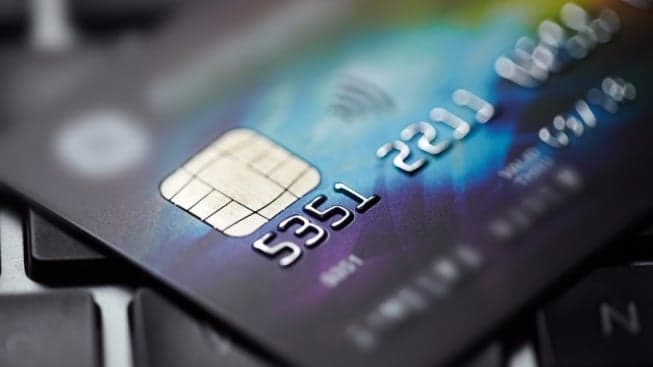
Safe Swiping: Why Encryption Is Key In The Restaurant Industry
Encryption protects both restaurateurs and customers from data breaches.
Franchise News
SPONSOREDEncryption protects both restaurateurs and customers from data breaches.
Consumers today expect businesses to keep up with the latest technology. It’s generally a good move for restaurants—digital upgrades allow them to engage their customers in new ways and separate themselves from the competition. But it also opens the door to hackers. Data breaches have become common, and consumers are more aware of them now than ever before. After major credit card and data hacks hit brands like Target, Chick-fil-A and Wendy’s, some people are thinking twice before swiping their cards at the end of a meal.
Keeping credit card data safe is essential in the restaurant industry. But sometimes, that’s easier said than done. According to the National Restaurant Association, restaurants are increasingly vulnerable to hackers. WiFi, point-of-sale (POS) systems and wireless credit card processors all serve as potential entry points for cyber criminals.
Ultimately, restaurants are responsible for protecting their customer’s credit card data. That’s where encryption comes in.
Encrypting credit card data is safer for both consumers and restaurateurs. Encryption works by taking a file and scrambling its content. It operates in tandem with an encryption key, which tells a computer how to translate the data from gibberish back into English. Encrypted information is useless without a key. So if encrypted data is lifted or stolen, hackers won’t be able to make sense of the information.
For restaurants, encryption comes down to using updated POS systems that don’t send out raw credit card data. In an interview with QSR Web, James Wester, research director at Worldwide Payment Strategies, said, “For merchants, their first line of defense is their payment providers, the companies that offer access to electronic transactions.”
Restaurants also need to make sure their POS systems accept EMV (Europay, MasterCard and Visa) chip technology. The chips are considered to be more secure than the standard magnetic stripe because they’re harder to duplicate. They create a one-time code every time a transaction is made that is then processed and matched by a bank before it makes its way back to the vendor.
More customers are relying on technology to pay their bills. People are even ditching their physical credit cards altogether and choosing to pay with their smartphones instead through mobile wallet apps like Apple Pay, Android Pay and Google Pay. That means the importance of encryption and credit card security in the restaurant industry will only keep growing.
Wester told QSR Web, “There’s a balance between security and access to data. Data can be so protected that it’s virtually impossible to access, or so open that it’s completely vulnerable to theft. Striking a balance between those competing interests, as well as the cost vs. the benefit, are what merchants are looking at these days.”
Sign up for the 1851 Franchise newsletter to get our biggest stories before everyone else
By signing up, you agree to our user agreement (including class action waiver and arbitration provisions), and acknowledge our privacy policy.

About the Author
Cassie has over five years of digital and traditional media experience. She joined NLA after working as a television news producer in both Milwaukee and Chicago, and now specializes in aligning strategies across the board for her clients, ultimately building buzz and telling compelling stories through content marketing, social media, digital campaigns and traditional PR.
Cassie has a Bachelor of Arts in Broadcast and Electronic Communications from Marquette University. In her spare time, Cassie enjoys traveling and exploring what new cities have to offer in addition to spending time with her friends and family.